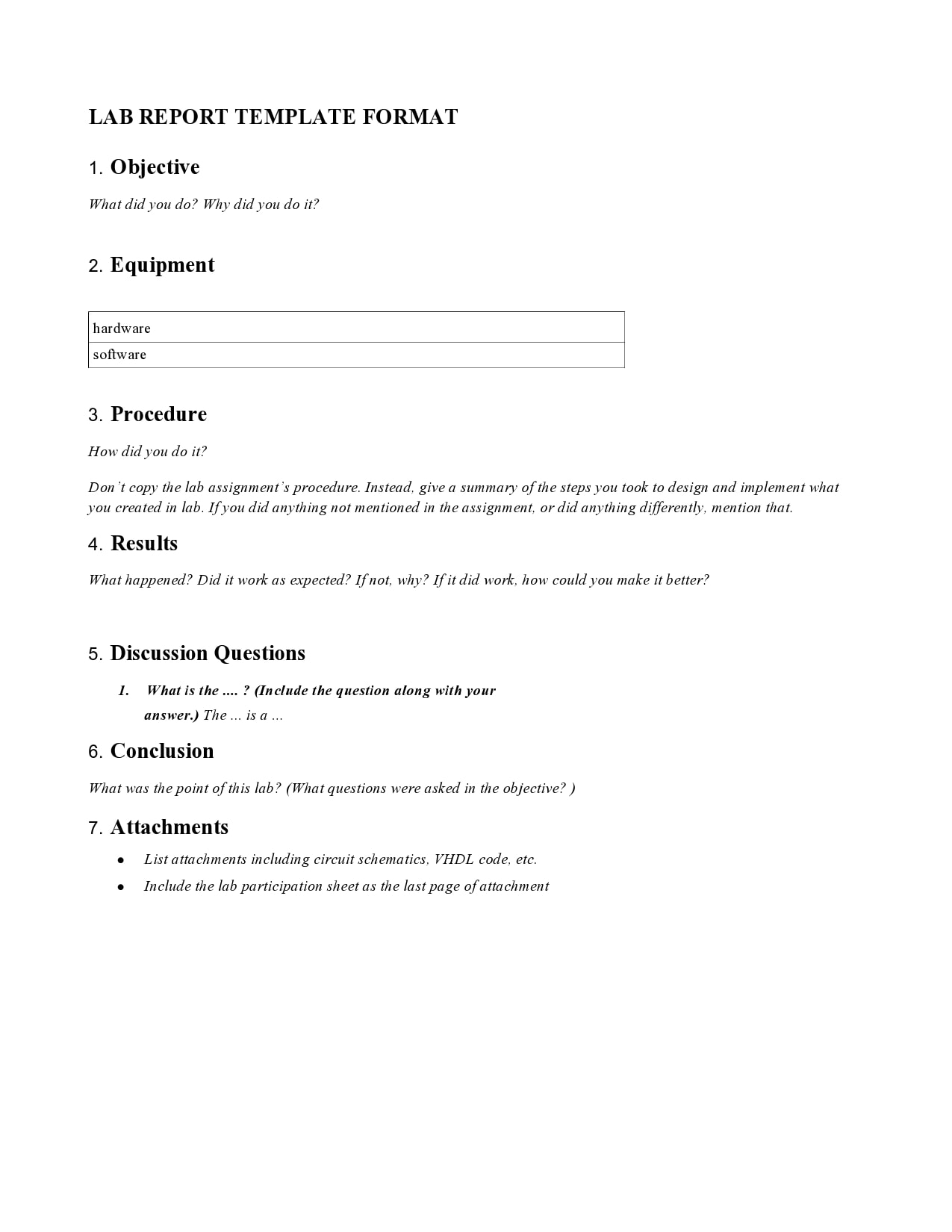
Are you a student or a researcher who needs to write a lab report but is unsure where to start? Look no further!
In this comprehensive guide, we will walk you through everything you need to know about writing a successful lab report. From understanding the purpose of a lab report to knowing what to include and how to format it, we’ve got you covered.
What is a Lab Report?
A lab report is a detailed document that outlines the procedures, results, and analysis of an experiment conducted in a laboratory setting. It serves as a record of the scientific process and allows others to replicate the experiment or build upon the findings. Lab reports are commonly used in the fields of science, engineering, and medicine to communicate research findings and conclusions.
When writing a lab report, it is essential to follow a specific format and include key components to ensure clarity and accuracy. Whether you are a student working on a class assignment or a researcher documenting your findings, knowing how to write a lab report is a valuable skill.
1. Purpose of a Lab Report
The main purpose of a lab report is to communicate the results of an experiment clearly and concisely. It allows the reader to understand the procedures followed, the data collected, and the conclusions drawn from the experiment. Lab reports also help researchers track their progress and build upon previous work.
2. Why Write a Lab Report?
Writing a lab report is essential for several reasons. Firstly, it helps you organize your thoughts and data in a systematic way, making it easier to analyze and interpret the results. Secondly, it allows others to verify your findings and replicate the experiment if needed. Lastly, lab reports contribute to the body of scientific knowledge by sharing new discoveries and insights with the academic community.
3. What to Include in a Lab Report
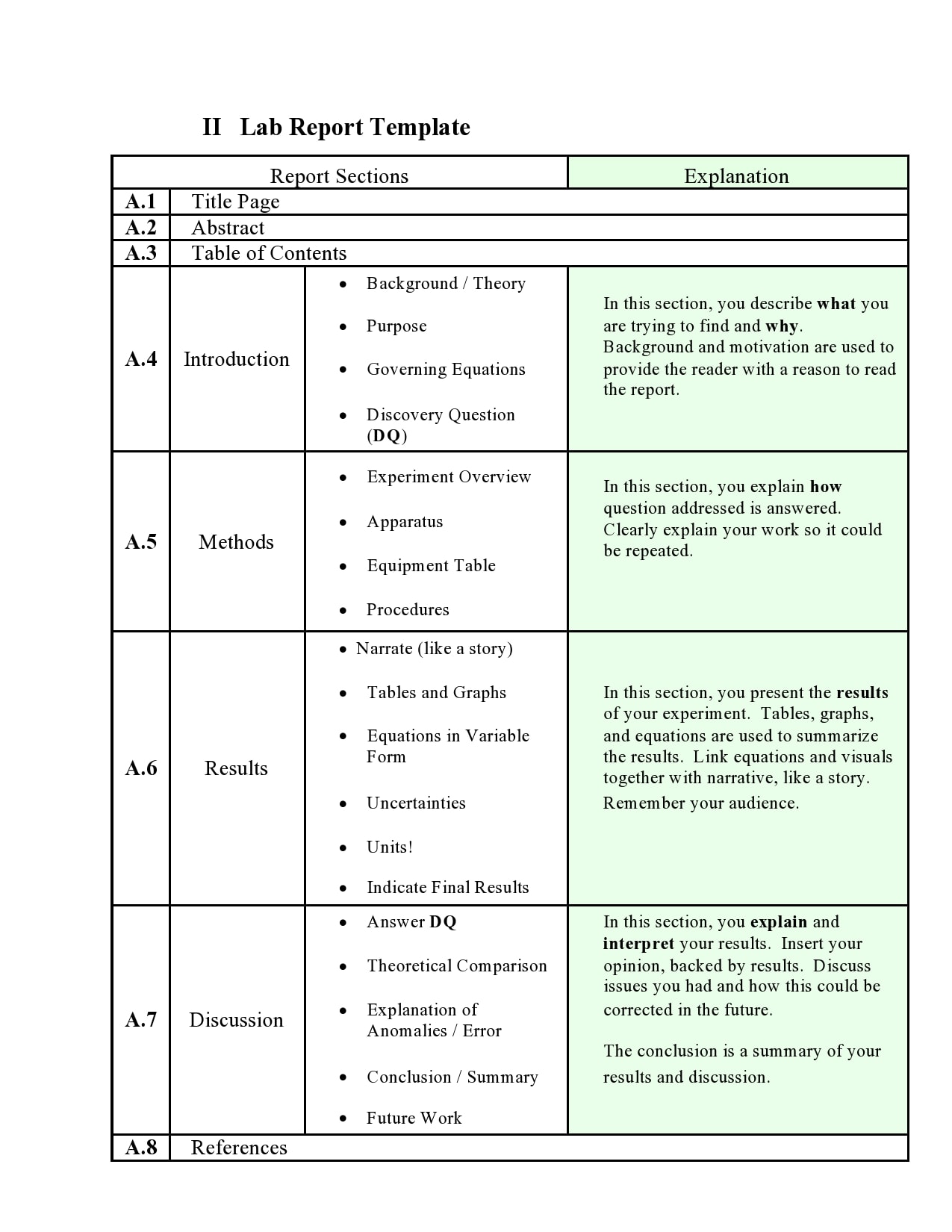
A well-written lab report should include the following components:
– Title- Introduction
– Materials and Methods
– Results
– Discussion
– Conclusion
– References
Each section plays a crucial role in conveying the experiment’s purpose, procedures, and outcomes. By including these elements, you provide a comprehensive overview of your study and allow others to understand and evaluate your work.
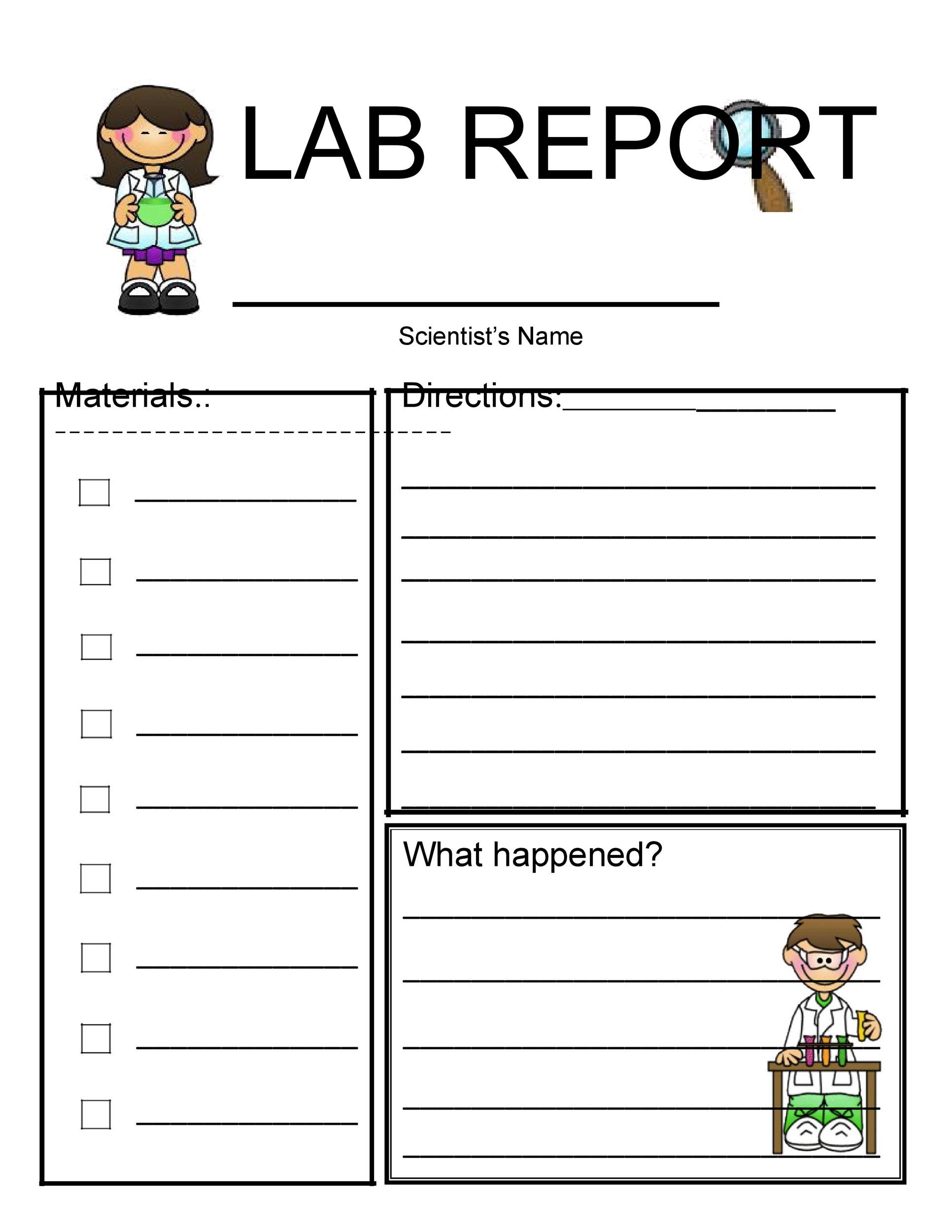
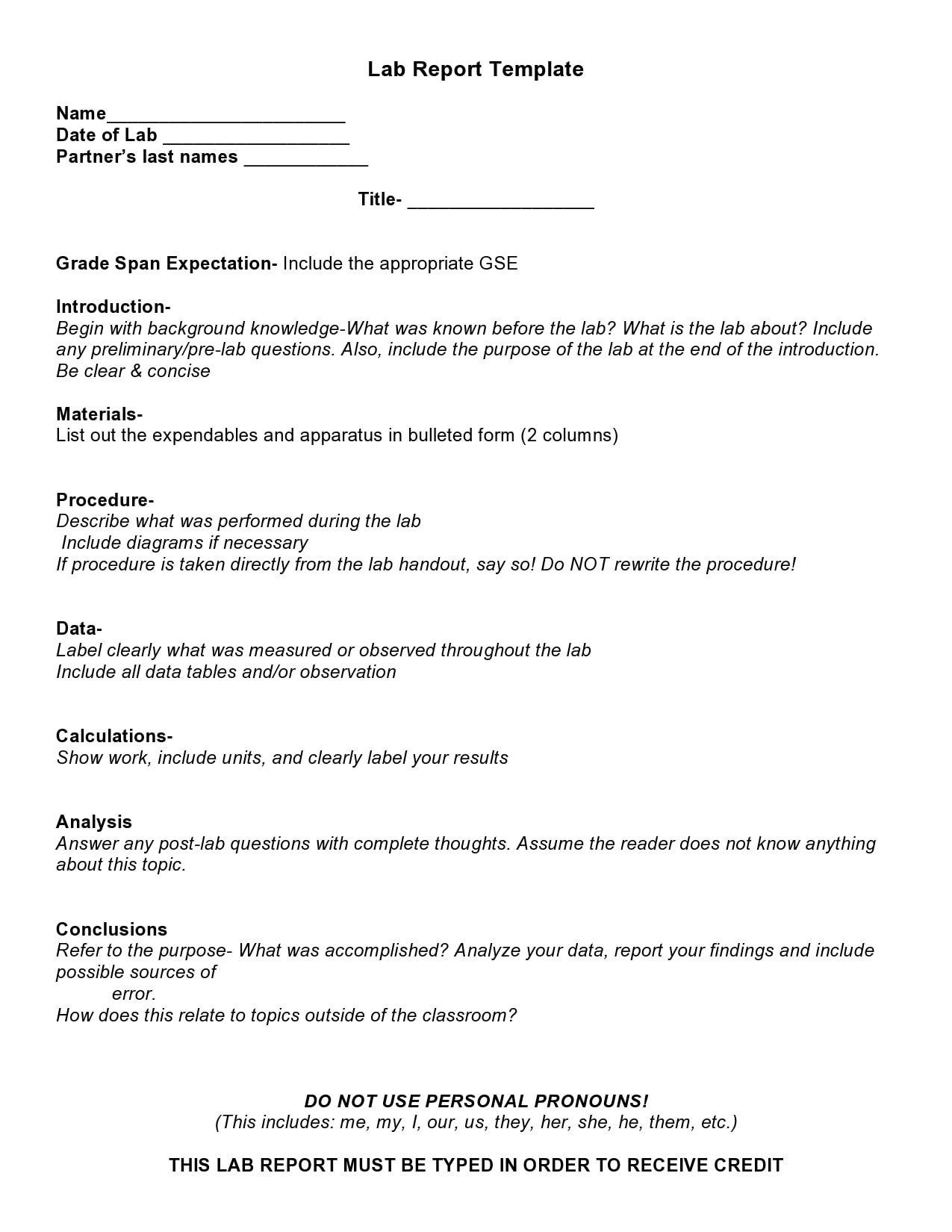
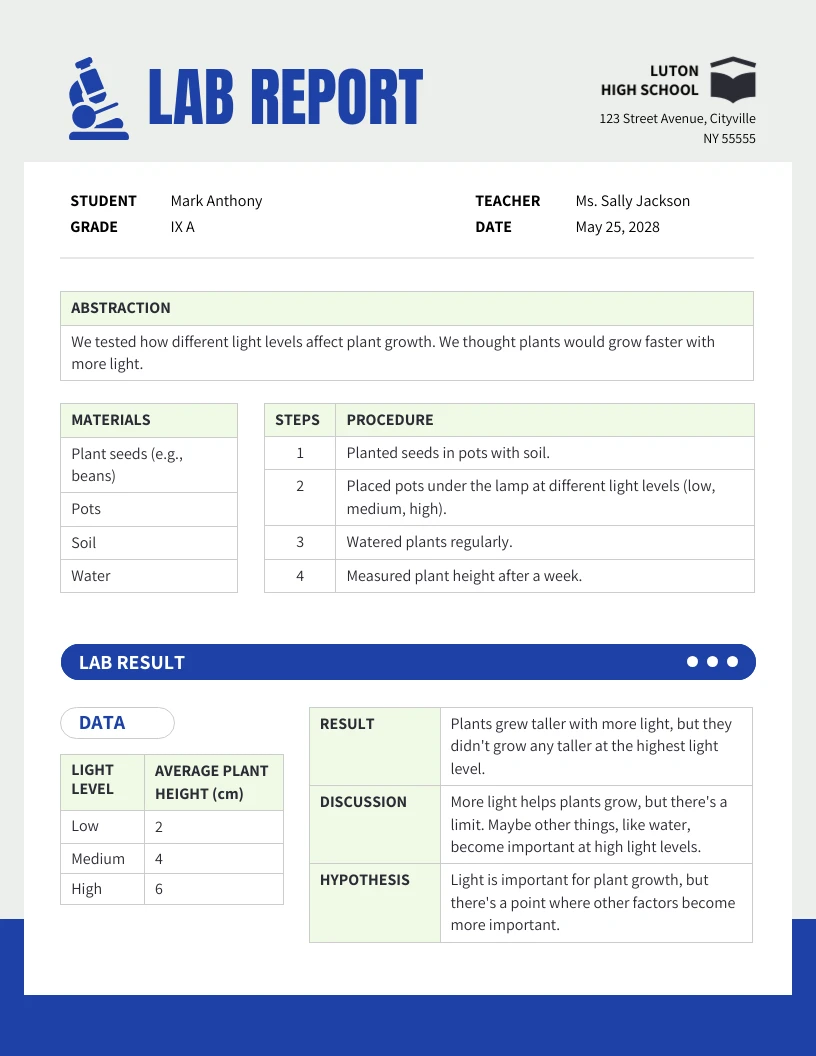
4. How to Write a Lab Report
Writing a lab report can seem daunting at first, but with the right approach, it can be a rewarding experience. To write a successful lab report, follow these steps:
1. Start with a clear title that summarizes the experiment’s main objective.
2. Begin with an introduction that provides background information and states the research question.
3. Describe the materials and methods used in the experiment, including the procedures followed and data collected.
4. Present the results in a clear and organized manner, using tables, graphs, and figures to illustrate key findings.
5. Analyze the data and discuss the implications of the results in relation to the research question.
6. Conclude by summarizing the main findings and their significance in the broader context of the study.
7. Cite any references or sources used in your lab report to give credit to previous work and support your findings.
5. Tips for Successful Lab Reports
To ensure your lab report is well-written and informative, consider the following tips:
– Plan your experiment carefully and record all data accurately.
– Use clear and concise language to explain complex concepts and procedures.
– Proofread your lab report for errors in grammar, punctuation, and formatting.
– Include relevant visuals such as graphs, tables, and figures to enhance understanding.
– Be honest and transparent about any limitations or uncertainties in your study.
– Seek feedback from peers or instructors to improve the quality of your lab report.
By following these tips and guidelines, you can write a lab report that effectively communicates your research findings and contributes to the scientific community’s knowledge base.
Conclusion
In conclusion, writing a lab report is an essential skill for students and researchers alike. By understanding the purpose of a lab report, knowing what to include, and following the proper format, you can effectively communicate your experiment’s procedures and outcomes. Remember to be thorough, organized, and clear in your writing to ensure your lab report is informative and impactful. With practice and attention to detail, you can master the art of writing a successful lab report.
