Job safety analysis, also known as JSA, is a crucial process that helps organizations identify and mitigate workplace hazards to ensure the safety and well-being of employees. By breaking down job tasks into manageable steps and analyzing potential risks, companies can proactively address safety concerns and prevent accidents. In this comprehensive guide, we will explore the what, why, and how of job safety analysis, as well as provide tips for successful implementation.
What is Job Safety Analysis?
Job safety analysis is a systematic approach to identifying, assessing, and controlling hazards associated with specific tasks or jobs. It involves breaking down a job into individual steps and analyzing the potential risks and hazards that may arise during each step. By conducting a JSA, organizations can develop effective safety protocols and procedures to protect their workers from harm.
Why is Job Safety Analysis Important?
Job safety analysis is important because it helps organizations proactively identify and mitigate workplace hazards before they result in accidents or injuries. By conducting a JSA, companies can ensure the safety and well-being of their employees, reduce the risk of costly workplace incidents, and improve overall organizational performance.
1. Preventing Accidents
One of the primary reasons job safety analysis is important is its ability to prevent accidents and injuries in the workplace. By identifying potential hazards and implementing control measures, companies can create a safer work environment and protect their employees from harm.
2. Improving Safety Culture
Job safety analysis plays a crucial role in fostering a culture of safety within an organization. By involving workers in the JSA process and encouraging open communication about safety concerns, companies can create a culture where safety is prioritized and valued by all employees.
3. Enhancing Compliance
Conducting job safety analysis helps organizations comply with workplace safety regulations and standards. By identifying hazards and implementing control measures, companies can demonstrate their commitment to providing a safe work environment for their employees.
What to Include in a Job Safety Analysis
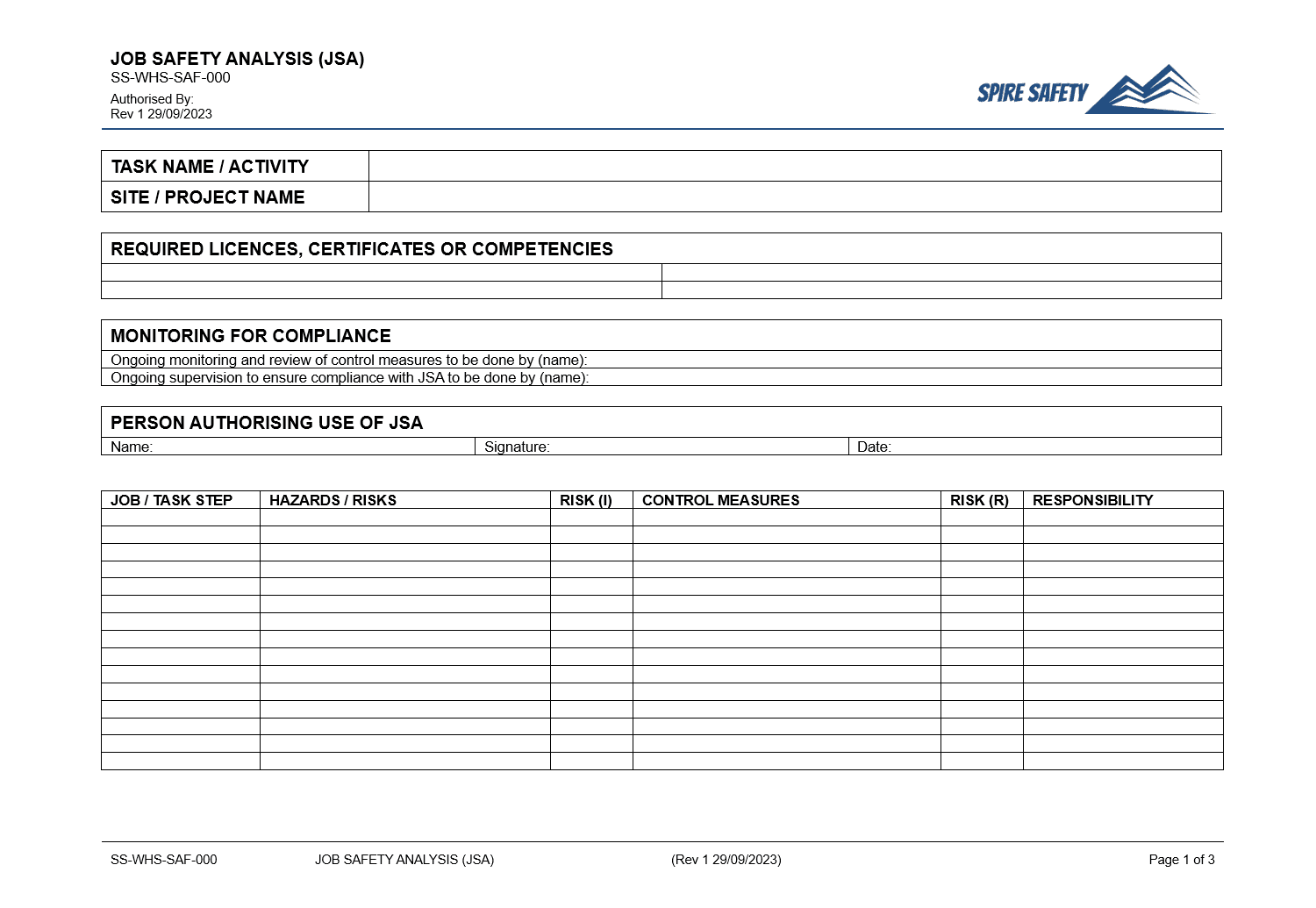
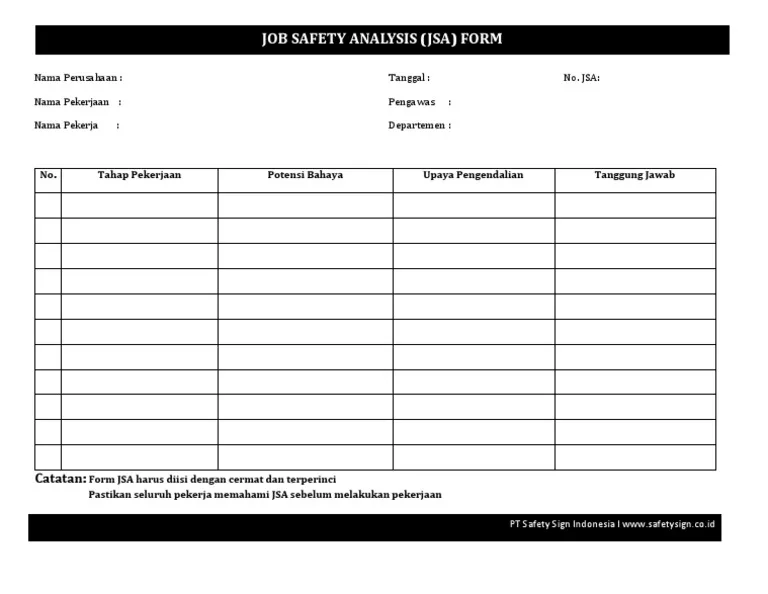
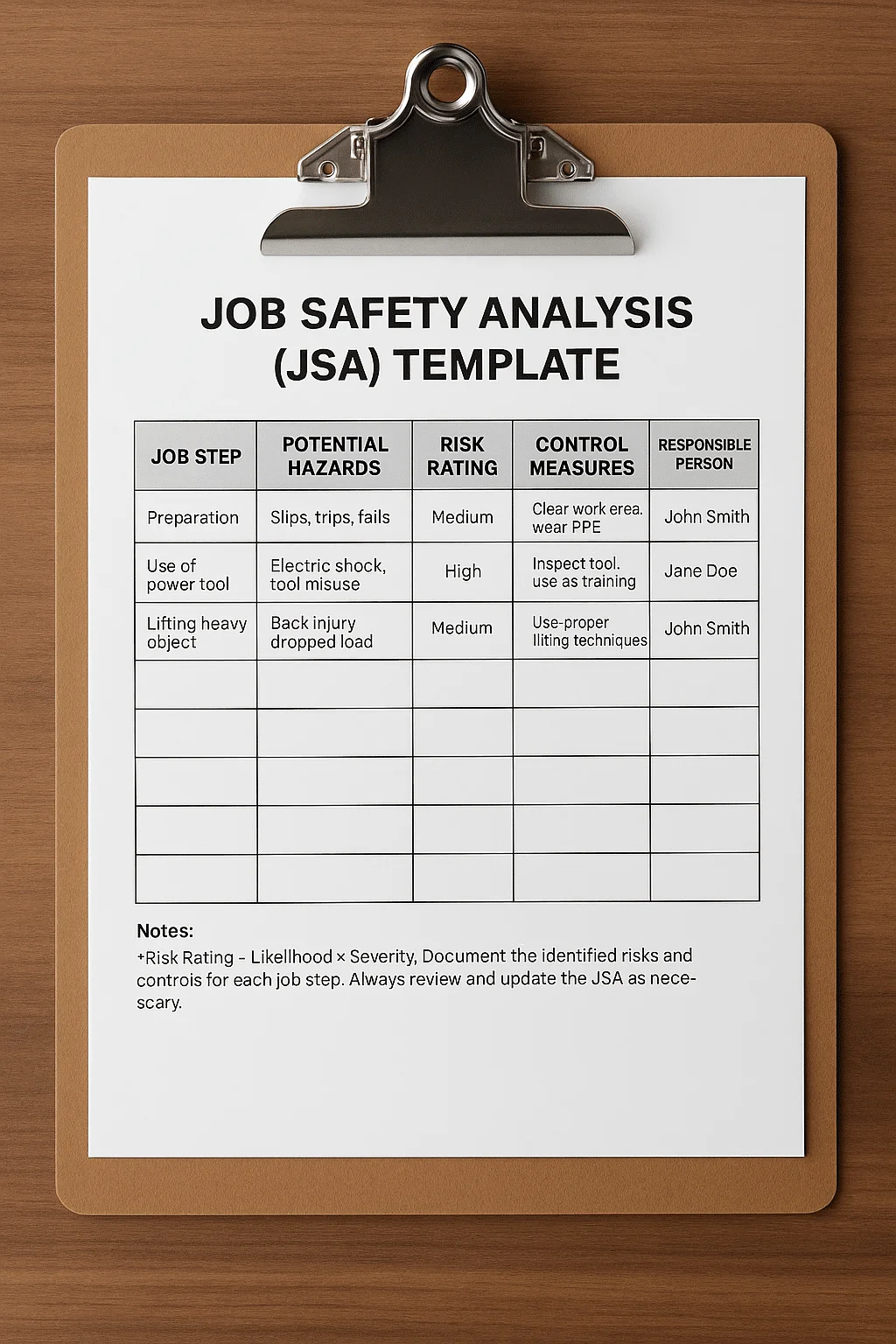
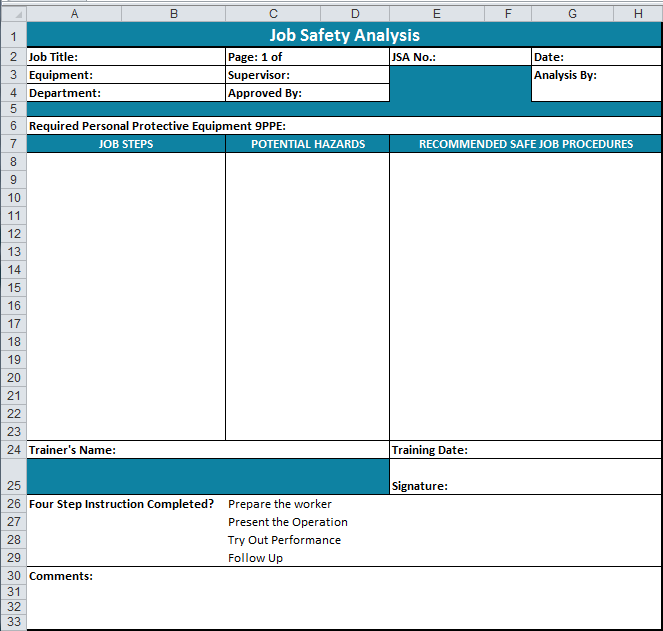
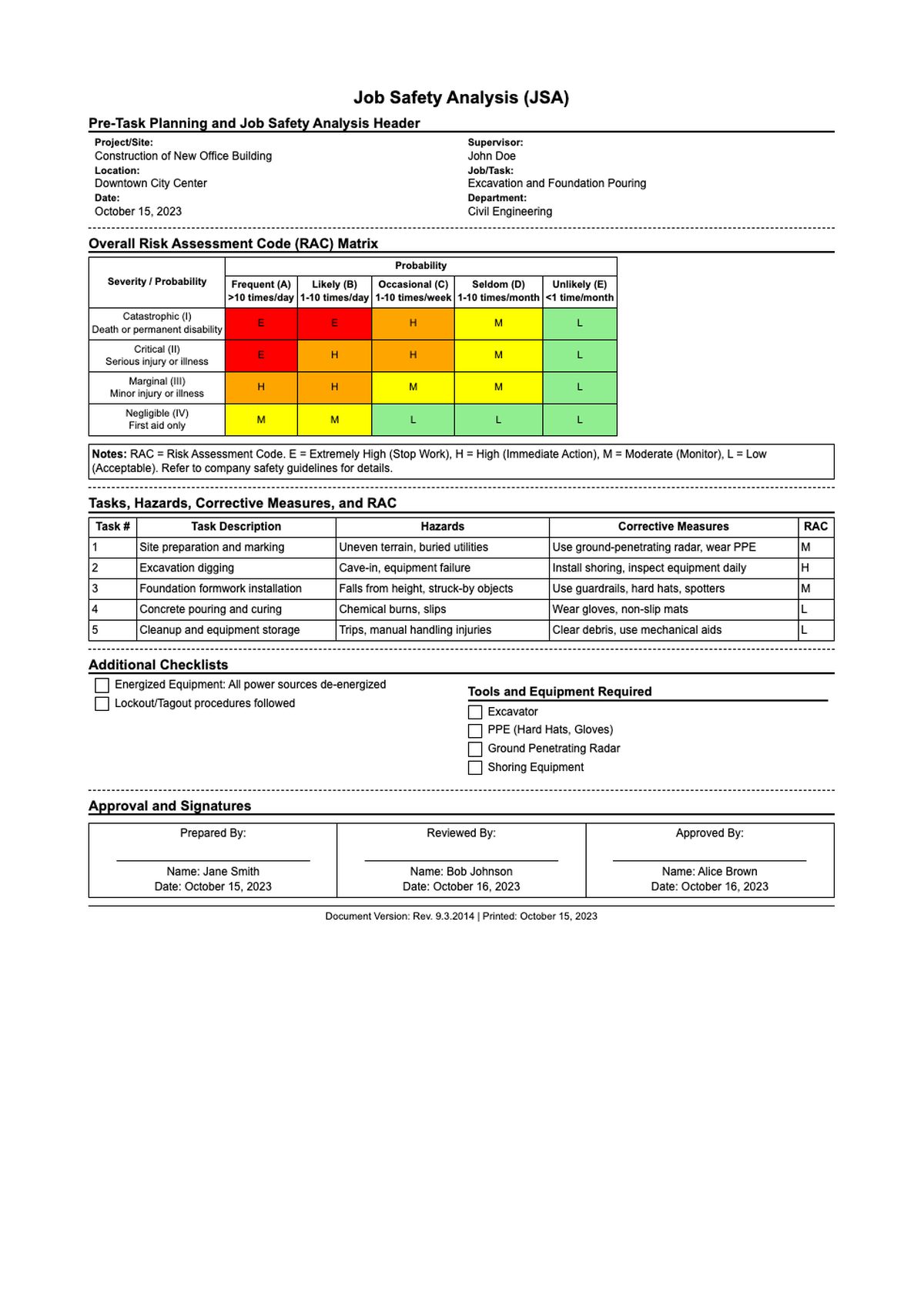
When conducting a job safety analysis, there are several key components that should be included to ensure a thorough and effective assessment of workplace hazards. These components typically consist of:
- Job Task Identification: Identify the specific tasks or jobs to be analyzed.
- Hazard Identification: Identify potential hazards associated with each task.
- Risk Assessment: Assess the likelihood and severity of each hazard.
- Control Measures: Develop and implement control measures to mitigate identified risks.
- Training and Communication: Provide training to employees on safety protocols and communicate findings from the JSA.
How to Conduct a Job Safety Analysis
Conducting a job safety analysis involves a systematic approach to identifying, assessing, and controlling workplace hazards. The following steps can help guide the JSA process:
1. Select the Job to be Analyzed
Choose a specific job or task to analyze, focusing on tasks that have a higher risk of accidents or injuries.
2. Break Down the Job into Steps
Break down the selected job into individual steps, identifying the sequence of tasks involved in completing the job.
3. Identify Potential Hazards
For each step of the job, identify potential hazards that could cause harm to employees or impact their safety.
4. Assess the Risks
Assess the likelihood and severity of each identified hazard, determining the level of risk associated with each hazard.
5. Develop Control Measures
Develop and implement control measures to mitigate the identified risks, such as implementing safety protocols, providing personal protective equipment, or modifying work procedures.
6. Communicate Findings
Communicate the findings of the JSA to employees, providing training on safety protocols and procedures to ensure understanding and compliance.
7. Review and Update
Regularly review and update the job safety analysis to account for changes in job tasks, workplace conditions, or safety regulations.
Tips for Successful Job Safety Analysis
To ensure a successful job safety analysis, consider the following tips:
- Involve Employees: Engage workers in the JSA process to gather valuable insights and perspectives on job tasks and hazards.
- Use Clear Language: Use simple and clear language in documenting the JSA to ensure understanding by all employees.
- Provide Training: Offer training to employees on safety protocols and procedures identified in the JSA.
- Regularly Review: Schedule regular reviews of the JSA to ensure it remains up to date and reflective of current workplace conditions.
Conclusion
Job safety analysis is a critical process that helps organizations identify and mitigate workplace hazards to ensure the safety and well-being of their employees. By conducting a systematic analysis of job tasks, companies can proactively address safety concerns, prevent accidents, and create a culture of safety within their organization. By following the guidelines outlined in this guide and incorporating best practices for JSA, companies can improve workplace safety, reduce the risk of accidents, and enhance overall organizational performance.
