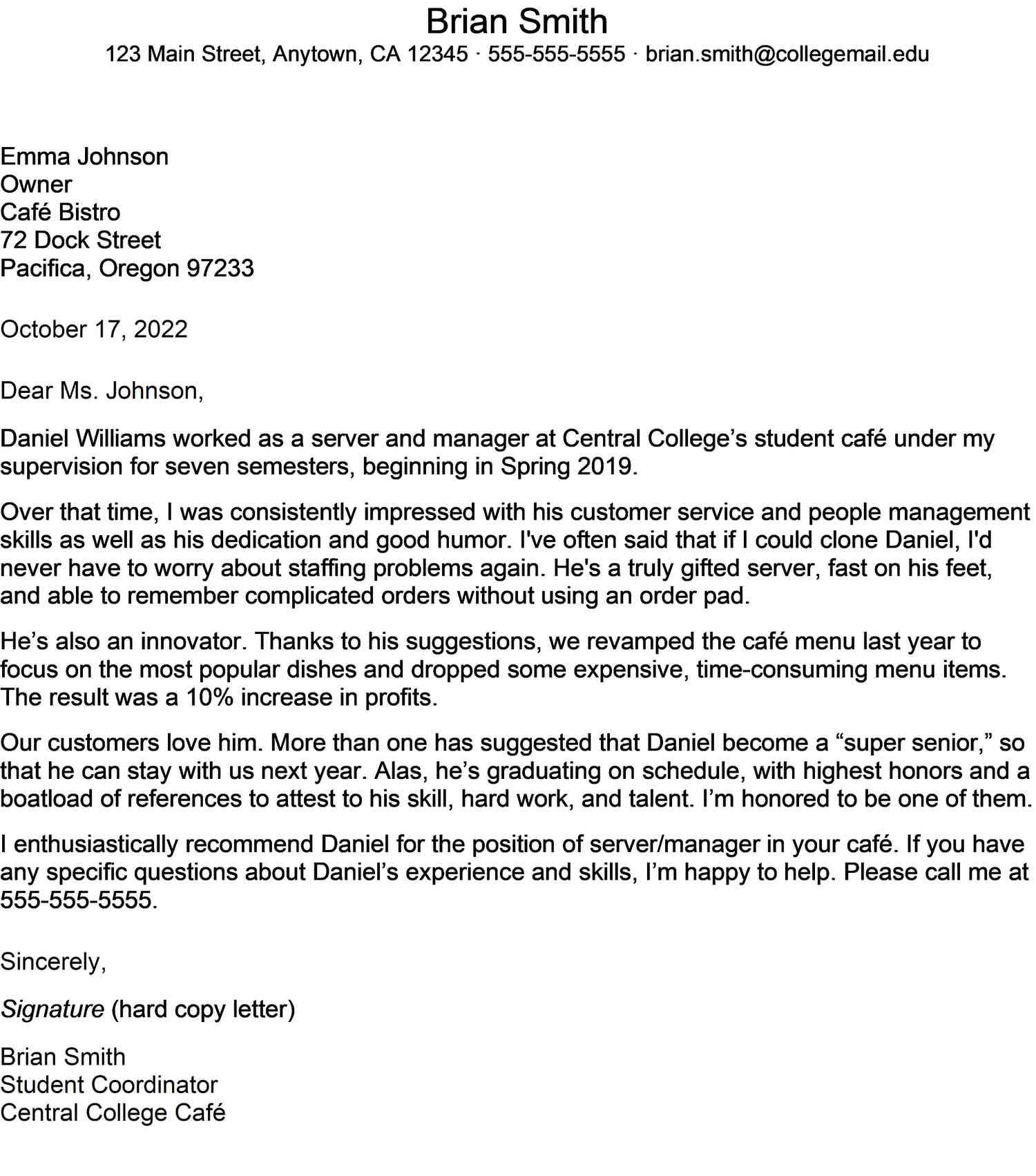
Student reference letters are an essential part of the college application process. These letters provide insight into a student’s character, academic abilities, and potential for success. Whether you are a student requesting a reference letter or a teacher writing one, it is important to understand the purpose and best practices for creating a strong letter of recommendation.
What is a Student Reference Letter?
A student reference letter, also known as a letter of recommendation, is a document written by a teacher, counselor, or mentor that highlights a student’s strengths, accomplishments, and personal qualities. This letter is typically requested by students when applying to colleges, scholarships, internships, or jobs. Reference letters play a crucial role in helping admissions committees or employers make informed decisions about an applicant.
Why are Student Reference Letters Important?
Student reference letters provide a more holistic view of a student beyond their grades and test scores. These letters offer valuable insights into a student’s work ethic, character, leadership skills, and potential for growth. Admissions committees and employers use reference letters to gauge an applicant’s fit for a specific program or position. A strong letter of recommendation can set a student apart from other applicants and increase their chances of success.
What to Include in a Student Reference Letter
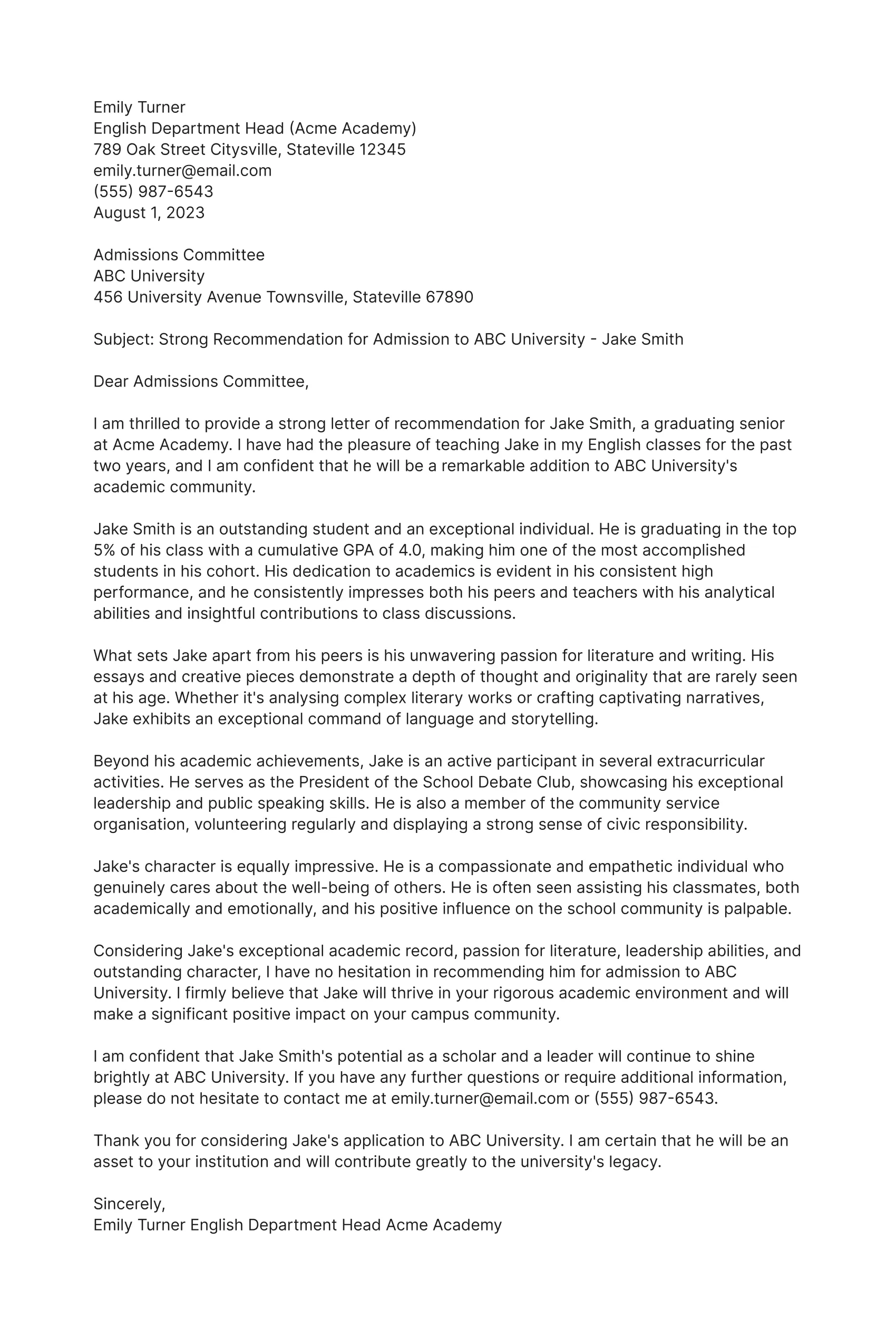
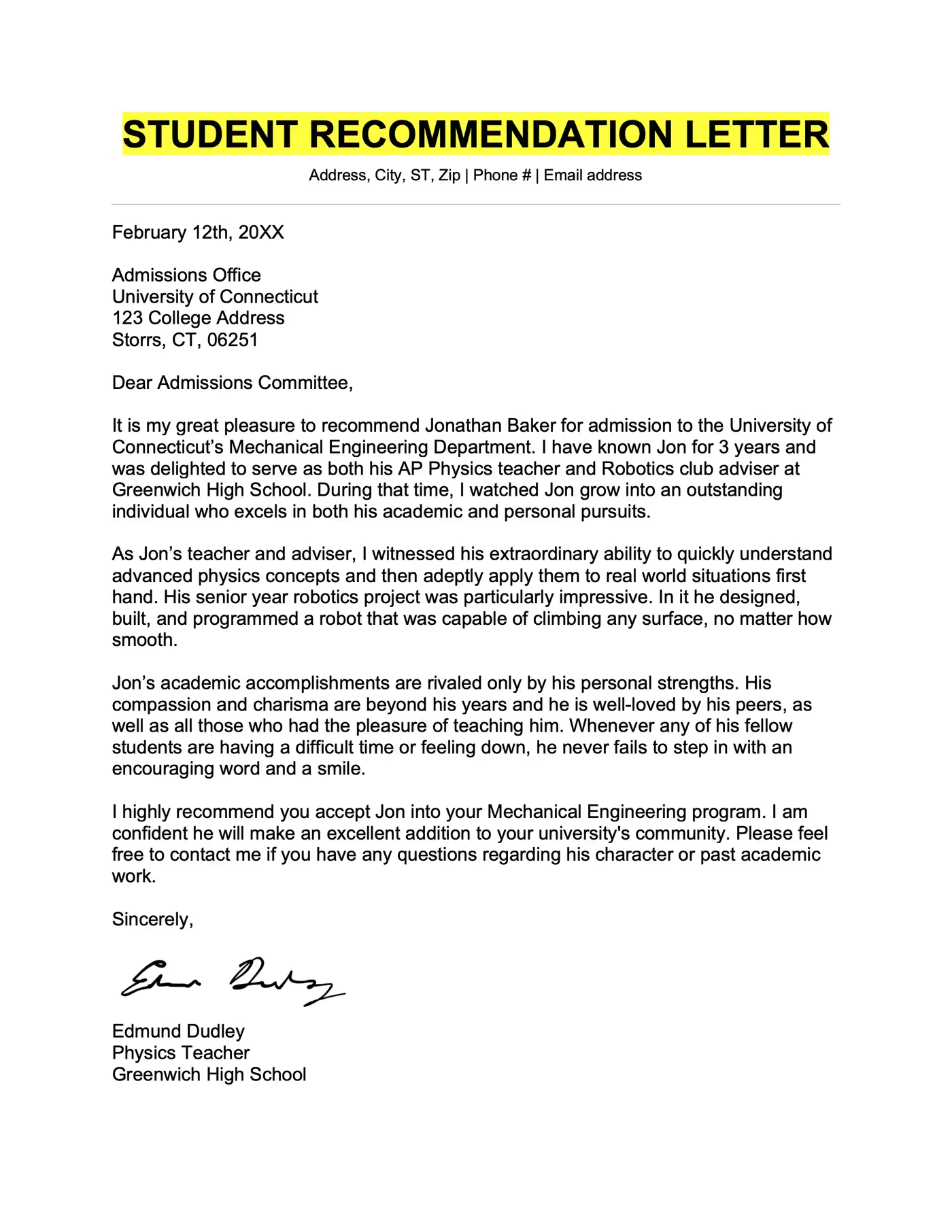
When writing a student reference letter, it is important to include specific details and examples that highlight the student’s strengths and qualifications. Here are some key elements to include in a well-crafted reference letter:
- Introduction: Start by introducing yourself and your relationship to the student.
- Academic achievements: Highlight the student’s academic accomplishments, such as GPA, class rank, and any honors or awards received.
- Personal qualities: Describe the student’s character traits, such as leadership, teamwork, creativity, and resilience.
- Extracurricular activities: Discuss the student’s involvement in clubs, sports, community service, or other activities outside of the classroom.
- Relevant experiences: Share any experiences or projects that demonstrate the student’s skills and abilities.
- Conclusion: Summarize why you believe the student is well-suited for the opportunity they are applying for.
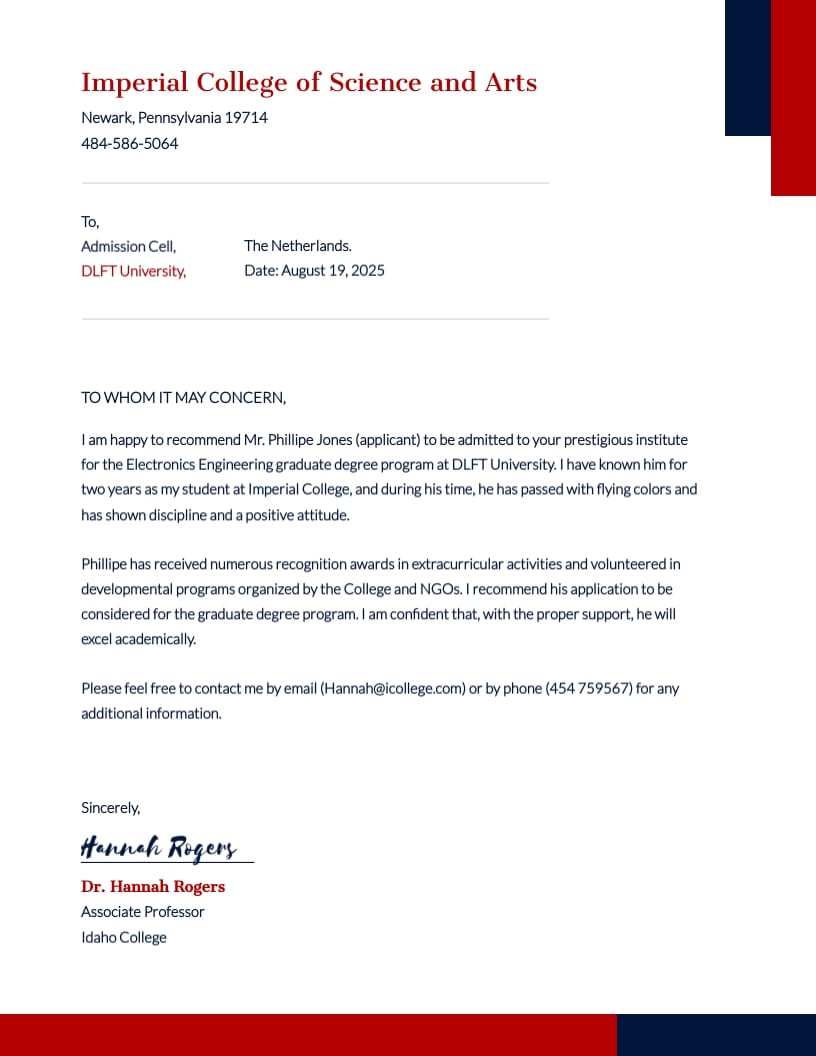
How to Write a Compelling Student Reference Letter
Writing a compelling student reference letter requires careful thought and attention to detail. Here are some tips to help you create a strong letter of recommendation:
- Personalize the letter: Tailor the letter to the specific opportunity and provide specific examples that showcase the student’s qualifications.
- Be honest and sincere: Provide an honest assessment of the student’s strengths and weaknesses, focusing on their potential for growth.
- Use concrete examples: Include specific examples and anecdotes that illustrate the student’s abilities and achievements.
- Highlight unique qualities: Showcase what sets the student apart from their peers and makes them a standout candidate.
- Proofread and edit: Double-check for any errors or typos, and ensure that the letter is well-organized and cohesive.
Tips for Successful Student Reference Letters
Here are some additional tips for writing successful student reference letters:
- Start early: Give yourself enough time to write a thoughtful and detailed letter that reflects the student’s strengths.
- Communicate with the student: Ask the student for relevant information or materials that can help you write a more effective letter.
- Focus on specifics: Provide concrete examples and details that support your assessment of the student’s abilities.
- Follow the guidelines: If there are specific instructions or requirements for the letter, make sure to adhere to them.
- Be professional: Maintain a professional tone and format throughout the letter, while also showcasing your enthusiasm for endorsing the student.
Conclusion
Student reference letters are a critical component of the college application process, offering valuable insights into a student’s character and potential for success. By following best practices and incorporating specific examples, you can create a compelling letter of recommendation that helps the student stand out in a competitive field. Remember to personalize the letter, be honest and sincere, and highlight the student’s unique qualities to make a lasting impression on admissions committees or employers.
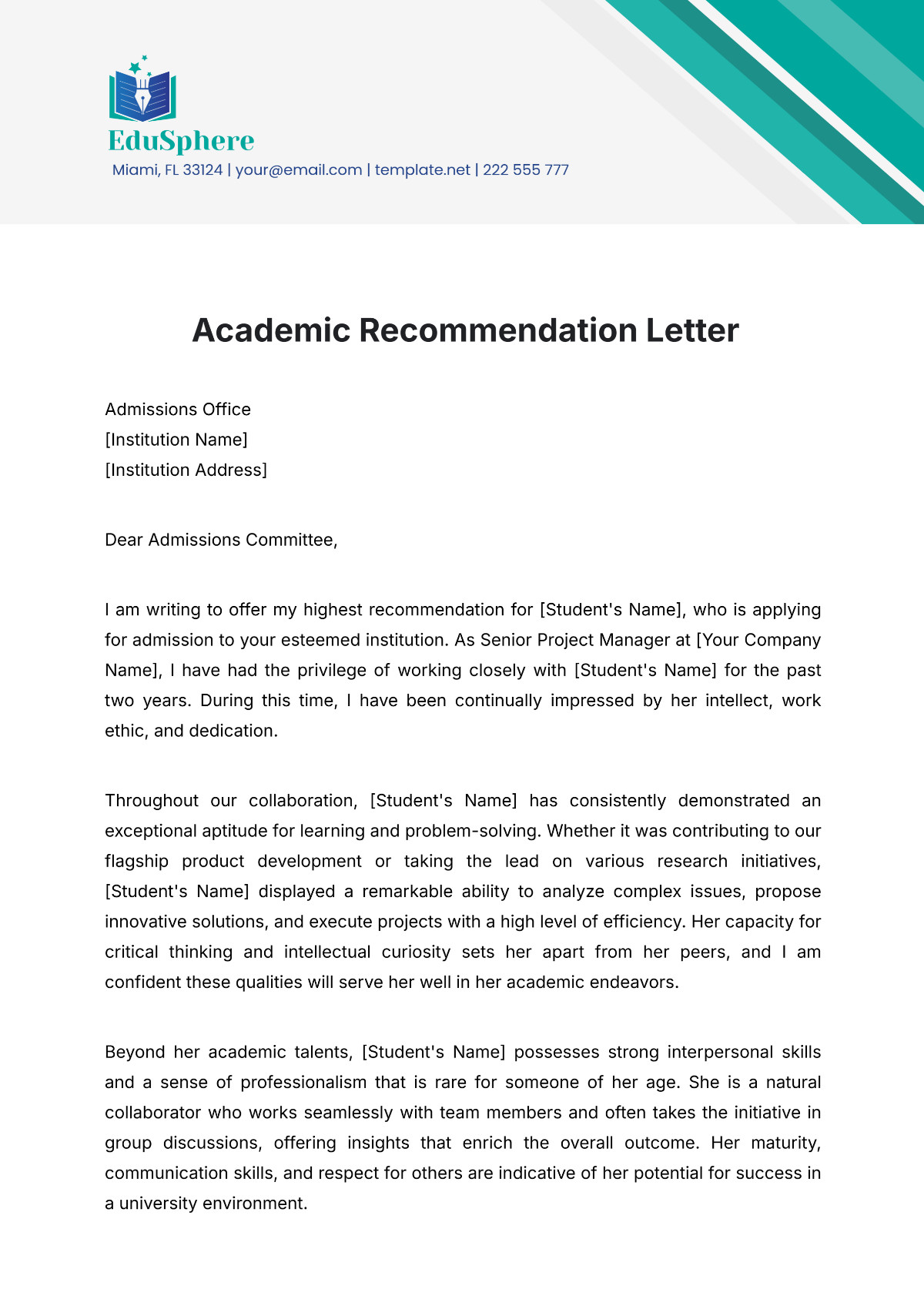
Student Reference Letter Template
