Job reference letters are an essential part of the job application process. Whether you are a recent graduate looking for your first job or a seasoned professional changing careers, having strong reference letters can make a big difference in landing your dream job.
In this comprehensive guide, we will cover everything you need to know about job reference letters, including what they are, why they are important, what to include in them, how to ask for them, and tips for ensuring they are effective.
What is a Job Reference Letter?
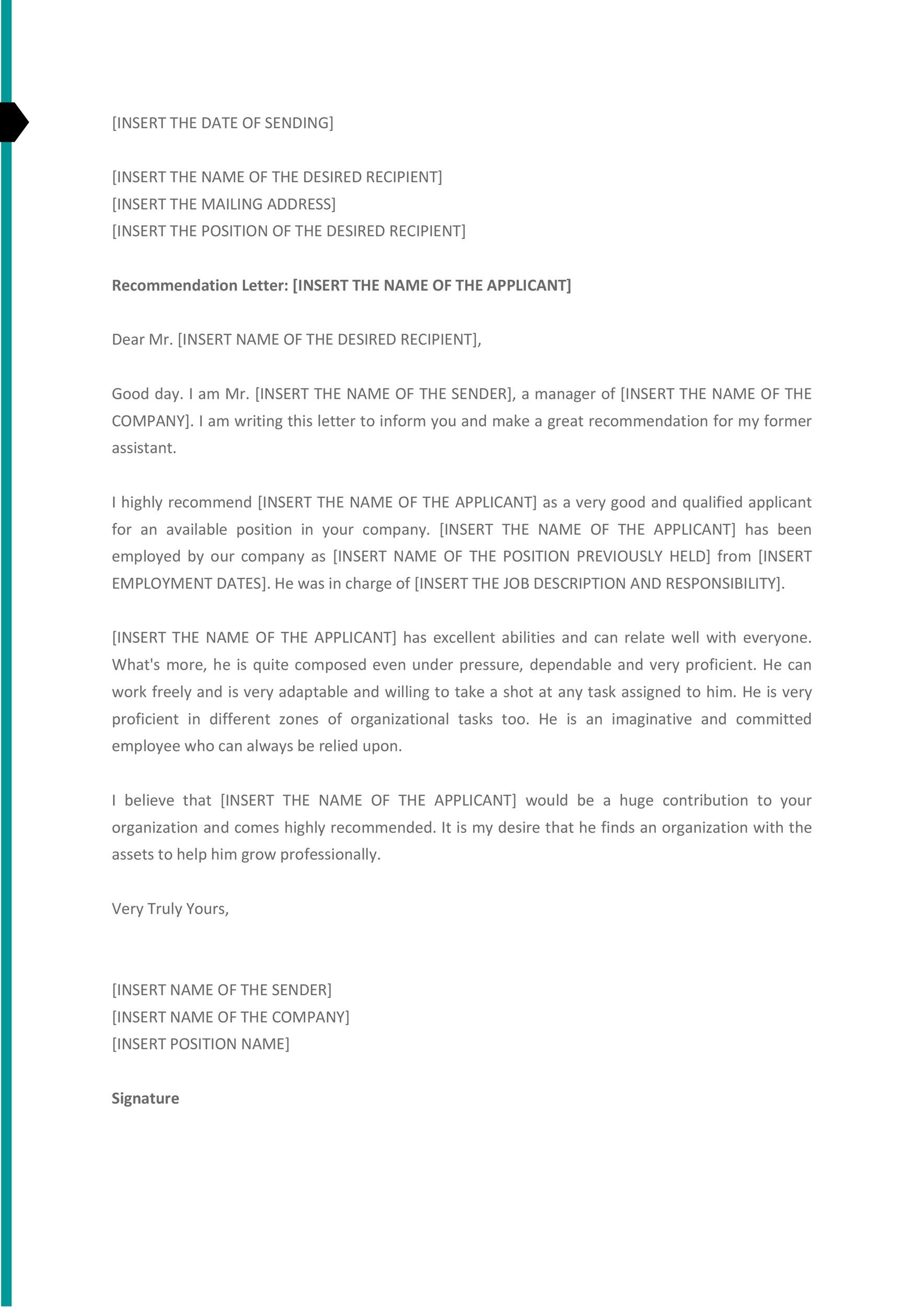
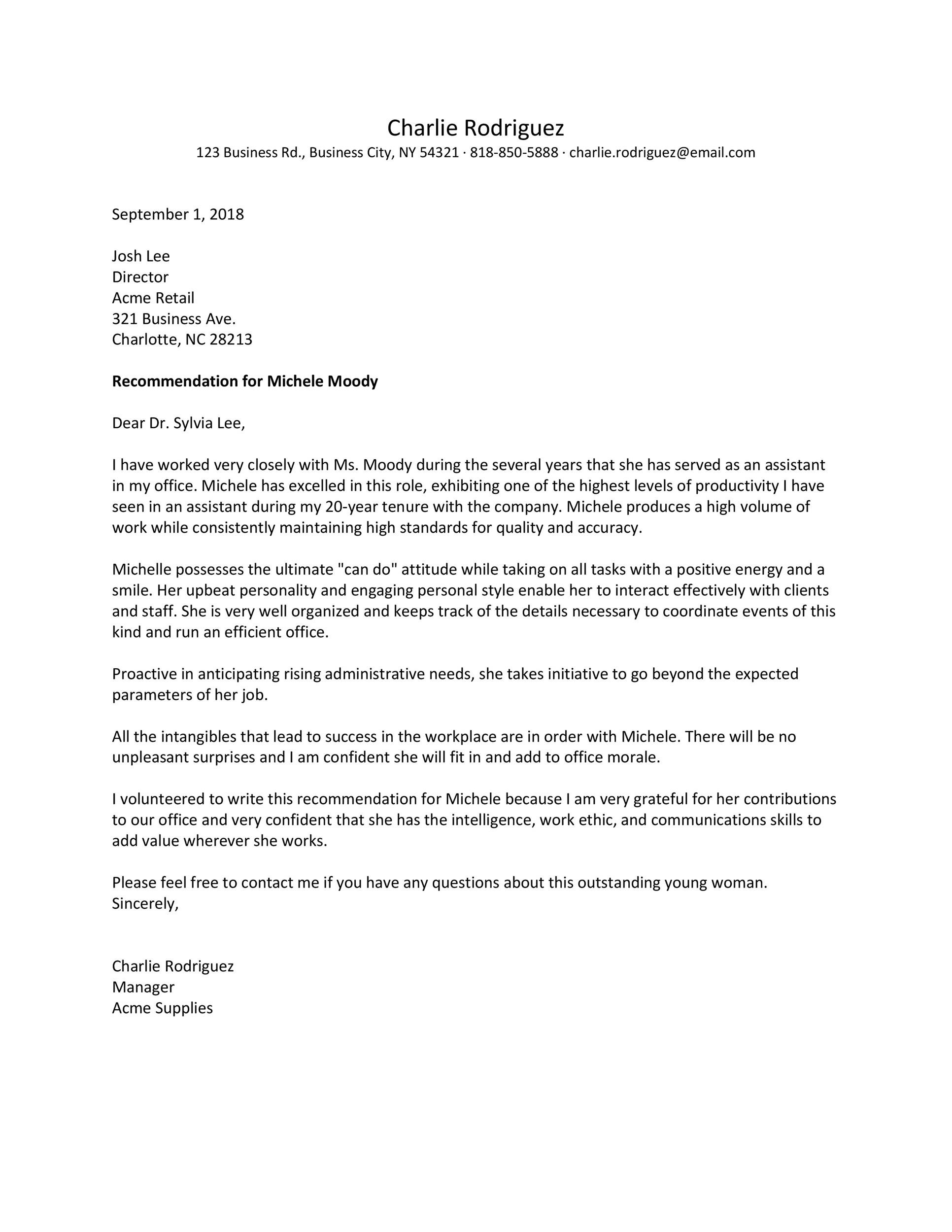
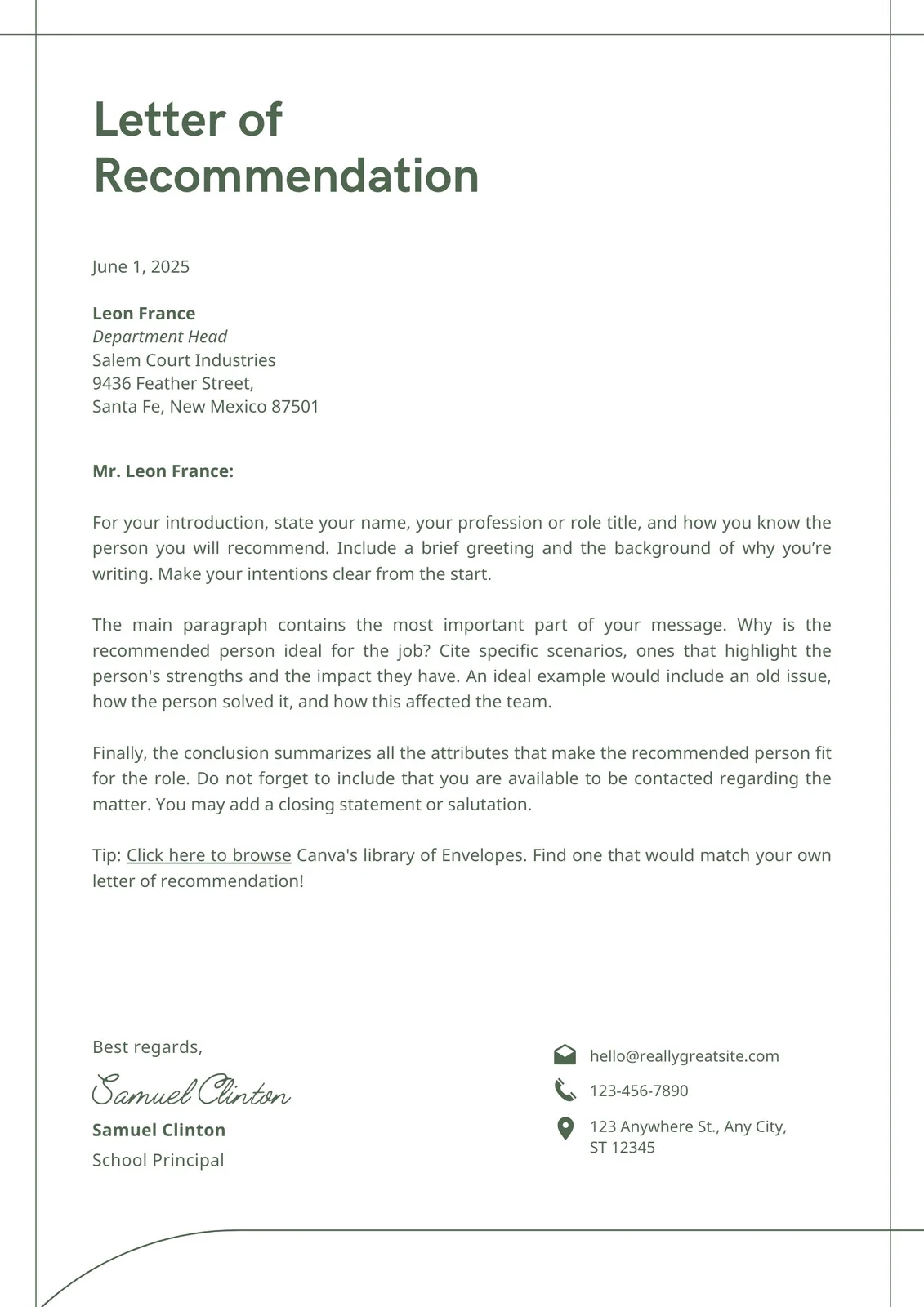
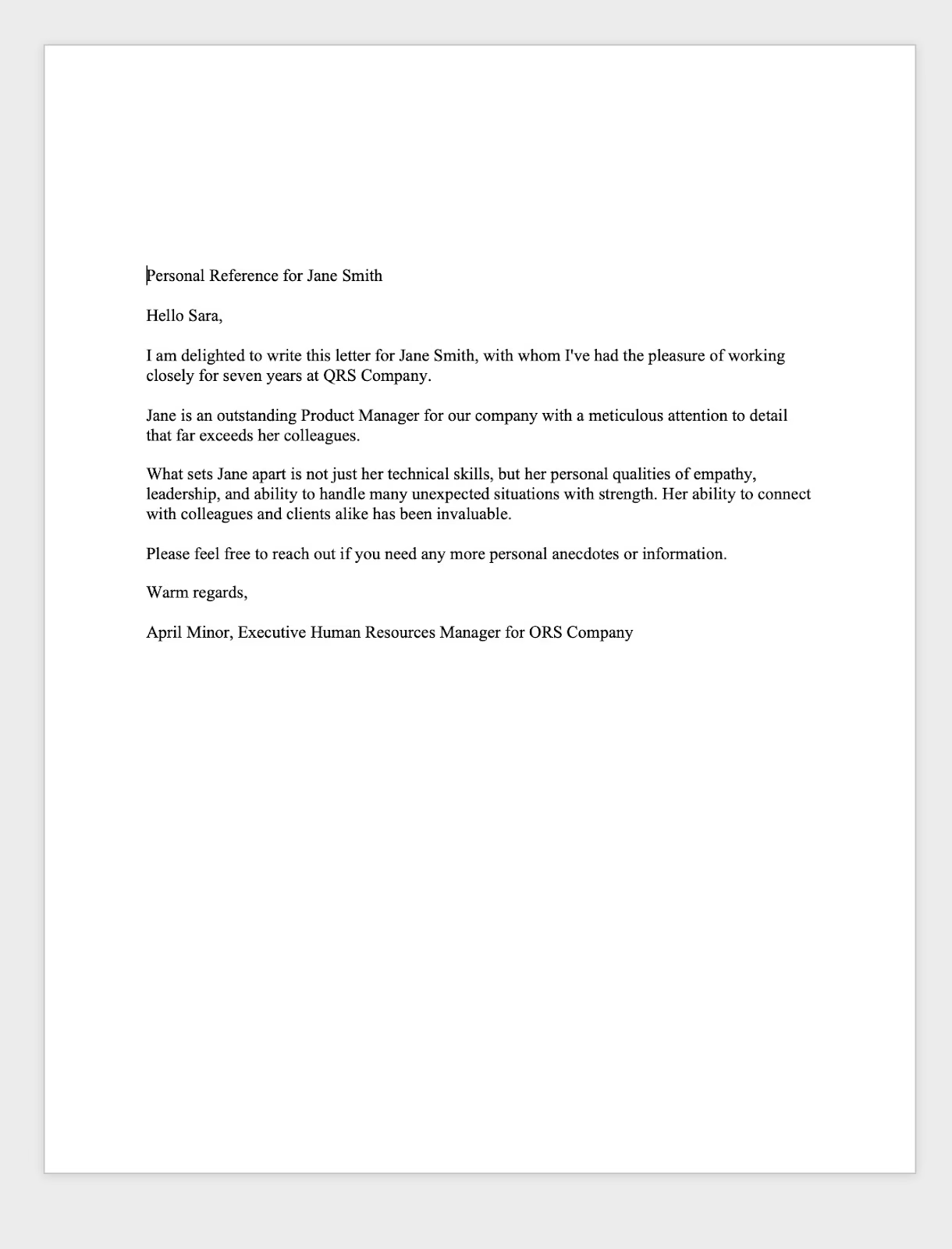
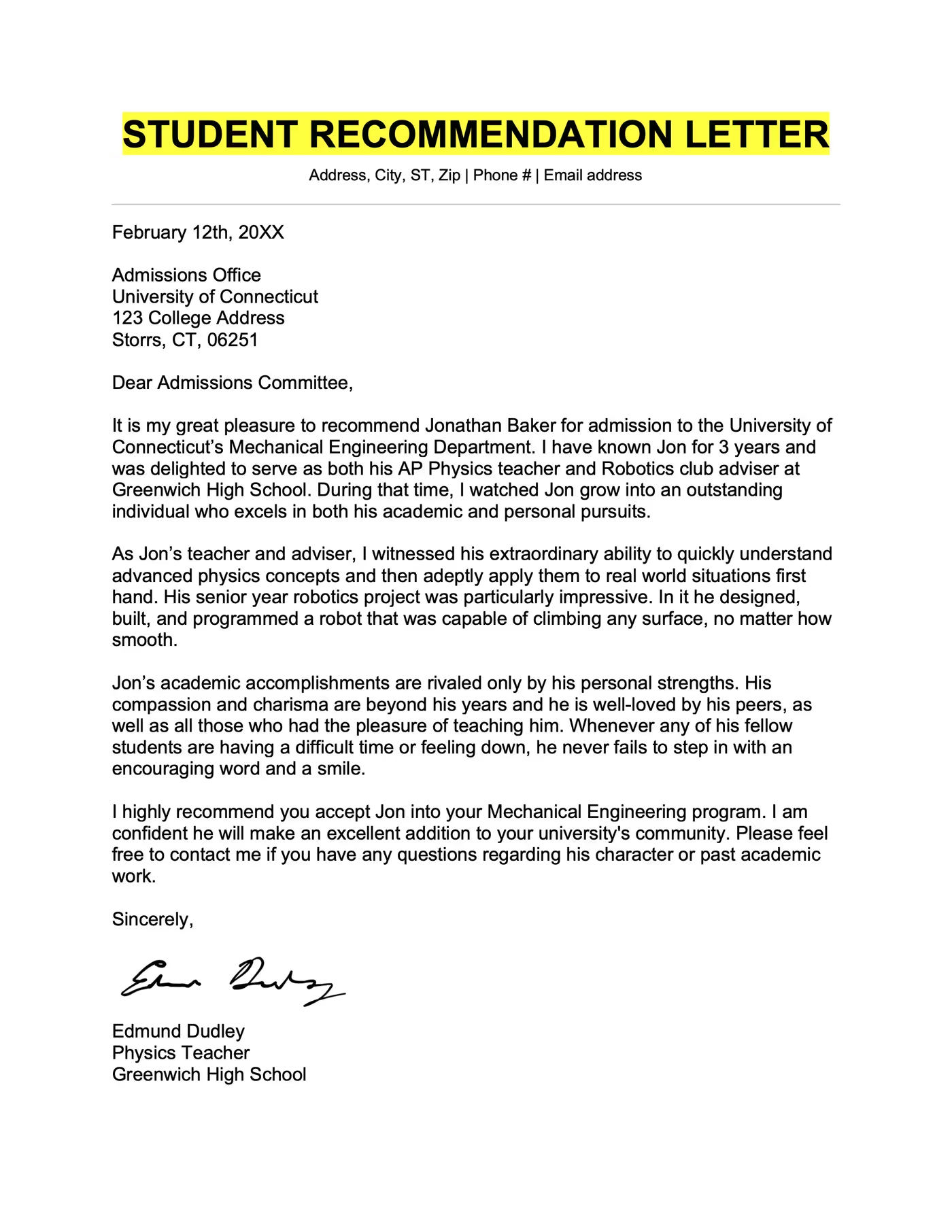
A job reference letter, also known as a letter of recommendation, is a document written by a former employer, colleague, mentor, or teacher that provides insight into your skills, work ethic, and character. It serves as a testament to your qualifications and can help potential employers assess your suitability for a particular job role. Reference letters are typically requested during the job application process and can carry significant weight in the hiring decision.
Why are Job Reference Letters Important?
Job reference letters are important for several reasons. Firstly, they provide employers with an external perspective on your abilities, giving them more confidence in your qualifications. Secondly, reference letters can highlight specific skills or experiences that may not be evident from your resume or cover letter. Lastly, a strong reference letter can set you apart from other candidates and increase your chances of being selected for an interview.
What to Include in a Job Reference Letter
When requesting a job reference letter, it is important to provide your recommender with all the necessary information to ensure they can write an effective letter. Here are some key elements to include:
- Your Contact Information: Provide your full name, email address, and phone number.
- Recommender’s Information: Include the recommender’s name, job title, company, and contact information.
- Relationship with Recommender: Briefly explain how you know the recommender and the context of your relationship.
- Specific Examples: Provide examples of your work ethic, skills, and accomplishments that the recommender can highlight.
- Request for Support: Clearly state the purpose of the reference letter and the type of job you are applying for.
How to Ask for a Job Reference Letter
Asking for a job reference letter can feel intimidating, but with proper preparation and communication, it can be a smooth process. Here are some tips for requesting a reference letter:
- Choose the Right Recommender: Select someone who knows you well and can speak to your strengths.
- Provide Ample Notice: Give your recommender enough time to write the letter, ideally two to three weeks.
- Be Clear and Specific: Clearly communicate the job you are applying for and why you think they would be a great reference.
- Follow Up: Send a thank-you note after they have written the letter and keep them updated on your job search progress.
Tips for Successful Job Reference Letters
Writing a successful job reference letter requires attention to detail and a focus on highlighting the candidate’s strengths. Here are some tips for writing an effective reference letter:
- Be Specific: Provide concrete examples of the candidate’s skills and accomplishments.
- Use Professional Language: Maintain a professional tone and avoid overly casual language.
- Focus on Relevant Skills: Tailor the letter to the job the candidate is applying for and highlight skills that are relevant to the role.
- Be Honest: Only include information that you can confidently attest to and avoid exaggerating the candidate’s qualifications.
- Proofread Carefully: Check for spelling and grammar errors before submitting the letter to ensure a polished final product.
Conclusion
Job reference letters play a crucial role in the job application process and can significantly impact your chances of securing a job. By understanding what to include in a reference letter, how to ask for one, and tips for writing an effective letter, you can position yourself as a strong candidate in the eyes of potential employers. Remember to choose your recommenders wisely, provide them with all the necessary information, and express gratitude for their support throughout the process. With these strategies in place, you can enhance your job search efforts and increase your chances of landing your desired job.
