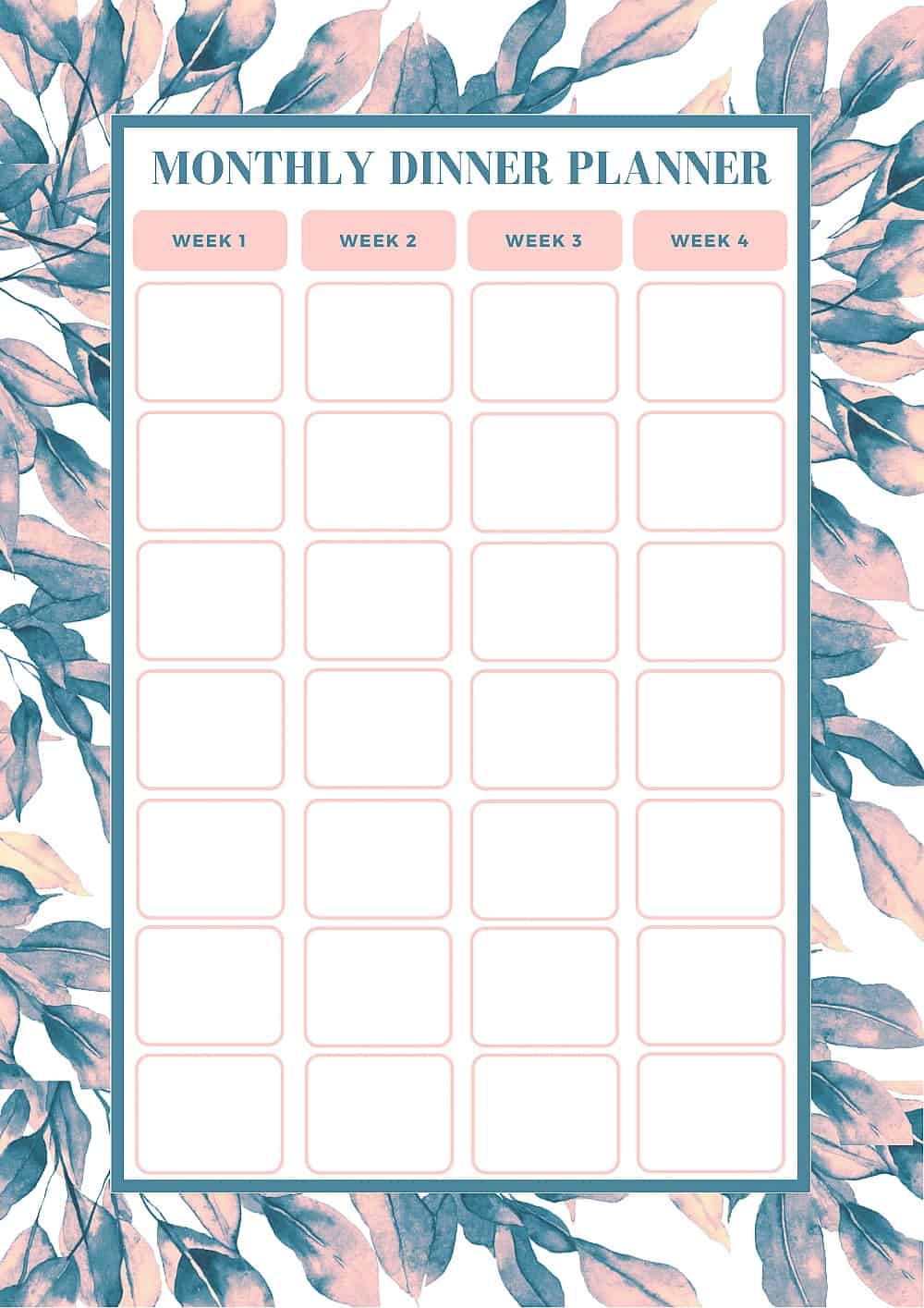
Are you tired of the daily struggle of deciding what to cook for your meals? Do you find yourself constantly running to the grocery store because you forgot an ingredient for a recipe? If so, a monthly meal planner might be the solution to your mealtime woes. By taking the time to plan out your meals for an entire month, you can save time, money, and stress in the kitchen. In this article, we will explore the benefits of using a monthly meal planner, what to include in your planning, how to create an effective meal plan, and tips for successful meal planning.
What is a Monthly Meal Planner?
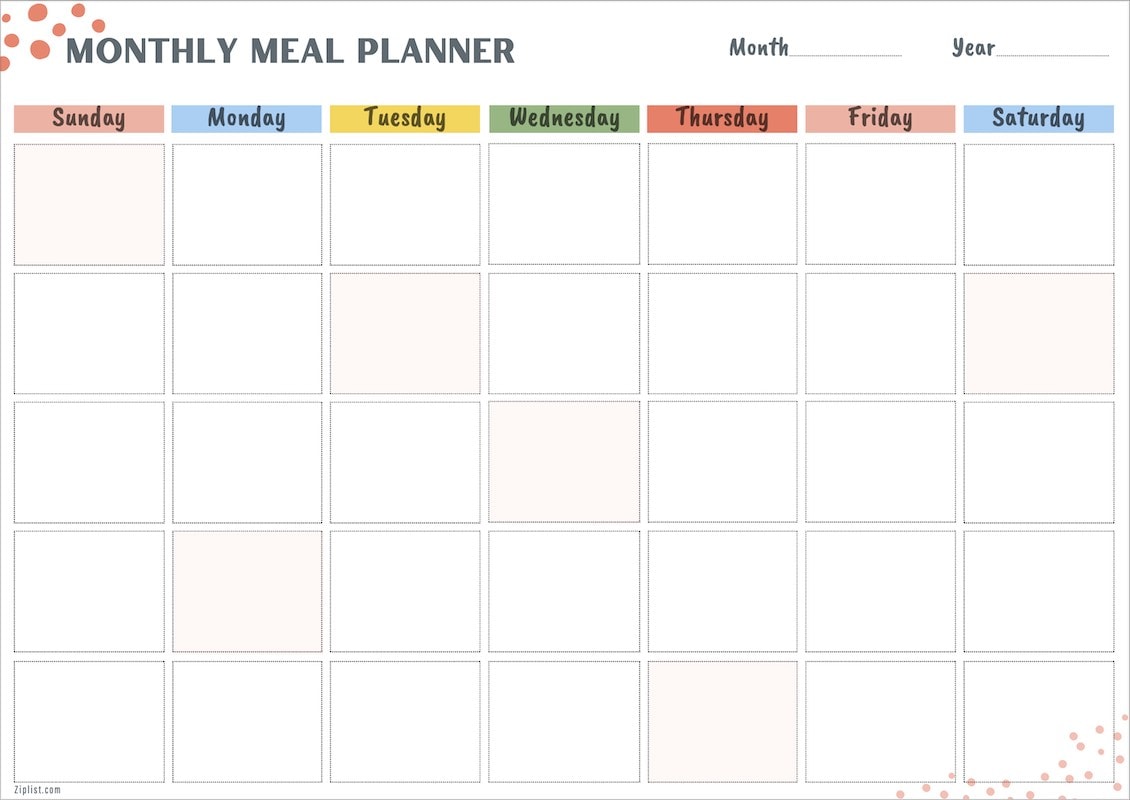
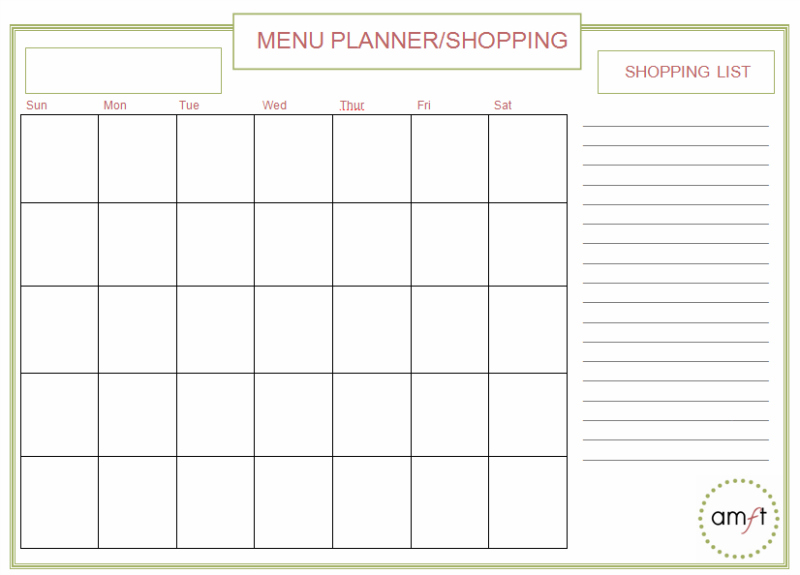
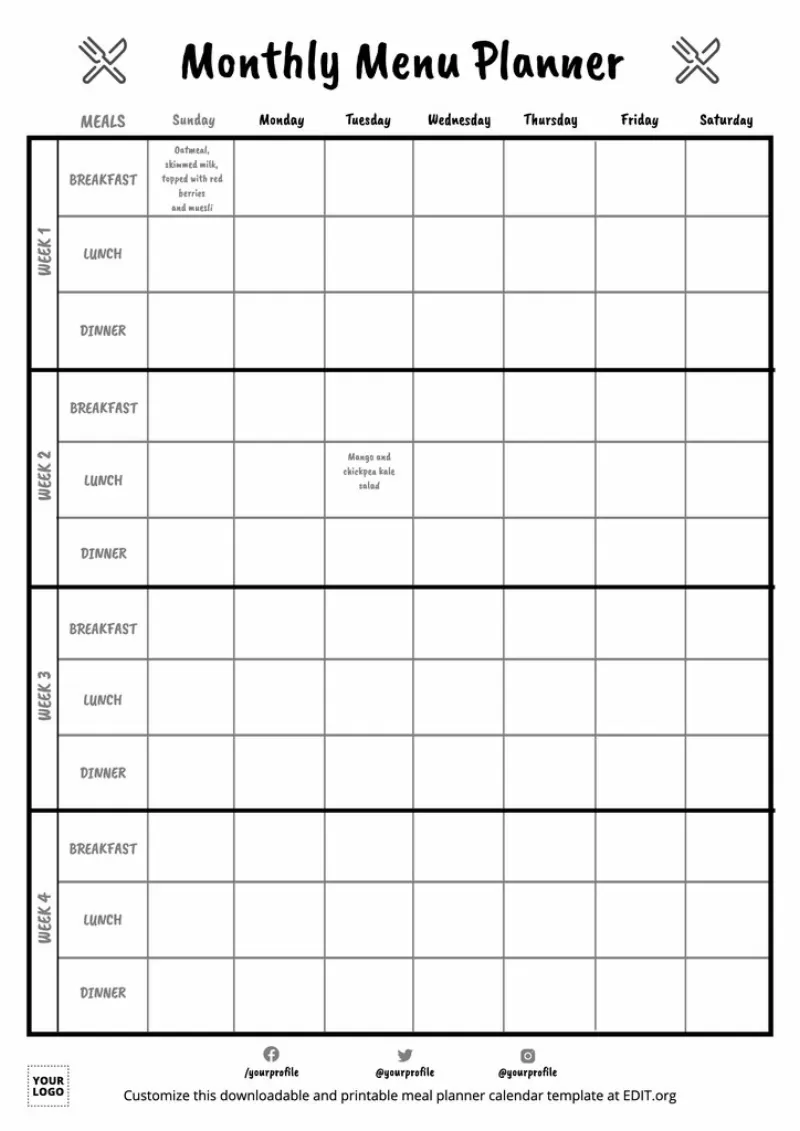
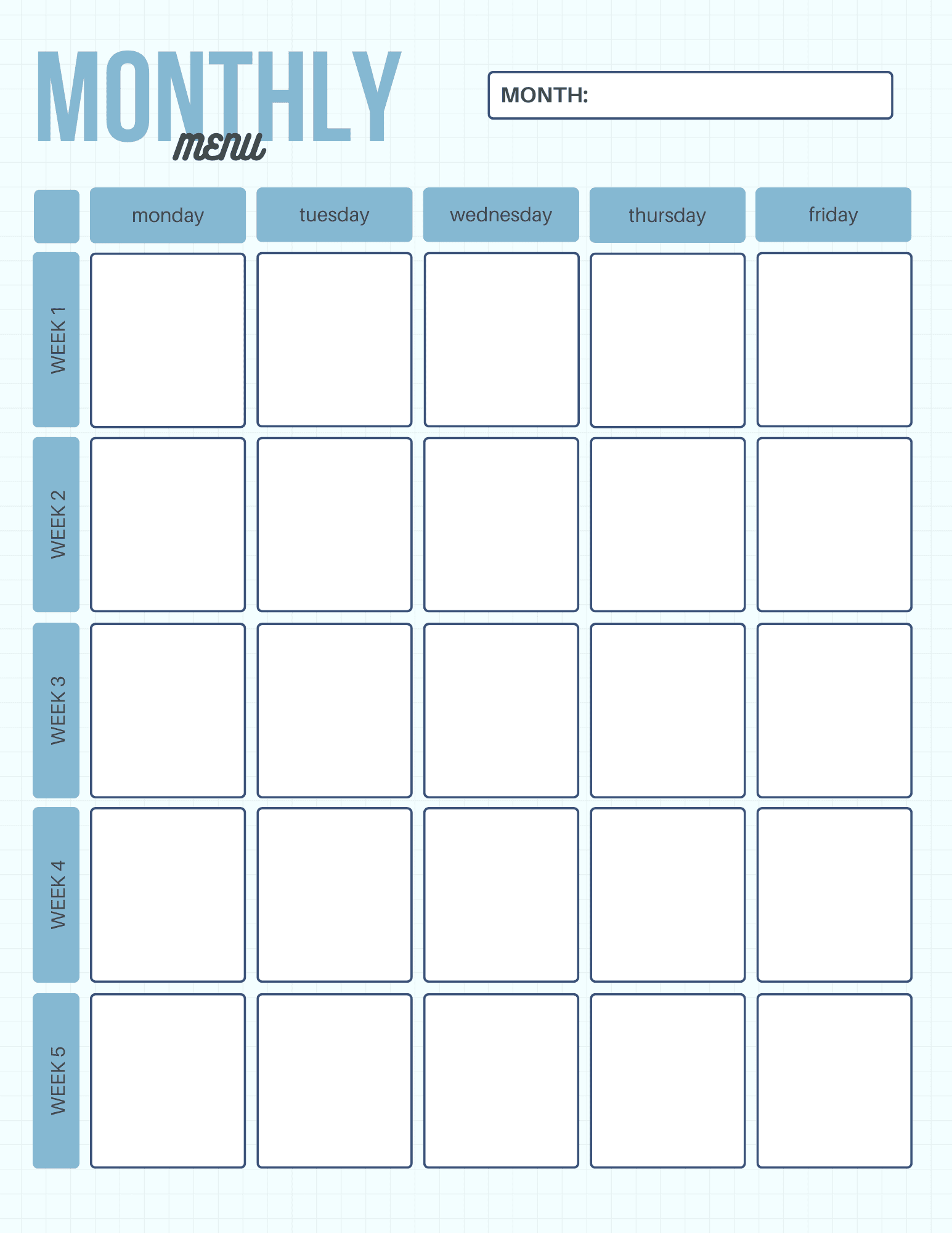
A monthly meal planner is a tool that helps you organize and plan out your meals for an entire month. It typically consists of a calendar or template where you can jot down what you plan to eat for breakfast, lunch, and dinner each day. By having a clear plan in place, you can streamline your grocery shopping, save money by buying only what you need, and reduce food waste. Additionally, meal planning can help you make healthier food choices and stick to a budget.
Why Use a Monthly Meal Planner?
Meal planning has numerous benefits, including:
- Save Time: With a monthly meal planner, you can spend less time each day trying to figure out what to cook.
- Save Money: By planning your meals in advance, you can make a grocery list and stick to it, avoiding impulse purchases.
- Reduce Stress: Knowing what you will be cooking each day can reduce the stress of mealtime decision-making.
- Eat Healthier: Meal planning allows you to incorporate a variety of nutritious foods into your diet.
- Eliminate Waste: By planning your meals, you can use up ingredients before they go bad, reducing food waste.
What to Include in Your Monthly Meal Planner
When creating your monthly meal planner, consider the following factors:
- Family Preferences: Take into account the preferences and dietary restrictions of everyone in your household.
- Seasonal Ingredients: Plan meals around seasonal produce to maximize freshness and flavor.
- Variety: Include a mix of cuisines, flavors, and cooking methods to keep things interesting.
- Budget: Consider your budget when planning meals to avoid overspending.
How to Create an Effective Meal Plan
Creating an effective meal plan involves several steps:
1. Set Aside Time: Dedicate a specific time each month to sit down and plan out your meals.
2. Consider Your Schedule: Take into account any events or commitments that may affect your meal planning.
3. Plan for Leftovers: Incorporate leftovers into your meal plan to reduce cooking time on busy days.
4. Be Flexible: Leave room for last-minute changes or substitutions in your meal plan.
5. Shop Smart: Use your meal plan to create a detailed grocery list and stick to it when shopping.
Tips for Successful Meal Planning
To make the most of your monthly meal planner, consider the following tips:
- Batch Cook: Prepare large batches of meals and freeze them for quick and easy dinners.
- Use Theme Nights: Designate certain nights for specific types of cuisine, such as Taco Tuesday or Pasta Night.
- Involve Your Family: Get input from family members when planning meals to ensure everyone is satisfied.
- Stay Organized: Keep your meal planner in a visible location, such as on the fridge, to stay on track with your plan.
- Experiment: Don’t be afraid to try new recipes and ingredients to keep things exciting in the kitchen.
In conclusion, a monthly meal planner can be a valuable tool for simplifying your mealtime routine and making healthier choices. By taking the time to plan out your meals in advance, you can save time, money, and stress in the kitchen. Whether you are a seasoned meal planner or new to the concept, following these tips and guidelines can help you make the most of your monthly meal planner and enjoy delicious, home-cooked meals every day.
