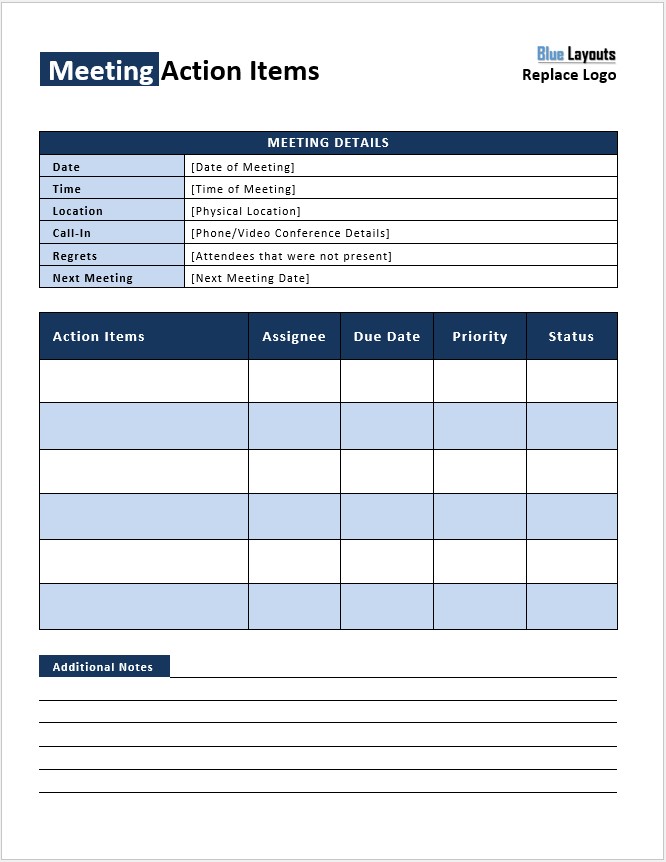
Are you tired of attending meetings that seem to drag on forever with no clear outcomes? Do you often leave meetings wondering what was even discussed, let alone what needs to be done next? If so, you’re not alone. Many people struggle with ineffective meetings that lack structure and accountability. That’s where meeting minutes with action items come in.
What are Meeting Minutes with Action Items?
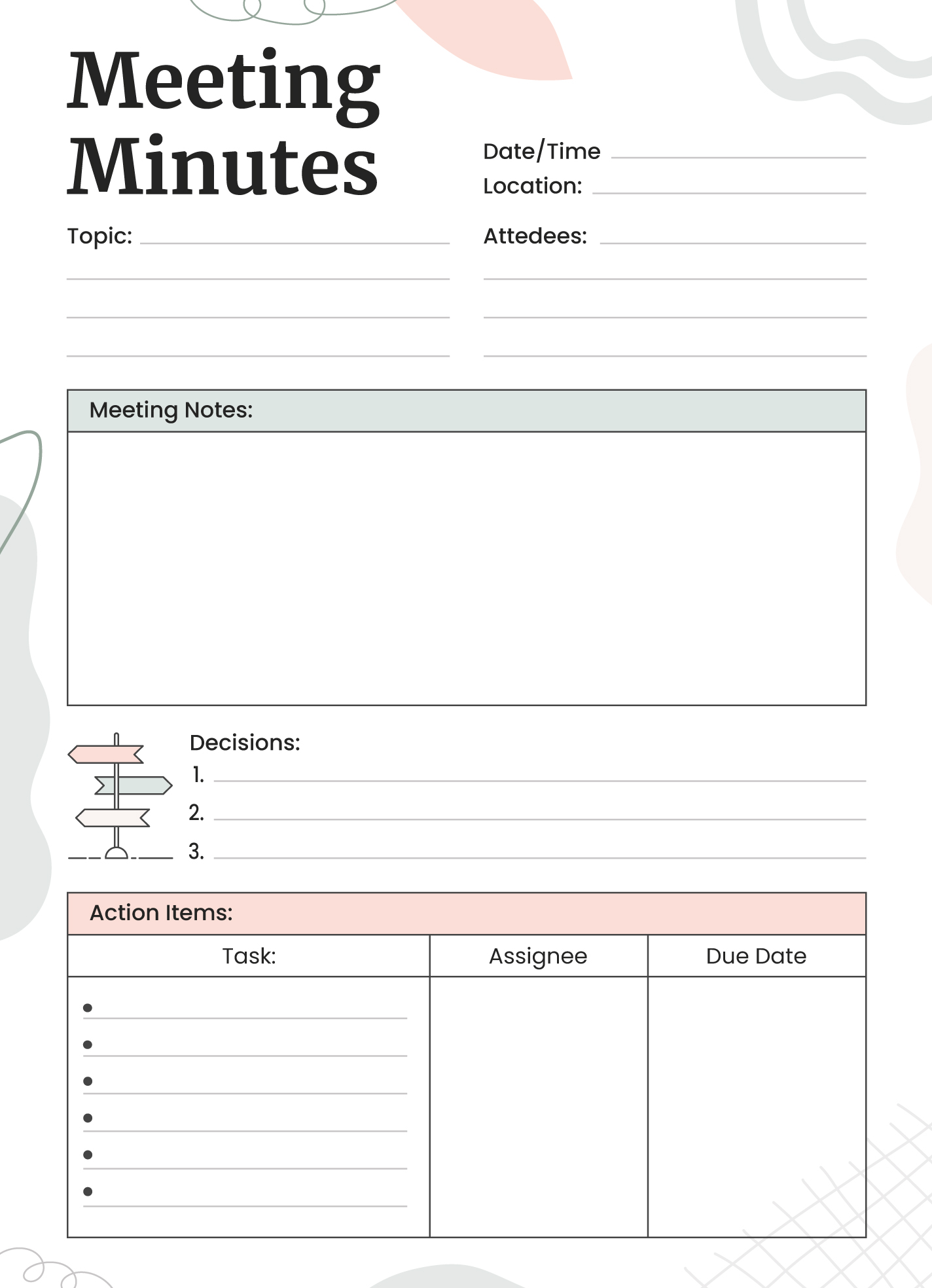
Meeting minutes with action items are a written record of what was discussed during a meeting, along with any decisions made and tasks assigned. They serve as a reference point for attendees to remember what was covered and what needs to be done next. Think of meeting minutes as a roadmap that guides the group towards achieving their goals and objectives.
What to Include in Meeting Minutes
Meeting minutes should include essential details to provide a comprehensive record of the meeting. Here are some key elements to include in meeting minutes with action items:
1. Meeting details
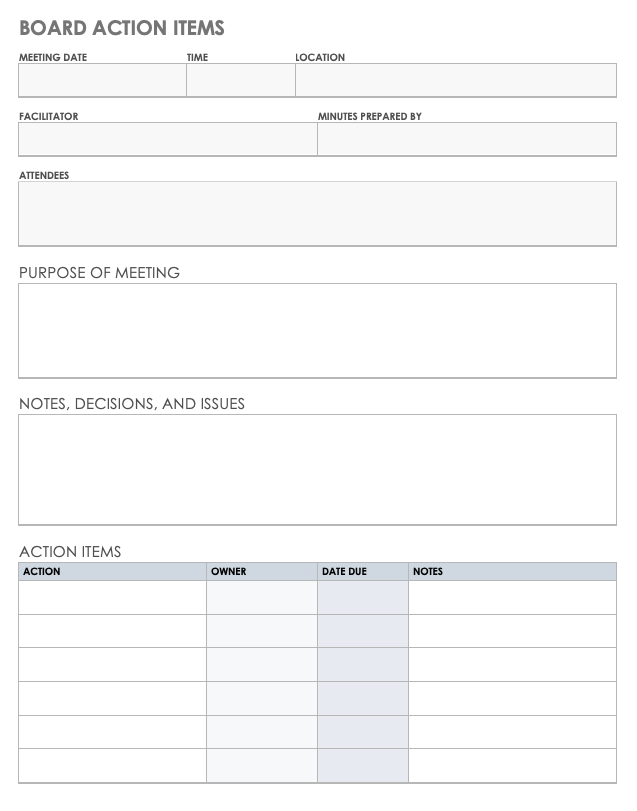
Include the date, time, and location of the meeting, as well as the names of attendees and absentees. This information helps provide context and accountability.
2. Agenda items
List the topics discussed during the meeting in the order they were addressed. Summarize key points and decisions made for each agenda item.
3. Action items
Clearly outline the tasks assigned during the meeting, including who is responsible for each task, the deadline, and any resources needed. Action items should be specific, measurable, achievable, relevant, and time-bound (SMART).
4. Decisions made
Document any decisions made during the meeting, along with the reasoning behind them. This helps ensure that everyone is on the same page and can refer back to the rationale behind the decisions.
5. Follow-up actions
Include any follow-up actions required after the meeting, such as sending out additional information, scheduling follow-up meetings, or conducting further research.
6. Next steps
Summarize the key takeaways from the meeting and outline the next steps to be taken. This helps provide clarity on what needs to be done moving forward.
7. Open items
Highlight any unresolved issues or topics that need further discussion or follow-up. This ensures that nothing is overlooked and helps track ongoing tasks.
8. Review and approval
End the meeting minutes with a review of key points and action items to ensure accuracy. Seek approval from attendees before finalizing and distributing the meeting minutes.
9. Attachments
Include any relevant attachments, such as presentations, reports, or documents discussed during the meeting. This provides additional context and reference for attendees.
How to Distribute Meeting Minutes
Once meeting minutes with action items are finalized, it’s essential to distribute them promptly to all attendees. This ensures that everyone is aware of their responsibilities and can track progress. Here are some tips for successful distribution of meeting minutes:
- Send out promptly: Distribute meeting minutes within 24-48 hours of the meeting to ensure that discussions are fresh in attendees’ minds.
- Use a consistent format: Maintain a standardized format for meeting minutes to make it easy for attendees to find information quickly.
- Follow up on action items: Include a reminder of action items and deadlines in the meeting minutes to help keep attendees accountable.
- Solicit feedback: Encourage attendees to provide feedback on the meeting minutes to identify areas for improvement and ensure clarity.
- Archive for reference: Keep a record of meeting minutes in a centralized location for easy reference and future audits.
Tips for Successful Meetings
Incorporating meeting minutes with action items into your meetings can help improve communication, accountability, and productivity. Here are some additional tips for successful meetings:
- Set clear objectives: Define the purpose of the meeting and establish clear goals to guide the discussion.
- Stick to the agenda: Follow the agenda to stay on track and avoid going off on tangents.
- Encourage participation: Create a collaborative environment where all attendees feel comfortable sharing their thoughts and ideas.
- Assign roles: Delegate specific roles, such as timekeeper or note-taker, to ensure that meetings run smoothly.
- Review action items: Begin each meeting by reviewing action items from the previous meeting to track progress and ensure follow-through.
By implementing meeting minutes with action items and following these best practices, you can make your meetings more effective, efficient, and impactful. So, the next time you find yourself in a meeting, remember the importance of capturing key points and action items to drive progress and achieve your goals.
Meeting Minutes Template with Action Items
