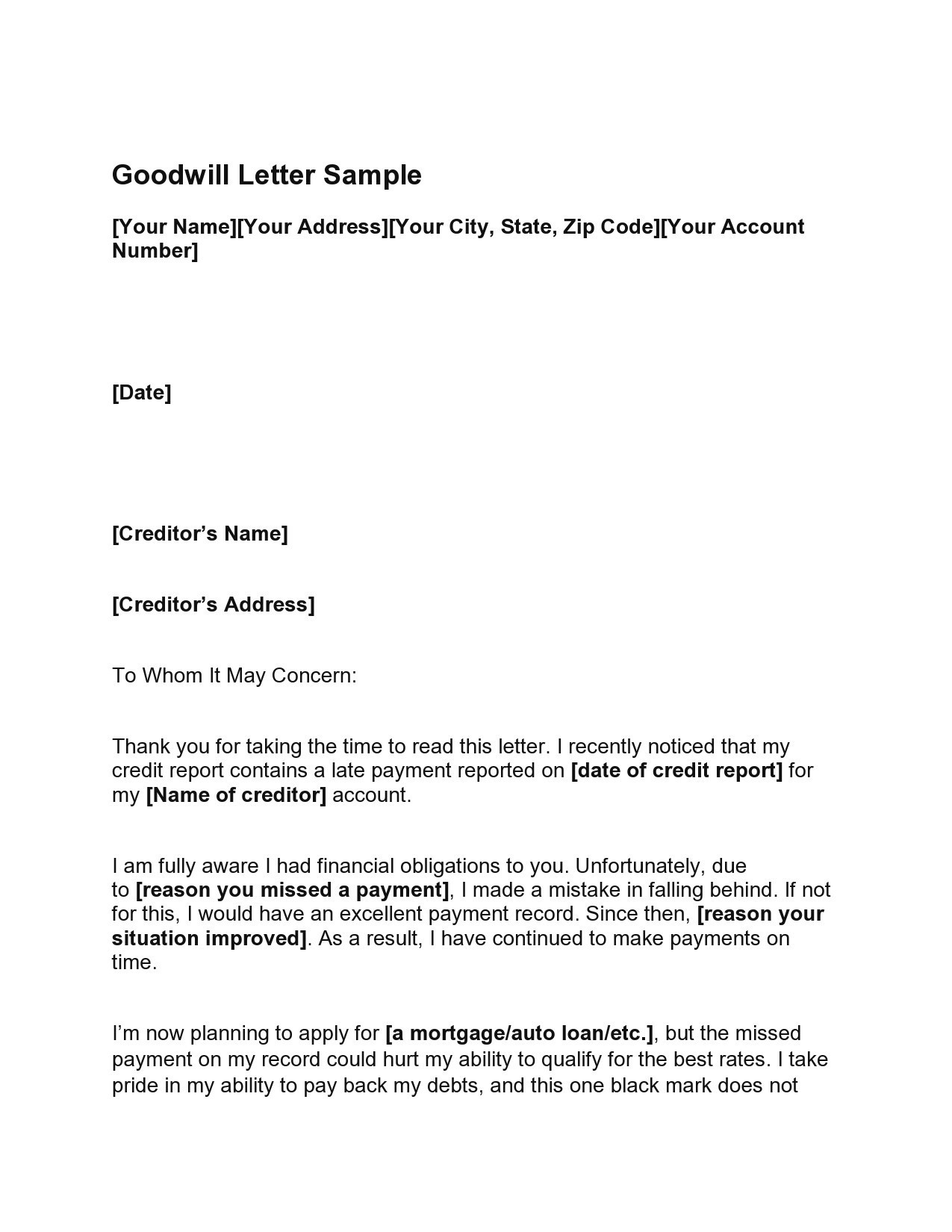
Have you ever found yourself in a situation where you needed to mend a relationship or rectify a mistake? A letter of goodwill may be just the tool you need to bridge that gap and express your sincerity. In today’s fast-paced world, where communication often lacks a personal touch, a letter of goodwill can make all the difference in conveying your heartfelt sentiments. Let’s delve into what a letter of goodwill is, why it is important, what to include in one, how to write one effectively, and some tips for crafting a successful letter.
What is a Letter of Goodwill?
A letter of goodwill is a written communication that aims to repair a strained relationship, express regret, extend an apology, or simply convey positive sentiments. It is not a legal document, but rather a heartfelt message that seeks to make amends or show appreciation. Whether you are seeking forgiveness, expressing gratitude, or simply reaching out to someone, a letter of goodwill can be a powerful tool in conveying your emotions.
Why Write a Letter of Goodwill?
There are several reasons why writing a letter of goodwill can be beneficial. Firstly, it allows you to express your thoughts and feelings thoughtfully and deliberately. In a world dominated by digital communication, taking the time to craft a handwritten or typed letter can show the recipient that you truly care. Additionally, a letter of goodwill can help mend broken relationships, clear misunderstandings, and pave the way for reconciliation. It can also serve as a gesture of goodwill that can leave a lasting impression on the recipient.
What to Include in a Letter of Goodwill
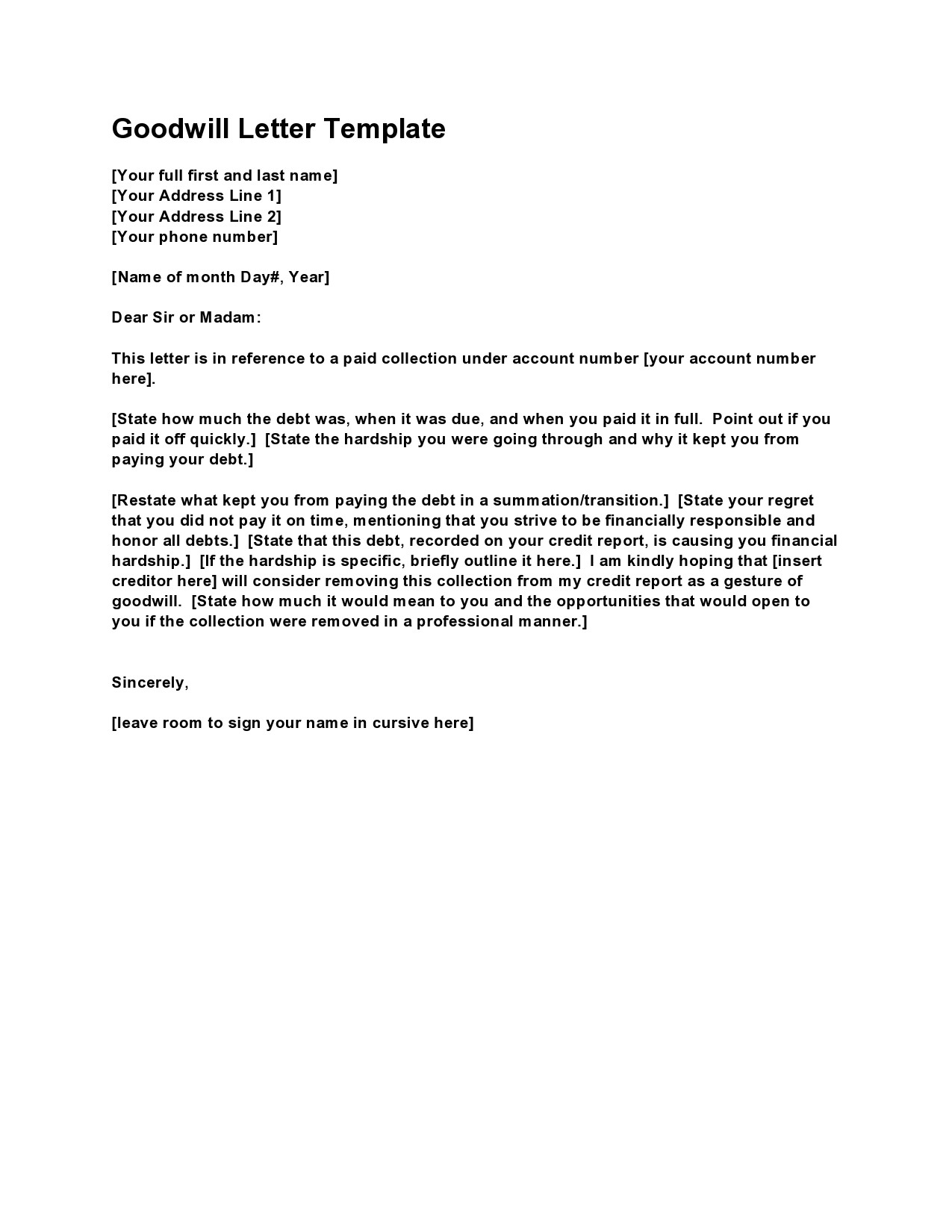
When writing a letter of goodwill, it is important to be sincere, empathetic, and specific. Here are some key elements to include in your letter:
- Express Your Intent: Clearly state the purpose of your letter and what you hope to achieve.
- Acknowledge the Situation: Recognize any mistakes or misunderstandings that may have occurred.
- Apologize if Necessary: If you are at fault, offer a genuine apology for any harm caused.
- Express Your Feelings: Share your emotions and thoughts openly and honestly.
- Offer Solutions: If applicable, suggest ways to resolve any issues or move forward positively.
- Show Appreciation: Express gratitude for the recipient’s time, understanding, or support.
How to Write a Letter of Goodwill
Writing a letter of goodwill requires careful thought and consideration. Here are some tips to help you craft an effective letter:
- Choose the Right Tone: Tailor your tone to match the nature of your relationship with the recipient.
- Be Concise and Clear: Keep your letter focused and to the point, avoiding unnecessary details or explanations.
- Use Personalized Language: Make the letter feel personal by using the recipient’s name and specific details relevant to your relationship.
- Proofread Carefully: Check for any spelling or grammatical errors to ensure your message comes across clearly.
- Consider Handwritten Touches: If possible, consider handwriting the letter for an added personal touch.
Tips for Successful Letters of Goodwill
Crafting a successful letter of goodwill involves more than just putting words on paper. Here are some additional tips to help you make your letter impactful:
- Be Genuine: Authenticity is key when expressing your emotions and intentions.
- Listen and Respond: Consider the recipient’s perspective and respond accordingly in your letter.
- Follow Up: After sending the letter, follow up with the recipient to ensure they received it and discuss any next steps.
- Stay Positive: Focus on the positive aspects of your relationship and the potential for reconciliation or growth.
- Seek Professional Help: If the situation calls for it, consider seeking guidance from a counselor or mediator to facilitate communication.
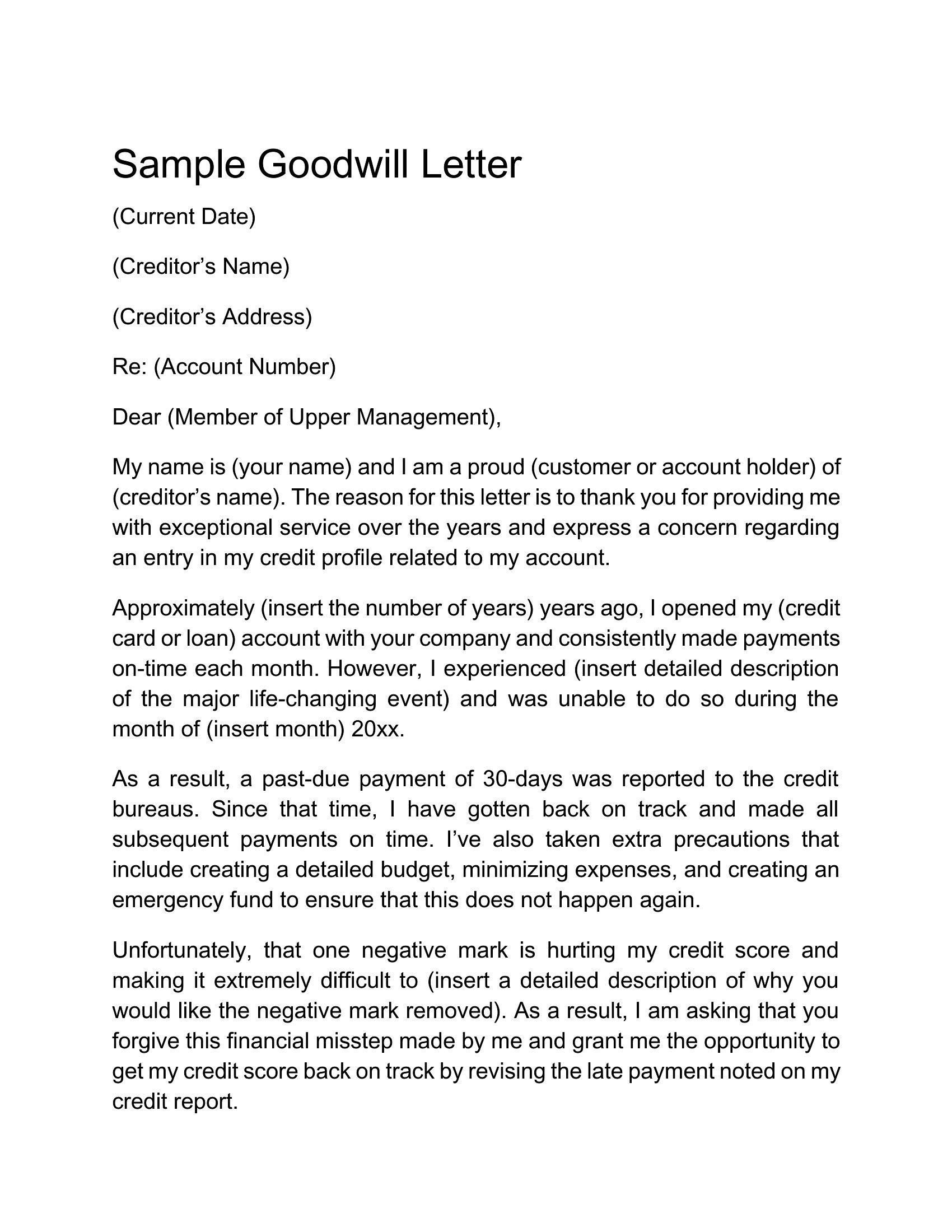
In conclusion, a letter of goodwill can be a powerful tool for expressing emotions, repairing relationships, and fostering positive interactions. By taking the time to craft a thoughtful and sincere letter, you can make a lasting impact on the recipient and pave the way for open communication and understanding. So the next time you find yourself in need of reaching out to someone, consider the power of a letter of goodwill.
