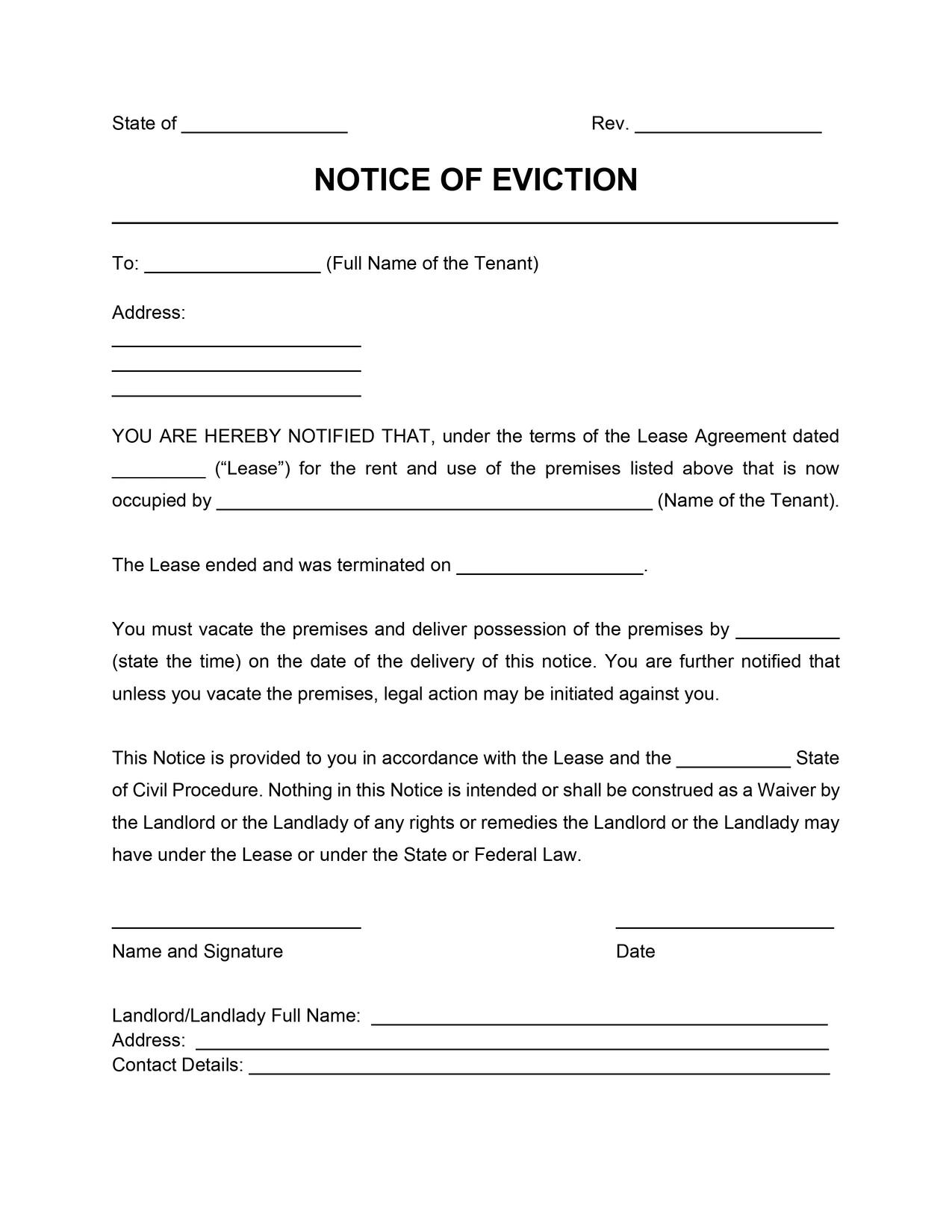
Eviction notices can be a daunting and stressful experience for both tenants and landlords. Understanding the ins and outs of eviction notices can help alleviate some of the anxiety surrounding the process. In this comprehensive guide, we will delve into what eviction notices are, why they are issued, what to include in an eviction notice, how to properly serve an eviction notice, and tips for navigating the eviction process.
What is an Eviction Notice?
An eviction notice is a formal written document that notifies a tenant that they are required to vacate a rental property within a specified timeframe. Eviction notices are typically issued by landlords or property management companies when a tenant has violated the terms of their lease agreement, such as failing to pay rent or causing damage to the property.
Eviction notices serve as a legal warning to tenants that they must remedy the violation or face potential legal action to remove them from the property. Each state has specific laws governing the eviction process, including the proper procedures for issuing and serving eviction notices.
Why are Eviction Notices Issued?
Eviction notices are issued for various reasons, including but not limited to:
– Non-payment of rent
– Violation of lease terms
– Property damage
– Illegal activities on the premises
– Nuisance behavior
– Holdover tenancy (remaining in the property after the lease has ended)
Landlords have the right to issue eviction notices when tenants breach their lease agreements or fail to comply with rental terms. Eviction notices are the first step in the legal eviction process and provide tenants with an opportunity to address the issue before facing eviction proceedings in court.
What to Include in an Eviction Notice
An eviction notice should include specific details about the violation or reason for eviction, the date by which the tenant must vacate the property, and any actions the tenant can take to remedy the situation. Additionally, an eviction notice should outline the consequences of failing to comply with the notice, such as legal action to remove the tenant from the property.
When drafting an eviction notice, it is essential to follow the legal requirements outlined by state laws to ensure the notice is valid and enforceable. Including the correct information in the eviction notice can help protect landlords from potential legal challenges during the eviction process.
How to Properly Serve an Eviction Notice
Properly serving an eviction notice is crucial to initiating the eviction process. Landlords must adhere to state-specific laws regarding the serving of eviction notices, including the method of delivery and timeframe for compliance.
In most cases, eviction notices can be served in person to the tenant or posted on the rental property’s door. Some states may require additional steps, such as sending a copy of the notice via certified mail or hiring a process server to deliver the notice personally.
Tips for Navigating the Eviction Process
Navigating the eviction process can be complex and time-consuming. Here are some tips to help landlords and tenants navigate the eviction process effectively:
- Seek Legal Advice: Consult with a real estate attorney to understand your rights and obligations during the eviction process.
- Communicate Clearly: Maintain open communication with the other party to resolve issues amicably whenever possible.
- Document Everything: Keep detailed records of all correspondence, payments, and interactions related to the eviction process.
- Follow State Laws: Familiarize yourself with the eviction laws in your state to ensure compliance throughout the process.
- Stay Organized: Keep all eviction-related documents and evidence in a safe and easily accessible location.
- Consider Mediation: Explore the option of mediation to resolve disputes outside of court and reach a mutually acceptable solution.
- Act Promptly: Take swift action when addressing violations or non-compliance to prevent further issues from arising.
Conclusion
In conclusion, eviction notices are a critical component of the eviction process that provide tenants with an opportunity to address lease violations and comply with rental terms. Understanding the purpose of eviction notices, what to include in them, and how to properly serve them can help both landlords and tenants navigate the eviction process more effectively. By following state laws, seeking legal advice, and maintaining clear communication, landlords and tenants can resolve eviction disputes in a timely and lawful manner. Remember, eviction notices are a legal tool that should be handled with care and diligence to protect the rights of both parties involved.
