Exercise planning is a crucial aspect of achieving fitness goals and maintaining a healthy lifestyle. Whether you are a beginner looking to start a workout routine or a seasoned athlete aiming to improve performance, having a well-thought-out exercise plan is essential.
In this article, we will delve into the what, why, and how of exercise planning, as well as provide tips on how to create an effective and sustainable workout regimen.
What is Exercise Planning?
Exercise planning involves creating a structured schedule of physical activities to help you reach your fitness goals. This plan typically includes details such as the type of exercises to be performed, the frequency of workouts, duration of each session, and specific goals to be achieved. By outlining these key elements, exercise planning helps you stay organized, motivated, and on track towards achieving your desired results.
Why is Exercise Planning Important?
Effective exercise planning is essential for several reasons. Firstly, it helps you set clear and achievable fitness goals, whether it be weight loss, muscle gain, or overall health improvement. Having a well-defined plan also ensures that you are making progress towards your goals and not wasting time on ineffective or random workouts. Additionally, exercise planning helps prevent burnout, injury, and plateaus by incorporating variety, progression, and rest days into your routine.
What to Include in Your Exercise Plan
When creating an exercise plan, there are several key components to consider:
- Fitness Goals: Clearly define your objectives, whether it be weight loss, strength building, endurance training, or overall health improvement.
- Exercise Selection: Choose a variety of exercises that target different muscle groups and incorporate cardiovascular, strength training, flexibility, and mobility exercises.
- Frequency: Determine how often you will work out per week, keeping in mind the balance between challenging yourself and allowing for adequate rest and recovery.
- Duration: Plan the length of each workout session based on your fitness level, goals, and schedule.
- Progression: Gradually increase the intensity, duration, or frequency of your workouts to continue challenging your body and seeing improvements.
- Rest Days: Schedule regular rest days to allow your muscles time to recover and prevent overtraining.
How to Create an Effective Exercise Plan
Now that you know what to include in your exercise plan, here are some steps to help you create a comprehensive and effective workout regimen:
1. Assess Your Current Fitness Level
Before starting your exercise plan, it is important to assess your current fitness level to determine your strengths, weaknesses, and areas for improvement. This will help you set realistic goals and tailor your workouts to suit your abilities.
2. Set Specific and Measurable Goals
Define clear and achievable fitness goals that are specific, measurable, and time-bound. Whether it be losing a certain amount of weight, increasing muscle mass, or improving endurance, having concrete objectives will keep you motivated and focused.
3. Choose Appropriate Exercises
Select a variety of exercises that target different muscle groups and cater to your fitness goals. Include cardiovascular activities, strength training exercises, flexibility workouts, and functional movements to ensure a well-rounded workout routine.
4. Create a Structured Workout Schedule
Plan out your weekly workout schedule, including the type of exercises to be performed, the duration of each session, and any specific goals or targets for each workout. Be sure to include rest days for recovery and muscle repair.
5. Monitor Your Progress
Track your progress by keeping a workout journal, recording your exercise sessions, tracking your weight, measurements, and performance improvements. Regularly assess your progress and make adjustments to your plan as needed to continue challenging yourself.
6. Listen to Your Body
Pay attention to how your body responds to exercise and make adjustments to your plan accordingly. If you experience pain, fatigue, or lack of progress, consider modifying your workouts, incorporating more rest days, or seeking guidance from a fitness professional.
7. Stay Consistent and Flexible
Consistency is key to seeing results with your exercise plan. Stay committed to your workouts, but also be flexible and willing to adapt your plan based on your progress, changing goals, or unforeseen circumstances. Remember that fitness is a journey, and it’s important to enjoy the process.
Conclusion
Exercise planning is a fundamental aspect of achieving fitness success and maintaining a healthy lifestyle. By creating a well-structured and tailored workout regimen, you can set yourself up for success, stay motivated, and see real results. Remember to assess your fitness level, set specific goals, choose appropriate exercises, create a structured schedule, monitor your progress, listen to your body, and stay consistent on your fitness journey. With proper planning and dedication, you can reach your fitness goals and enjoy the numerous benefits of regular exercise.
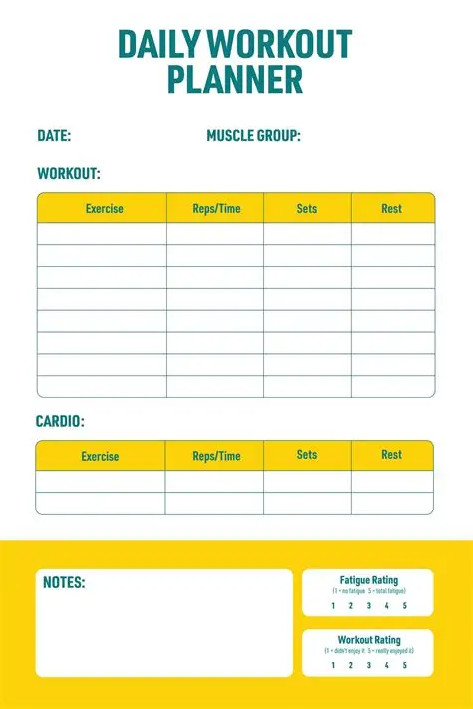
Exercise Planning Template – Download
