Gap analysis is a strategic tool used by businesses and organizations to assess the difference between their current performance and their desired future state. It involves identifying the gaps in various aspects of an organization’s operations, such as processes, skills, resources, and performance, to develop strategies for bridging those gaps. By conducting a thorough gap analysis, businesses can gain valuable insights into their strengths and weaknesses, as well as opportunities for improvement.
In this article, we will delve into the what, why, and how of gap analysis, and provide useful tips on how to effectively conduct this process.
What is Gap Analysis?
Gap analysis is a structured approach that helps organizations compare their current state with their desired future state. By identifying the gaps between the two, businesses can pinpoint areas that need improvement and develop strategies to achieve their goals.
This process involves gathering data, analyzing current performance metrics, setting benchmarks for success, and creating action plans to close the gaps. Gap analysis can be applied to various aspects of an organization, including processes, skills, resources, and performance.
Why Conduct Gap Analysis?
Gap analysis is essential for businesses and organizations looking to improve their overall performance and achieve their strategic objectives. By identifying gaps in key areas, organizations can make informed decisions about where to allocate resources, prioritize initiatives, and implement changes.
Gap analysis can also help businesses stay ahead of competitors, adapt to changing market conditions, and drive innovation. Ultimately, conducting a gap analysis enables organizations to create a roadmap for success and continuously improve their operations.
What to Include in a Gap Analysis?
When conducting a gap analysis, it is important to consider the following key components:
– Define the current state: Identify the current performance metrics, processes, and resources within the organization.
– Determine the desired future state: Establish clear goals and objectives that the organization aims to achieve.
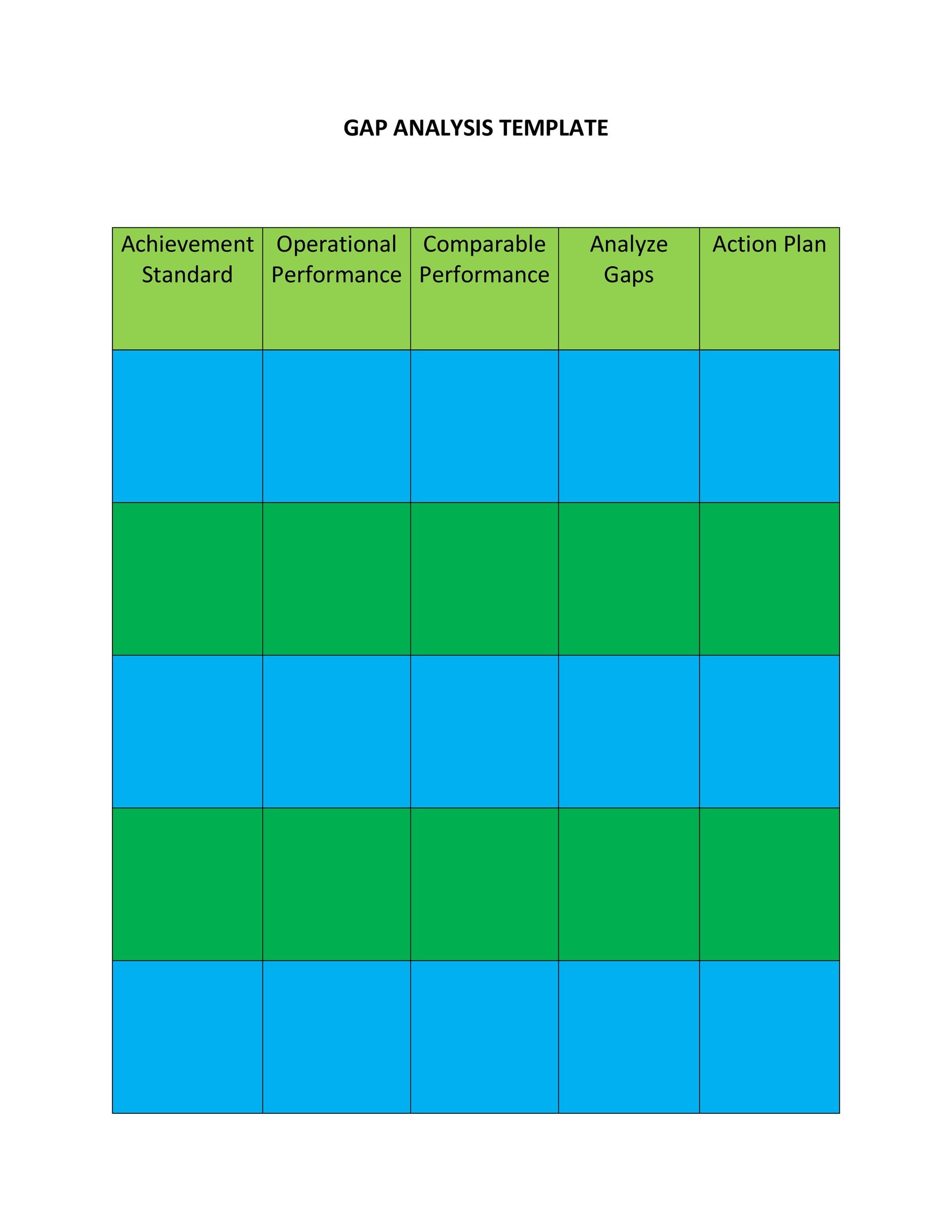
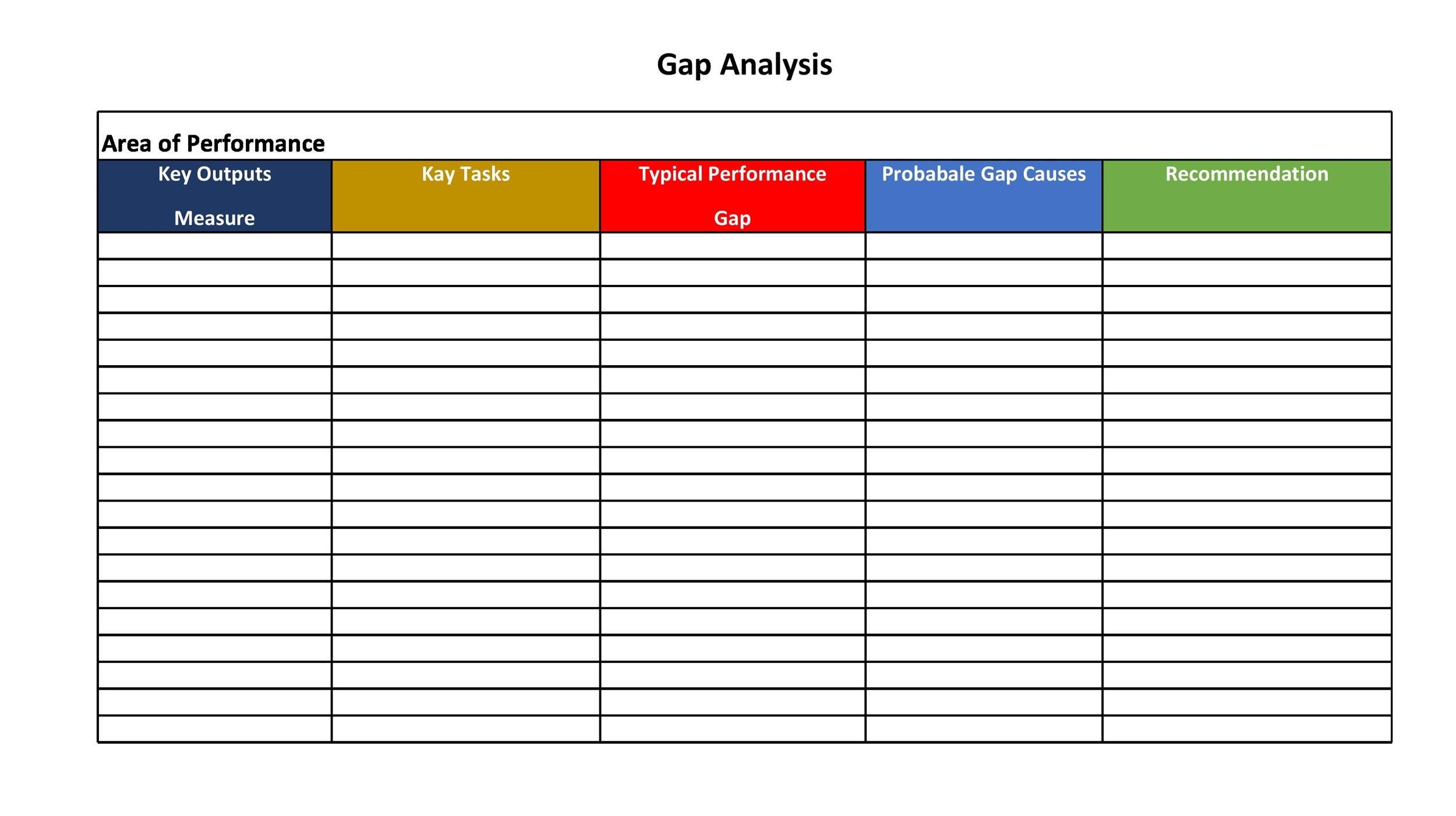
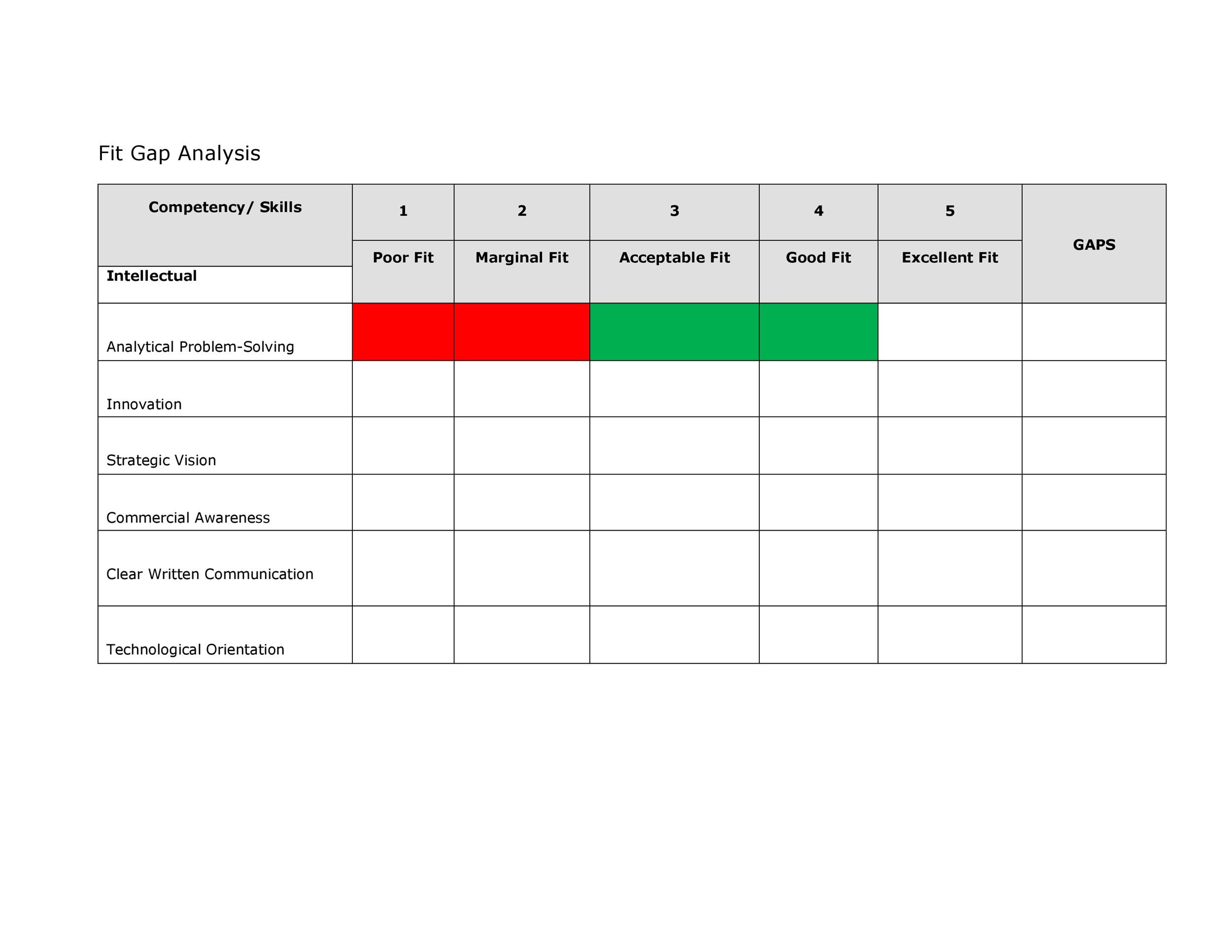
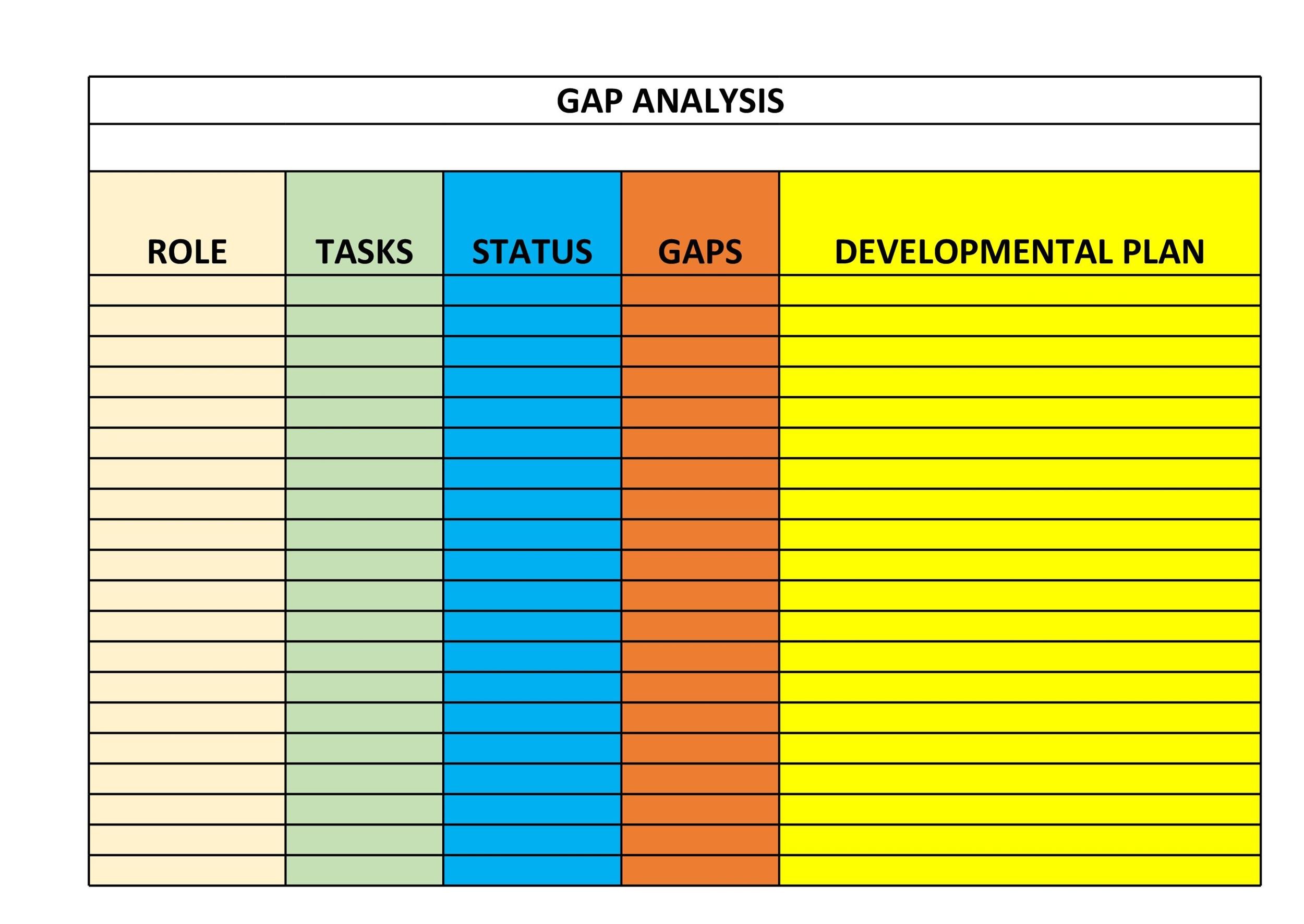
– Analyze the gaps: Compare the current state with the desired future state to identify areas of improvement.
– Develop an action plan: Create strategies and initiatives to bridge the gaps and achieve the desired outcomes.
– Implement changes: Execute the action plan, monitor progress, and make adjustments as needed.
– Evaluate results: Measure the effectiveness of the gap analysis process and determine the impact of closing the gaps.
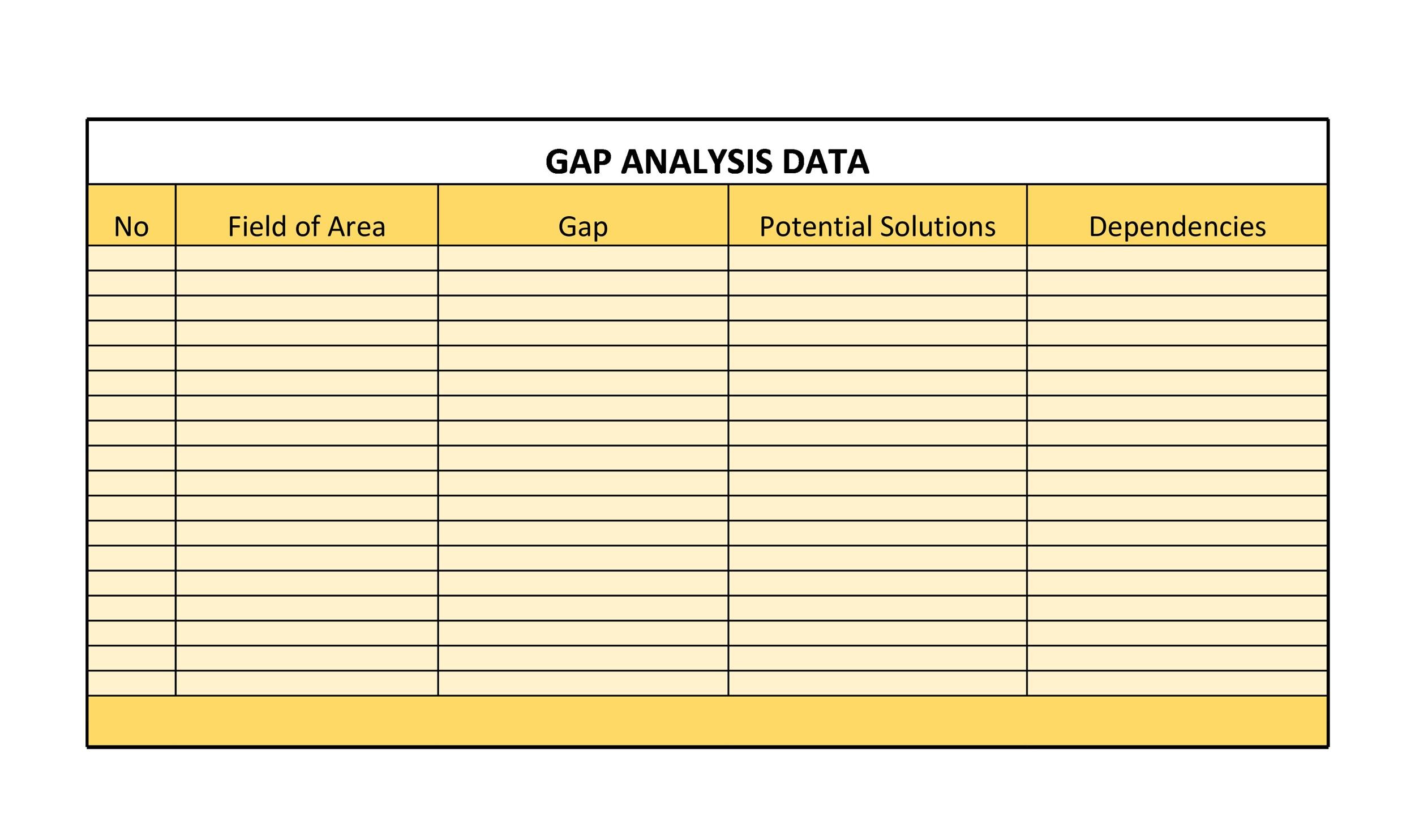
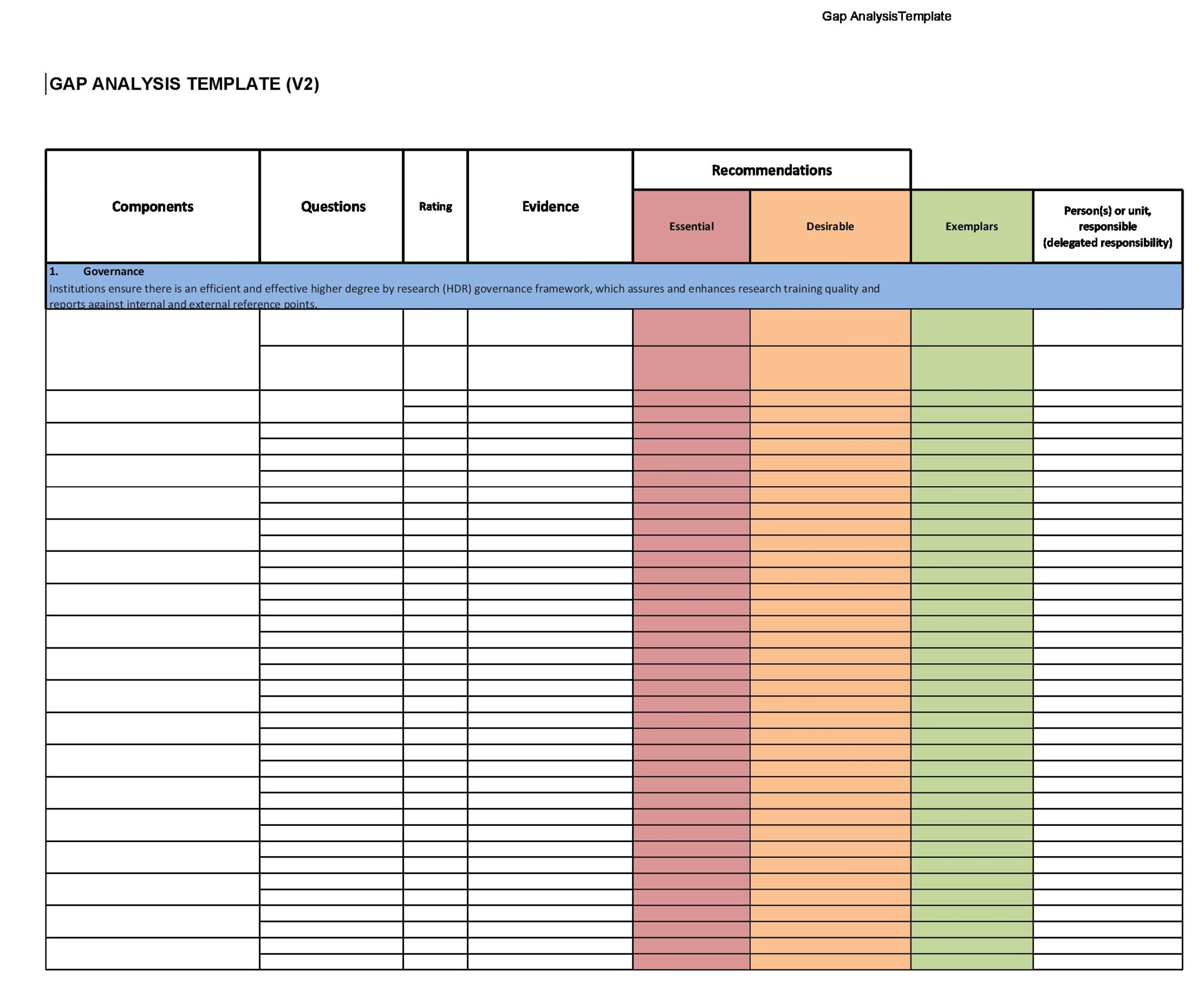
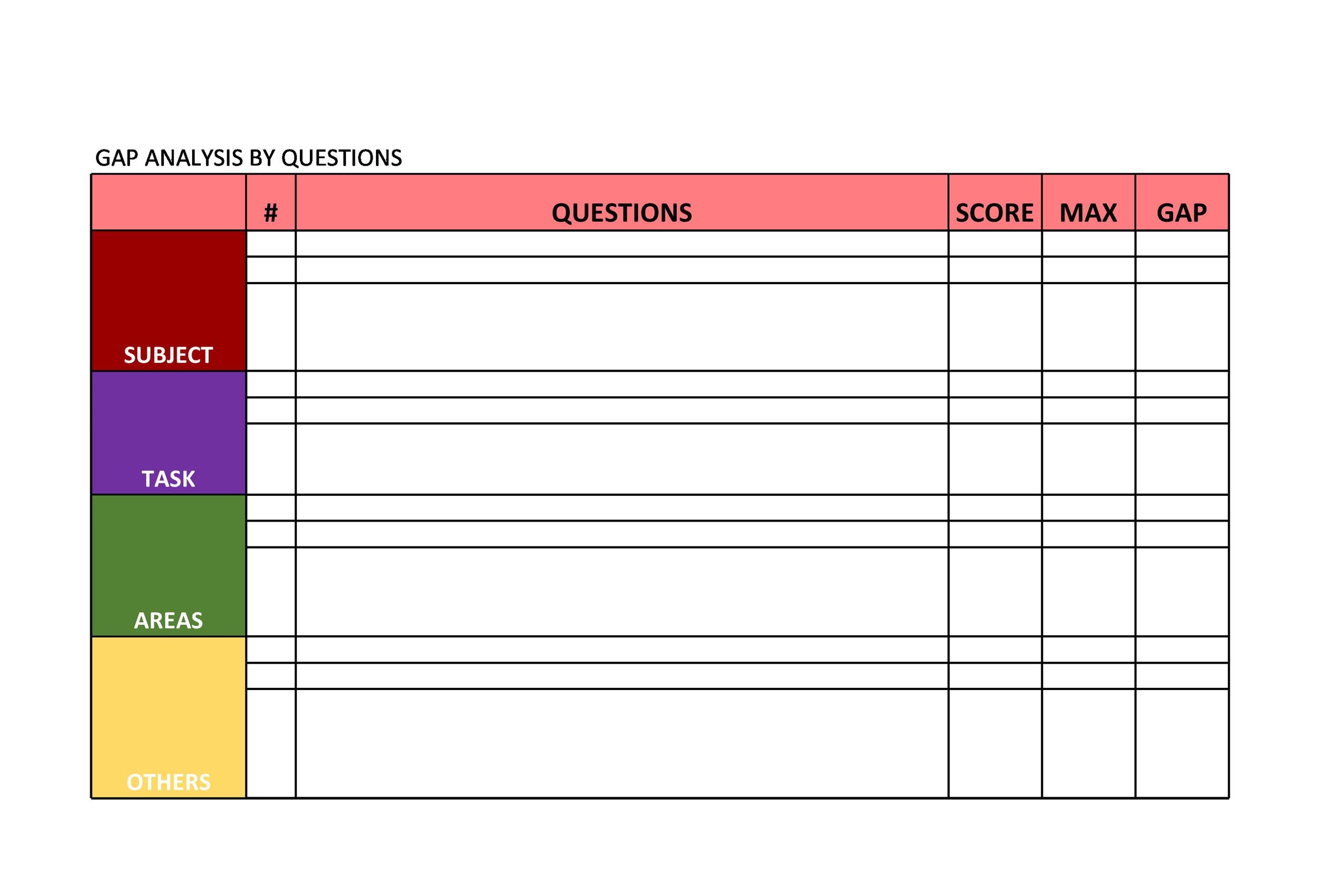
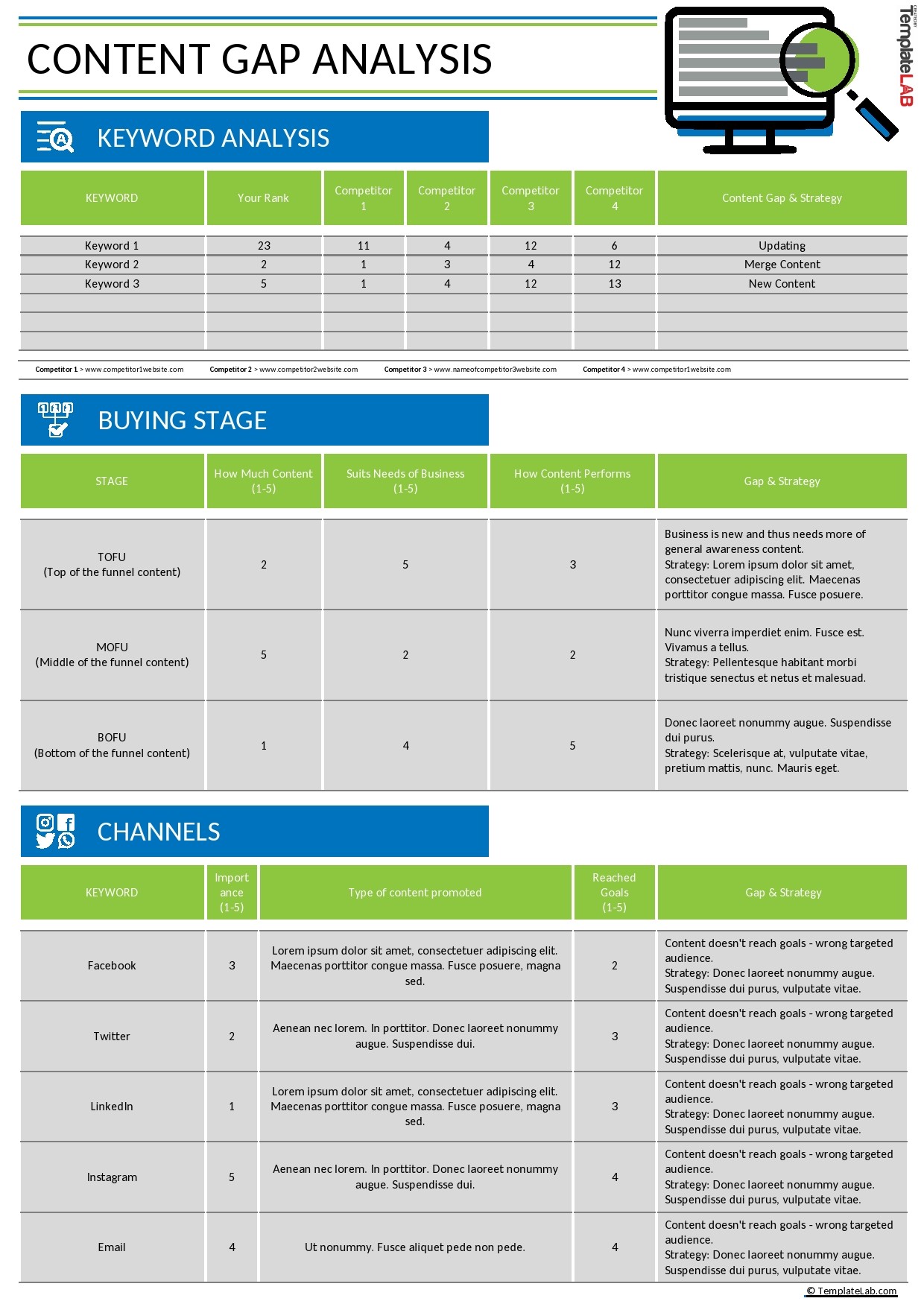
Examples
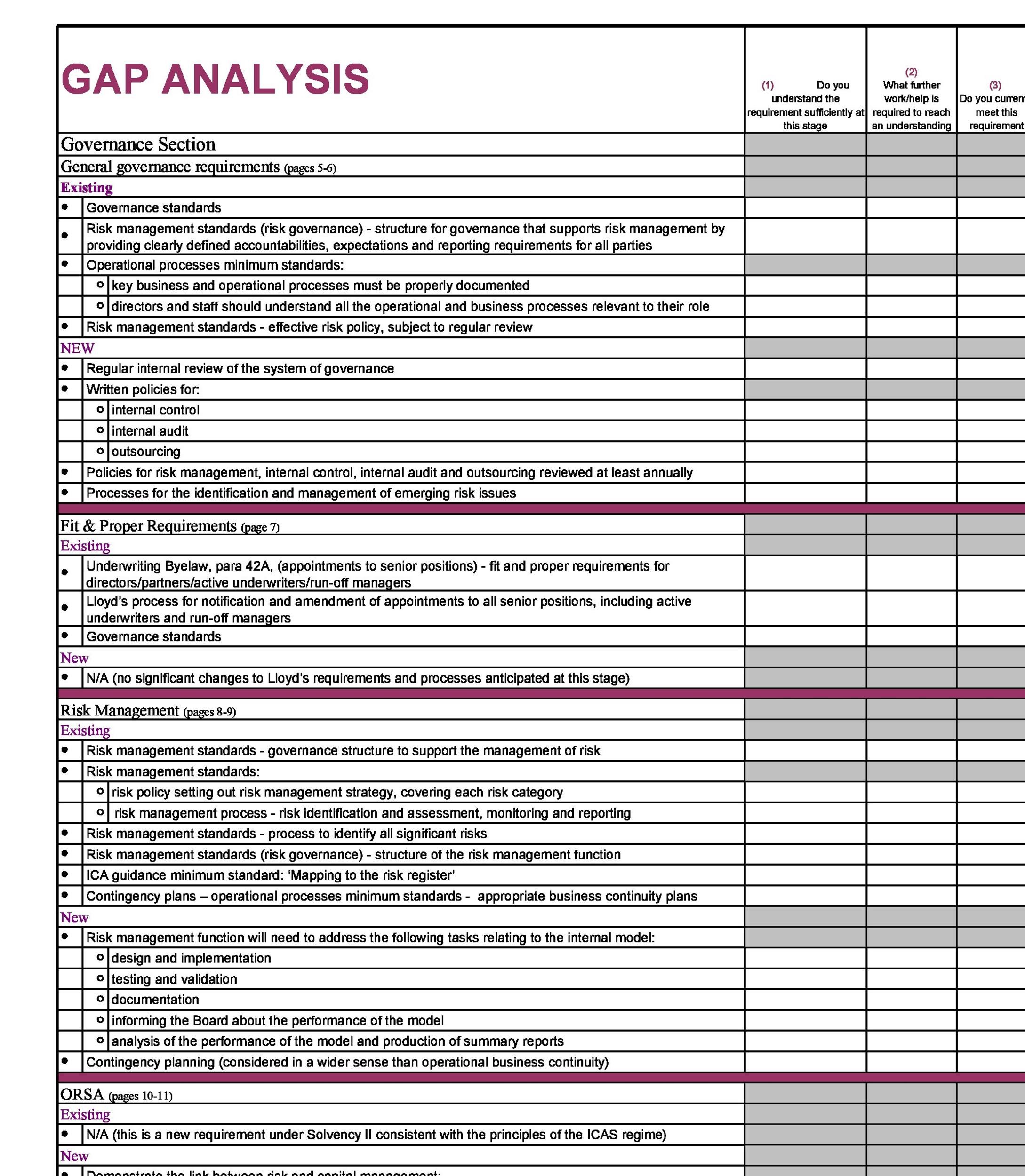
How to Conduct a Gap Analysis?
1. Identify the focus areas: Determine which aspects of the organization will be included in the gap analysis, such as processes, skills, resources, or performance.
2. Gather data: Collect relevant information, including performance metrics, market trends, customer feedback, and competitor analysis.
3. Analyze the data: Review the data to identify gaps between the current state and the desired future state.
4. Set goals and benchmarks: Establish clear goals, objectives, and benchmarks for success to guide the gap analysis process.
5. Develop an action plan: Create a detailed action plan with specific strategies, initiatives, and timelines for closing the gaps.
6. Implement changes: Execute the action plan, allocate resources, and monitor progress to ensure that the gaps are being addressed.
7. Evaluate results: Measure the outcomes of the gap analysis, track key performance indicators, and assess the impact of closing the gaps on the organization’s overall performance.
Tips for Effective Gap Analysis
– Involve key stakeholders: Engage employees, managers, and other stakeholders in the gap analysis process to gain diverse perspectives and insights.
– Use a variety of data sources: Gather data from multiple sources, including internal reports, customer feedback, industry benchmarks, and market research.
– Prioritize initiatives: Focus on addressing the most critical gaps first to maximize impact and achieve quick wins.
– Monitor progress: Regularly review and update the action plan, track progress against benchmarks, and adjust strategies as needed.
– Communicate findings: Share the results of the gap analysis with the organization, solicit feedback, and create transparency around the process.
– Continuously improve: Treat the gap analysis process as a continuous cycle of improvement, and use feedback to refine strategies and achieve long-term success.
In conclusion, gap analysis is a powerful tool that can help businesses and organizations identify areas for improvement, set strategic goals, and drive performance. By conducting a thorough gap analysis and following best practices, organizations can gain valuable insights, make informed decisions, and ultimately achieve success.
By implementing the tips outlined in this article, businesses can effectively conduct a gap analysis that leads to positive outcomes and sustainable growth.
Gap Analysis Template – Download
