Are you in the market for a contractor to help with your next home improvement project? If so, you may be familiar with the concept of a contractor proposal. But what exactly is a contractor proposal, and why is it important?
In this comprehensive guide, we will cover everything you need to know about contractor proposals, including what they are, why they matter, what to include in a proposal, how to create a winning proposal, and tips for successful proposal submission.
What is a Contractor Proposal?
A contractor proposal is a document that outlines the details of a potential construction or renovation project. It serves as a formal offer from a contractor to a client, detailing the scope of work, timeline, materials, and cost estimates. Essentially, a contractor proposal is a roadmap that guides the project from start to finish, ensuring that both parties are on the same page.
When it comes to hiring a contractor, having a well-written proposal is crucial. Not only does it provide clarity and transparency, but it also helps to protect both the client and the contractor in case of any disputes or misunderstandings down the line.
Why are Contractor Proposals Important?
Contractor proposals are important for several reasons. First and foremost, they help to establish clear expectations between the client and the contractor. By outlining the scope of work, timeline, and costs upfront, both parties can avoid misunderstandings and ensure that the project runs smoothly.
Additionally, contractor proposals serve as a legal document that can protect both parties in case of any disputes or disagreements. By clearly stating the terms and conditions of the project, a well-written proposal can help to prevent any potential conflicts and provide a framework for resolving issues if they arise.
What to Include in a Contractor Proposal
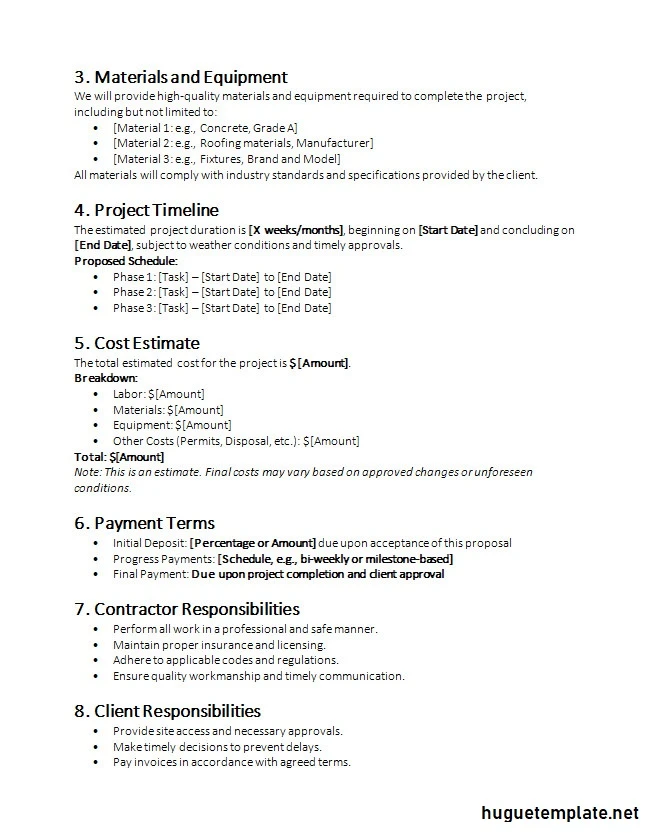
When creating a contractor proposal, there are several key elements that should be included to ensure that it is comprehensive and informative. Here are some of the most important things to include in a contractor proposal:
1. Project Overview:
Provide a brief overview of the project, including the scope of work and objectives.
2. Timeline:
Outline the timeline for the project, including start and end dates for each phase of the work.
3. Cost Estimates:
Detail the cost estimates for the project, including labor, materials, permits, and any other expenses.
4. Payment Schedule:
Specify the payment schedule, including any upfront deposits and milestone payments.
5. Insurance and Licensing:
Include information about the contractor’s insurance coverage and licensing credentials.
6. Warranty:
Detail any warranties or guarantees offered by the contractor for the work performed.
7. Terms and Conditions:
Include any specific terms and conditions related to the project, such as cancellation policies or change orders.
8. Contact Information:
Provide contact information for the contractor, including phone number, email, and address.
How to Create a Contractor Proposal
Creating a contractor proposal can be a daunting task, but with the right approach, it can be a straightforward process. Here are some steps to help you create a winning contractor proposal:
1. Start by gathering all the necessary information about the project, including the scope of work, timeline, and budget.
2. Use a template or software program to create a professional-looking proposal that is easy to read and understand.
3. Customize the proposal to fit the specific needs of the project and the client.
4. Be transparent and honest about the costs and timeline of the project to build trust with the client.
5. Proofread the proposal carefully to ensure that there are no errors or typos.
6. Submit the proposal to the client promptly and be prepared to answer any questions or provide additional information.
Tips for Successful Contractor Proposals
Creating a successful contractor proposal requires attention to detail and a thorough understanding of the project requirements. Here are some tips to help you create a winning proposal:
- Be specific: Provide detailed information about the scope of work, materials, and costs.
- Highlight your experience: Showcase your past projects and qualifications to demonstrate your expertise.
- Communicate clearly: Use simple language and avoid jargon to ensure that the client understands the proposal.
- Follow up: After submitting the proposal, follow up with the client to answer any questions or address any concerns.
- Be flexible: Be willing to negotiate and make adjustments to the proposal based on the client’s feedback.
- Provide references: Include references from past clients to demonstrate your credibility and reliability.
- Showcase your portfolio: Include photos or examples of your past work to give the client a sense of your style and quality.
- Ask for feedback: After submitting the proposal, ask the client for feedback to improve your future proposals.
In Conclusion
In conclusion, a well-written contractor proposal is essential for any construction or renovation project. By clearly outlining the scope of work, timeline, and costs, a proposal can help to establish clear expectations and protect both parties in case of any disputes. By following the tips outlined in this guide, you can create a winning contractor proposal that will impress your clients and help you secure more projects in the future.
Contractor Proposal Template – Word
