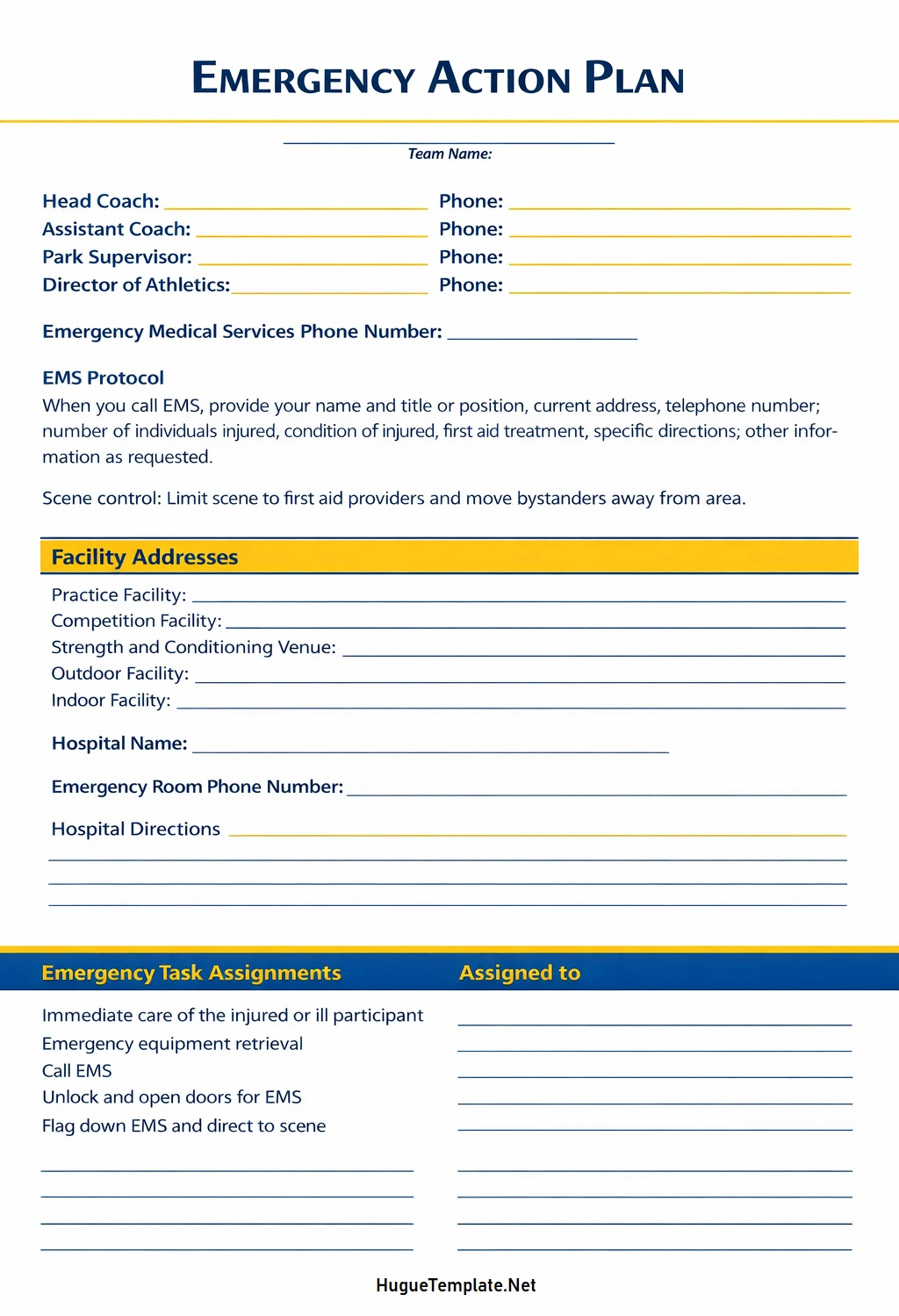
Emergencies can happen at any time and in any place, whether you are at work, home, or out in public. Having a well-thought-out emergency action plan in place can make all the difference in ensuring your safety and that of those around you.
In this comprehensive guide, we will explore the what, why, what to include, how to, and tips for successful emergency action plans.
What is an Emergency Action Plan?
An emergency action plan (EAP) is a set of procedures and guidelines designed to mitigate the impact of emergencies such as fires, natural disasters, medical emergencies, and other unexpected events.
EAPs are crucial for organizations, businesses, schools, and even households to ensure prompt, effective responses in times of crisis.
Why Do You Need an Emergency Action Plan?
1. Protection of Life and Property
An emergency action plan is crucial for protecting the lives of individuals and minimizing damage to property in emergency situations. By having a plan in place, you can ensure that everyone knows what to do and where to go when disaster strikes.
2. Peace of Mind
Knowing that you have a well-thought-out emergency action plan can provide peace of mind in the event of an emergency. By having clear procedures in place, you can feel confident that you are prepared to handle any situation that may arise.
What to Include in an Emergency Action Plan?
When creating an emergency action plan, it is important to include the following key components:
- Emergency Contact Information: Include contact details for emergency services, key personnel, and relevant stakeholders.
- Evacuation Procedures: Outline evacuation routes, assembly points, and procedures for safely evacuating the premises.
- Emergency Notification System: Establish a system for alerting individuals about emergencies and communicating important information.
- Medical Emergency Procedures: Guide on how to respond to medical emergencies and administer first aid.
- Fire Safety Procedures: Detail protocols for responding to fires, including evacuation procedures and fire extinguisher use.
- Training and Drills: Conduct regular training sessions and emergency drills to ensure that individuals are familiar with the EAP.
- Updating Procedures: Regularly review and update the emergency action plan to reflect any changes in personnel, facilities, or procedures.
How to Create an Effective Emergency Action Plan?
Creating an effective emergency action plan requires careful planning and consideration. Follow these steps to develop a comprehensive EAP for your organization or household:
1. Identify Potential Risks: Conduct a risk assessment to identify potential hazards and emergencies that may occur in your environment.
2. Establish Roles and Responsibilities: Clearly define the roles and responsibilities of key personnel in the event of an emergency.
3. Develop Communication Protocols: Establish clear communication protocols to ensure that information is disseminated quickly and effectively during emergencies.
4. Train Personnel: Provide training to employees or household members on emergency procedures and protocols.
5. Test and Review: Conduct regular drills and exercises to test the effectiveness of the EAP and identify areas for improvement.
Tips for Successful Implementation of an Emergency Action Plan
Implementing an emergency action plan successfully requires ongoing commitment and dedication. Consider the following tips to ensure that your EAP is effective:
- Regular Review: Review and update the EAP on a regular basis to ensure that it remains relevant and up-to-date.
- Employee Involvement: Involve employees in the development and implementation of the EAP to increase engagement and buy-in.
- Accessibility: Ensure that the EAP is easily accessible to all individuals and that everyone knows where to find it in case of an emergency.
- Feedback and Improvement: Encourage feedback from employees or household members to identify areas for improvement and make necessary adjustments.
- Regular Training: Conduct regular training sessions and drills to ensure that individuals are familiar with emergency procedures and protocols.
In conclusion, creating and implementing an emergency action plan is essential for ensuring the safety and well-being of individuals in the event of emergencies. By following the guidelines outlined in this guide, you can develop a comprehensive EAP that will help you respond effectively to any situation that may arise.
Emergency Action Plan Template – DOWNLOAD
