Are you a teacher looking to stay organized and on top of your lesson plans? A daily lesson planner may just be the solution for you. This essential tool helps educators plan, organize, and track their daily teaching activities, ensuring a productive and efficient classroom environment.
In this comprehensive guide, we will explore the benefits of using a daily lesson planner, what to include in one, how to effectively use it, and tips for successful lesson planning.
What is a Daily Lesson Planner?
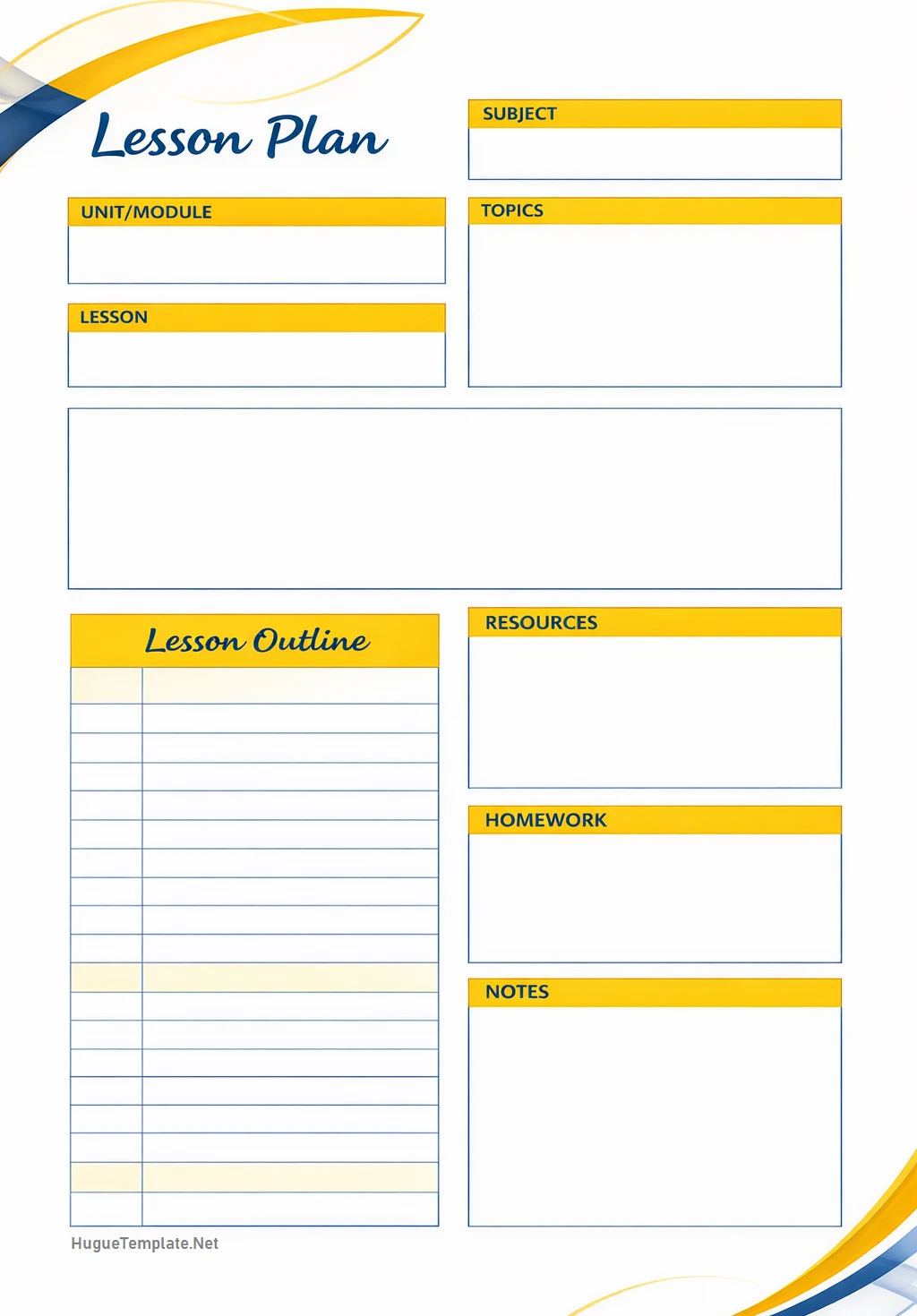
A daily lesson planner is a tool used by teachers to plan and organize their daily teaching activities. It typically includes sections for lesson objectives, materials needed, class schedule, homework assignments, and any notes or reflections on the day’s lessons. By using a daily lesson planner, teachers can stay organized, track their progress, and ensure that they are meeting their educational goals.
When creating a daily lesson planner, it is important to include all the necessary elements to effectively plan and execute your lessons. Here are some key components to consider including in your daily lesson planner:
- Lesson Objectives: Clearly define the goals and objectives of each lesson to keep your teaching focused and on track.
- Materials Needed: List out all the materials, resources, and equipment required for each lesson to ensure you are prepared.
- Class Schedule: Break down the lesson into time slots to allocate enough time for each activity and transition smoothly between tasks.
- Homework Assignments: Assign homework or follow-up activities to reinforce the lesson content and provide opportunities for further learning.
- Notes and Reflections: Leave space for notes, reflections, and adjustments to improve future lessons based on your observations and student feedback.
How to Use a Daily Lesson Planner
Using a daily lesson planner effectively involves more than just writing down your lesson plans. It requires careful consideration, organization, and flexibility to adapt to the needs of your students and the classroom environment. Here are some tips on how to make the most of your daily lesson planner:
1. Set Clear Goals and Objectives
Before you start planning your lessons, identify the learning objectives and goals you want to achieve with your students. This will help you stay focused and ensure that your lessons are purposeful and meaningful.
2. Plan Ahead
Take the time to plan your lessons in advance, ideally a week or more before. This allows you to gather all the necessary materials, resources, and information you need to deliver engaging and effective lessons.
3. Be Flexible
While it’s important to have a structured plan, be prepared to make adjustments on the fly. Classroom dynamics can change, and it’s essential to adapt your lessons to meet the needs and interests of your students.
4. Reflect and Evaluate
After each lesson, take time to reflect on what worked well and what could be improved. Use this feedback to make adjustments to future lessons and continually enhance your teaching practices.
5. Stay Organized
Keep your daily lesson planner organized by using color-coding, labels, or tabs to easily navigate between different sections and reference materials. This will save you time and prevent confusion during busy teaching days.
6. Communicate with Colleagues
Collaborate with other teachers or educators to share ideas, resources, and best practices. This can help you gain new perspectives and improve your teaching strategies.
7. Seek Feedback
Ask for feedback from your students, colleagues, or supervisors to gather insights on your teaching methods and lesson plans. Constructive feedback can help you refine your teaching approach and better meet the needs of your students.
Tips for Successful Lesson Planning
To ensure effective lesson planning and execution, here are some tips to keep in mind:
- Stay Flexible and Adaptable: Be prepared to make changes to your lesson plans based on student feedback and classroom dynamics.
- Engage Students Actively: Incorporate interactive and hands-on activities to keep students engaged and interested in the lesson content.
- Use Technology Wisely: Integrate technology tools and resources to enhance your teaching methods and provide diverse learning opportunities for students.
- Collaborate with Colleagues: Share ideas, resources, and strategies with other teachers to improve your teaching practices and stay inspired.
- Reflect and Improve: Regularly reflect on your teaching practices and lesson plans to identify areas for improvement and implement changes for better outcomes.
- Stay Organized: Keep your daily lesson planner updated and organized to stay on top of your teaching goals and objectives.
- Seek Professional Development: Attend workshops, seminars, or training sessions to enhance your teaching skills and stay informed about the latest educational trends and practices.
- Prioritize Self-Care: Take care of yourself physically, mentally, and emotionally to maintain a healthy work-life balance and prevent burnout.
By following these tips and incorporating them into your daily lesson planning routine, you can create engaging, effective, and meaningful learning experiences for your students while staying organized and on top of your teaching goals. Remember, a well-planned lesson is the key to successful teaching and student engagement.
Daily Lesson Planner Template – DOWNLOAD
