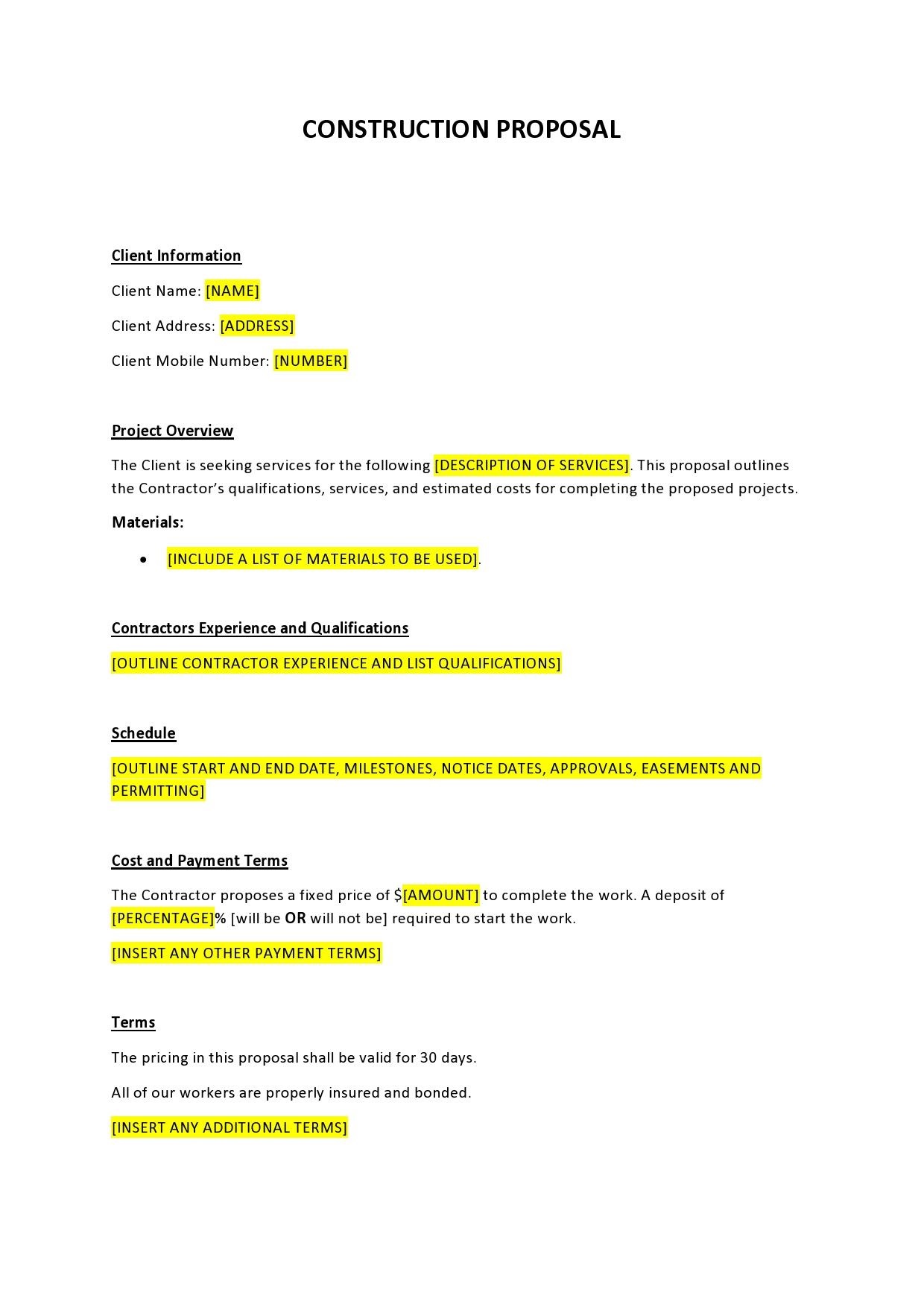
Are you in the business world and find yourself needing to submit contract proposals on a regular basis? Perhaps you’re new to the process and feeling a bit overwhelmed. Fear not, as we are here to guide you through the intricacies of crafting a compelling contract proposal that will impress your potential clients and increase your chances of landing that deal.
In this article, we will delve into the What, Why, What to Include, How to, and Tips for Successful contract proposals.
What is a Contract Proposal?
A contract proposal is a document that outlines the terms and conditions of a proposed agreement between two parties. It serves as a formal offer to perform certain services or provide specific products in exchange for a fee. Contract proposals are typically used in business transactions to establish a clear understanding of the expectations and responsibilities of each party involved.
When writing a contract proposal, it’s essential to be clear, concise, and detailed in order to avoid any misunderstandings or disputes down the line. The goal is to persuade the recipient that your offer is the best choice for them and that you are the right person or company for the job.
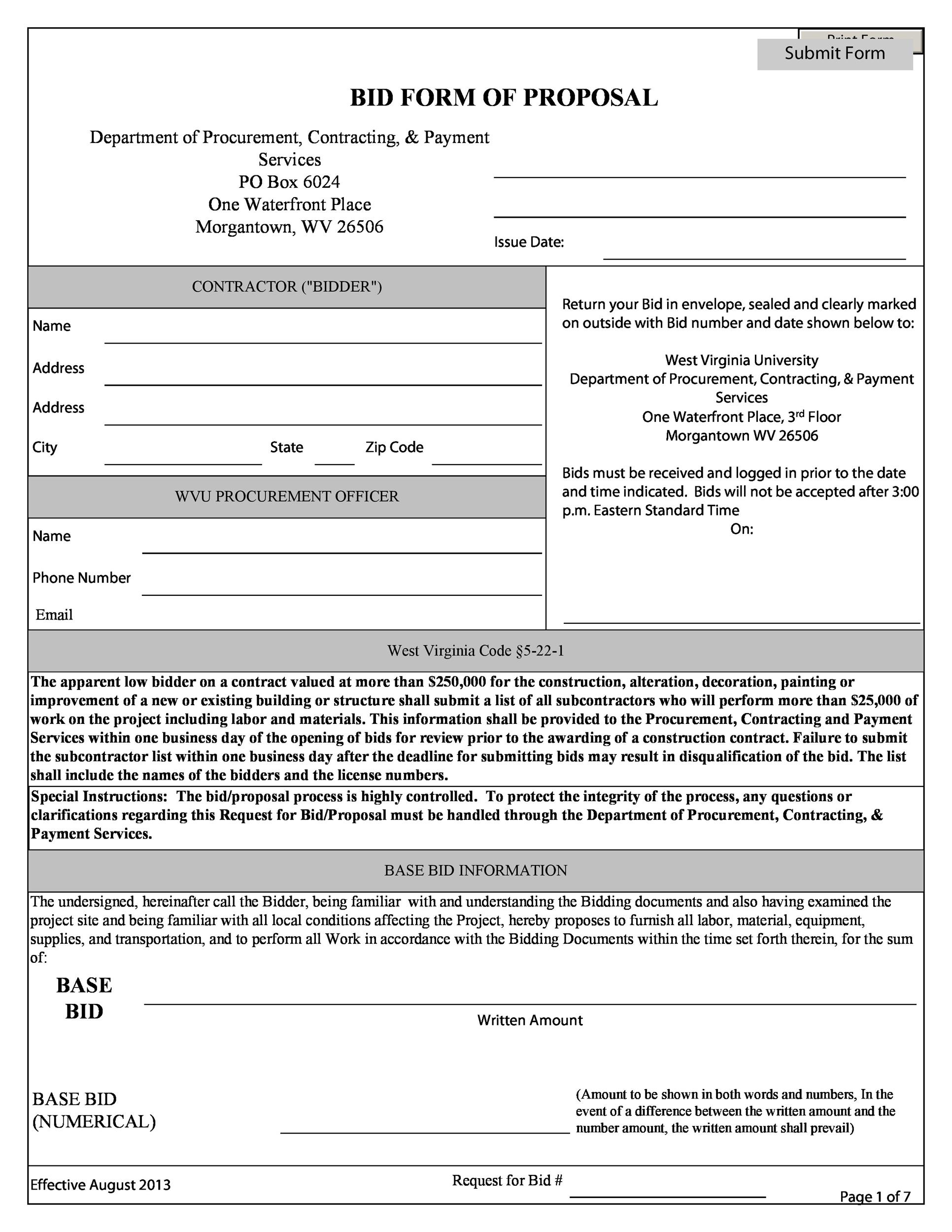
Why are Contract Proposals Important?
Contract proposals play a crucial role in the business world for several reasons.
- Firstly, they serve as a formal record of the terms and conditions agreed upon by both parties, helping to prevent any misunderstandings or disputes in the future.
- Secondly, contract proposals demonstrate your professionalism and attention to detail, which can help you stand out from your competitors.
- Finally, a well-crafted contract proposal can help you win new business and build long-lasting relationships with clients.

What to Include in a Contract Proposal
When it comes to creating a comprehensive contract proposal, there are several key elements that should be included to ensure clarity and avoid any ambiguity. Here are some essential components to consider:
1. Introduction:
Start your contract proposal with a brief introduction that outlines the purpose of the document and provides some background information about your company or yourself.
2. Scope of Work:
Clearly define the scope of work that will be performed, including a detailed description of the services or products that will be provided.
3. Timeline:
Specify the timeline for completing the work, including start and end dates, milestones, and deadlines for deliverables.
4. Pricing:
Include a detailed breakdown of the pricing for your services or products, including any additional fees, taxes, or expenses that may apply.
5. Terms and Conditions:
Outline the terms and conditions of the agreement, including payment terms, warranties, intellectual property rights, and any other relevant details.
6. Signature Block:
Include a signature block at the end of the contract proposal for both parties to sign, indicating their acceptance of the terms and conditions outlined.
7. Contact Information:
Provide your contact information, including your name, title, company name, address, phone number, and email address, so that the recipient can easily reach out to you with any questions or concerns.
8. Additional Documentation:
Attach any relevant documents or supporting materials, such as sample work, testimonials, or case studies, to strengthen your proposal and showcase your expertise.
How to Write a Contract Proposal
Crafting a compelling contract proposal requires careful planning and attention to detail. Here are some steps to help you write a successful contract proposal:
1. Research the Client: Before drafting your proposal, take the time to research the client’s needs, preferences, and expectations to tailor your offer accordingly.
2. Use a Professional Tone: Maintain a professional tone throughout the document, while also injecting some personality to make your proposal more engaging.
3. Be Clear and Concise: Avoid using jargon or overly complicated language. Instead, use clear and simple terms to ensure that the recipient understands the proposal.
4. Proofread and Edit: Before submitting your proposal, thoroughly proofread and edit it to eliminate any errors or typos that may detract from your professionalism.
5. Follow Up: After sending your proposal, follow up with the client to answer any questions or address any concerns they may have.
Tips for Successful Contract Proposals
Crafting a successful contract proposal is a combination of art and science. Here are some tips to help you create a compelling proposal that will impress your clients:
- Understand the Client’s Needs: Tailor your proposal to address the specific needs and requirements of the client.
- Showcase Your Expertise: Highlight your experience, skills, and qualifications to demonstrate why you are the best choice for the job.
- Be Transparent: Clearly outline the terms and conditions of the agreement to avoid any confusion or misunderstandings.
- Provide Value: Emphasize the unique value proposition of your offer and how it will benefit the client.
- Follow Up: Stay in touch with the client after submitting the proposal to answer any questions and address any concerns.
In conclusion, mastering the art of crafting a contract proposal is essential for anyone in the business world looking to win new clients and grow their business. By following the guidelines outlined in this article and incorporating the tips provided, you can create compelling contract proposals that will help you stand out from the competition and secure new opportunities.
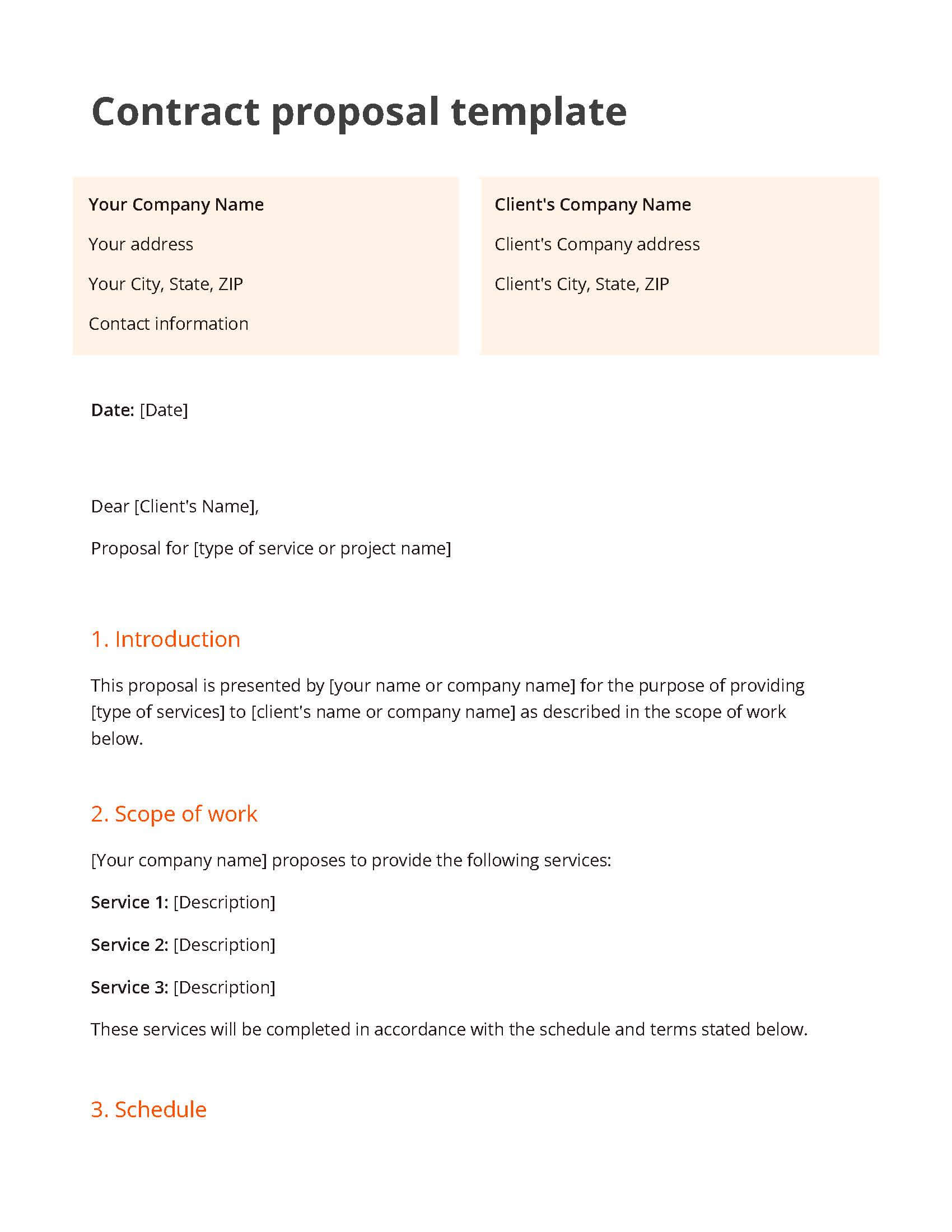
Contract Proposal Template – Word
