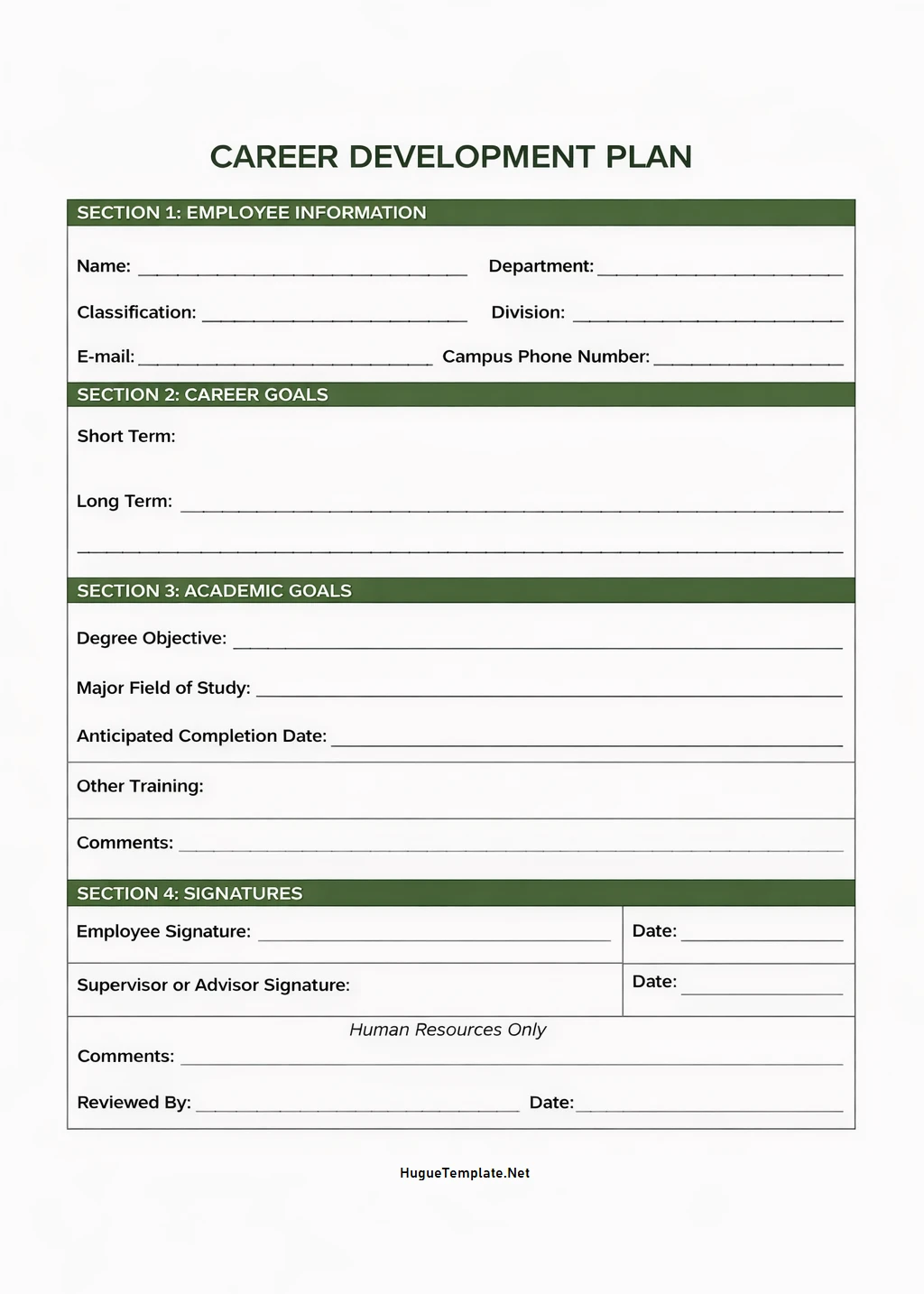
Career development planning plays a crucial role in creating a roadmap for professional growth. It helps individuals define their goals and the necessary steps to achieve them, ultimately boosting engagement, skill development, and job satisfaction.
At the same time, it helps companies retain talent and build a capable workforce by aligning personal aspirations with organizational needs. By providing direction, identifying skill gaps, and encouraging proactive learning, career development planning ensures both employee success and business continuity.
What is Career Development Planning?
Career development planning is a process that involves setting career goals and objectives and creating a strategic plan to achieve them. It helps individuals identify their strengths, weaknesses, interests, and values, allowing them to make informed decisions about their career path.
By mapping out the necessary steps to reach their goals, individuals can develop the skills and competencies needed to progress in their careers.
Why is Career Development Planning Important?
Career development planning is essential for both individuals and organizations. For individuals, it provides a sense of direction and purpose, helping them stay motivated and focused on their career goals. It also enables them to identify areas for improvement and take proactive steps to enhance their skills and knowledge. This, in turn, leads to increased job satisfaction and engagement.
For organizations, career development planning is a valuable tool for talent management and succession planning. By investing in their employees’ professional growth, companies can attract and retain top talent, build a skilled workforce, and ensure business continuity. Aligning employees’ personal goals with organizational objectives also fosters a culture of continuous learning and development within the company.
Key Elements of Career Development Planning
Several key elements make up a successful career development planning process:
- Goal Setting: Clearly define short-term and long-term career goals.
- Self-Assessment: Reflect on strengths, weaknesses, interests, and values.
- Skills Gap Analysis: Identify areas for skill development and improvement.
- Learning and Development Plan: Create a roadmap for acquiring new skills and knowledge.
- Feedback and Evaluation: Seek feedback from mentors, managers, and peers to track progress.
- Adjustment and Adaptation: Be willing to adjust goals and plans based on changing circumstances.
How to Create a Career Development Plan
Creating a career development plan involves several steps to ensure its effectiveness:
1. Set Clear Goals
Define your short-term and long-term career goals, ensuring they are specific, measurable, achievable, relevant, and time-bound (SMART).
2. Conduct Self-Assessment
Reflect on your strengths, weaknesses, interests, and values to identify areas for improvement and growth.
3. Identify Skill Gaps
Conduct a skills gap analysis to determine the competencies you need to develop to achieve your career goals.
4. Create a Learning and Development Plan
Outline the steps and resources needed to acquire new skills and knowledge, such as training programs, courses, or mentorship opportunities.
5. Seek Feedback and Evaluation
Solicit feedback from mentors, managers, and peers to assess your progress and make necessary adjustments to your plan.
6. Adapt and Adjust
Be flexible and willing to adapt your goals and plans based on changes in your career path or personal circumstances.
7. Monitor and Review
Regularly review and update your career development plan to ensure it remains aligned with your goals and aspirations.
Tips for Successful Career Development Planning
Follow these tips to make the most out of your career development planning process:
- Set Clear and Achievable Goals: Ensure your goals are specific, measurable, and realistic.
- Seek Feedback: Regularly seek feedback from mentors, managers, and peers to track your progress.
- Invest in Learning and Development: Take advantage of training programs, courses, and mentorship opportunities to enhance your skills.
- Stay Flexible: Be open to adjusting your goals and plans based on changing circumstances.
- Celebrate Milestones: Acknowledge and celebrate your achievements along the way to stay motivated.
- Stay Committed: Stay committed to your career development plan and take proactive steps to achieve your goals.
Career Development Planning Template – DOWNLOAD
