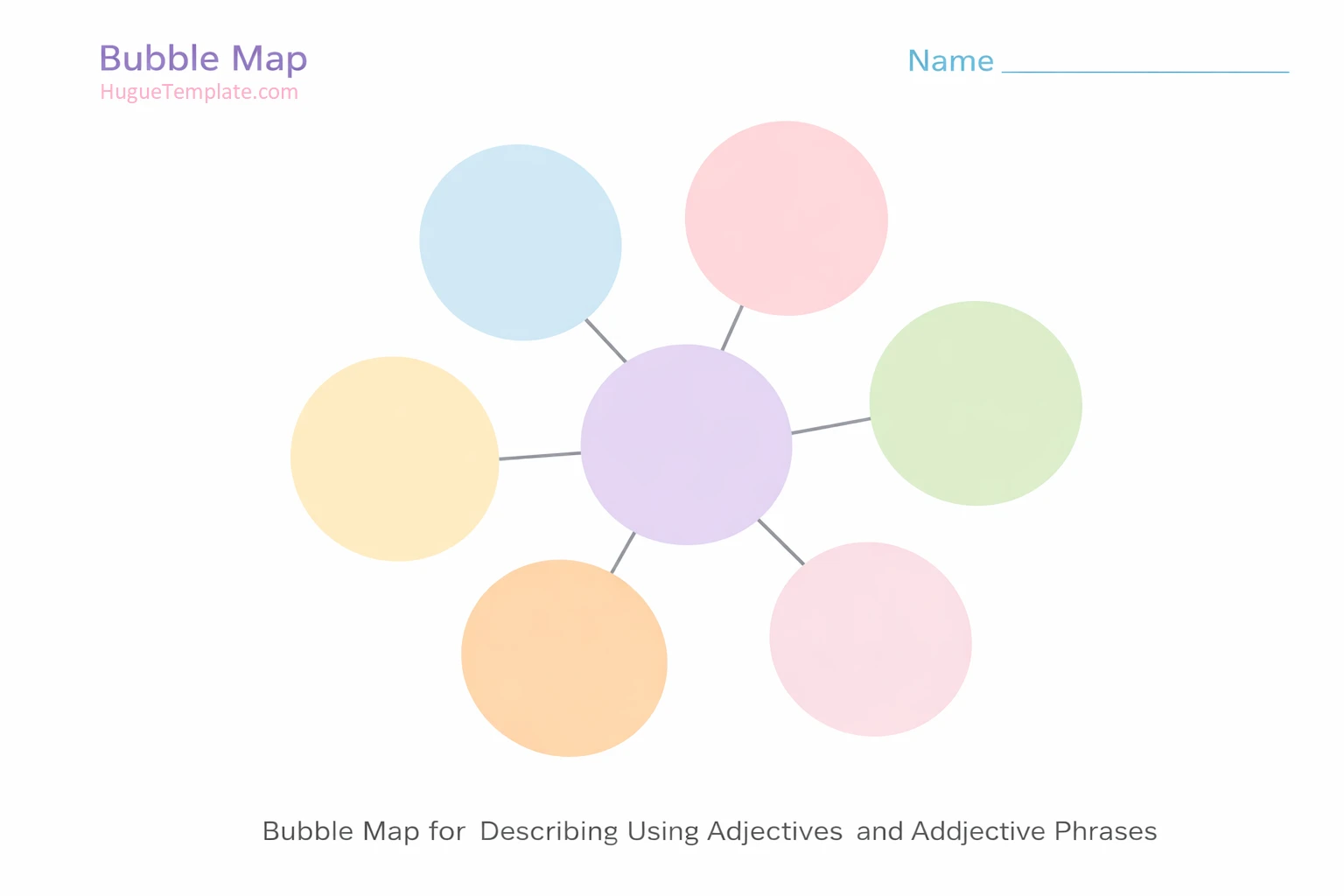
What is a Bubble Map?
A bubble map, also known as a concept map or a spider diagram, is a visual representation of ideas and concepts. It consists of a central topic or main idea surrounded by smaller bubbles that branch out to represent subtopics or related details.
Each bubble is connected to the central topic by lines or arrows, indicating the relationships between different ideas. Bubble maps are used to organize information in a hierarchical structure, providing a clear overview of complex concepts.
Why Use Bubble Maps?
The use of bubble maps in visual organization and idea generation offers several advantages, making them a valuable tool for individuals and teams across various fields. Let’s delve deeper into the reasons why incorporating bubble maps into your workflow can be beneficial:
Stimulate Creativity and Idea Generation:
One of the primary benefits of using bubble maps is their ability to stimulate creativity and facilitate idea generation. By visually connecting different concepts and allowing for the exploration of relationships between ideas, bubble maps provide a structured yet flexible platform for brainstorming. The visual nature of bubble maps can inspire new insights and perspectives, leading to the generation of innovative ideas.
Enhance Comprehension and Retention:
Another significant advantage of bubble maps is their capacity to enhance comprehension and retention of information. By breaking down complex concepts into simpler components and organizing them in a visual hierarchy, bubble maps help individuals grasp the relationships between ideas more effectively. This visual representation aids in memory retention by providing a clear and structured framework for understanding complex information.
Improve Communication and Collaboration:
Bubble maps are valuable tools for enhancing communication and collaboration among team members or stakeholders. By visually representing ideas and relationships, bubble maps offer a shared understanding of complex concepts, making it easier for individuals to communicate their thoughts and collaborate on projects. The visual nature of bubble maps promotes effective communication by providing a common visual language that fosters collaboration and idea sharing.
Facilitate Concept Development and Planning:
When it comes to concept development and project planning, bubble maps are invaluable tools that can streamline the process and improve outcomes. By breaking down complex concepts into manageable components and organizing them in a visual format, bubble maps help individuals develop ideas systematically and plan projects more effectively. The hierarchical structure of bubble maps allows for the exploration of different aspects of a concept or project, facilitating a comprehensive understanding and strategic planning.
What to Include in a Bubble Map?
Creating an effective bubble map involves considering several key elements that contribute to its clarity, coherence, and usefulness. Let’s explore the essential components that should be included in a bubble map:
Main Topic:
The central bubble of a bubble map should represent the main topic or concept that is being explored. This central bubble serves as the focal point of the map and provides context for the surrounding subtopics and details. It is essential to clearly define the main topic to ensure that the overall structure of the bubble map is coherent and focused.
Subtopics:
Branching out from the central topic, smaller bubbles should represent subtopics or related ideas that are connected to the main concept. These subtopics provide additional context and detail to the central topic, helping to expand on different aspects of the overall idea. It is important to organize subtopics logically and hierarchically to maintain the flow of information and relationships between ideas.
Keywords:
Each bubble in a bubble map should be labeled with keywords or phrases that succinctly describe the content it represents. These keywords help to clarify the meaning of each bubble and provide a quick reference point for understanding the information presented. Using clear and concise keywords ensures that the content of the bubble map is easily comprehensible and accessible to viewers.
Connections:
To illustrate the relationships between different ideas and concepts in a bubble map, it is essential to include connections between bubbles. Lines or arrows can be used to connect related bubbles and show how different ideas are interconnected. These connections help viewers understand the flow of information and the relationships between various elements in the bubble map. By incorporating clear and logical connections, the bubble map becomes a cohesive and cohesive representation of complex concepts.
How to Create a Bubble Map?
Creating a bubble map involves a systematic process that requires attention to detail and clarity. Let’s explore the step-by-step approach to creating an effective bubble map:
Define the Central Topic:
The first step in creating a bubble map is to define the central topic or main idea that you want to explore. This central topic serves as the focal point of the map and provides a starting point for branching out into subtopics and details. It is important to clearly articulate the central topic to establish the overarching theme of the bubble map.
Add Subtopics:
Once the central topic is defined, the next step is to add subtopics by branching out from the central bubble. These subtopics should be related to the main idea and provide additional context and detail to the overall concept. Hierarchically organizing subtopics helps to create a structured and coherent flow of information within the bubble map.
Label the Bubbles:
Each bubble in the bubble map should be labeled with keywords or phrases that succinctly describe the content it represents. These labels help viewers understand the meaning of each bubble and provide a quick reference point for navigating the information presented. Clear and concise labeling ensures that the content of the bubble map is easily accessible and comprehensible to viewers.
Establish Relationships:
To show the relationships between different ideas and concepts in the bubble map, it is essential to establish connections between bubbles. Lines or arrows can be used to connect related bubbles and indicate how different ideas are interconnected. These connections help viewers follow the flow of information and understand the relationships between various elements in the bubble map. By incorporating clear and logical connections, the bubble map becomes a cohesive representation of complex concepts.
Review and Refine:
After creating the initial draft of the bubble map, it is important to review and refine the structure to ensure clarity and coherence. Take the time to assess the overall organization of the map, the relationships between bubbles, and the labeling of each element. Make any necessary adjustments to improve the readability and effectiveness of the bubble map, ensuring that it accurately represents the ideas and concepts being explored.
Tips for Successful Bubble Mapping
When creating and utilizing bubble maps for visual organization and idea generation, several tips can enhance the effectiveness and impact of this tool. Let’s explore some valuable tips for successful bubble mapping:
Start with a Clear Objective:
Before creating a bubble map, it is essential to define the purpose and objective of the map. Clearly articulate what you want to achieve with the bubble map and identify the main topic or concept that you want to explore. Starting with a clear objective helps to focus your efforts and ensure that the bubble map serves its intended purpose.
Keep it Simple:
When creating a bubble map, it is important to avoid overcrowding the map with too many bubbles or details. Focus on essential ideas and concepts to maintain clarity and prevent the map from becoming overwhelming. Keeping the bubble map simple and concise allows viewers to grasp the information more easily and facilitates effective communication of ideas.
Use Colors and Visual Elements:
Incorporating colors, shapes, and visual elements into your bubble map can enhance its visual appeal and organization. Use different colors to distinguish between main topics and subtopics, or incorporate icons and symbols to represent specific ideas. Visual cues help to create a more engaging and informative bubble map that captures viewers’ attention and facilitates understanding.
Collaborate with Others:
When working on a complex project or exploring intricate concepts, collaborating with others can enrich the bubble mapping process and bring diverse perspectives to the table. Invite colleagues, team members, or stakeholders to contribute ideas and insights to the bubble map, fostering a collaborative approach to visual organization and idea generation. By including input from various individuals, you can create a more comprehensive and well-rounded bubble map that reflects different viewpoints and expertise.
Iterate and Revise:
Creating a bubble map is not a one-time task; it is a dynamic process that may require iteration and revision. Continuously review and refine your bubble map to reflect new ideas, insights, or changes in the information being presented. Be open to making adjustments to improve the clarity, coherence, and overall effectiveness of the bubble map. Iterating and revising the map ensures that it remains up-to-date and accurately represents the evolving ideas and concepts.
Engage in Active Exploration:
When using bubble maps for visual organization and idea generation, actively engage in exploration and experimentation. Allow yourself to explore different connections between ideas, rearrange bubbles to test alternative structures, and experiment with various layouts. By actively exploring the possibilities within the bubble map, you can uncover new insights, identify relationships between concepts, and enhance the overall effectiveness of the visualization.
Seek Feedback and Input:
Feedback from others can provide valuable insights and perspectives on your bubble map. Seek feedback from colleagues, mentors, or peers to gain new insights, identify areas for improvement, and refine the overall structure of the map. Incorporating feedback and input from others helps to ensure that the bubble map effectively communicates ideas and concepts to a broader audience.
Stay Organized and Focused:
When working on a bubble map, it is important to stay organized and focused to maintain clarity and coherence within the visualization. Keep related ideas grouped, use consistent labeling and formatting, and ensure that the structure of the map aligns with the overall objective. Staying organized and focused helps to convey information in a logical and structured manner, enhancing the overall impact of the bubble map.
Bubble Map Template – DOWNLOAD
