When celebrating significant milestones in one’s spiritual journey, a baptism certificate plays a crucial role in documenting and commemorating the occasion.
This certificate not only provides a link to the person’s spiritual heritage but also serves as a testament to their Christian identity. Within the church, the baptism certificate is a form of formal recognition of the individual’s initiation into the faith community, validating their participation in sacraments and affirming their adherence to Christian principles.
What is a Baptism Certificate For?
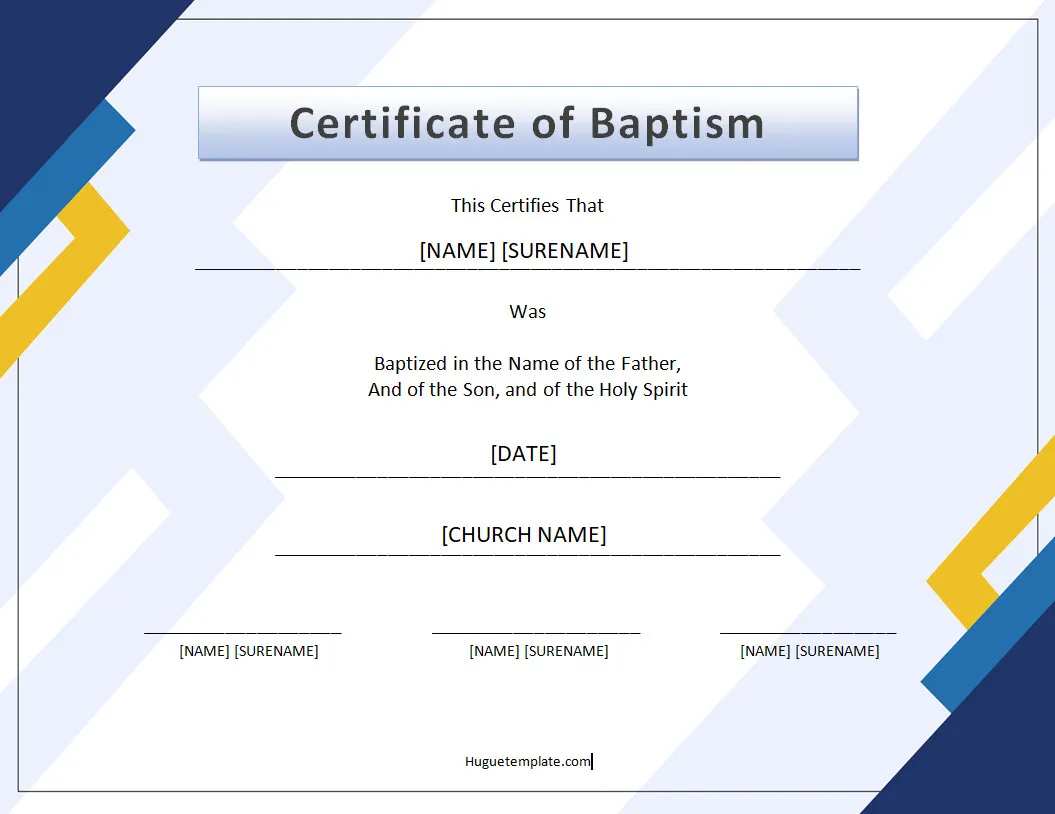
A baptism certificate is a document issued by the church that confirms the baptism of an individual into the Christian faith. It typically includes details such as the name of the baptized person, the date and location of the baptism, the name of the officiating minister, and the names of the godparents or sponsors.
This certificate serves as a tangible reminder of the commitment made by the individual to follow the teachings of Jesus Christ and live according to Christian values.
When Will You Need Your Certificate of Baptism?
There are several instances where you may need to present your certificate of baptism as proof of your initiation into the Christian faith:
Marriage
When it comes to getting married in a church, many denominations require couples to provide their baptism certificates as part of the marriage preparation process. This is done to ensure that both partners are baptized members of the Christian faith and are eligible to be married in the church. Without a baptism certificate, couples may face challenges when trying to have a church wedding.
Confirmation
Confirmation is a sacrament in many Christian traditions that is seen as a rite of passage into full membership of the church. When seeking to receive the sacrament of confirmation, individuals are often required to present their baptism certificates as proof of their initiation into the faith. This helps to verify that the person has already been baptized and is eligible to receive confirmation.
Membership
Joining a new church or denomination often involves a membership process that requires individuals to provide their baptism certificates. This is done to confirm that the person has been baptized into the Christian faith and is eligible for membership in the church. Without a baptism certificate, individuals may face delays or challenges in becoming official members of the church.
Ministry
For those considering a career in ministry or seeking ordination in the church, having a baptism certificate is essential. Many seminaries and ordination boards require applicants to submit their baptism certificates as part of the application process. This is done to verify that the individual has been baptized and is committed to the Christian faith before being ordained into ministry.
Genealogy
Baptism certificates can also be valuable documents for those researching their family history and spiritual heritage. By providing a link to past generations of believers, baptism certificates can help individuals trace their Christian lineage and better understand their family’s faith traditions. This can be especially meaningful for those who are interested in genealogy or preserving their family history for future generations.
How to Obtain a Baptism Certificate
If you do not currently possess a baptism certificate or need a replacement copy, here are some steps you can take to obtain one:
Contact the Church
The first step in obtaining a baptism certificate is to contact the church where you were baptized. Reach out to the church office or the parish priest and inquire about the process for obtaining a copy of your baptism certificate. They will be able to guide you on the necessary steps to take to get a new certificate.
Provide Necessary Information
When requesting a baptism certificate, be prepared to provide the church with as much information as possible about your baptism. This may include details such as the date and location of the ceremony, the name of the officiating minister, and the names of your godparents or sponsors. Providing accurate information will help the church locate your baptism record more easily.
Complete Any Required Forms
Some churches may require individuals to fill out a form or provide additional documentation before they can issue a new baptism certificate. Be sure to comply with any requests for information and fill out any necessary forms accurately and completely. This will help expedite the process of obtaining your certificate.
Pay Any Associated Fees
In some cases, there may be a fee associated with obtaining a new baptism certificate. Be prepared to cover any costs that may be incurred in the process of obtaining your certificate. The church may charge a fee for administrative costs or for producing a replacement certificate. Make sure to inquire about any fees upfront so you can budget accordingly.
Verify the Accuracy of the Certificate
Once you receive your new baptism certificate, take the time to review it and ensure that all the information is accurate and up to date. Check that your name is spelled correctly, the date and location of your baptism are accurate, and any other details are correct. If you notice any errors or discrepancies, be sure to bring them to the attention of the church so they can be corrected.
Keep Your Certificate Safe
After obtaining your new baptism certificate, it is important to keep it in a safe and secure place. Consider storing it in a safe deposit box, a fireproof safe, or another secure location where it will not be lost or damaged. You may also want to make copies of your certificate and store them in different locations for added security. Keeping your baptism certificate safe ensures that you will have it on hand when needed for various purposes throughout your life.
The Importance of Record-Keeping for Your Religious Milestones
Record-keeping for your religious milestones, such as baptism, is essential for preserving your spiritual heritage and identity. By maintaining accurate records of these significant events, you are able to pass down your faith story to future generations and ensure that your commitment to the Christian faith is documented and remembered.
Preserving Your Spiritual Heritage
Keeping records of your religious milestones helps to preserve your spiritual heritage for future generations. By documenting your baptism and other significant events in your faith journey, you are creating a legacy that can be passed down to your children, grandchildren, and beyond. These records serve as a tangible link to your faith story and can help future generations understand and appreciate their Christian roots.
Documenting Your Commitment to the Christian Faith
Maintaining records of your religious milestones also helps to document your commitment to the Christian faith. By having a baptism certificate and other documentation of your participation in church sacraments and activities, you are providing concrete evidence of your dedication to following Jesus Christ. These records can serve as a reminder of your faith journey and the values that are important to you as a Christian.
Passing Down Your Faith Story
Recording your religious milestones allows you to pass down your faith story to future generations. By sharing your baptism certificate, confirmation records, and other documentation with your family members, you are passing on not just a piece of paper but a piece of your spiritual journey. These records can inspire and encourage future generations to continue in the Christian faith and uphold the values that are important to your family.
Keeping a Personal Record of Spiritual Growth
In addition to preserving your spiritual heritage for future generations, record-keeping for your religious milestones can also serve as a personal record of your spiritual growth. Looking back on your baptism certificate and other documentation over the years can remind you of the milestones you have achieved in your faith journey. It can be encouraging to see how far you have come and how your relationship with God has deepened and evolved. These records serve as a personal testimony to your faith and can strengthen your resolve to continue following Jesus Christ.
Ensuring Accuracy and Consistency
Maintaining accurate records of your religious milestones helps to ensure that the information is consistent and reliable. By keeping track of your baptism certificate, confirmation records, and other documentation, you can avoid discrepancies or inaccuracies in your personal history. This can be especially important when presenting your records for official purposes, such as joining a new church or applying for a ministry position.
Providing Evidence for Important Life Events
Having a record of your baptism and other religious milestones can also provide evidence for important life events. Whether you are getting married in a church, seeking confirmation, or applying for a ministry position, having documentation of your initiation into the Christian faith can be crucial. Your baptism certificate serves as proof of your commitment to the Christian faith and can support your eligibility for various church-related activities and roles.
Baptism Certificate Template – WORD
