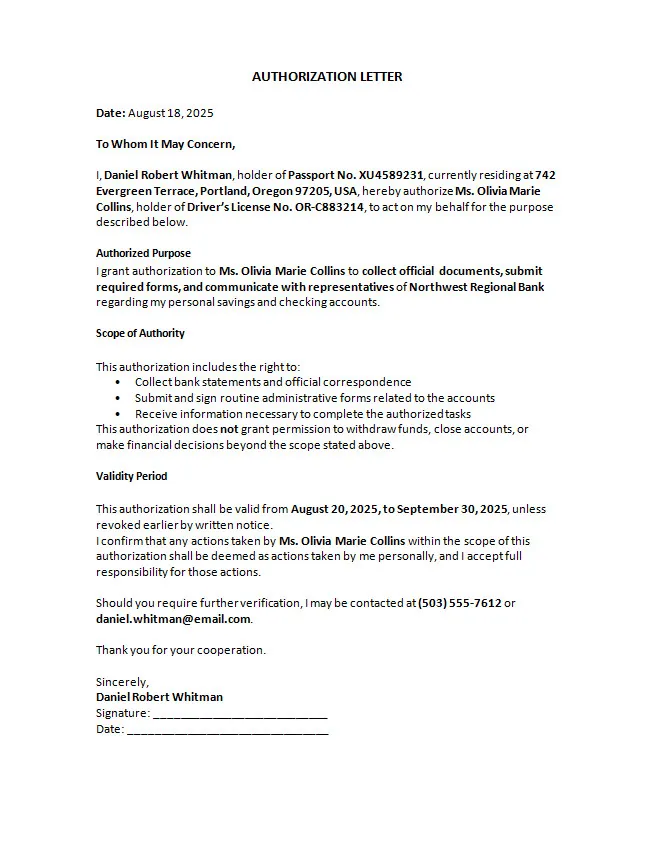
What is an Authorization Letter?
An authorization letter is a legal document that grants another person or entity the authority to act on your behalf in specific situations. It serves as a formal proof of permission for someone else to handle tasks, make decisions, or access information that you would typically manage yourself.
This type of letter is commonly used in various scenarios where you are unable to be physically present or available to carry out certain responsibilities.
When Do You Need a Letter of Authorization?
There are specific situations where you may require a letter of authorization to empower another person or entity to act on your behalf. Understanding when to use an authorization letter can help you effectively delegate responsibilities and ensure that your interests are protected in your absence.
Legal Matters
In legal matters, an authorization letter can be crucial for granting someone else the authority to represent you in court proceedings, sign legal documents, or handle legal transactions on your behalf. For example, if you are unable to attend a court hearing due to illness or travel, you can issue an authorization letter to authorize your legal representative to act on your behalf.
Financial Transactions
When it comes to financial matters, an authorization letter can be used to authorize someone else to conduct financial transactions on your behalf, such as withdrawing funds from your bank account, signing checks, or managing investments. This type of authorization is particularly useful when you are unable to personally handle financial matters due to travel, illness, or other commitments.
Medical Decisions
In healthcare situations, an authorization letter can play a critical role in granting a trusted individual the authority to make medical decisions on your behalf. This type of authorization is essential in cases where you are incapacitated and unable to communicate your healthcare preferences or treatment decisions. By issuing a medical authorization letter, you can ensure that your medical needs are addressed in accordance with your wishes.
Travel Arrangements
For travel-related matters, an authorization letter can be used to grant someone else the authority to make travel arrangements on your behalf, such as booking flights, hotels, or rental cars. This type of authorization is helpful when you are unable to plan or manage your travel itinerary due to time constraints, work commitments, or personal reasons. By granting someone else the authority to handle your travel arrangements, you can ensure a smooth and hassle-free travel experience.
Types of Letter of Authorization
Various types of authorization letters can be tailored to specific situations and requirements. Understanding the different types of authorization letters can help you choose the most appropriate format for granting authority to another individual or organization.
General Authorization Letter
A general authorization letter grants broad authority to the authorized party to act on your behalf in various matters. This type of letter allows the authorized individual to represent you in different situations and perform a wide range of tasks, such as signing documents, making decisions, or accessing information. A general authorization letter is versatile and can be customized to suit your specific needs.
Bank Authorization Letter
A bank authorization letter authorizes someone else to conduct financial transactions on your behalf at a bank or financial institution. This type of letter is commonly used to grant authority for activities such as withdrawing funds, depositing checks, transferring money, or accessing account information. A bank authorization letter is essential for delegating financial responsibilities and ensuring that your banking needs are met in your absence.
Medical Authorization Letter
A medical authorization letter grants a trusted individual the authority to make medical decisions on your behalf in case you are unable to do so. This type of letter is crucial for ensuring that your healthcare preferences are followed and that treatment decisions are made according to your wishes. A medical authorization letter can empower a medical proxy to communicate with healthcare providers, access medical records, and make informed decisions about your care.
Travel Authorization Letter
A travel authorization letter allows someone else to make travel arrangements or travel on your behalf. This type of letter is useful for delegating travel-related tasks, such as booking flights, hotels, rental cars, or tour packages. A travel authorization letter can help streamline the travel planning process and ensure that your travel arrangements are handled efficiently and effectively.
Key Elements of an Authorization Letter
When composing an authorization letter, it’s essential to include key elements that provide clarity and specificity regarding the authority being granted and the responsibilities of the authorized party. By incorporating these key elements, you can create a comprehensive and legally valid authorization letter.
Recipient Details
One of the key elements of an authorization letter is specifying the recipient’s details, including the name, address, and contact information of the individual or organization to whom the authorization is being granted. Clearly identifying the recipient ensures that the authorization is directed to the intended party and that they understand their role and responsibilities.
Authorizing Party Details
Another crucial element of an authorization letter is providing detailed information about the authorizing party, including your full name, address, and contact information. By clearly identifying yourself as the authorizing party, you establish your authority to delegate responsibilities and empower the authorized party to act on your behalf.
Scope of Authority
The scope of authority is a fundamental component of an authorization letter, as it defines the tasks, decisions, or information that the authorized party is allowed to handle on your behalf. Clearly outlining the scope of authority helps prevent misunderstandings and ensures that the authorized party understands the extent of their responsibilities and limitations.
Duration of Authorization
Specifying the duration of the authorization is essential for defining the start and end dates of the authorized period. If the authorization is valid for a specific timeframe, it’s crucial to clearly indicate the duration in the letter to avoid any confusion or ambiguity. Setting a clear timeframe helps both parties understand the timeline for which the authorization is in effect.
Signature
Signing the authorization letter is a critical step in making the document legally binding. Your signature confirms that you have given permission for the authorized party to act on your behalf and that you understand and agree to the terms outlined in the letter. The signature of the authorizing party is a crucial component that validates the authorization and ensures its legal enforceability.
How to Write a Letter of Authorization?
Writing an authorization letter requires careful consideration and attention to detail to ensure that the document accurately conveys the permissions and responsibilities being granted. By following a structured approach and incorporating essential elements, you can create a comprehensive and effective letter of authorization.
Start with a Clear Purpose
Begin by clearly stating the purpose of the authorization letter and the specific tasks or decisions you are authorizing the individual to handle on your behalf. Providing a concise and specific overview of the authorization helps set the tone for the rest of the letter and ensures that the authorized party understands their role and responsibilities.
Include Relevant Details
Include all necessary details in the authorization letter, such as the recipient’s information, your information, the scope of authority, and any limitations or restrictions on the authorization. Providing detailed and specific information helps prevent misunderstandings and ensures that both parties are clear on the terms and conditions of the authorization.
Specify Duration
If the authorization is valid for a specific period, clearly mention the start and end dates of the authorization in the letter. Specifying the duration of the authorization helps establish the timeline for which the authorized party is permitted to act on your behalf and ensures that both parties are aware of the
- Start and End Dates: Clearly state the effective dates of the authorization to avoid any confusion about when the authorized party can begin and must end their representation.
- Renewal Options: If necessary, mention whether the authorization can be renewed or extended beyond the initial period and provide instructions for doing so.
- Termination Clause: Include a clause outlining the circumstances under which the authorization may be terminated, such as revocation by the authorizing party or completion of the authorized tasks.
By including these elements in your authorization letter, you can ensure that the document is comprehensive, clear, and legally enforceable.
Sign the Letter
Signing the authorization letter is a crucial step in finalizing the document and making it legally binding. Your signature confirms that you have given permission for the authorized party to act on your behalf and that you understand and agree to the terms outlined in the letter. Be sure to sign the letter in your full legal name to authenticate the document.
Keep a Copy
After signing the authorization letter, make copies for your records and provide a copy to the authorized party for their reference. Keeping a copy of the letter ensures that you have a record of the authorization and can refer back to it if needed. Providing a copy to the authorized party helps them understand their responsibilities and obligations under the authorization.
How Many Parties are Involved in an Authorization Letter?
There are typically three parties involved in an authorization letter, each with distinct roles and responsibilities. Understanding the roles of these parties is essential for ensuring that the authorization process is clear, transparent, and legally compliant.
Authorizing Party
The authorizing party is the individual or entity granting permission and delegating authority to another person or organization in the authorization letter. As the authorizing party, you have the legal right to empower someone else to act on your behalf and are responsible for specifying the scope of authority, duration of the authorization, and any conditions or limitations.
Authorized Individual
The authorized individual is the person or entity who is granted the authority to represent the authorizing party in specific matters outlined in the authorization letter. The authorized individual is responsible for acting in accordance with the terms of the authorization, following the instructions provided by the authorizing party, and fulfilling their duties within the authorized scope of authority.
Recipient
The recipient is the individual or organization to whom the authorized individual is granted permission to represent the authorizing party. The recipient may be a third party, such as a bank, hospital, travel agency, or legal firm, with whom the authorized individual will interact on behalf of the authorizing party. It is essential to clearly identify the recipient in the authorization letter to ensure that the authority is directed to the intended party.
Clarifying Roles and Responsibilities
Clearly defining the roles and responsibilities of each party involved in the authorization process is essential for ensuring that the authorization letter is understood and executed correctly. By outlining the duties and obligations of the authorizing party, authorized individual, and recipient, you can prevent misunderstandings and disputes and ensure that the authorization process proceeds smoothly and effectively.
Communication and Cooperation
Effective communication and cooperation between all parties involved in the authorization process are key to successful implementation. It is important for the authorizing party to clearly convey their expectations and requirements in the authorization letter, for the authorized individual to understand their duties and responsibilities, and for the recipient to acknowledge and comply with the terms of the authorization.
Legal Compliance
Ensuring legal compliance is essential when issuing an authorization letter to delegate authority to another party. It is important to adhere to relevant laws, regulations, and guidelines governing authorization letters to protect the interests of all parties involved. By complying with legal requirements and best practices, you can mitigate risks and ensure that the authorization process is valid and enforceable.
Ensuring Effective Authorization
By understanding the key components of an authorization letter, knowing when to use one, and following best practices for drafting and implementing the letter, you can ensure that the authorization process is effective and legally compliant. Authorization letters are valuable tools for delegating authority, empowering others to act on your behalf, and protecting your interests in various situations. Whether you need to authorize someone for legal matters, financial transactions, medical decisions, or travel arrangements, a well-written and thoughtfully executed authorization letter can provide the clarity, specificity, and legal validity needed to empower others to represent you effectively.
Authorization Letter Template – DOWNLOAD
