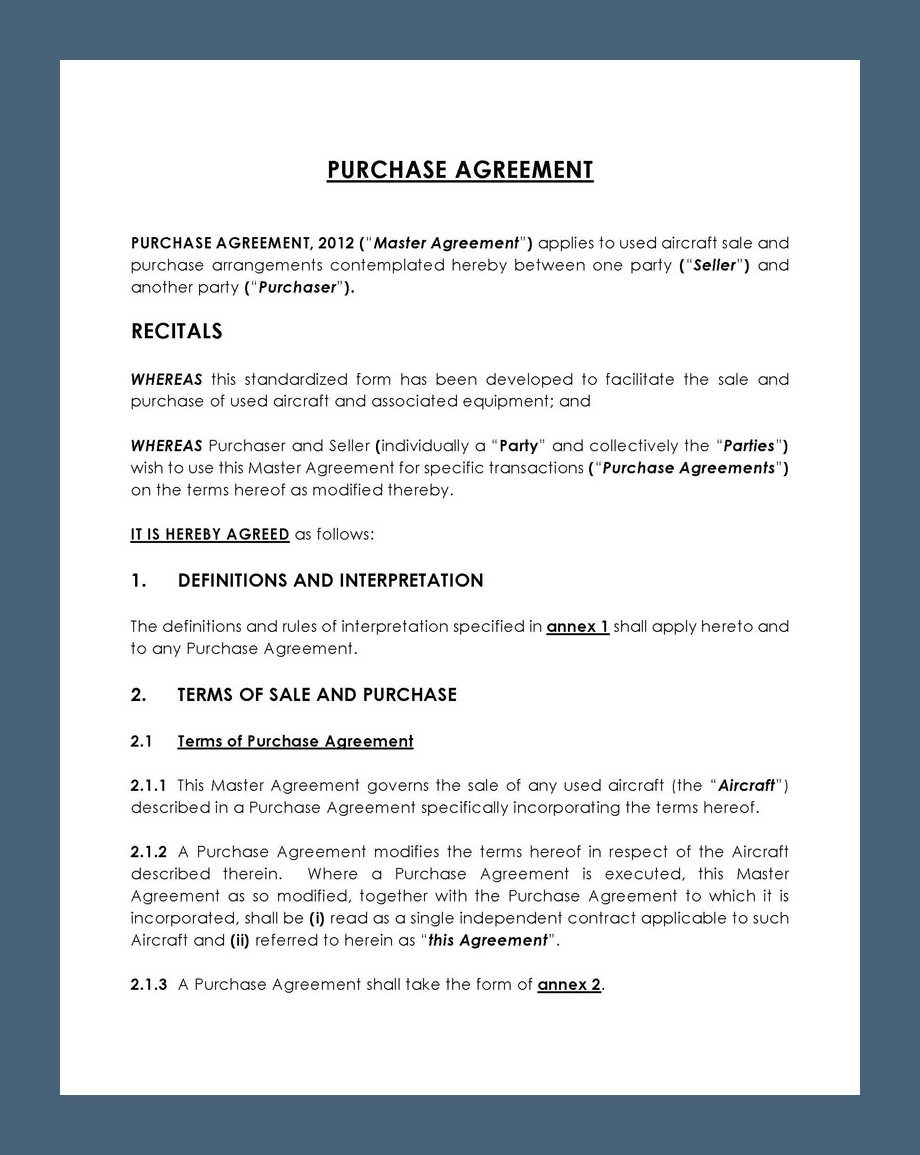
When it comes to business transactions, purchasing contracts play a crucial role in ensuring that all parties involved are on the same page. Whether you are a buyer or a seller, having a solid contract in place can help protect your interests and prevent any misunderstandings down the line. In this comprehensive guide, we will take a closer look at what purchasing contracts are, why they are important, what to include in them, how to create one, and some tips for successful contract negotiations.
What is a Purchasing Contract?
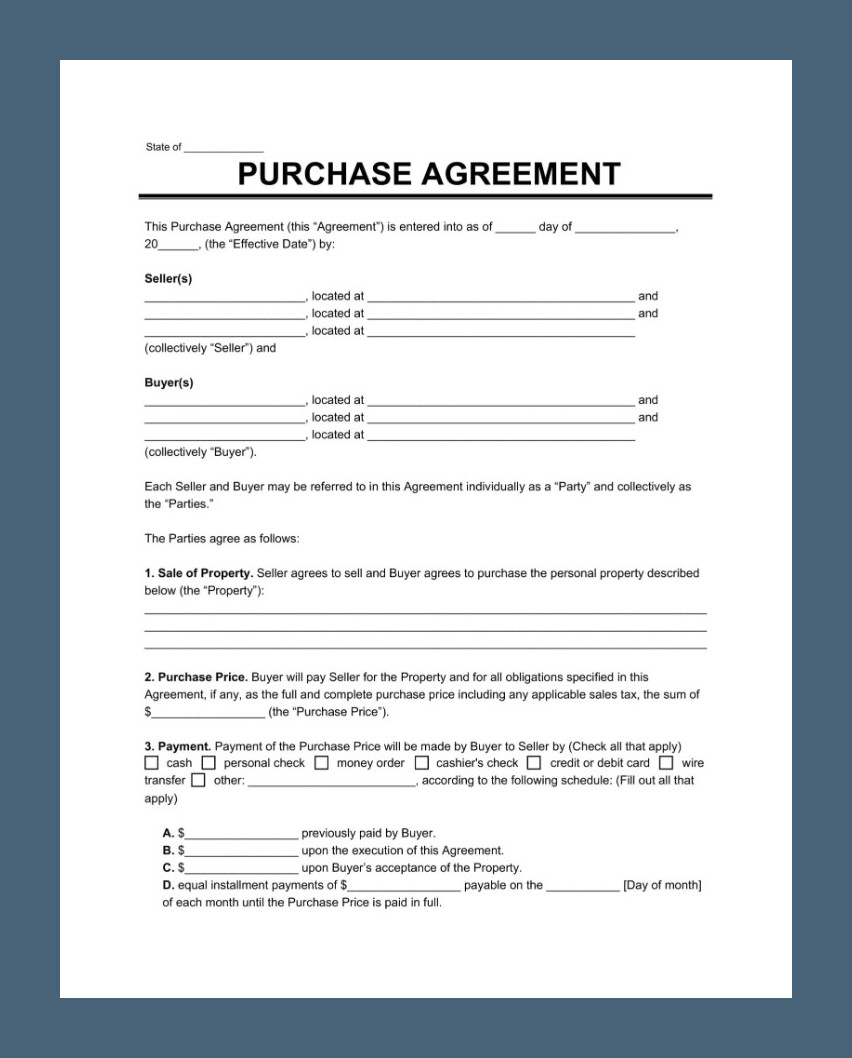
A purchasing contract is a legally binding agreement between a buyer and a seller that outlines the terms and conditions of a transaction. This document typically includes details such as the price of the goods or services being purchased, the quantity, quality standards, delivery dates, payment terms, and any other relevant information. By clearly defining these terms upfront, both parties can avoid disputes and ensure a smooth transaction process.
When it comes to purchasing contracts, there are several key elements that should be included to protect the interests of all parties involved. Here are some of the most important things to consider when creating a purchasing contract:
- Clear Identification of the Parties: Make sure to clearly identify who the buyer and seller are in the contract.
- Description of the Goods or Services: Provide a detailed description of the goods or services being purchased, including any specifications or quality standards.
- Price and Payment Terms: Outline the price of the goods or services, as well as the payment terms and any applicable taxes or fees.
- Delivery Terms: Specify the delivery dates, shipping methods, and any other relevant details related to the delivery of the goods or services.
- Warranties and Guarantees: Include any warranties or guarantees offered by the seller, as well as any remedies in case of defects or non-compliance.
- Dispute Resolution: Outline the procedure for resolving any disputes that may arise during the course of the contract.
How to Create a Purchasing Contract
Creating a purchasing contract can seem like a daunting task, but with the right approach, it can be a relatively straightforward process. Here are some steps to follow when creating a purchasing contract:
1. Start by outlining the key terms and conditions of the agreement, including the price, quantity, delivery dates, and payment terms.
2. Clearly define the roles and responsibilities of each party in the contract.
3. Include any warranties, guarantees, or remedies that are relevant to the transaction.
4. Specify the dispute resolution process in case any issues arise.
5. Review the contract carefully to ensure that all terms are clear and accurately reflect the agreement between the parties.
6. Have both parties sign the contract to make it legally binding.
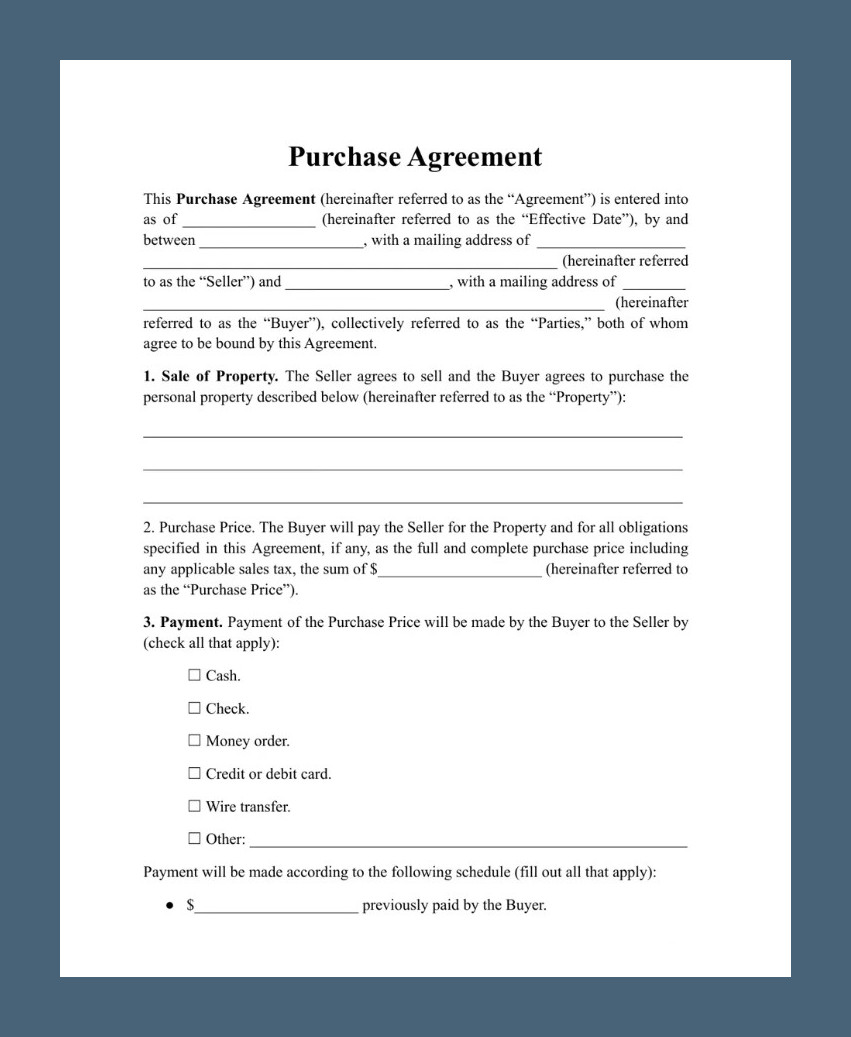
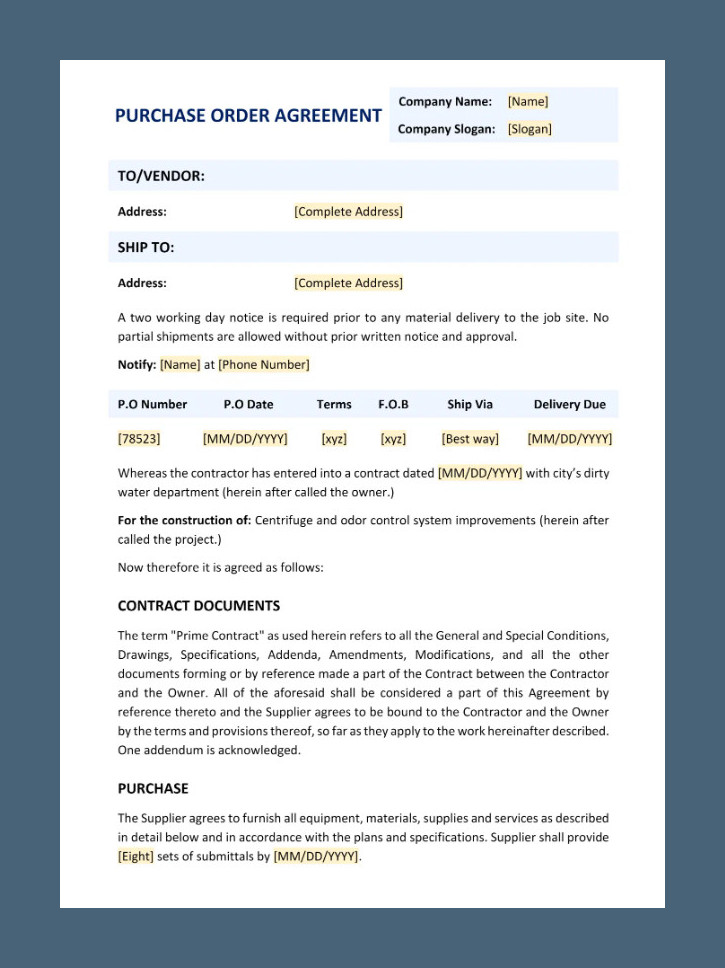
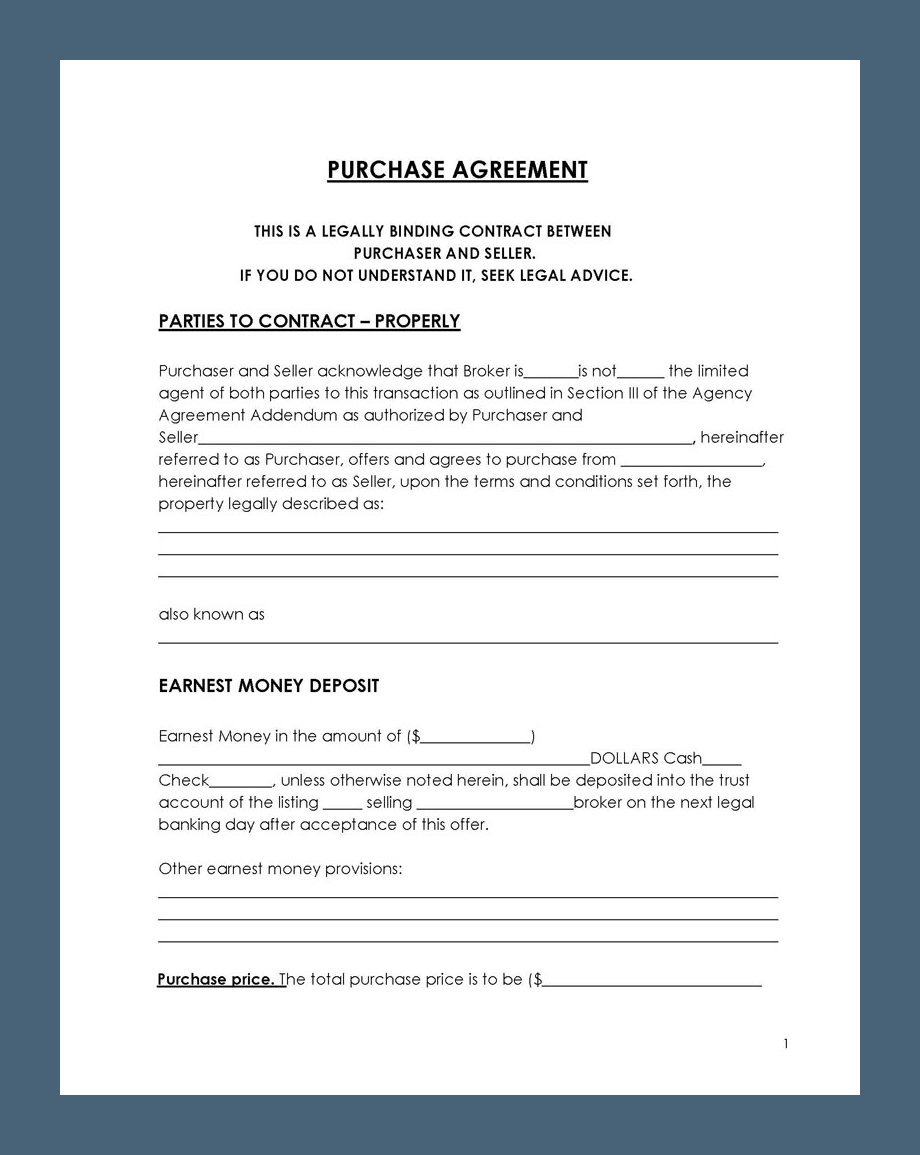
Examples
Tips for Successful Contract Negotiations
Negotiating a purchasing contract can be a delicate process, but with the right approach, you can ensure that both parties are satisfied with the final agreement. Here are some tips for successful contract negotiations:
1. Do your research and come prepared with a clear understanding of what you want to achieve in the contract.
2. Be open to compromise and willing to listen to the other party’s concerns and priorities.
3. Clearly communicate your expectations and make sure that all terms are written down in the contract.
4. Seek legal advice if needed to ensure that the contract is legally sound and protects your interests.
5. Take your time to review the contract carefully before signing to avoid any misunderstandings or disputes in the future.
6. Maintain open lines of communication throughout the negotiation process to address any issues or concerns promptly.
In Conclusion
Purchasing contracts are an essential tool in business transactions, helping to protect the interests of both buyers and sellers. By clearly outlining the terms and conditions of the agreement, parties can avoid disputes and ensure a smooth transaction process. By following the tips outlined in this guide, you can negotiate and create a purchasing contract that meets the needs of all parties involved. Remember to always seek legal advice if needed and take the time to review the contract carefully before signing to avoid any potential pitfalls.
