Meetings are an essential part of any organization, whether it’s a small startup or a large corporation. They provide a platform for team members to collaborate, brainstorm ideas, and make important decisions. However, scheduling meetings can be a daunting task, especially when dealing with busy schedules and conflicting priorities. In this guide, we will explore the ins and outs of meeting schedules, including why they are important, what to include in a meeting schedule, how to effectively manage your time, and tips for successful meeting scheduling.
What is a Meeting Schedule?
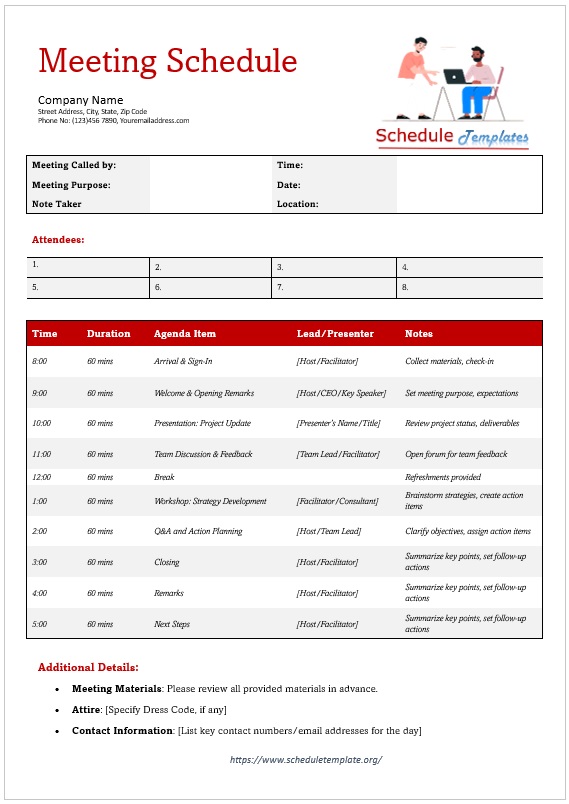
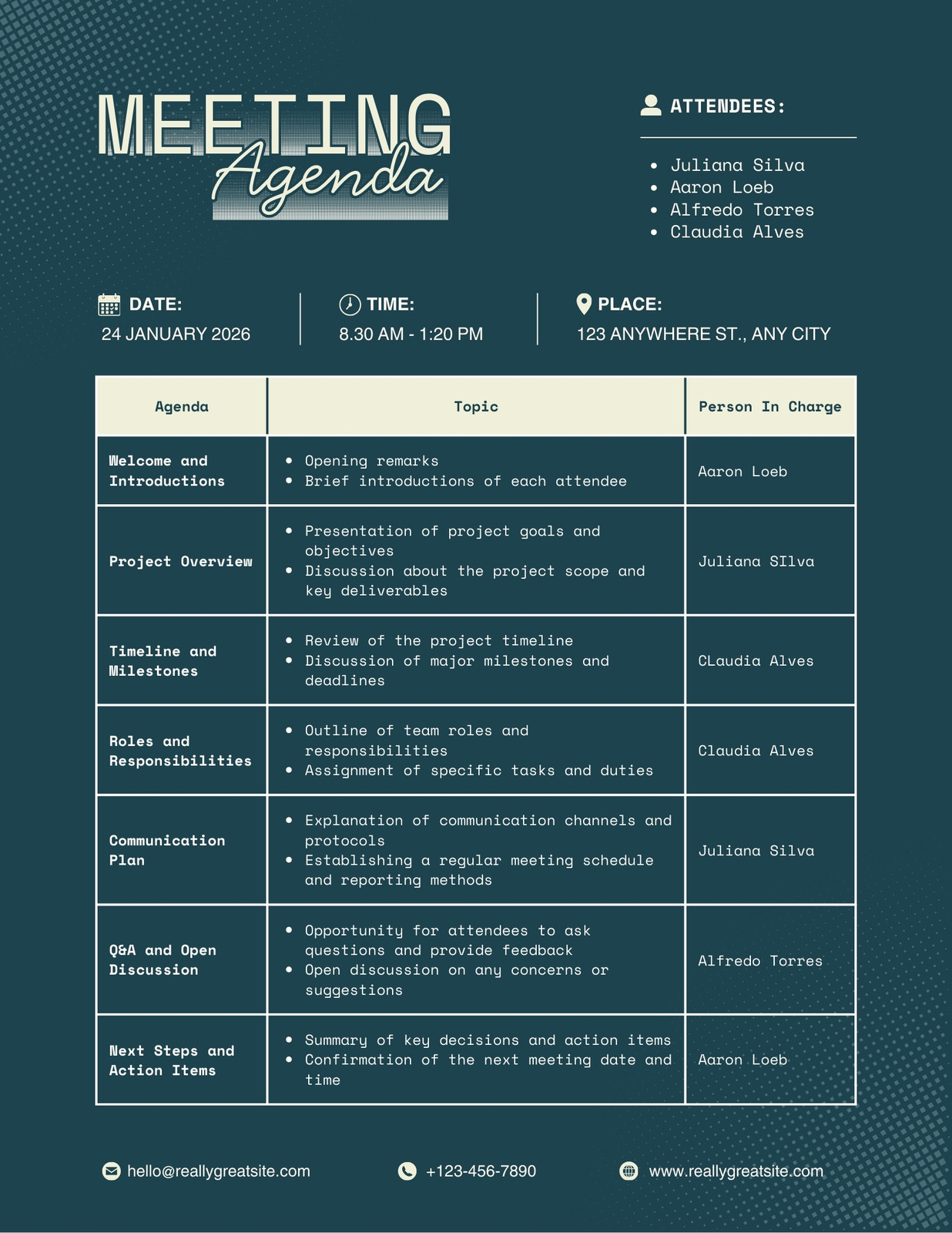
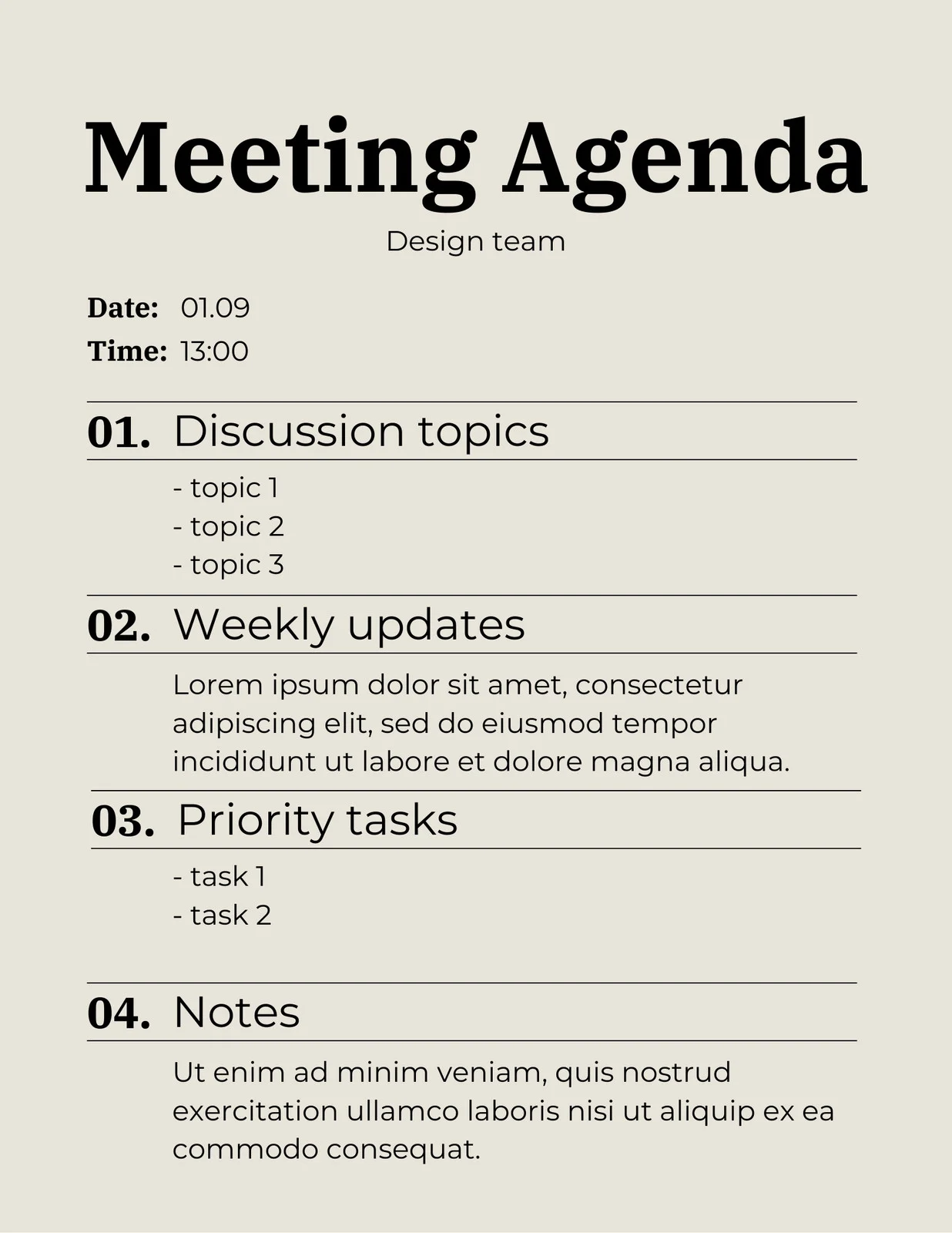
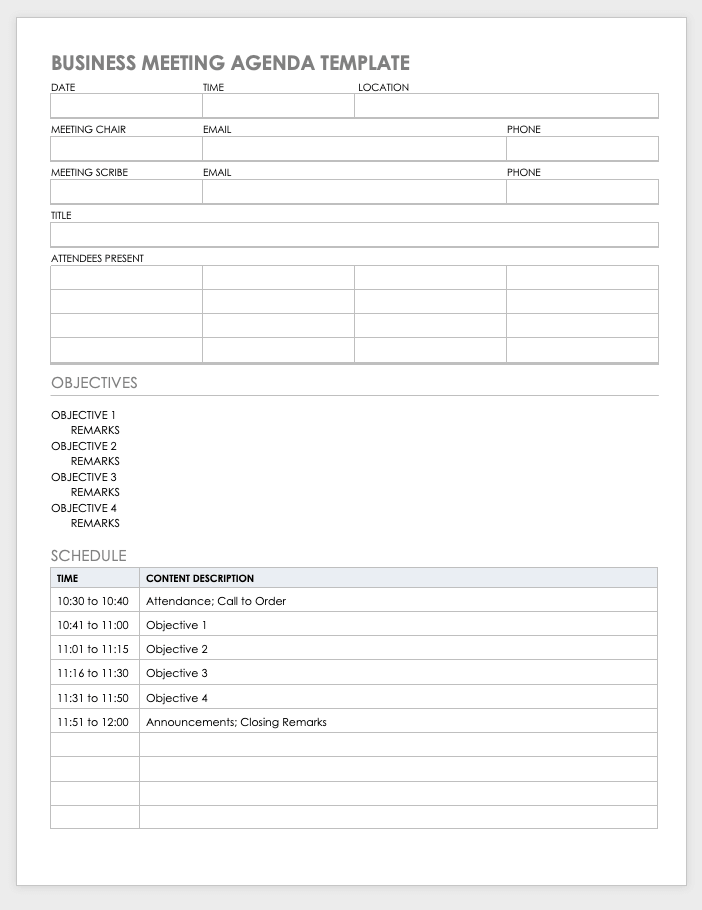
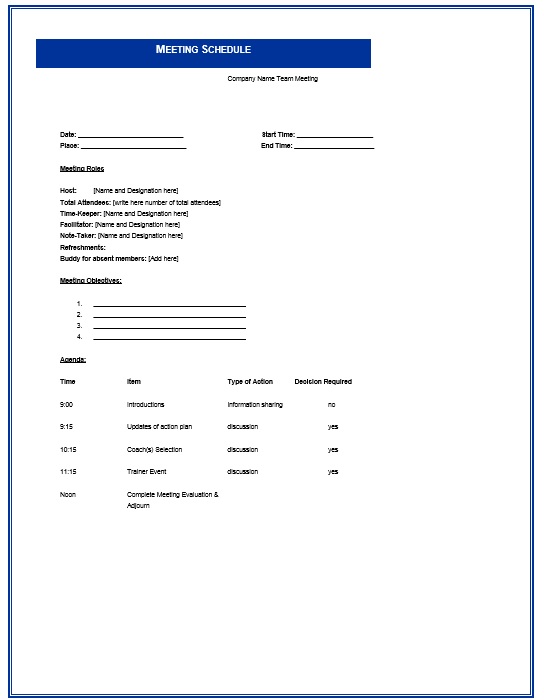
A meeting schedule is a detailed plan that outlines the date, time, location, and agenda of a meeting. It helps ensure that all participants are aware of when and where the meeting will take place, as well as what topics will be discussed. A well-thought-out meeting schedule can help streamline the meeting process, keep everyone on track, and maximize productivity.
Why Meeting Schedules are Important
Having a clear meeting schedule in place is crucial for several reasons:
- Efficiency: A meeting schedule helps keep everyone focused and ensures that all necessary topics are covered in a timely manner.
- Organization: It provides structure and clarity, making it easier for participants to prepare for the meeting.
- Time Management: By setting specific start and end times for the meeting, participants can better manage their schedules and avoid running over time.
- Accountability: A meeting schedule holds participants accountable for their contributions and helps track progress on action items.
What to Include in a Meeting Schedule
When creating a meeting schedule, be sure to include the following key elements:
- Date and Time: Clearly specify the date and time of the meeting to avoid any confusion.
- Location: Provide the physical or virtual location of the meeting, along with any necessary login information for remote participants.
- Agenda: Outline the topics that will be discussed during the meeting, along with time allocations for each agenda item.
- Participants: List all participants who are expected to attend the meeting, including any key stakeholders or decision-makers.
- Preparation: Include any materials or documents that participants need to review or prepare in advance of the meeting.
Examples
How to Effectively Manage Your Meeting Schedule
Managing your meeting schedule effectively requires careful planning and communication. Here are some tips to help you stay on track:
- Set Clear Objectives: Define the purpose of the meeting and what you hope to achieve by the end of it.
- Allocate Time Wisely: Break down the agenda into manageable chunks and allocate time accordingly to ensure all topics are covered.
- Communicate Expectations: Clearly communicate the meeting schedule and agenda to all participants ahead of time to allow for adequate preparation.
- Follow Up: After the meeting, send out meeting minutes or action items to all participants to ensure accountability and track progress.
Tips for Successful Meeting Scheduling
Here are some additional tips for successful meeting scheduling:
- Use a Scheduling Tool: Consider using a scheduling tool or software to help streamline the process and avoid conflicts.
- Be Flexible: Allow for flexibility in your meeting schedule to accommodate unexpected changes or last-minute additions.
- Solicit Feedback: Encourage participants to provide feedback on the meeting schedule and agenda to continuously improve the process.
- Regularly Review and Adjust: Periodically review your meeting schedule to identify any inefficiencies or areas for improvement, and make adjustments as needed.
Conclusion
Effective meeting scheduling is essential for maximizing productivity and ensuring that all participants are on the same page. By following the tips outlined in this guide and creating a detailed meeting schedule, you can streamline the meeting process, keep everyone on track, and achieve your desired outcomes. Remember, communication and preparation are key to successful meeting scheduling, so take the time to plan ahead and set clear expectations for all participants.
