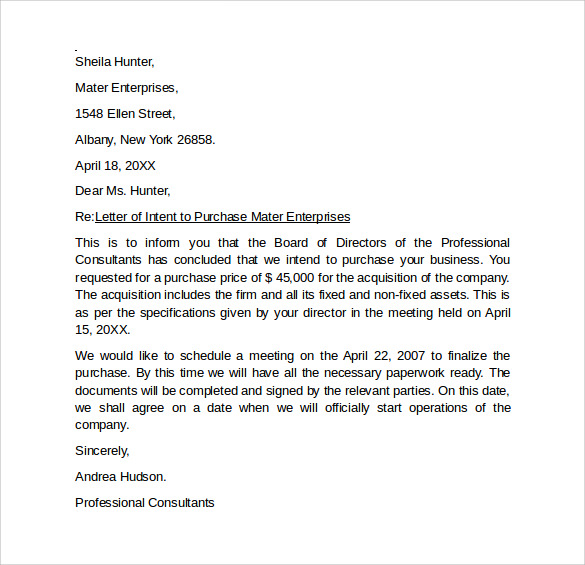
Are you considering buying a business but unsure of where to start? One crucial step in the process is drafting a letter of intent to purchase a business. This document outlines the key terms and conditions of the proposed transaction, serving as a roadmap for the negotiations that will follow. In this guide, we will delve into the ins and outs of crafting a compelling letter of intent that sets the stage for a successful business acquisition.
What is a Letter of Intent to Purchase a Business?
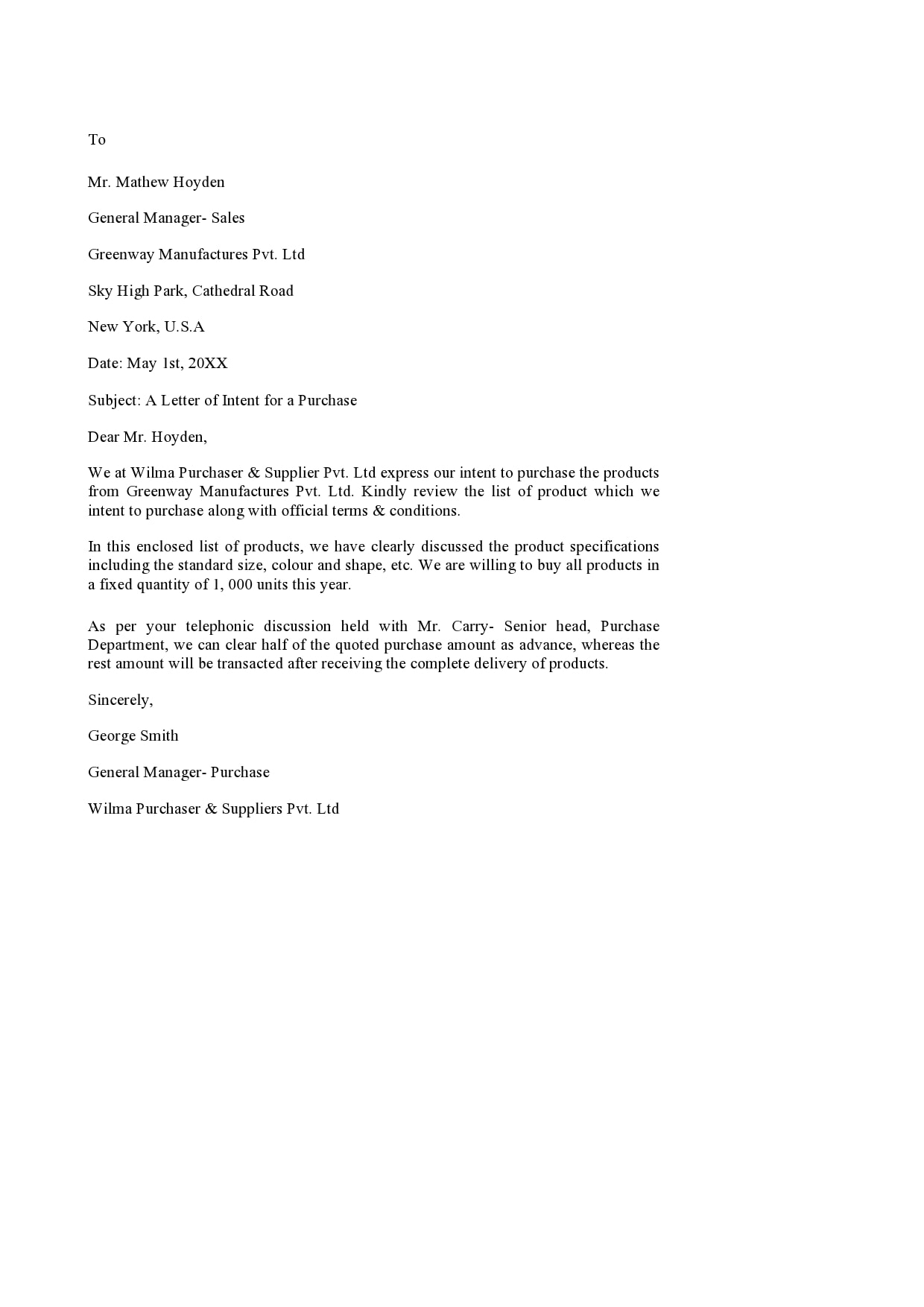
A letter of intent (LOI) is a formal document that outlines the preliminary agreement between the buyer and seller regarding the sale of a business. It serves as a summary of the key terms and conditions that will govern the transaction, providing a framework for the due diligence process and negotiations. While the LOI is not legally binding, it is a crucial step in the acquisition process as it sets the tone for the deal and ensures that both parties are on the same page.
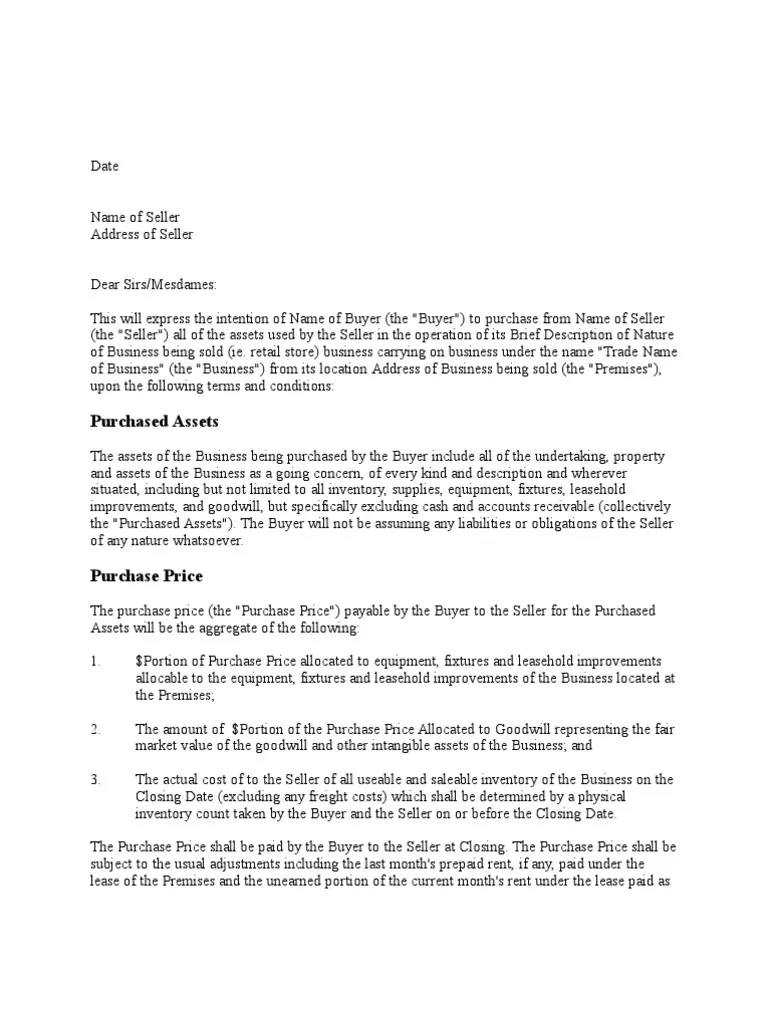
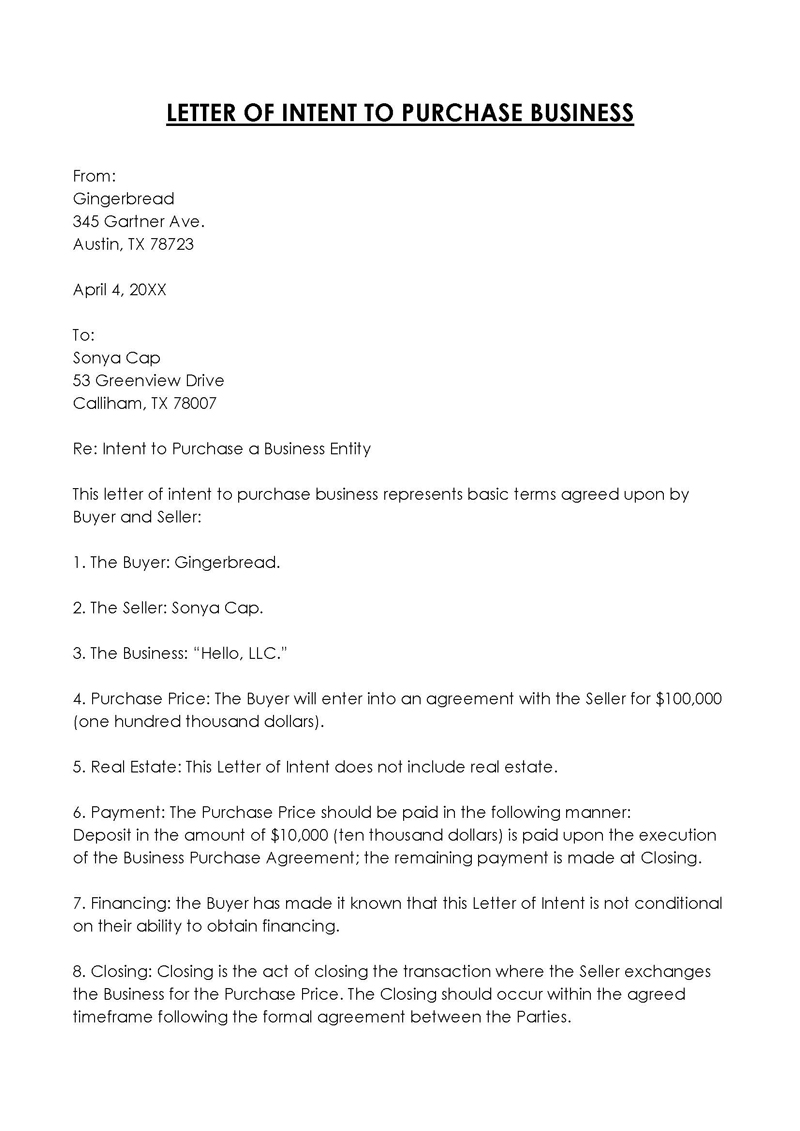
When drafting a letter of intent, it is essential to clearly outline the key terms of the proposed transaction, including the purchase price, payment structure, closing date, and any contingencies that need to be met. The LOI should also address important details such as the scope of the sale, confidentiality provisions, and exclusivity rights. By clearly defining these terms upfront, both parties can avoid misunderstandings and conflicts down the line.
Why is a Letter of Intent Important?
A well-crafted letter of intent plays a crucial role in the business acquisition process for several reasons. Firstly, it helps to demonstrate the buyer’s serious intent to purchase the business, which can reassure the seller and build trust between the parties. Additionally, the LOI serves as a roadmap for the negotiations, providing a clear framework for the deal and helping to streamline the due diligence process.
From the buyer’s perspective, the LOI allows them to outline their proposed terms and conditions for the sale, giving them a starting point for negotiations with the seller. For the seller, the LOI provides a formal indication of the buyer’s interest and helps to clarify the terms of the proposed transaction. Overall, a well-drafted letter of intent can help to expedite the acquisition process and increase the likelihood of a successful deal.
What to Include in a Letter of Intent to Purchase a Business
When drafting a letter of intent to purchase a business, there are several key elements that should be included to ensure that the document is comprehensive and clear. Some of the essential components to include in an LOI are:
- Purchase Price: Clearly state the proposed purchase price for the business, including any terms related to adjustments or earn-outs.
- Payment Structure: Outline how the purchase price will be paid, whether through cash, stock, seller financing, or other means.
- Closing Date: Specify the anticipated closing date for the transaction, including any conditions that need to be met before closing.
- Scope of the Sale: Define the assets or shares being sold, along with any exclusions or carve-outs.
- Due Diligence: Detail the due diligence process, including the timeline and access to information required for the buyer to conduct their review.
- Confidentiality: Include provisions to protect the confidentiality of sensitive information shared during the negotiation process.
- Exclusivity: Consider including a provision granting the buyer exclusivity for a specified period to negotiate the deal without competition.
- Contingencies: Identify any conditions that need to be met for the deal to proceed, such as financing approval or regulatory clearance.
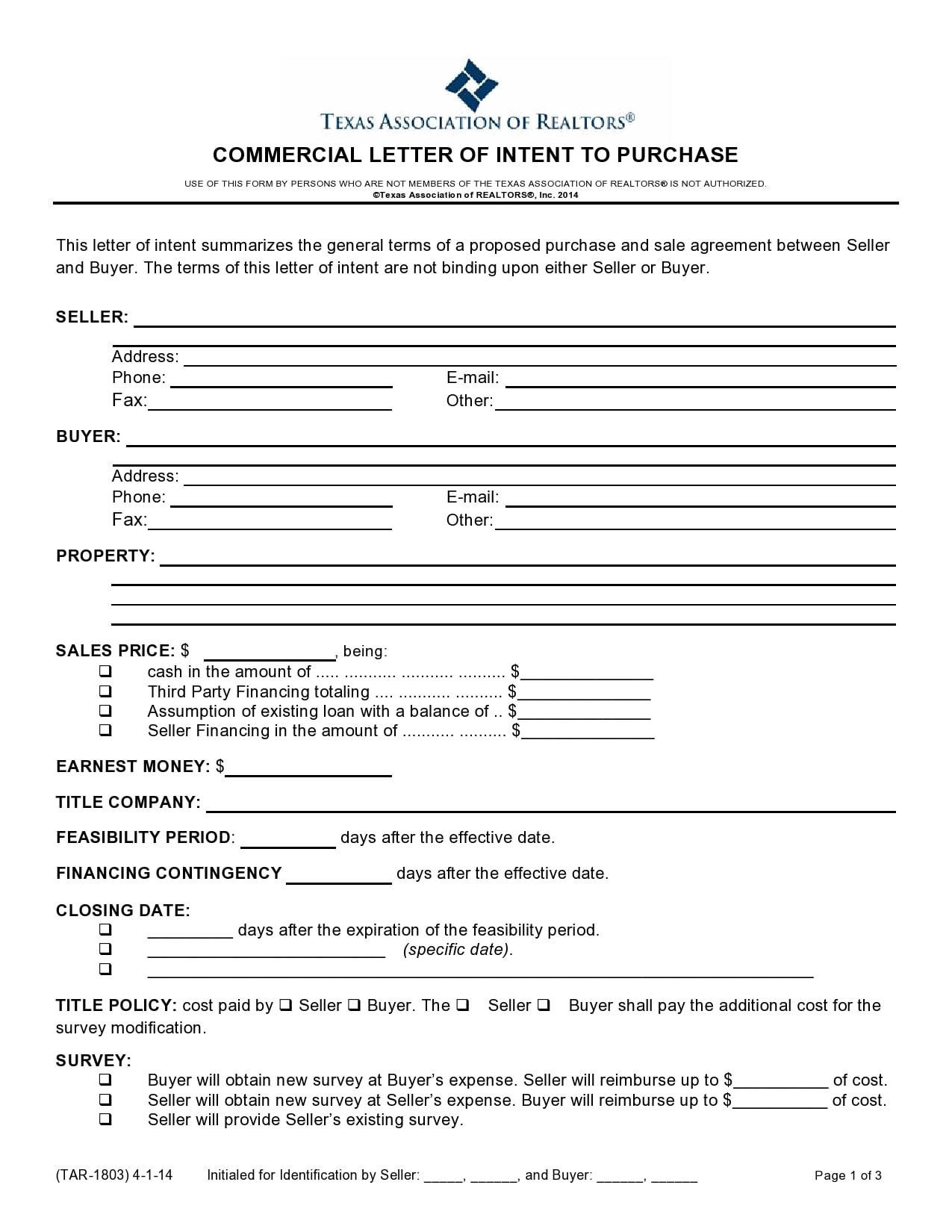
How to Draft a Letter of Intent to Purchase a Business
Drafting a letter of intent to purchase a business can be a complex process, but following a structured approach can help to ensure that the document is comprehensive and well-organized. Here are some steps to follow when drafting an LOI:
1. Start by outlining the key terms and conditions of the proposed transaction, including the purchase price, payment structure, and closing date.2. Clearly define the scope of the sale, specifying the assets or shares being sold and any exclusions.3. Include provisions for due diligence, confidentiality, and exclusivity to protect the interests of both parties.4. Address any contingencies that need to be met for the deal to proceed, such as financing approval or regulatory clearance.5. Review the draft LOI carefully to ensure that all terms are accurately reflected and that the document is clear and easy to understand.6. Seek legal advice to review the document and ensure that it complies with relevant laws and regulations.
By following these steps and taking a structured approach to drafting your letter of intent, you can increase the likelihood of a successful business acquisition and pave the way for a smooth negotiation process.
Tips for Successful Negotiations
Negotiating the terms of a business acquisition can be a challenging process, but with the right approach, you can increase your chances of reaching a mutually beneficial agreement. Here are some tips for successful negotiations:
- Do Your Homework: Conduct thorough due diligence on the business and market to understand the key drivers of value and potential risks.
- Focus on Interests: Identify the underlying interests of both parties and look for creative solutions that meet the needs of each side.
- Be Flexible: Be open to compromise and explore different options to find common ground and reach a mutually beneficial agreement.
- Communicate Effectively: Maintain open and transparent communication with the other party to build trust and foster a positive negotiation environment.
- Seek Professional Advice: Consider engaging legal and financial advisors to provide guidance and support throughout the negotiation process.
- Stay Patient: Negotiations can be a lengthy process, so be prepared to exercise patience and persistence to reach a satisfactory outcome.
- Document Everything: Keep detailed records of all communications and agreements reached during the negotiation process to avoid misunderstandings or disputes later on.
By following these tips and approaching the negotiation process with a strategic mindset, you can maximize your chances of reaching a successful agreement and completing a smooth business acquisition.
In conclusion, drafting a letter of intent to purchase a business is a critical step in the acquisition process that sets the stage for successful negotiations. By understanding the key elements to include in an LOI, following a structured approach to drafting the document, and adopting best practices for negotiations, you can increase your chances of reaching a mutually beneficial agreement with the seller. Remember to seek professional advice and approach the process with a strategic mindset to maximize your chances of a successful business acquisition.
Letter of Intent Template to Purchase a Business
