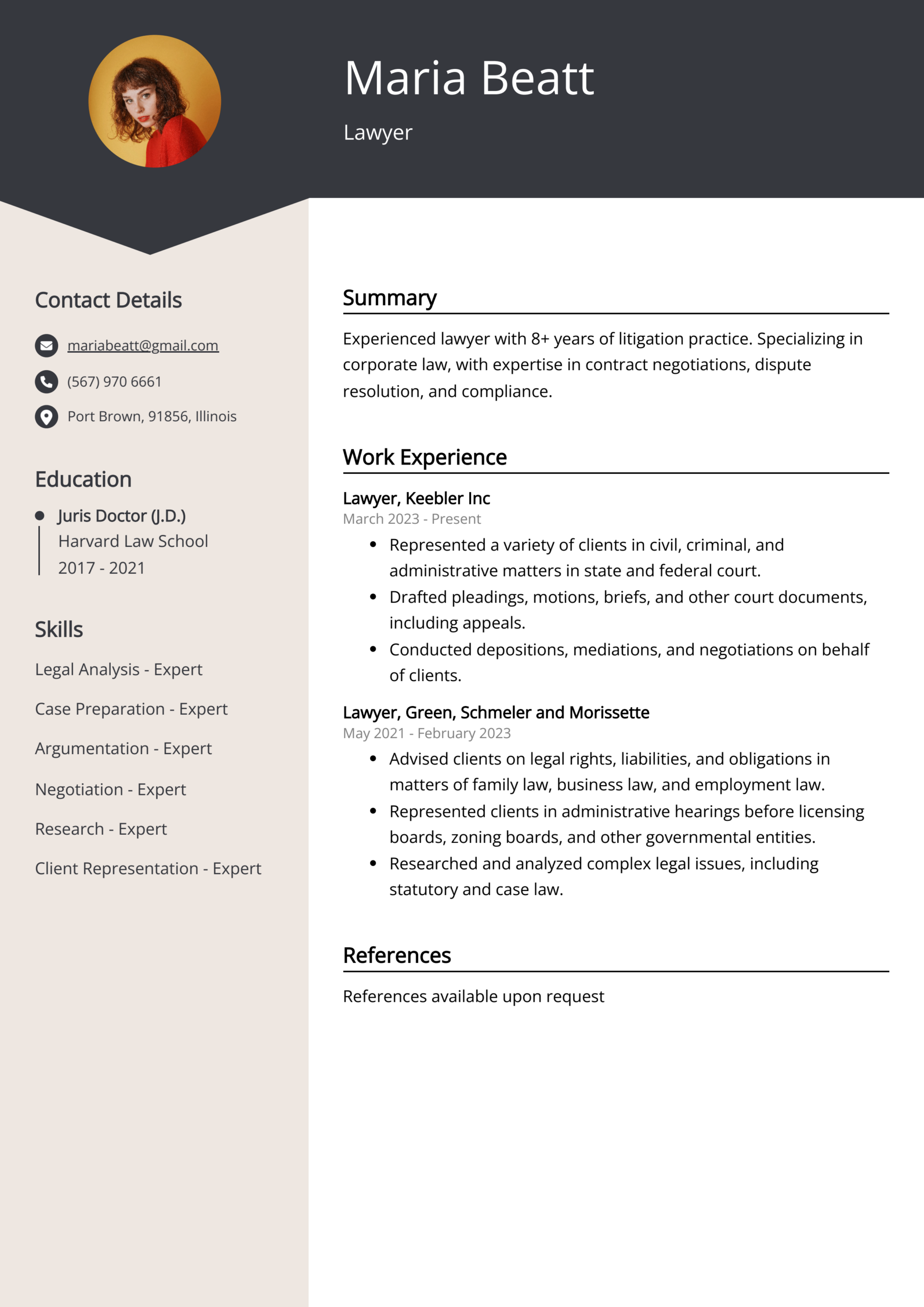
As a lawyer, your resume is your ticket to success in the competitive legal field. It serves as your first impression to potential employers and can make or break your chances of landing your dream job. Crafting a stellar lawyer resume is crucial to showcase your skills, experiences, and achievements in the best light possible. In this article, we will explore what makes a great lawyer resume, why it is important, what to include, how to structure it effectively, and provide some tips for success.
What Makes a Great Lawyer Resume?
A great lawyer resume should be clear, concise, and tailored to the specific job you are applying for. It should highlight your relevant experience, skills, and achievements in a way that demonstrates your value to potential employers. Your resume should be easy to read, well-organized, and free of any errors or typos. Additionally, it should be visually appealing and professional in design.
1. Relevant Experience:
Highlight your experience in the legal field, including internships, clerkships, and any previous positions you have held. Be sure to include specific examples of your accomplishments and responsibilities in each role.
2. Skills:
Showcase your legal skills, such as research, writing, negotiation, and advocacy. Include any specialized skills or certifications that are relevant to the job you are applying for.
3. Achievements:
Highlight any awards, honors, or recognition you have received in your legal career. This can help set you apart from other candidates and demonstrate your commitment to excellence.
4. Education:
List your education, including your law degree and any additional degrees or certifications you have obtained. Include your GPA if it is impressive, as well as any relevant coursework or projects.
5. Bar Admission:
If you are licensed to practice law in a specific jurisdiction, be sure to include this information on your resume. This can be a key factor for employers when considering candidates for legal positions.
Why Is a Lawyer Resume Important?
Your resume is often the first impression that potential employers will have of you. A well-crafted resume can help you stand out from the competition and increase your chances of landing an interview. It is important to showcase your skills, experiences, and achievements in a way that highlights your value as a candidate. A strong resume can open doors to new opportunities and help you advance your legal career.
What to Include in Your Lawyer Resume
When crafting your lawyer resume, be sure to include the following key elements:
- Contact Information. Include your name, phone number, email address, and LinkedIn profile (if applicable).
- Summary or Objective. A brief statement highlighting your key qualifications and career goals.
- Experience. List your work experience in reverse chronological order, including job titles, dates of employment, and key responsibilities.
- Education. Include your law degree, any additional degrees or certifications, and relevant coursework.
- Skills. Highlight your legal skills, such as research, writing, negotiation, and advocacy.
- Achievements. Showcase any awards, honors, or recognition you have received in your legal career.
- Bar Admission. If you are licensed to practice law, include this information on your resume.
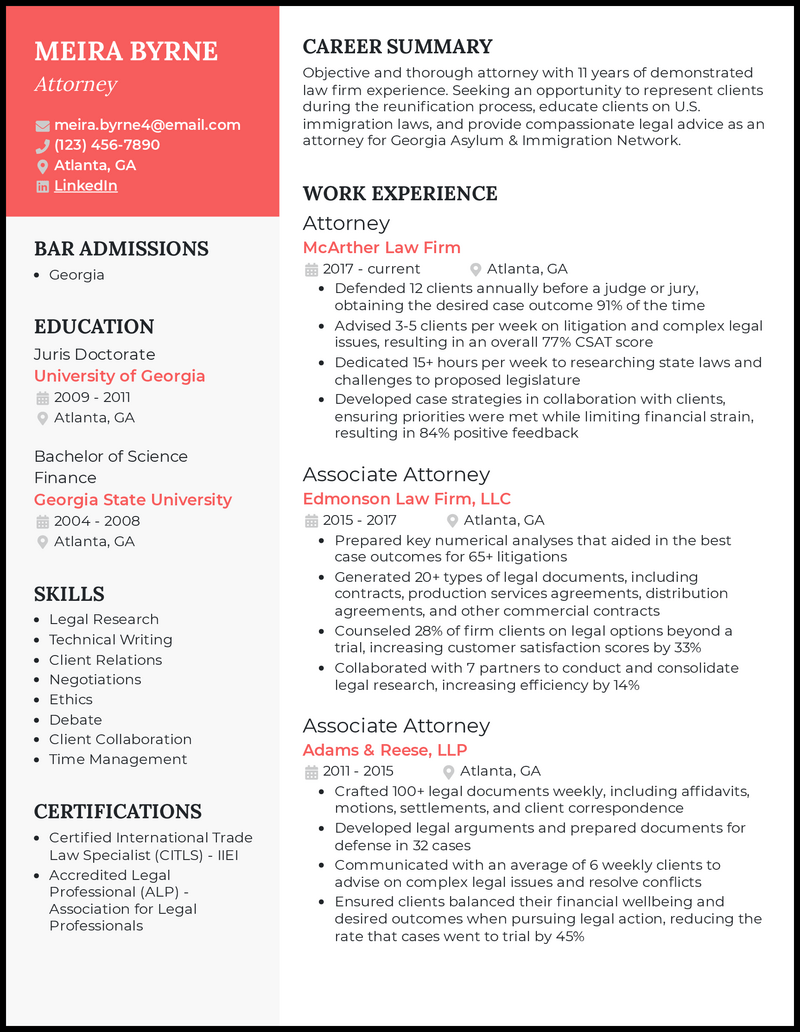
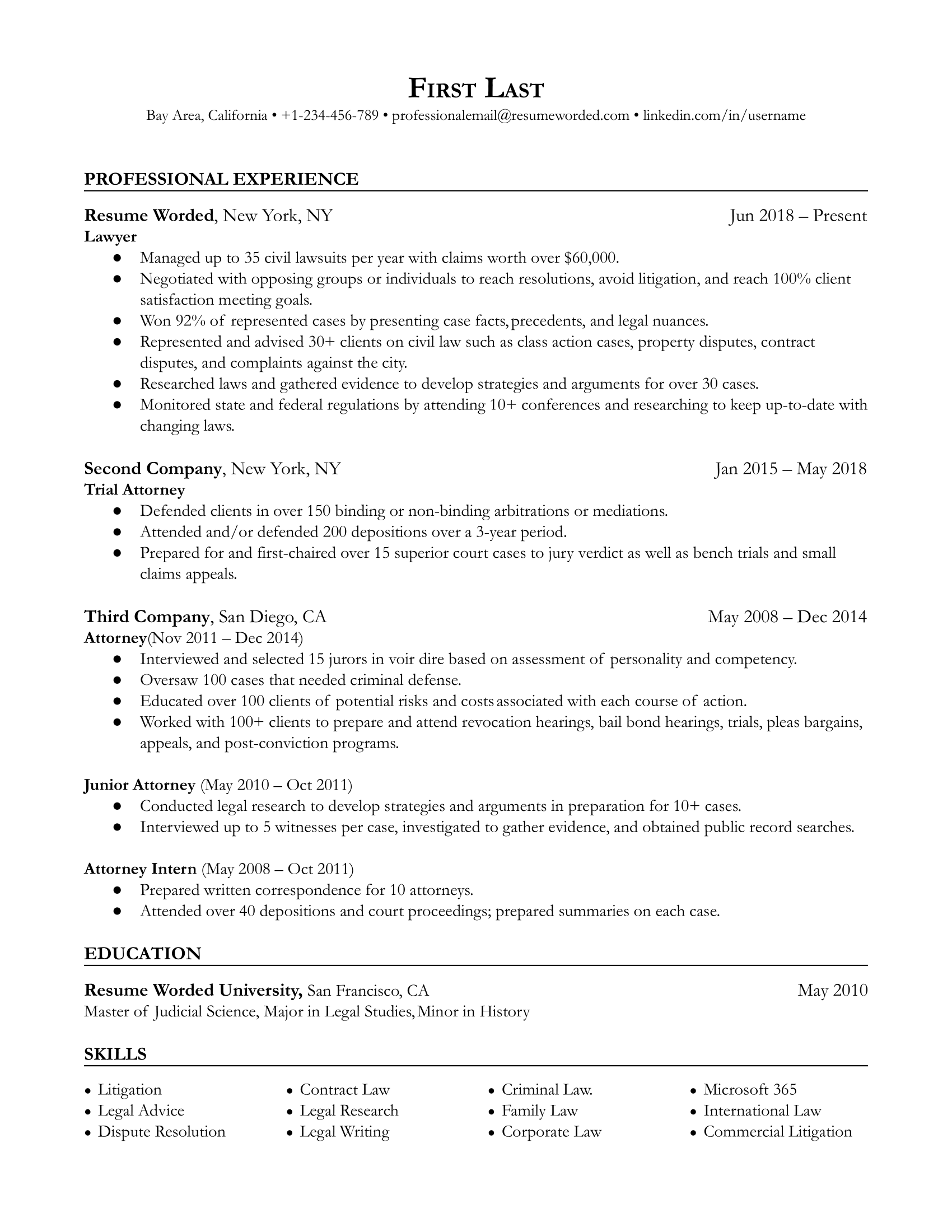
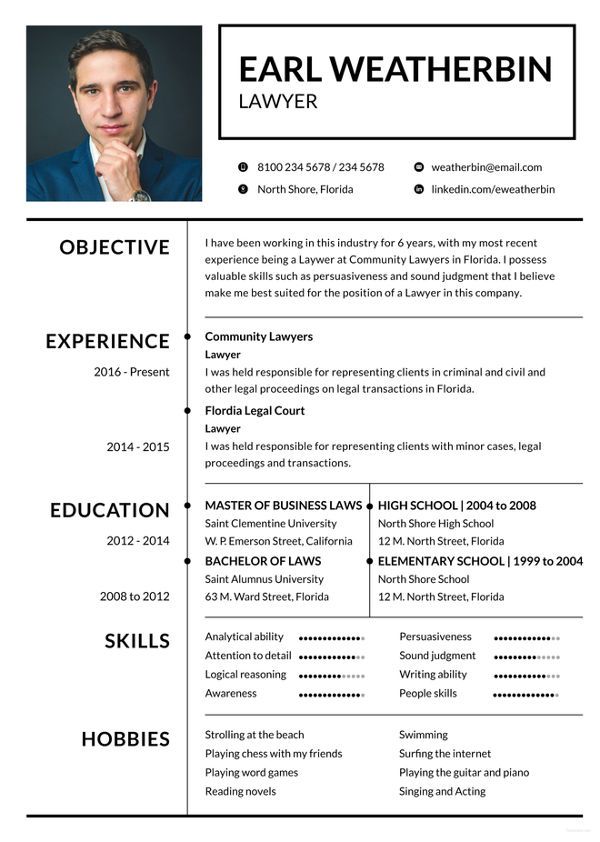
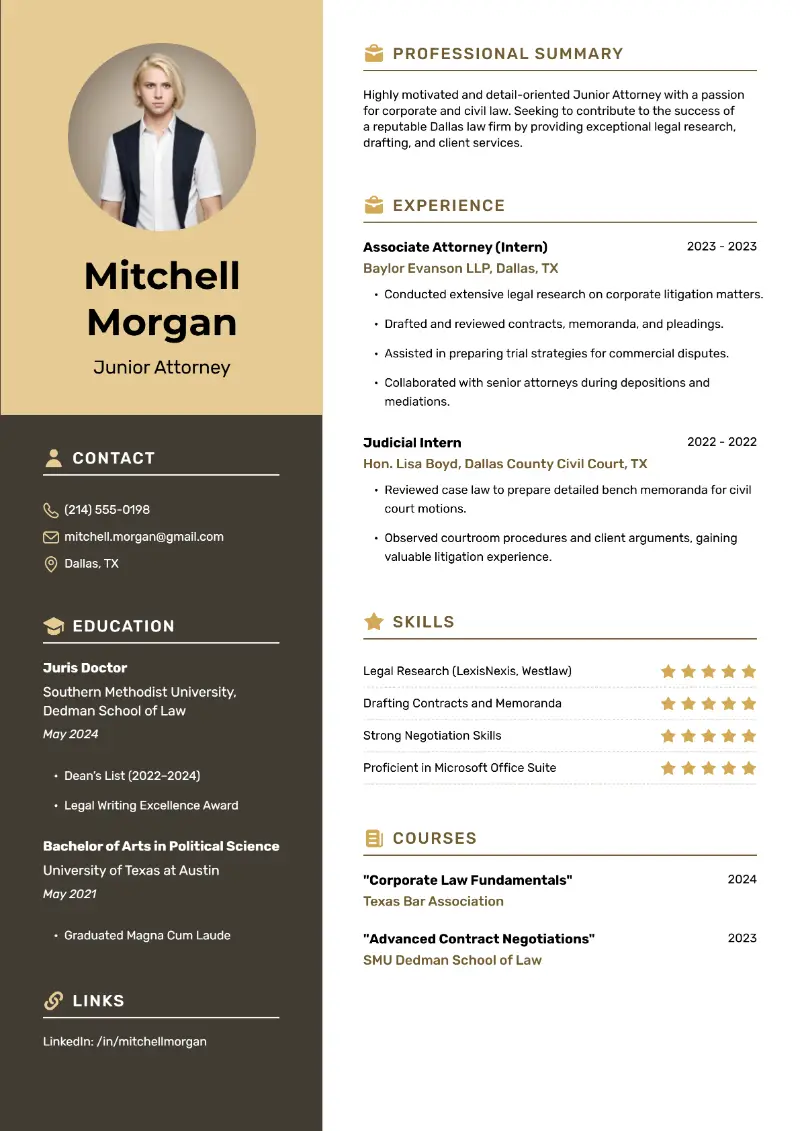
How to Structure Your Lawyer Resume Effectively
When structuring your lawyer resume, follow these tips to ensure it is effective and impactful:
- Use a professional format. Choose a clean and professional design that is easy to read and visually appealing.
- Be concise. Keep your resume to one page if possible, focusing on the most relevant information for the job you are applying for.
- Customize for each job. Tailor your resume to the specific job you are applying for, highlighting the skills and experiences that are most relevant.
- Include keywords. Use keywords from the job description to help your resume get noticed by applicant tracking systems.
- Proofread carefully. Check for any errors or typos, and have someone else review your resume before sending it out.
Tips for Successful Lawyer Resumes
Here are some additional tips to help you create a successful lawyer resume:
- Quantify your achievements. Use numbers and data to quantify your accomplishments, such as the number of cases won or clients represented.
- Highlight your unique selling points. Showcase what sets you apart from other candidates, such as specialized skills or experience in a particular area of law.
- Keep it updated. Regularly update your resume with new experiences, skills, and achievements to ensure it is always current.
- Seek feedback. Ask for feedback from mentors, colleagues, or professional resume writers to help improve your resume.
- Stay organized. Keep track of your accomplishments and experiences so you can easily update your resume as needed.
By following these tips and guidelines, you can create a standout lawyer resume that showcases your skills and experiences in the best light possible. Remember, your resume is your first opportunity to make a positive impression on potential employers, so make it count!
