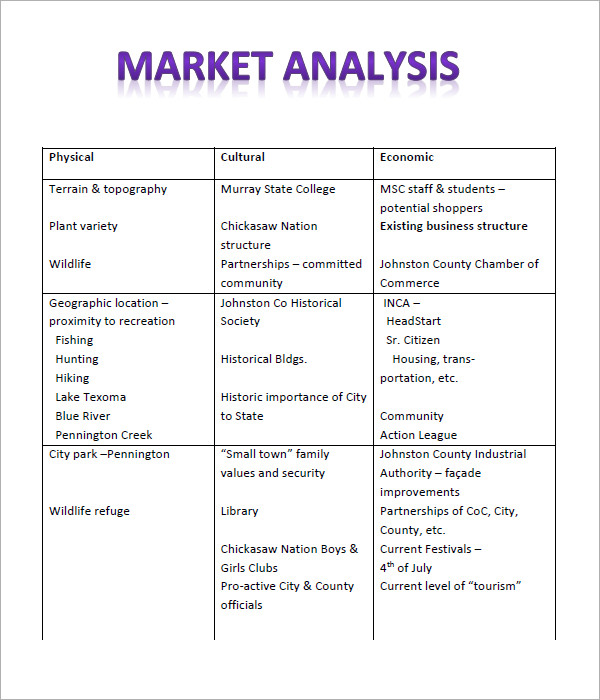
Market analysis is a crucial process that helps businesses understand their target market, competitors, and industry trends. By conducting a thorough market analysis, companies can make informed decisions, identify opportunities for growth, and develop effective strategies to stay ahead of the competition. In this comprehensive guide, we will delve into the what, why, and how of market analysis, as well as provide tips for successful implementation.
What is Market Analysis?
Market analysis is the process of evaluating the market environment to understand customer needs, preferences, and behaviors. It involves collecting and analyzing data related to the target market, industry trends, and competitors to identify opportunities and threats. Market analysis helps businesses make informed decisions about product development, pricing, distribution channels, and marketing strategies.
Market analysis can be conducted at various levels, including macroeconomic analysis (examining overall economic conditions), industry analysis (assessing industry trends and competitive landscape), and market segmentation (identifying target customer segments). By understanding the market dynamics, businesses can tailor their offerings to meet customer needs and gain a competitive advantage.
1. Conduct Market Research
Market research is a critical component of market analysis, as it involves gathering data on customer preferences, buying behavior, and competitors. Primary research methods include surveys, interviews, and focus groups, while secondary research involves gathering information from existing sources such as industry reports, government databases, and competitor websites.
- Survey Customers: Create surveys to gather feedback from customers about their needs, preferences, and satisfaction with existing products or services.
- Interview Stakeholders: Conduct interviews with industry experts, suppliers, and distributors to gain insights into market trends and opportunities.
- Analyze Competitors: Research competitors’ products, pricing strategies, and marketing tactics to identify strengths and weaknesses.
2. Identify Market Trends
Understanding market trends is essential for predicting future demand and staying ahead of competitors. By monitoring industry developments, technological advancements, and consumer preferences, businesses can identify opportunities for innovation and growth. Market trends can include shifts in consumer behavior, emerging technologies, regulatory changes, and competitive threats.
- Monitor Industry Publications: Stay updated on industry news, reports, and publications to identify key trends and developments.
- Track Consumer Behavior: Use analytics tools to track customer interactions with your website, social media channels, and products to understand their preferences and behaviors.
- Attend Industry Conferences: Participate in industry events and conferences to network with industry leaders and gain insights into emerging trends.
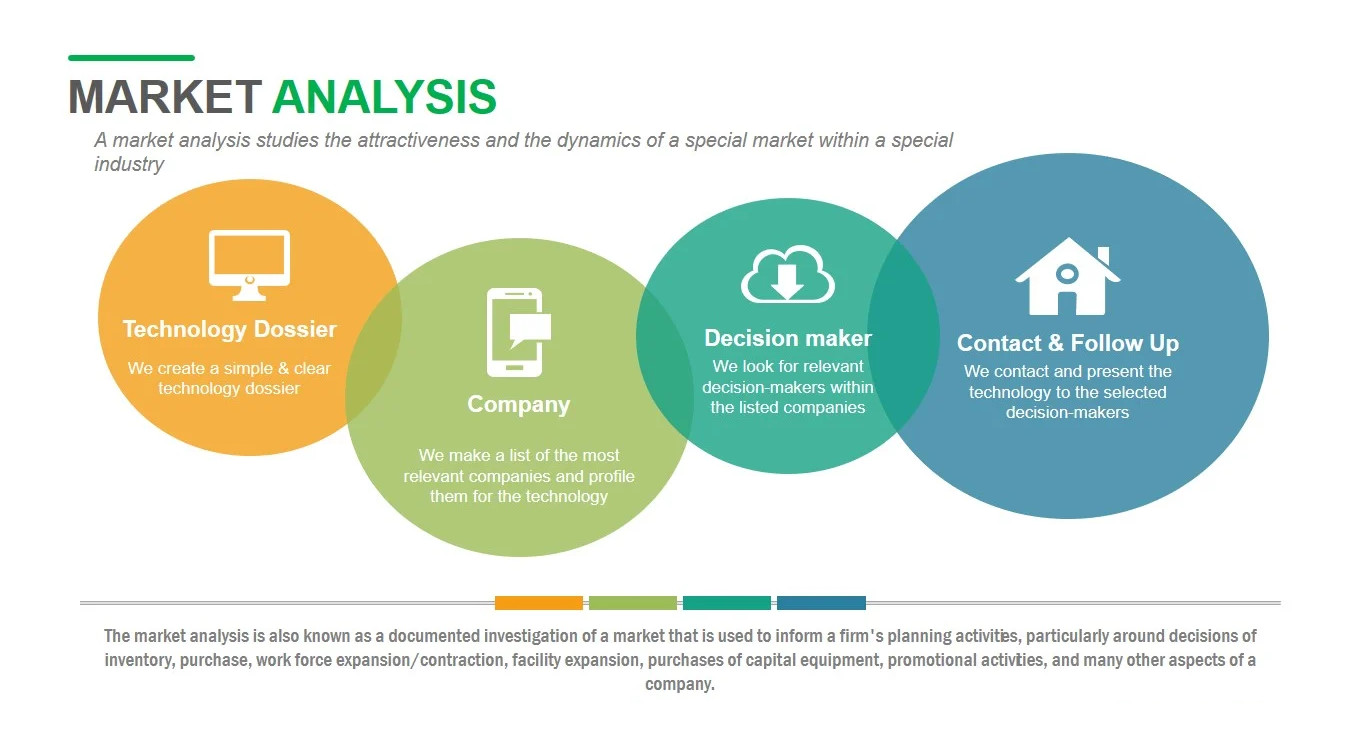
Why is Market Analysis Important?
Market analysis is essential for businesses to make informed decisions and develop effective strategies. By understanding the market environment, companies can identify opportunities for growth, mitigate risks, and stay competitive. Market analysis also helps businesses allocate resources effectively, target the right customers, and differentiate themselves from competitors.
1. Identify Opportunities and Threats
Market analysis enables businesses to identify opportunities for growth and potential threats to their success. By analyzing market trends, customer needs, and competitor strategies, companies can develop targeted strategies to capitalize on opportunities and mitigate risks.
2. Inform Decision-Making
Market analysis provides valuable insights that can inform decision-making across the organization. From product development to marketing campaigns, market analysis helps businesses make data-driven decisions that are aligned with customer needs and market trends.
3. Stay Ahead of Competitors
By conducting regular market analysis, businesses can stay ahead of competitors and maintain a competitive edge. By understanding competitor strategies, market trends, and customer preferences, companies can develop innovative products and services that differentiate them from rivals.
What to Include in a Market Analysis Report
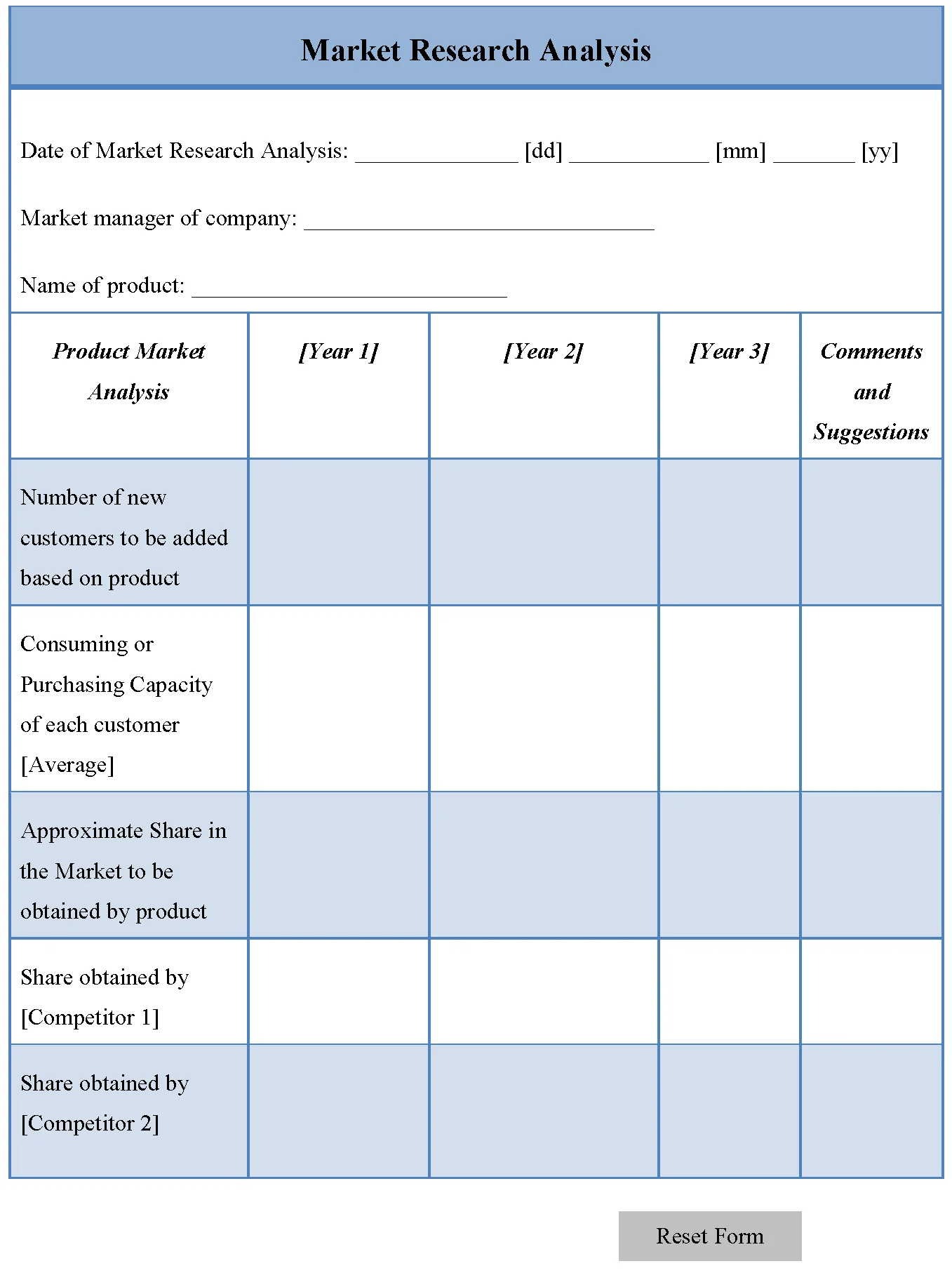
A comprehensive market analysis report should include the following components:
- Executive Summary: Summarize the key findings and recommendations of the market analysis.
- Market Overview: Provide an overview of the target market, including size, growth potential, and key trends.
- Competitive Analysis: Analyze competitors’ strengths, weaknesses, and strategies.
- Customer Analysis: Profile target customers, their needs, preferences, and buying behavior.
- SWOT Analysis: Identify the company’s strengths, weaknesses, opportunities, and threats.
- Recommendations: Provide actionable recommendations based on the market analysis findings.
How to Conduct a Market Analysis
1. Define Your Objectives
Before conducting a market analysis, clearly define your objectives and what you hope to achieve. Whether it’s entering a new market, launching a new product, or expanding your customer base, setting clear objectives will guide your research and analysis.
2. Gather Data
Collect data from primary and secondary sources, including customer surveys, industry reports, competitor websites, and government databases. Make sure to gather both quantitative and qualitative data to get a comprehensive understanding of the market.
3. Analyze the Data
Once you have collected the data, analyze it to identify key trends, opportunities, and threats. Use tools such as SWOT analysis, PESTEL analysis, and Porter’s Five Forces to assess the market environment and make informed decisions.
4. Develop Strategies
Based on your analysis, develop strategies to capitalize on opportunities and mitigate risks. Tailor your product offerings, pricing strategies, and marketing tactics to meet customer needs and stay ahead of competitors.
5. Monitor and Adapt
Market analysis is an ongoing process, so it’s important to monitor market trends, customer preferences, and competitor strategies regularly. Stay agile and be prepared to adapt your strategies based on new information and changing market conditions.
Tips for Successful Market Analysis
- Stay Objective: Approach market analysis with an open mind and avoid bias in interpreting the data.
- Use Multiple Data Sources: Gather data from a variety of sources to get a comprehensive view of the market.
- Involve Stakeholders: Get input from key stakeholders across the organization to ensure buy-in and alignment with business goals.
- Stay Updated: Monitor market trends, customer preferences, and competitor strategies regularly to stay ahead of the curve.
- Take Action: Use market analysis findings to inform decision-making and develop actionable strategies for growth.
In conclusion, market analysis is a vital process for businesses looking to understand their target market, competitors, and industry trends. By conducting thorough market analysis and following the tips outlined in this guide, companies can make informed decisions, identify opportunities for growth, and develop effective strategies to succeed in today’s competitive business landscape.
