Genograms are a valuable tool in psychology and counseling for mapping family relationships and dynamics. They provide a visual representation of a family’s structure, allowing therapists to understand better patterns of behavior, communication styles, and intergenerational issues.
In this article, we will delve into the What, Why, What to Include, How to, and Tips for creating and interpreting genograms.
What is a Genogram?
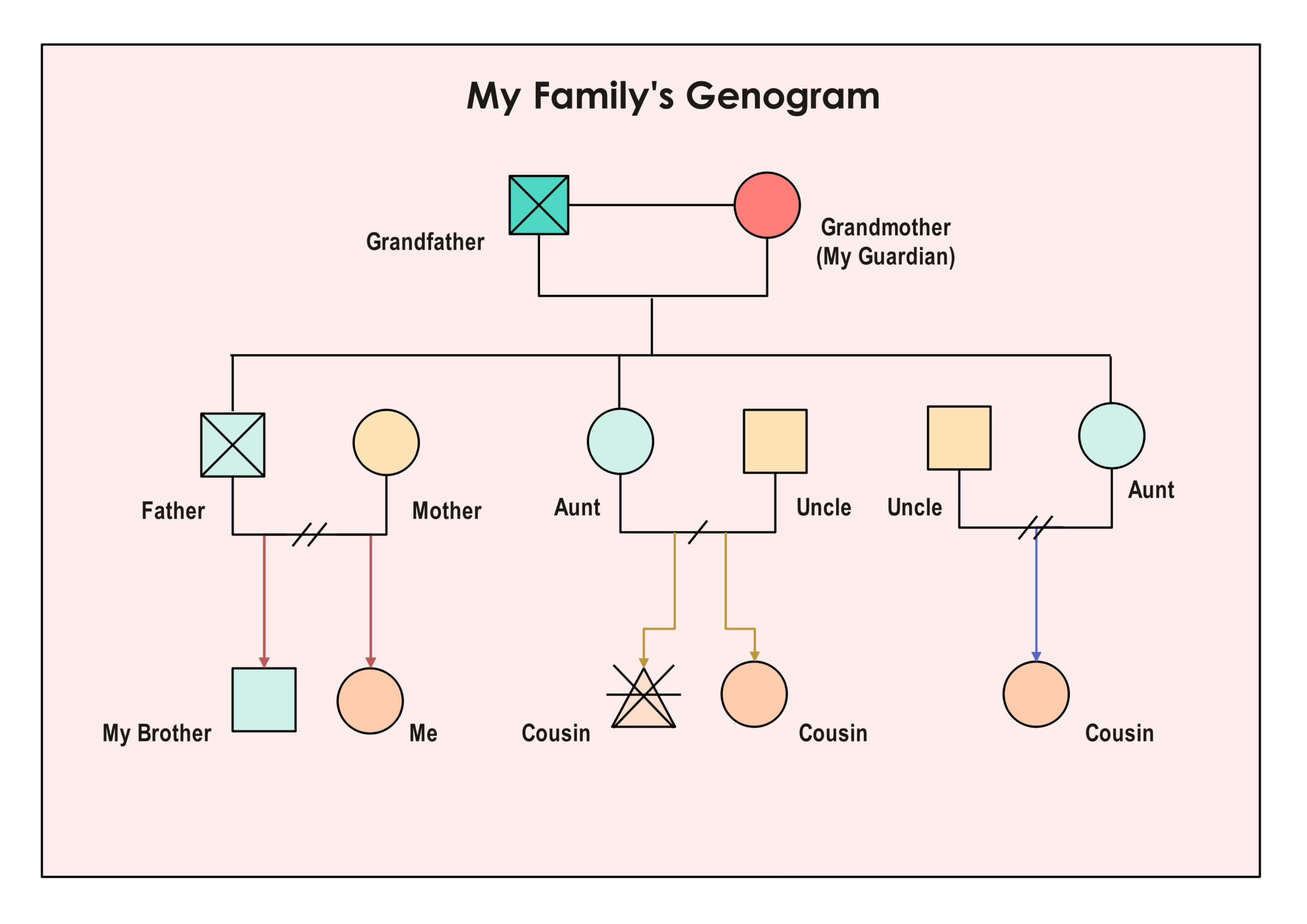
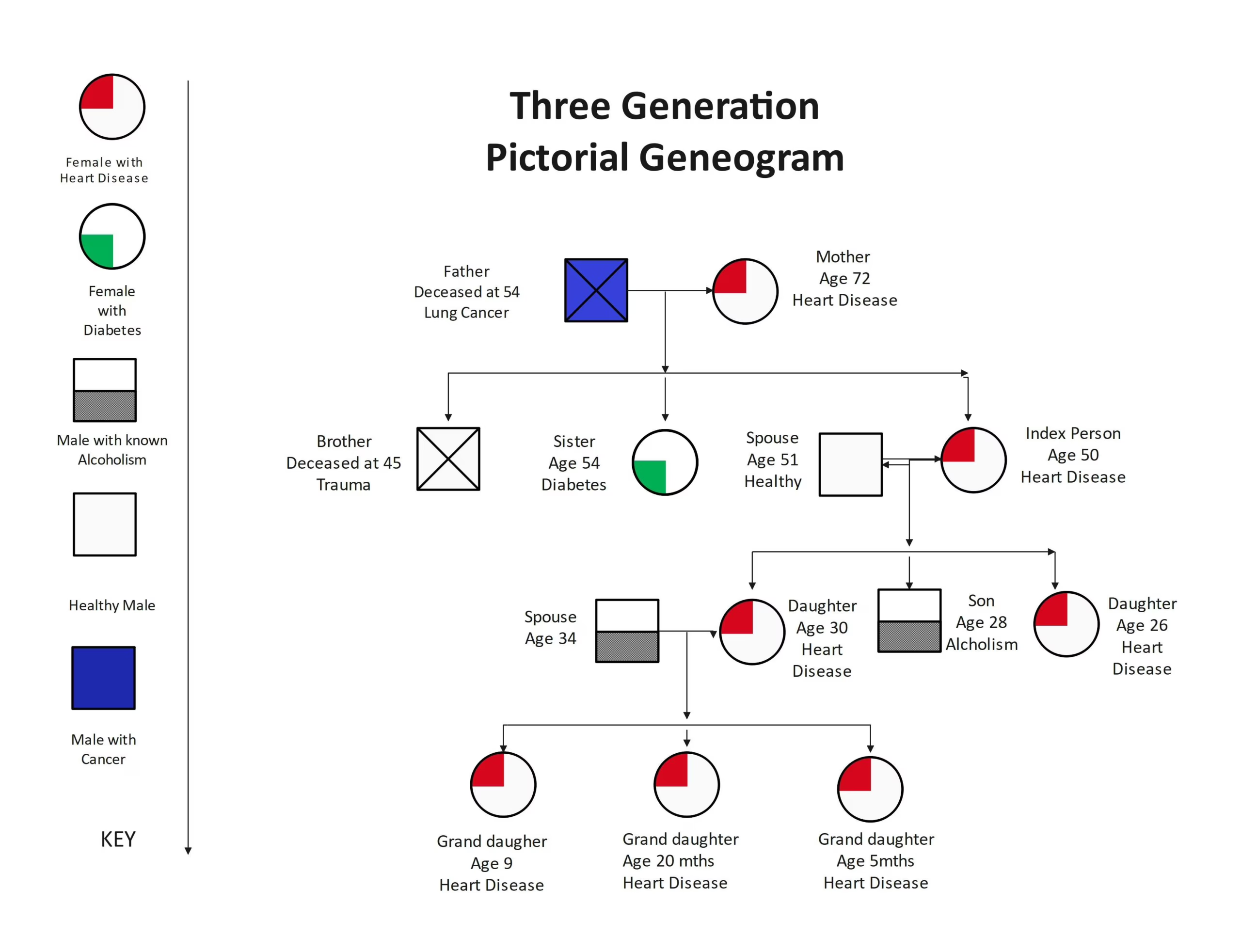
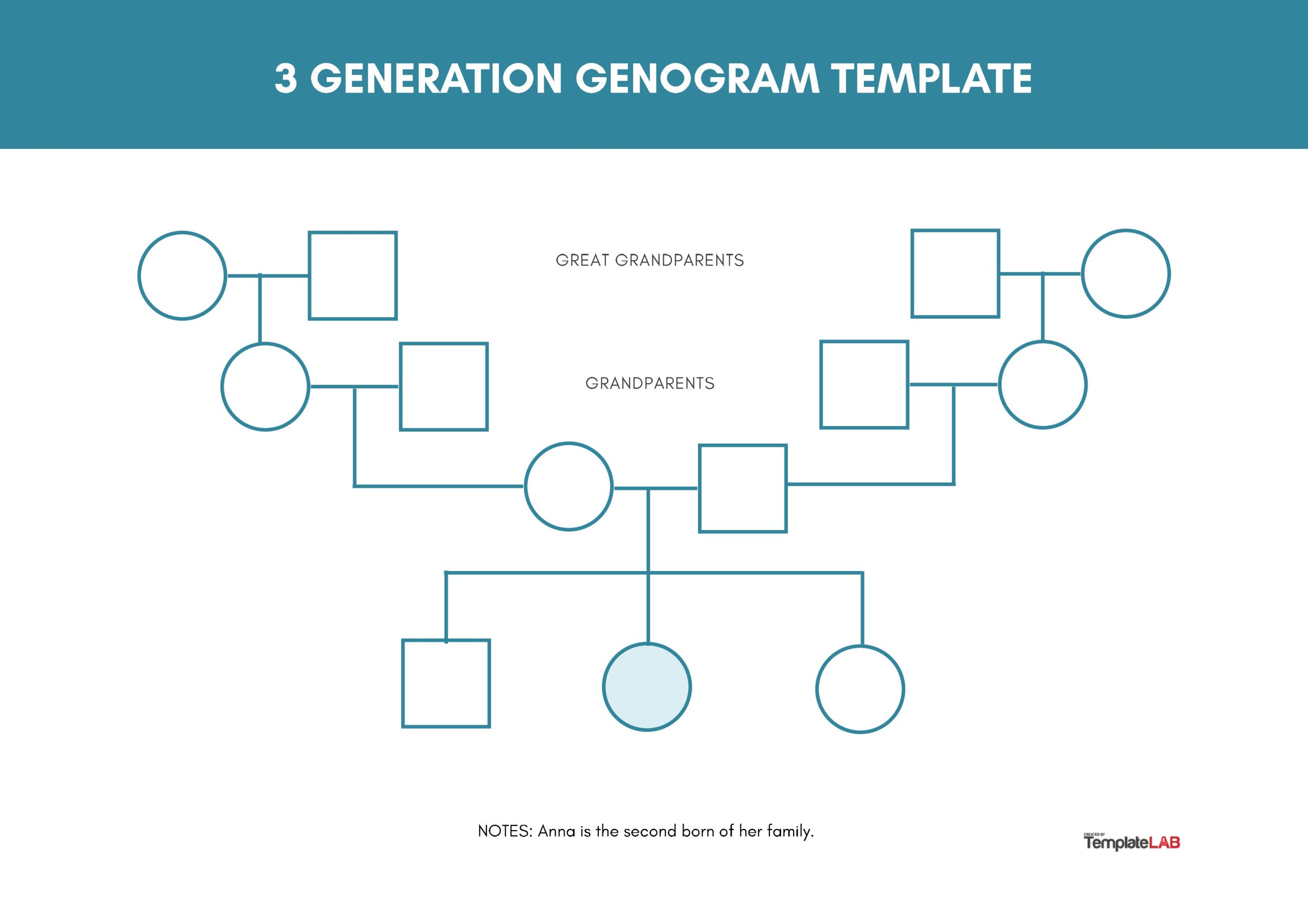
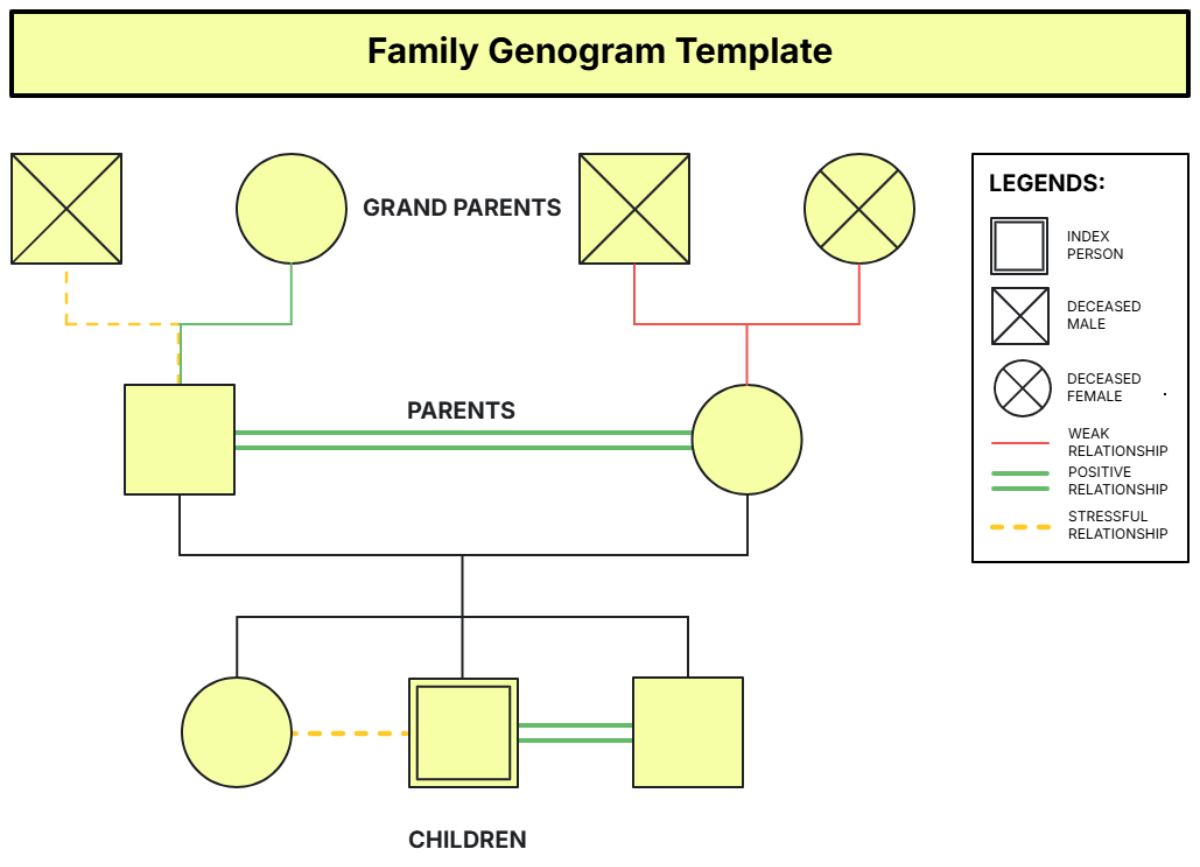
A genogram is a visual representation of a family tree that includes detailed information about relationships, characteristics, and interactions among family members. It goes beyond a traditional family tree by including additional details such as medical history, emotional relationships, and social connections. Genograms are often used in therapy sessions to help individuals explore their family history and understand how it may be influencing their current behaviors and relationships.
Why Use Genograms?
Genograms are an invaluable tool for therapists and counselors as they provide a comprehensive view of a client’s family dynamics. By creating a genogram, therapists can uncover patterns of behavior, identify family roles, and explore how past experiences may be impacting the client’s present life. This visual representation helps both the therapist and the client gain insight into complex family systems and work towards resolving underlying issues.
What to Include in a Genogram
When creating a genogram, it is essential to include specific details that will provide a clear picture of the family structure and dynamics. Some key elements to include in a genogram are:
- Family Members: Include names, ages, and genders of all family members.
- Relationships: Show connections between family members through lines.
- Medical History: Include any significant medical conditions or illnesses within the family.
- Emotional Relationships: Highlight close relationships, conflicts, and patterns of communication.
- Social Connections: Include information about extended family members and their relationships with each other.
Examples
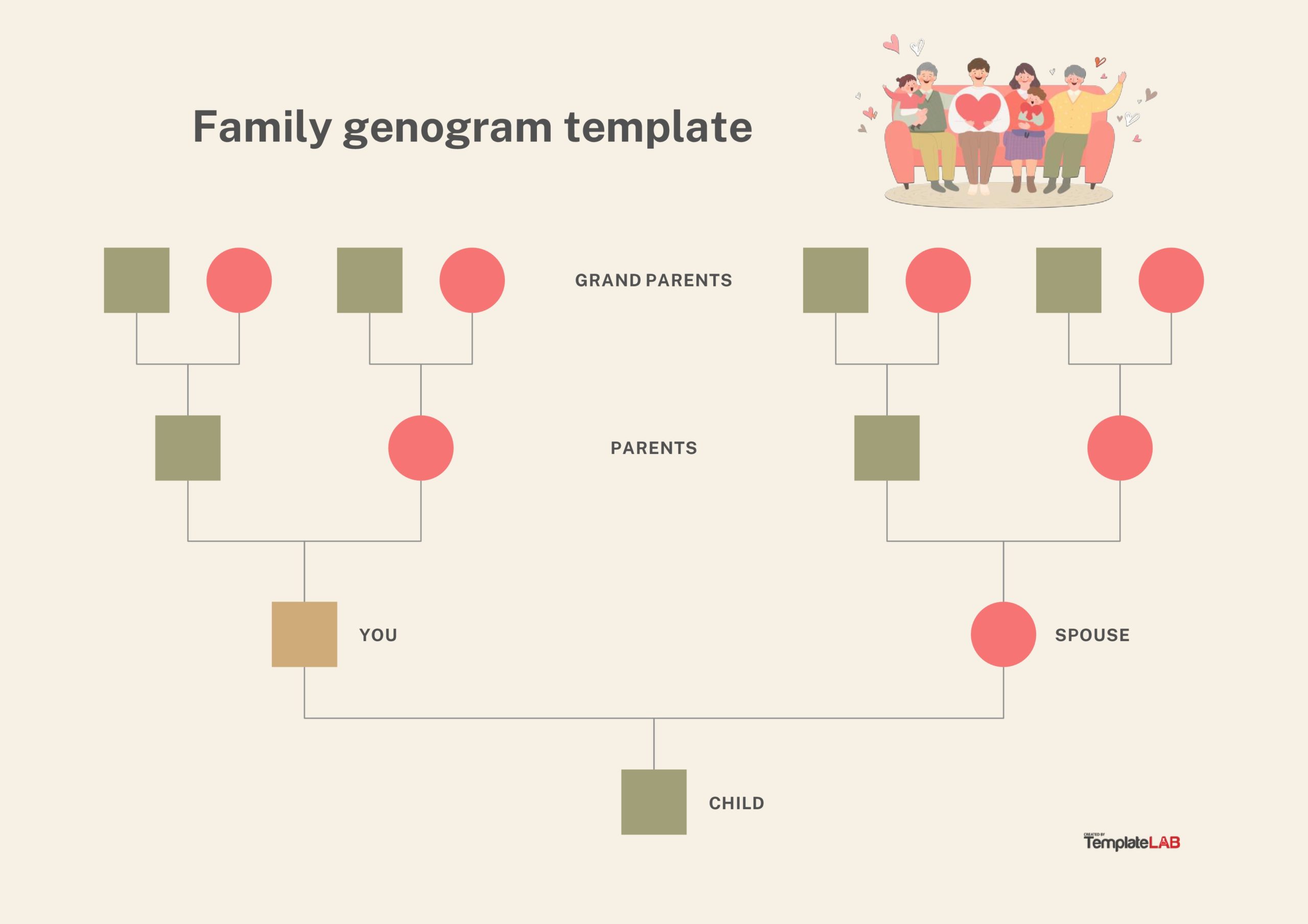
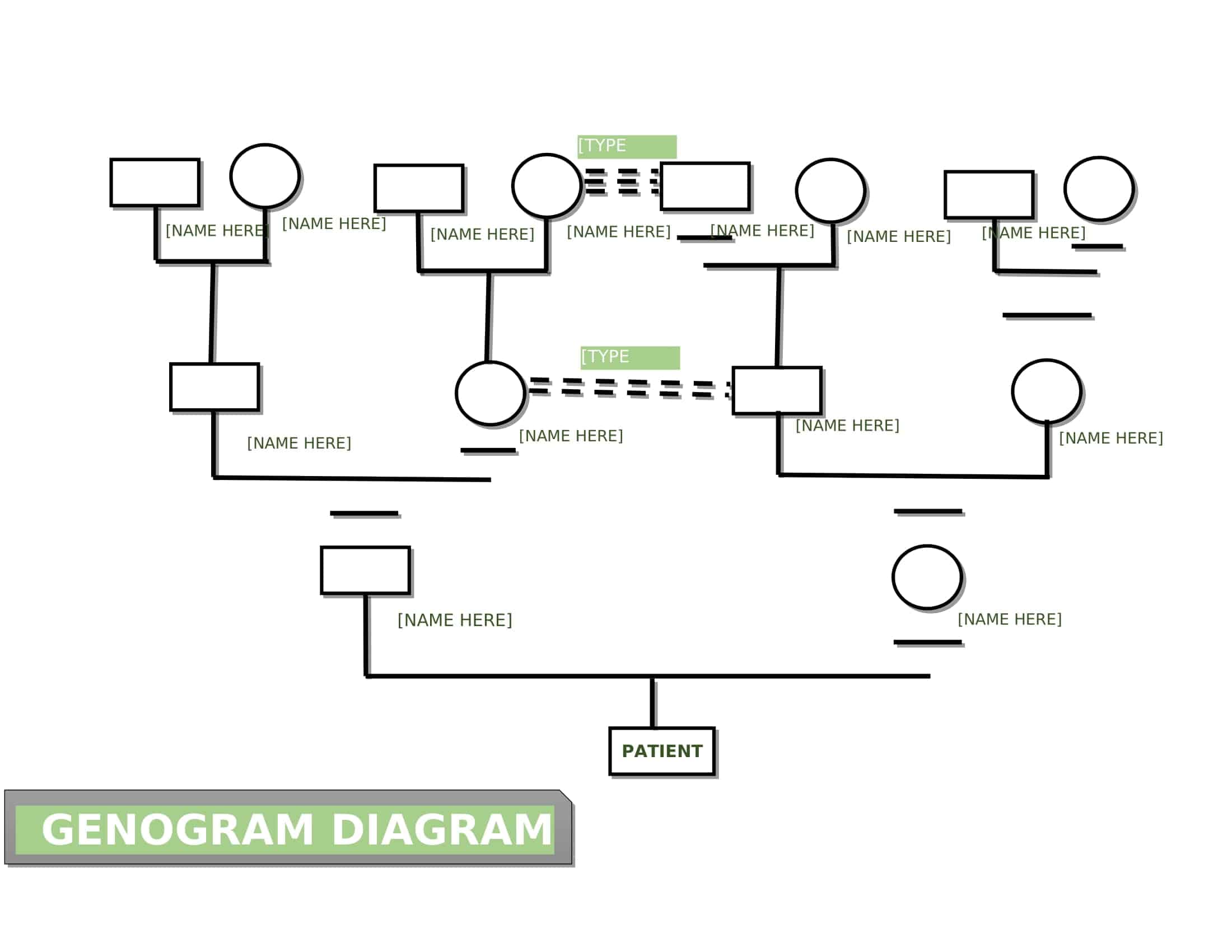
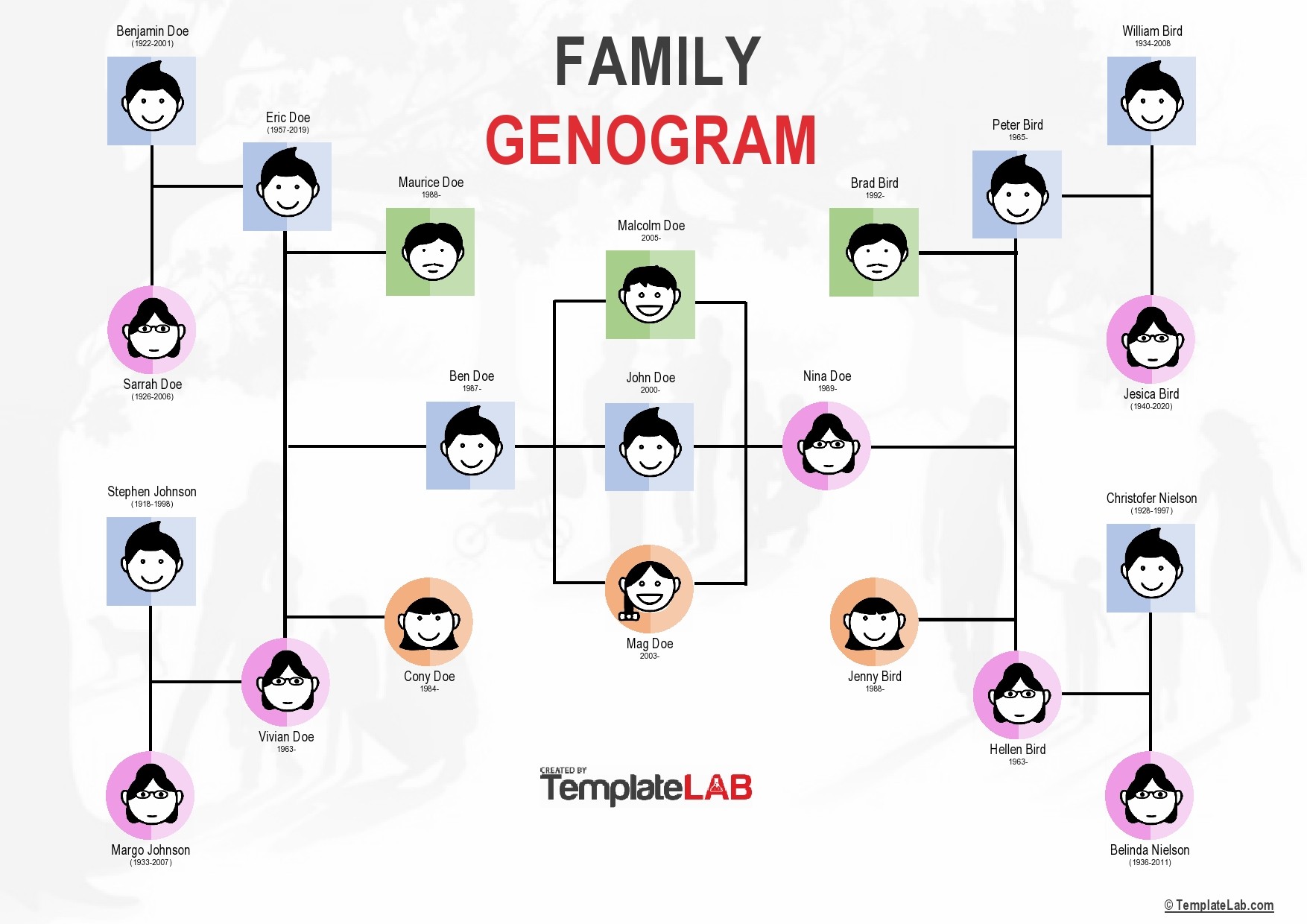
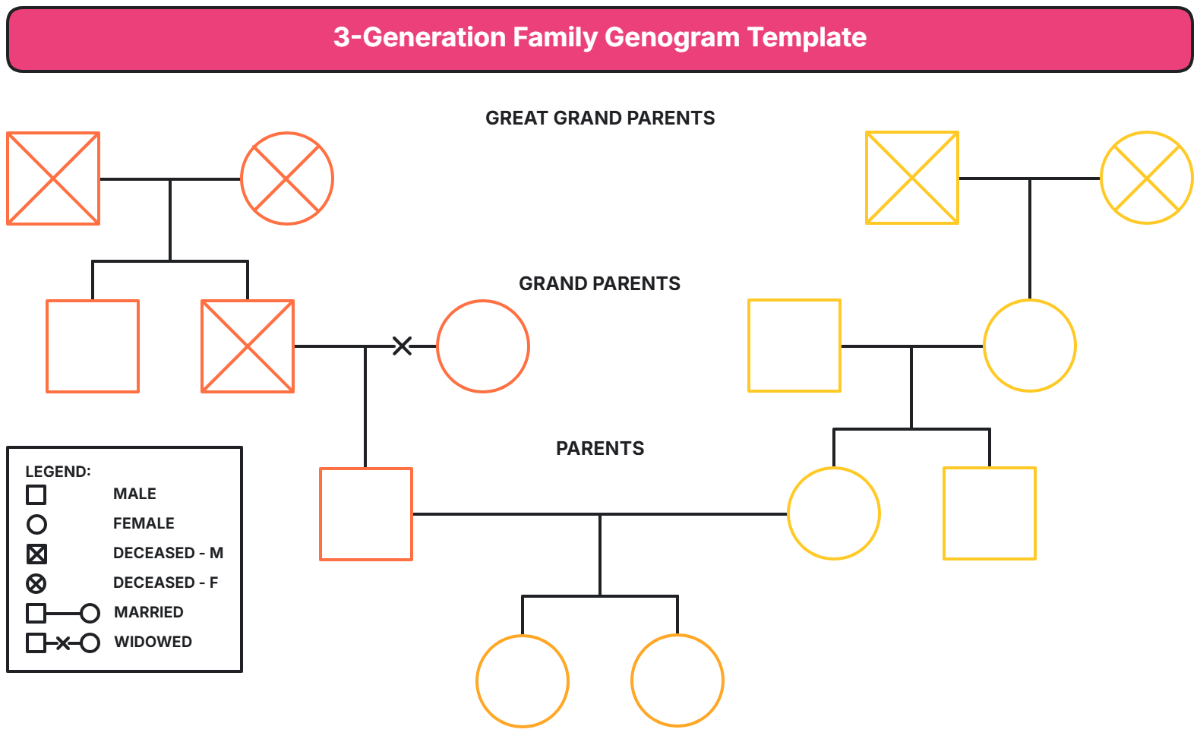
How to Create a Genogram
Creating a genogram can be done using pen and paper or specialized software designed for genogram mapping. Follow these steps to create a genogram:
- Gather Information: Collect details about family members, relationships, and events.
- Draw the Genogram: Use symbols to represent different family members and their relationships.
- Add Details: Include additional information such as medical history and emotional relationships.
- Interpret the Genogram: Analyze patterns and connections within the family system.
Tips for Using Genograms
When using genograms in therapy or counseling sessions, keep the following tips in mind:
- Engage the Client: Encourage the client to actively participate in creating and interpreting the genogram.
- Stay Objective: Maintain a neutral stance when discussing family dynamics and relationships.
- Explore Patterns: Look for recurring themes or behaviors that may shed light on underlying issues.
- Use Genograms as a Tool: Genograms are just one tool in a therapist’s toolkit – use them in conjunction with other therapeutic techniques.
- Update Genograms Over Time: As relationships and circumstances change, update the genogram to reflect current dynamics.
Conclusion
Genograms are a powerful tool for exploring family dynamics, relationships, and patterns of behavior. By creating and interpreting genograms, therapists and clients can gain valuable insight into the complexities of family systems and work towards resolving underlying issues. Whether used in therapy sessions or for personal exploration, genograms offer a unique perspective on the interconnectedness of family relationships.
