Grant proposals are essential documents that organizations and individuals submit to secure funding for projects that aim to make a positive impact on society. Whether you are a non-profit organization seeking funding for a community project or a researcher looking to advance your studies, writing a compelling grant proposal is a crucial step in securing the financial support you need.
In this article, we will explore the ins and outs of crafting a successful grant proposal that will increase your chances of receiving the funding you need.
What is a Grant Proposal?
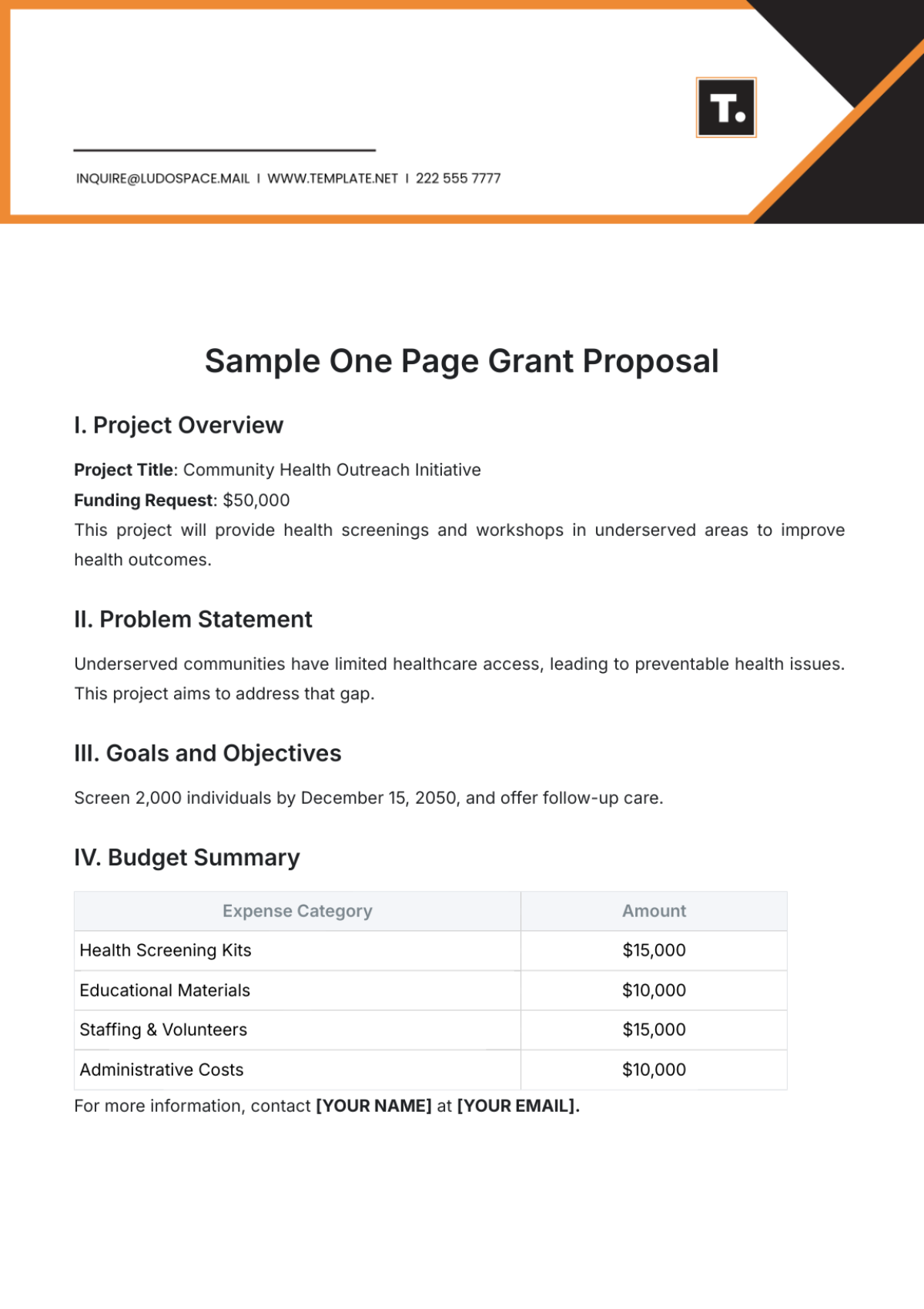
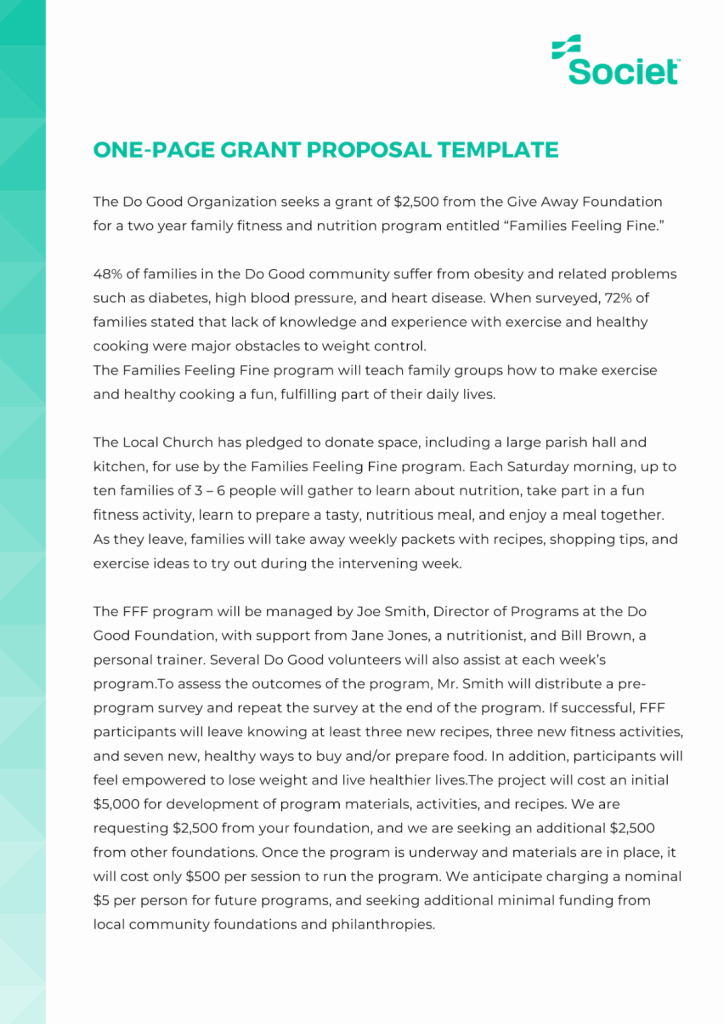
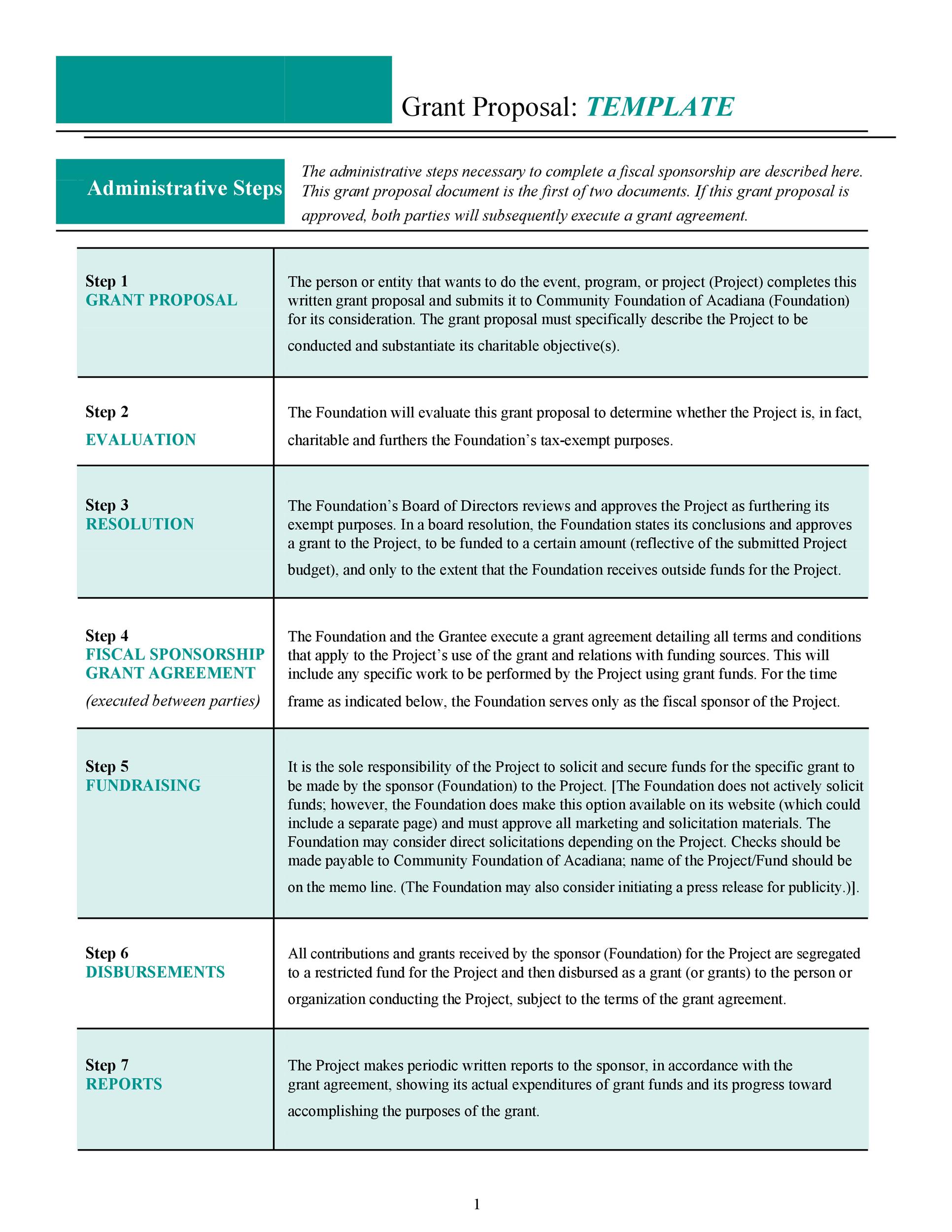
A grant proposal is a written document that outlines a project or program and requests funding from a grant-making organization or government agency. It serves as a formal request for financial assistance and typically includes a detailed description of the project, its goals and objectives, budget, timeline, and evaluation plan.
The main purpose of a grant proposal is to convince the funder that the project is worth investing in and will yield positive results.
Why are Grant Proposals Important?
Grant proposals play a vital role in the funding process as they help funders evaluate the feasibility, impact, and sustainability of a project. By clearly outlining the project’s goals, objectives, and expected outcomes, grant proposals enable funders to make informed decisions about which projects to support.
Additionally, writing a well-crafted grant proposal demonstrates your organization’s professionalism, commitment, and ability to deliver on its promises, which can help build credibility and trust with potential funders.
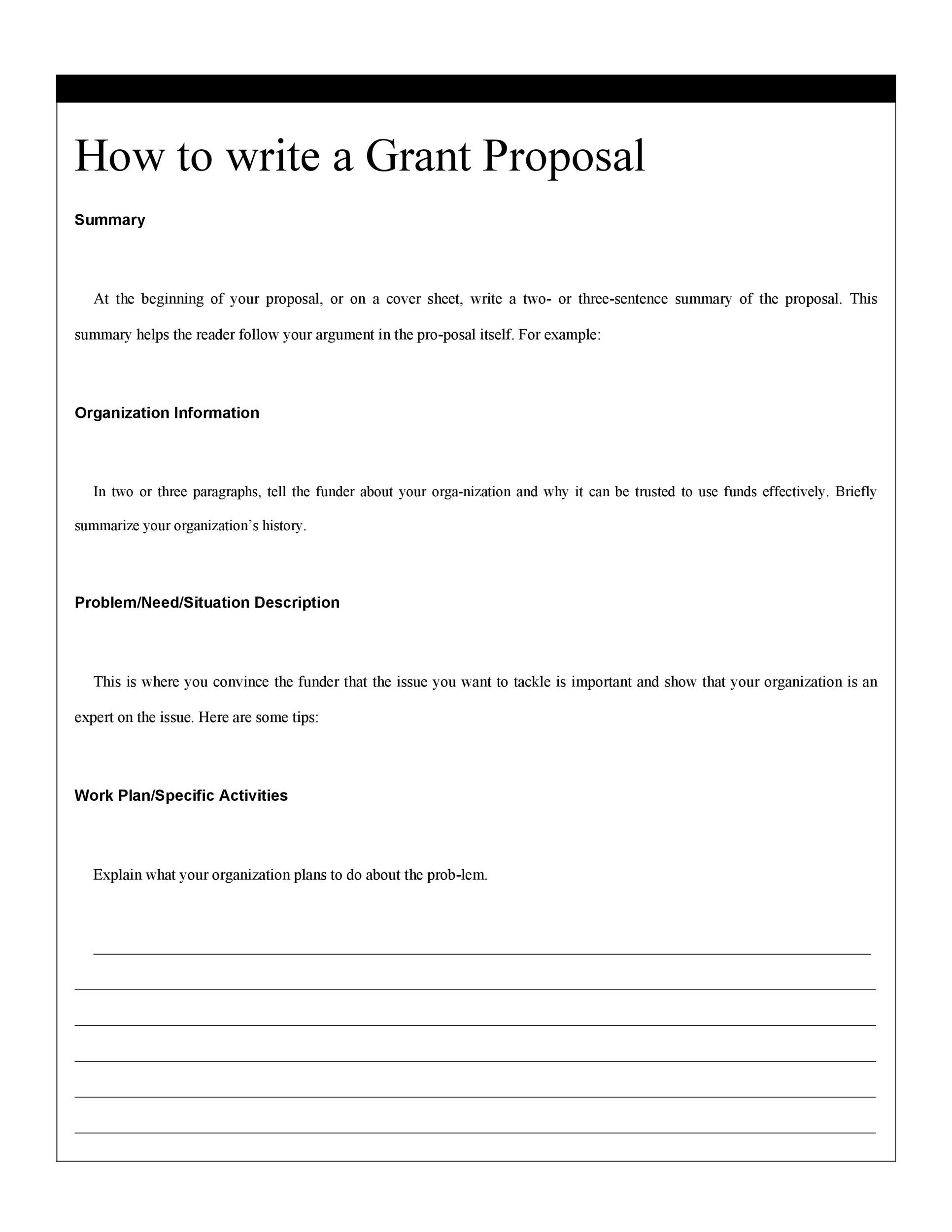
What to Include in a Grant Proposal
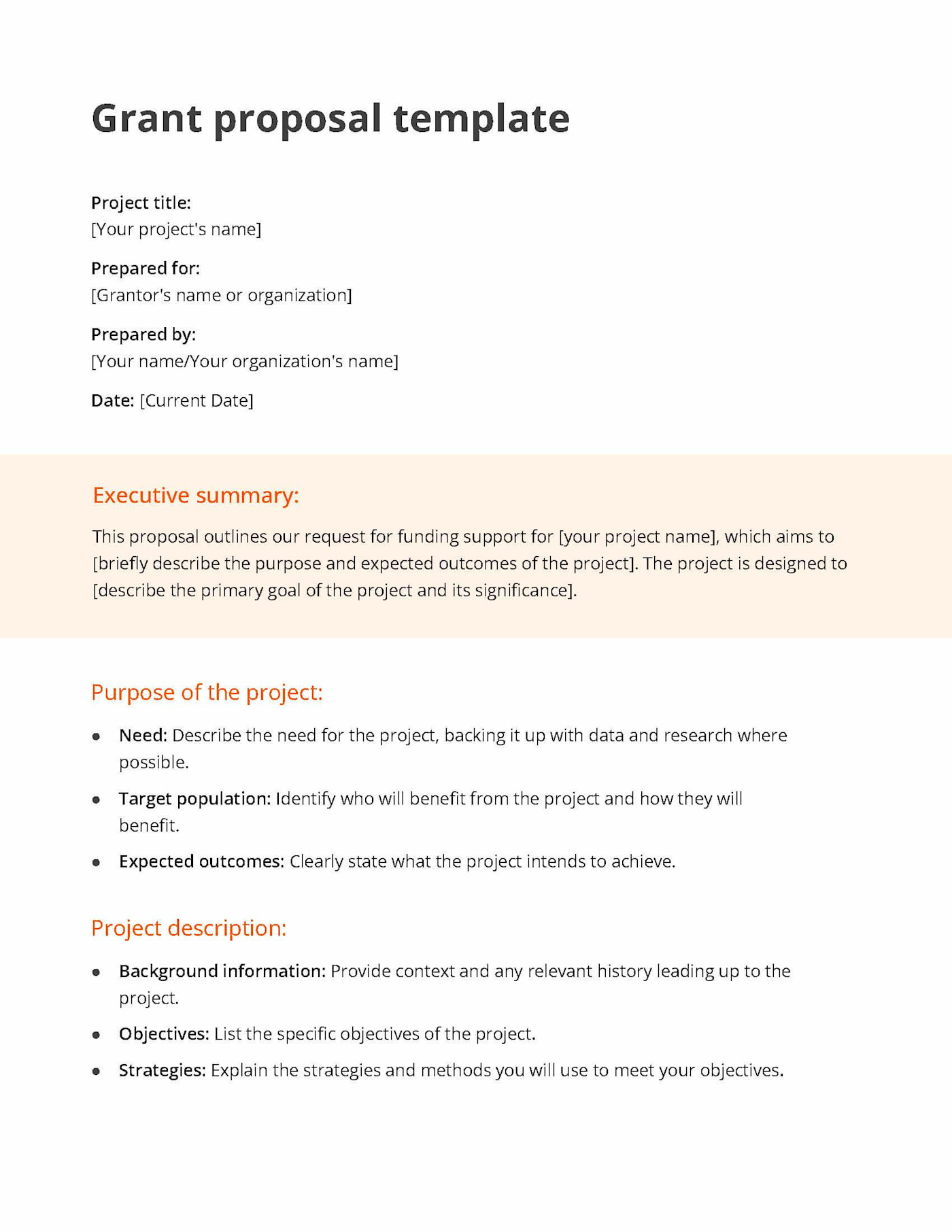
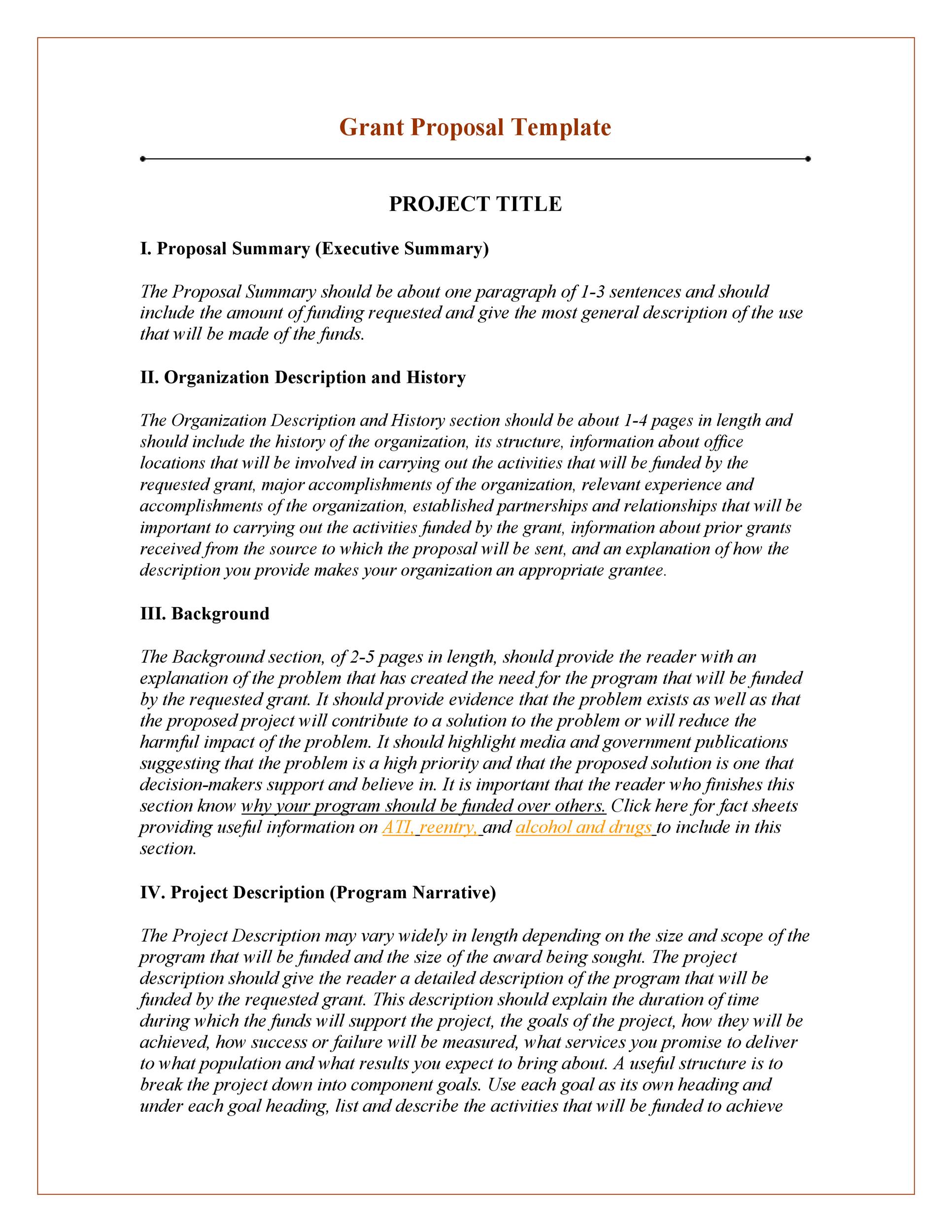
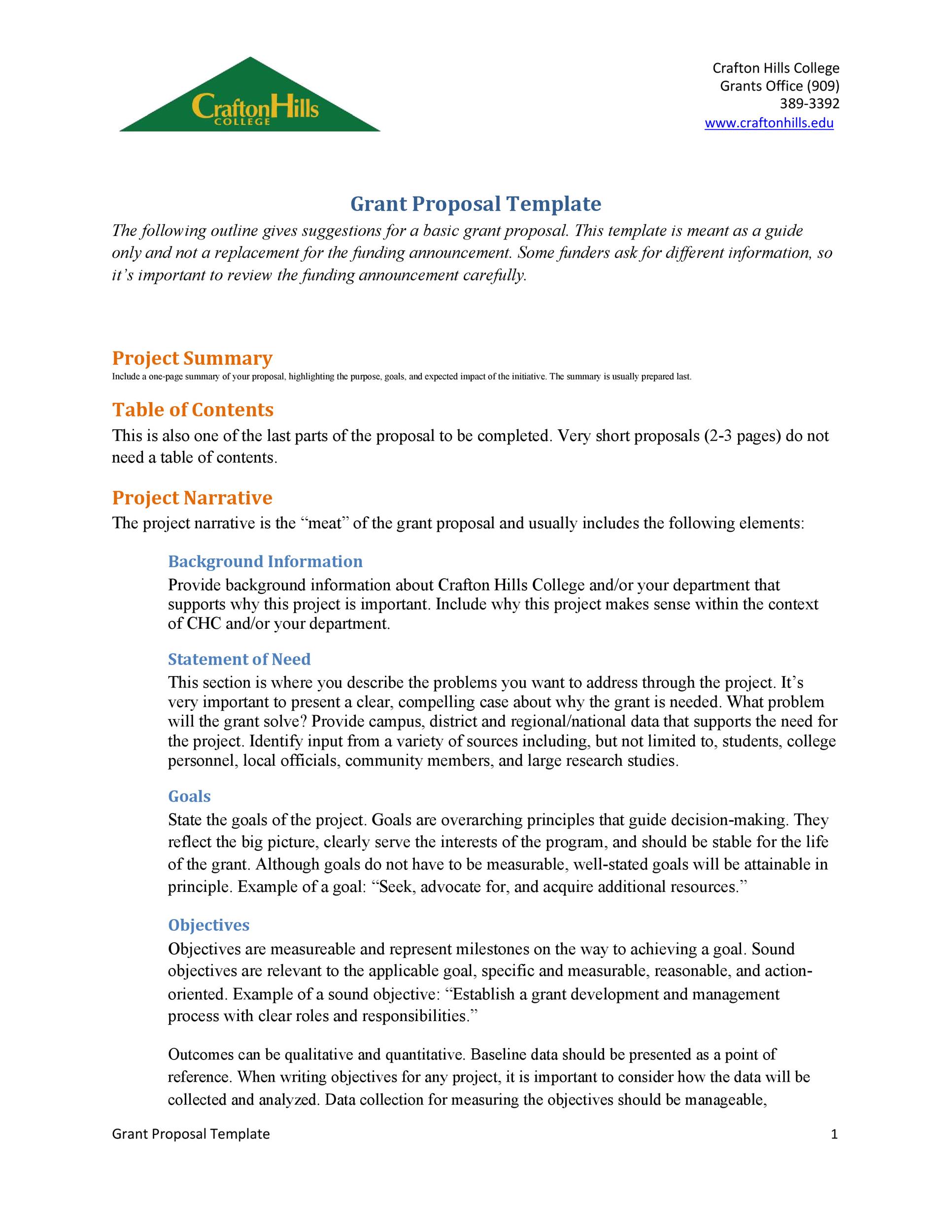
When writing a grant proposal, it is essential to include the following key components:
- Executive Summary: Provide a brief overview of the project, including its purpose, goals, and requested funding amount.
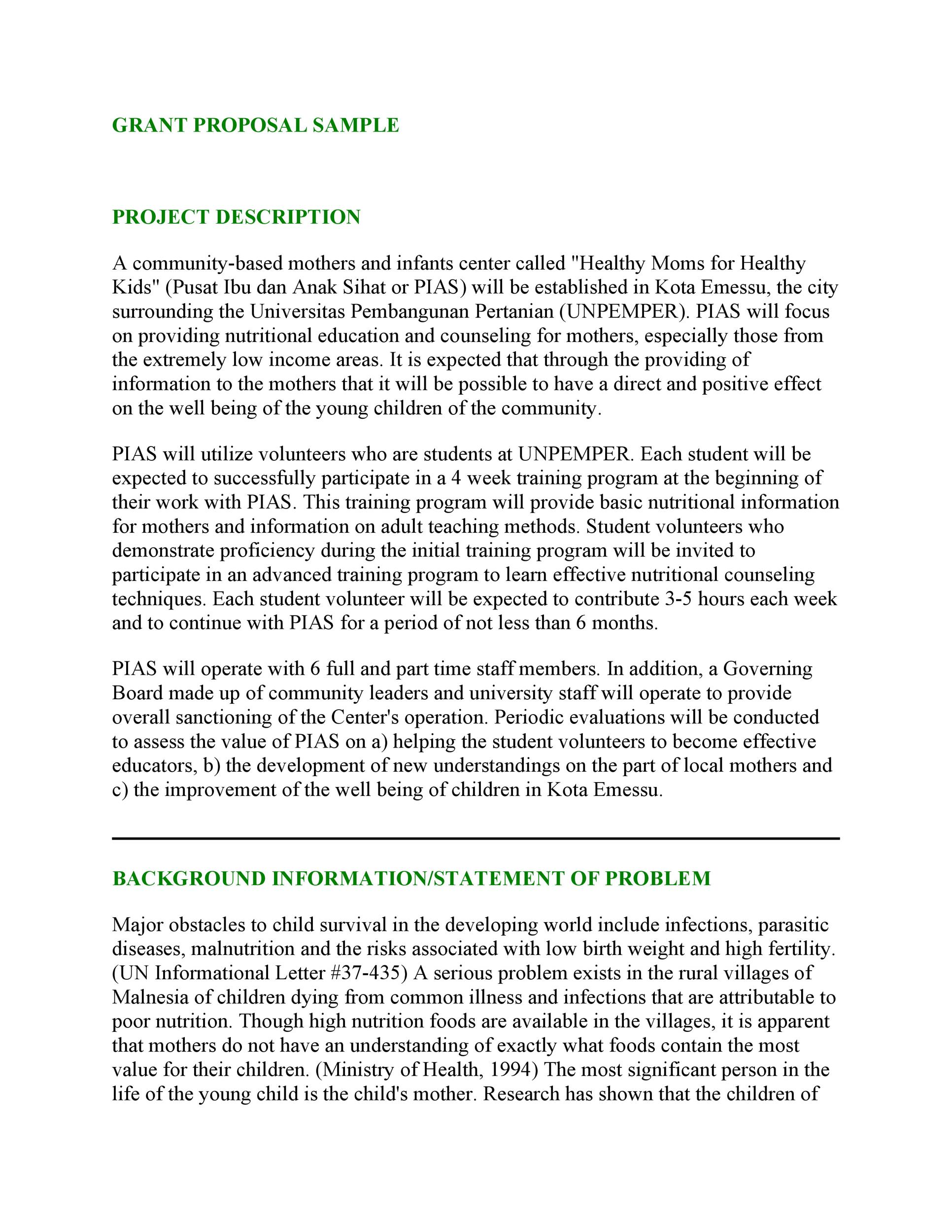
- Project Description: Clearly outline the project’s objectives, activities, target population, and expected outcomes.
- Budget: Break down the project’s costs and expenses, including personnel, supplies, equipment, and other expenses.
- Evaluation Plan: Describe how you will measure the project’s success and impact, including evaluation methods and metrics.
- Sustainability Plan: Explain how the project will be sustained beyond the grant period, including funding sources and long-term strategies.
- Organizational Information: Provide background information about your organization, including its mission, history, and past accomplishments.
Examples
How to Write a Compelling Grant Proposal
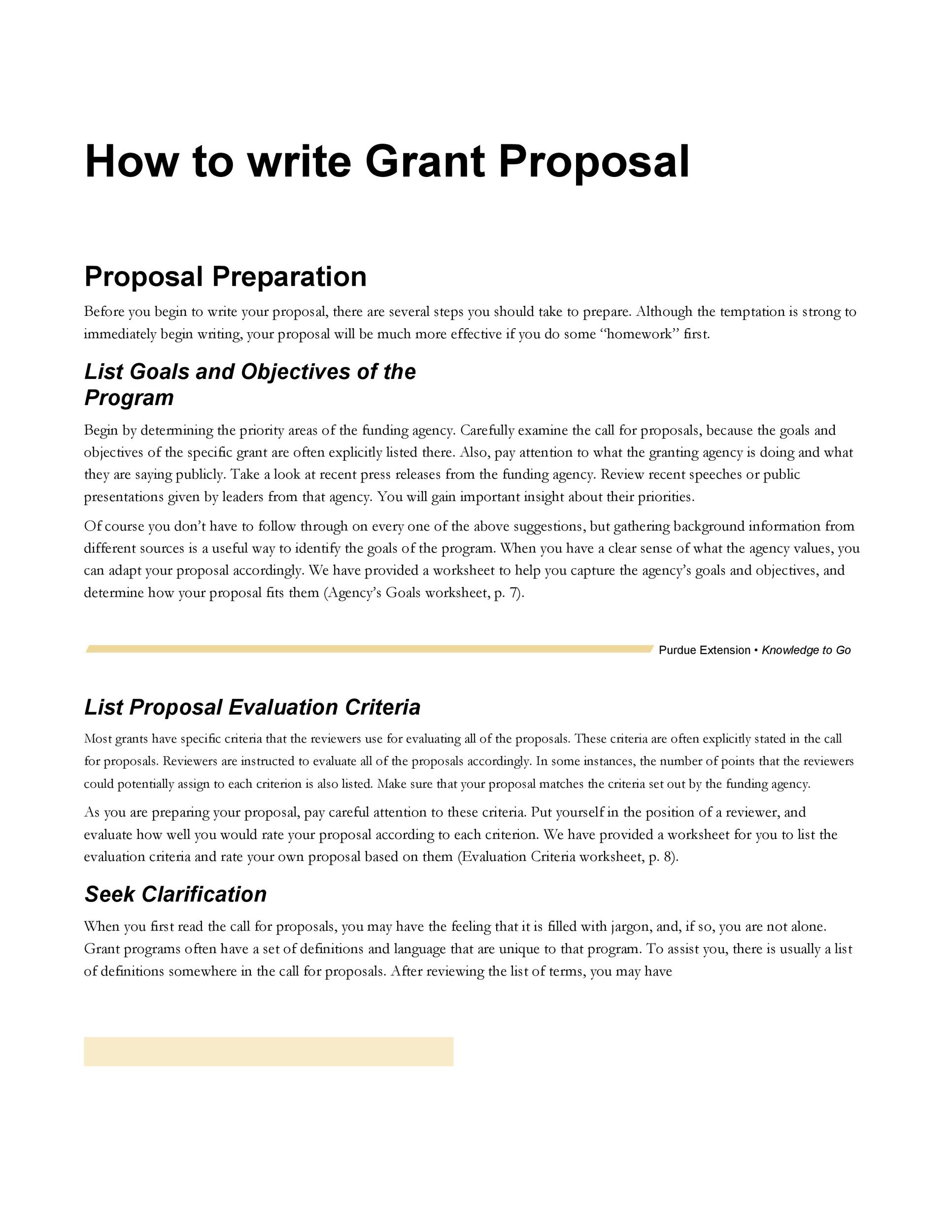
Writing a compelling grant proposal requires careful planning, research, and attention to detail. Here are some tips to help you craft a persuasive and effective grant proposal:
- Understand the Funder: Research the funder’s priorities, funding guidelines, and preferences to tailor your proposal to their specific requirements.
- Tell a Compelling Story: Use clear and concise language to describe the problem your project aims to address, why it is important, and how you plan to solve it.
- Provide Evidence and Data: Support your proposal with evidence, data, and research findings to demonstrate the need for your project and its potential impact.
- Be Realistic and Feasible: Develop a realistic budget, timeline, and evaluation plan that align with the project’s goals and objectives.
- Engage Stakeholders: Involve key stakeholders, partners, and beneficiaries in the proposal development process to ensure their input and support.
- Review and Revise: Proofread your proposal carefully, seek feedback from peers or colleagues, and make revisions as needed to improve clarity and coherence.
Conclusion
Writing a grant proposal can be a challenging but rewarding process that requires careful planning, research, and attention to detail. By following the tips outlined in this article and crafting a persuasive and well-structured proposal, you can increase your chances of securing the funding you need to turn your project ideas into reality. Remember to tailor your proposal to the funder’s requirements, tell a compelling story, provide evidence and data to support your case, and engage stakeholders in the process. With perseverance and dedication, you can master the art of writing a successful grant proposal and secure the funding you need to make a positive impact on society.
