Family loan agreements are a common way for relatives to help each other out financially. Whether it’s lending money to a sibling to cover unexpected expenses or borrowing funds from a parent to start a business, these agreements can provide clarity and structure to what might otherwise be a complicated and emotional transaction.
What Is a Family Loan Agreement?
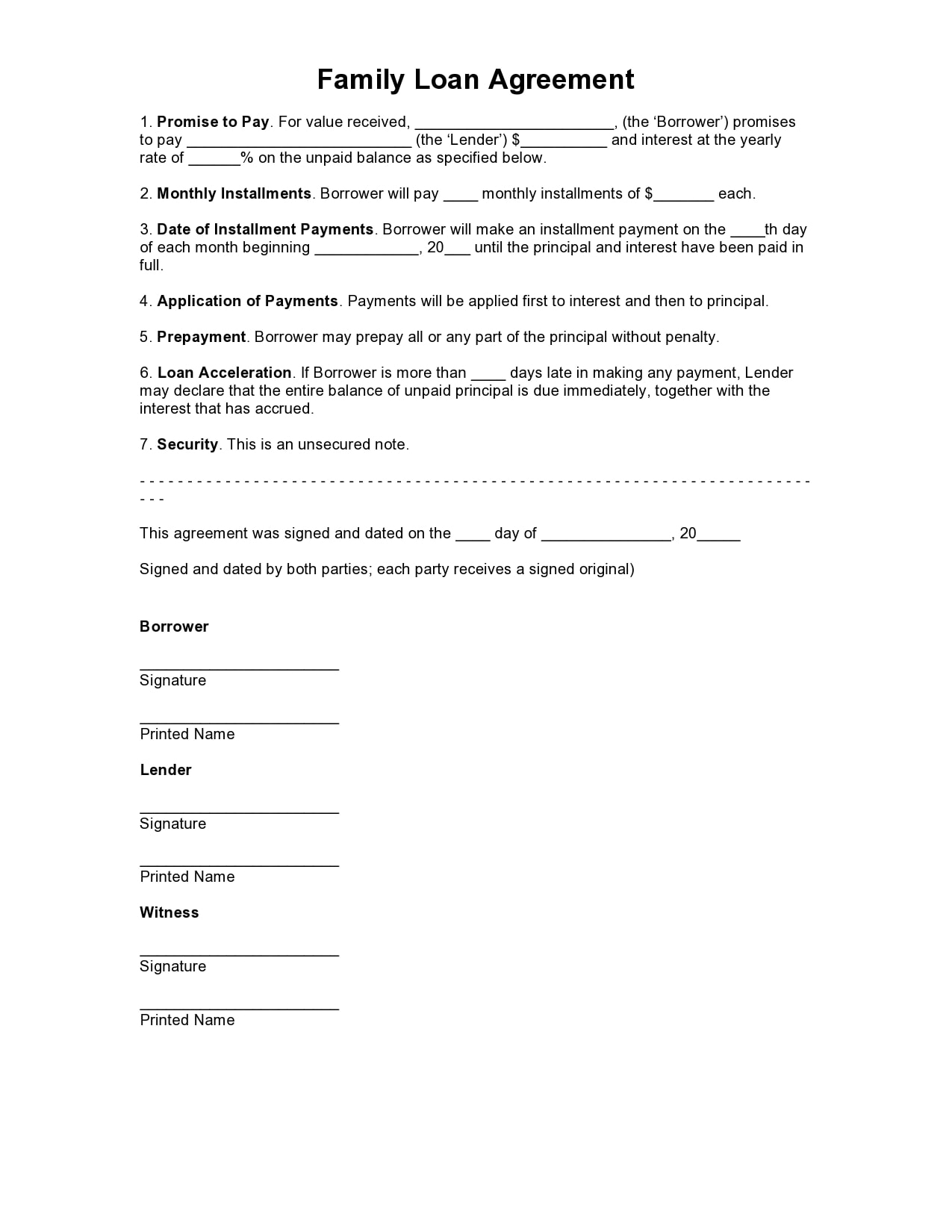
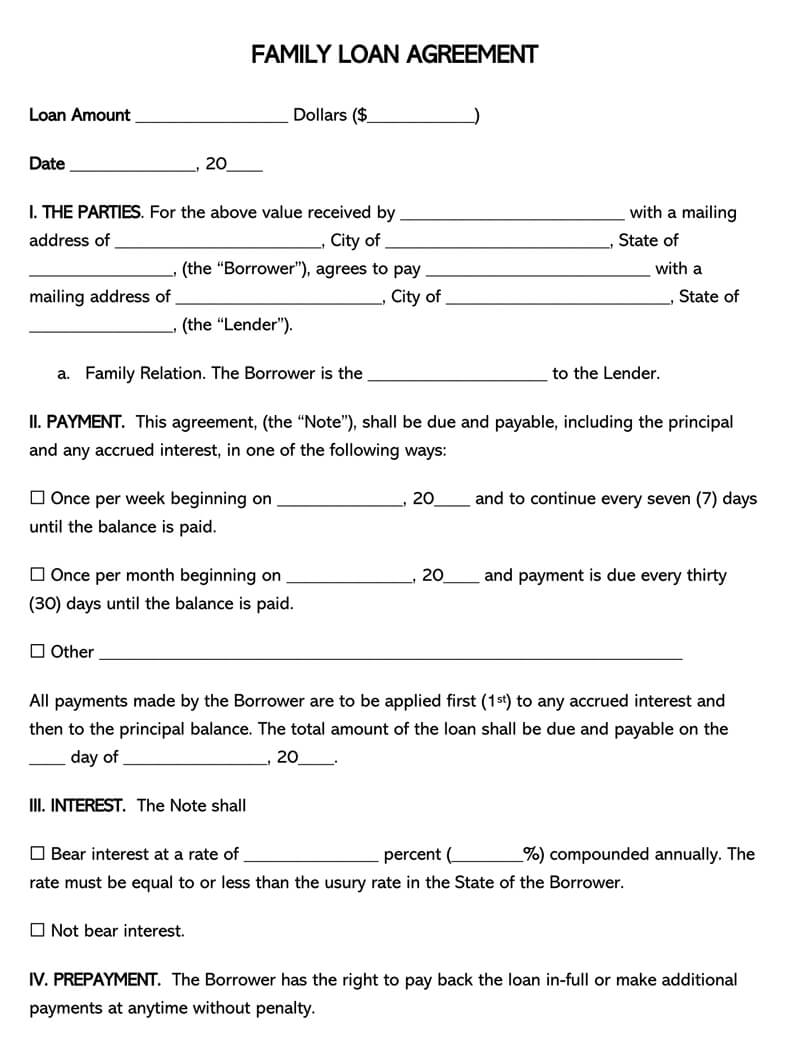
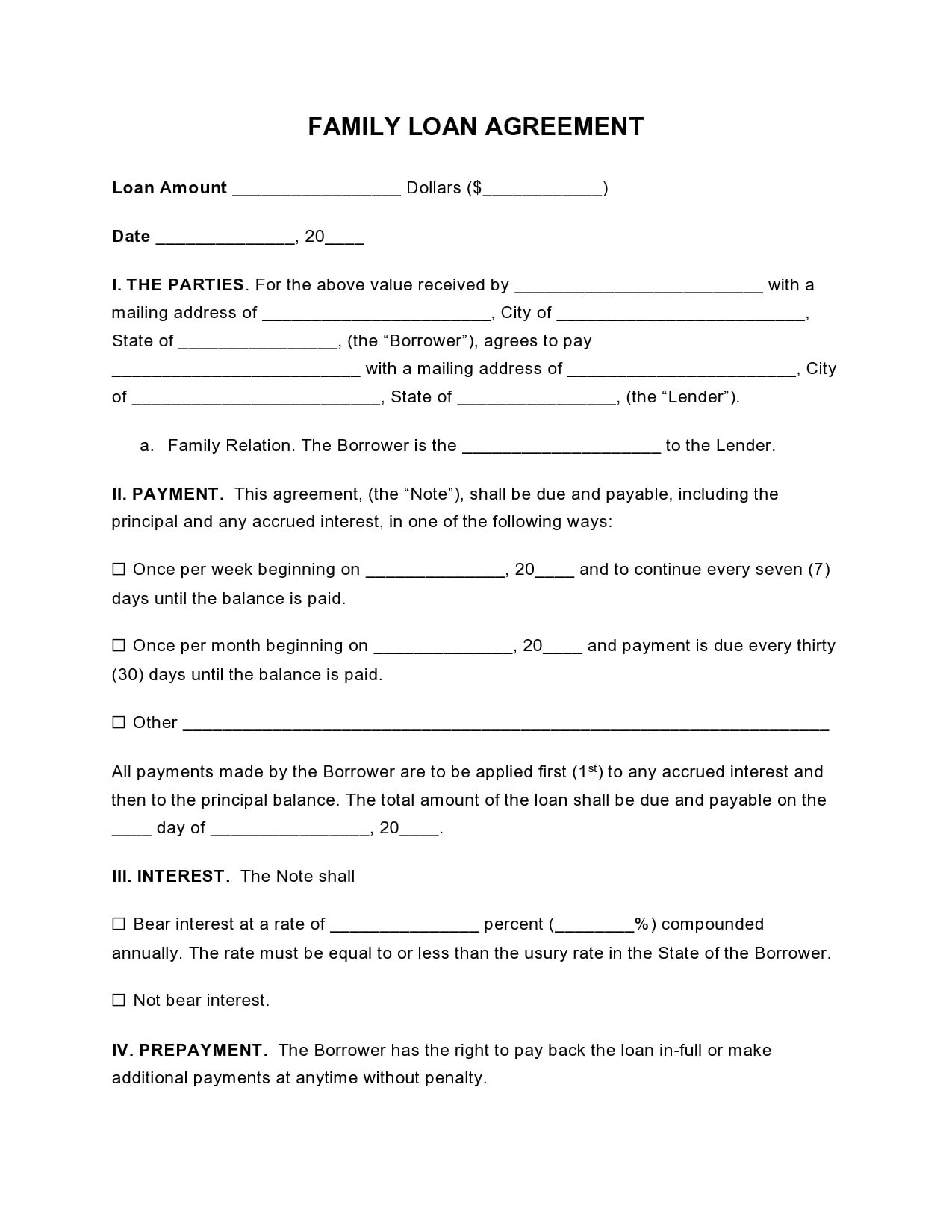
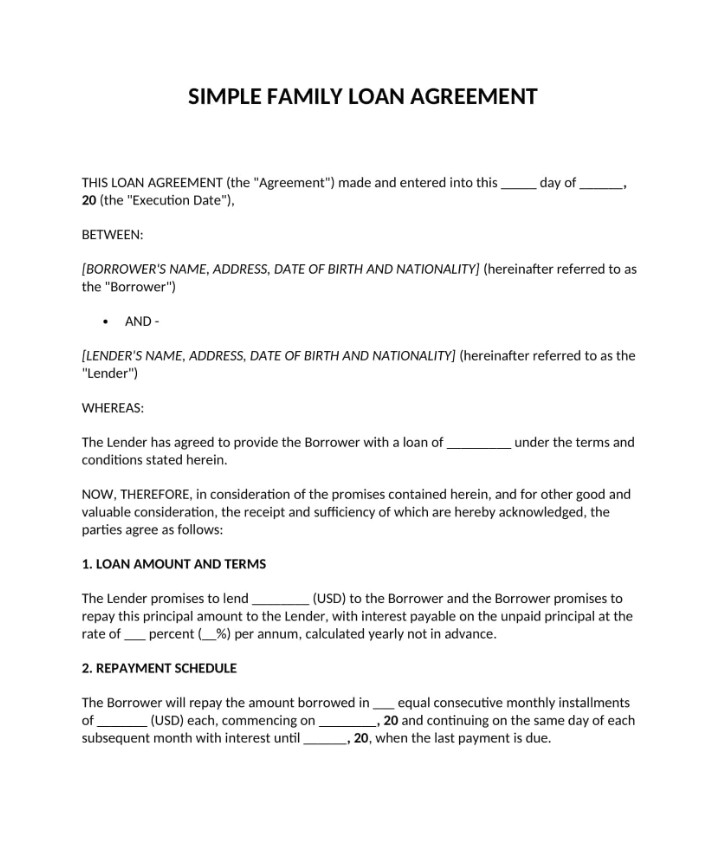
A family loan agreement is a formalized contract between family members that establishes clear terms for the lending and borrowing of money. It acts as a legal document that outlines the specifics of the loan, including the amount borrowed, the interest rate (if any), the repayment schedule, and any other conditions agreed upon by both parties. By putting these details in writing, family members can avoid misunderstandings and potential conflicts down the line.
Why Document Family Loans?
While it may seem unnecessary to formalize a loan between family members, documenting the agreement can actually benefit both parties in the long run. Here are some reasons why it’s important to have a written family loan agreement:
Clarity and Transparency
One of the primary reasons for documenting a family loan is to ensure clarity and transparency in the borrowing process. By clearly outlining the terms of the loan, both the lender and borrower know exactly what is expected of them, reducing the likelihood of misunderstandings or disagreements.
Legal Protection
In the unfortunate event of a dispute or disagreement, having a written agreement can provide legal protection for both parties. The document serves as evidence of the agreed-upon terms, making it easier to resolve any conflicts that may arise during the repayment process.
Preserving Relationships
Money has the potential to create tension and strain relationships, especially within families. By documenting a family loan agreement, both parties can avoid potential misunderstandings that could lead to resentment or conflict. Clear communication through a formal agreement can help maintain positive family dynamics and preserve relationships.
Financial Responsibility
Documenting a family loan can also help instill a sense of financial responsibility in the borrower. By formalizing the agreement, the borrower is more likely to take the loan seriously and adhere to the agreed-upon terms of repayment, leading to a more positive borrowing experience for both parties.
Common Scenarios Where Documentation Matters
There are several common scenarios where documenting a family loan is particularly important:
Buying a Home
When a family member loans money to another for a down payment on a house, having a formal agreement can help clarify the terms of repayment and ownership. This can prevent misunderstandings and disputes down the line, especially if the home increases in value or if there are changes in ownership.
Starting a Business
Loans from family members to fund a new business venture should be documented to protect both parties’ interests. By outlining the terms of the loan, including repayment schedules and ownership shares, family members can ensure that their financial contributions are properly accounted for and that their interests are protected in case the business does not succeed.
Education Expenses
Loans for education costs, such as tuition or student loans, should be carefully documented to avoid confusion about repayment expectations. By specifying the amount borrowed, the terms of repayment, and any interest charges, both the lender and borrower can avoid potential misunderstandings that could strain their relationship.
The Pros and Cons of Family Loan Agreements
Like any financial arrangement, family loan agreements have their advantages and disadvantages. Here are some of the pros and cons to consider:
Pros
Family loan agreements can provide a lower interest rate compared to traditional lenders, offer more flexible repayment terms, and strengthen family bonds through financial support. By borrowing from a family member instead of a financial institution, borrowers may also have more lenient repayment options and a more personalized borrowing experience.
Cons
There is a risk of straining family relationships if repayment terms are not met, potential tax implications if interest is charged, and the possibility of misunderstandings if the agreement is not clearly documented. Borrowers may feel pressured or obligated to repay the loan quickly, leading to tension within the family, especially if unexpected financial difficulties arise.
The Essential Elements of a Family Loan Agreement
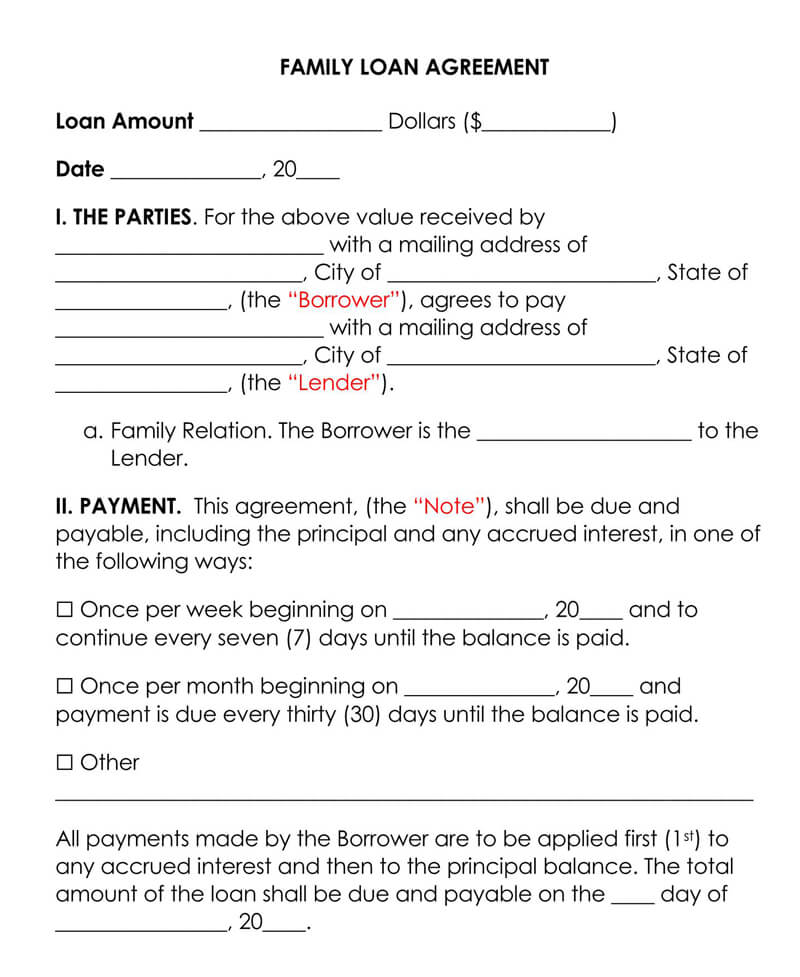
When creating a family loan agreement, several key elements should be included to ensure clarity and enforceability:
Loan Amount
Clearly state the amount being borrowed so that both parties are aware of the exact sum involved in the transaction. This prevents confusion or disputes regarding the total loan amount and helps set expectations for repayment.
Repayment Terms
Outline the repayment schedule, including the frequency of payments and any interest charges that may apply. By specifying the terms of repayment, both the lender and borrower can plan accordingly and avoid any misunderstandings about when payments are due.
Collateral (if any)
Specify if any collateral is being used to secure the loan, such as property or assets. Collateral provides security for the lender in case the borrower defaults on the loan and can help protect both parties’ interests in the event of unforeseen circumstances.
Default Consequences
Detail what will happen if the borrower fails to make payments as agreed, including any penalties or actions that may be taken by the lender. By outlining the consequences of defaulting on the loan, both parties understand the potential risks involved and can plan accordingly to avoid such situations.
Signatures
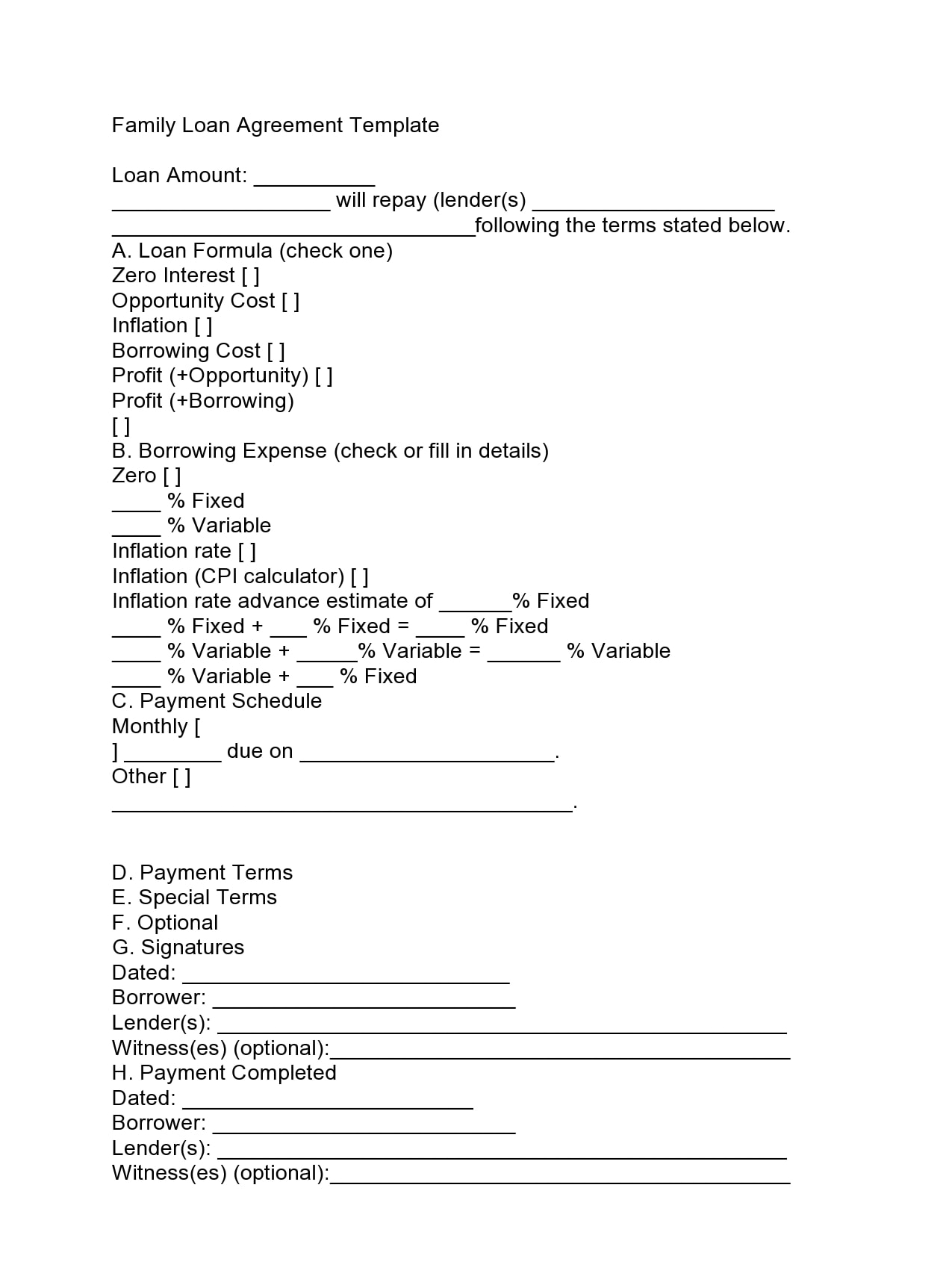
Have both parties sign and date the agreement to make it legally binding. Signatures indicate that both the lender and borrower have read and agreed to the terms outlined in the family loan agreement, solidifying their commitment to fulfilling their respective obligations.
The Critical Role of Family Lawyers
While family loan agreements can be created without legal assistance, consulting a family lawyer can provide added peace of mind and ensure that the agreement complies with all relevant laws and regulations. A family lawyer can help draft the agreement, review it for any potential issues, and guide how to enforce the terms if necessary.
