Are you considering leaving your current job and need to write a formal letter of resignation? Crafting a well-written resignation letter is an important step in quitting your job. Whether you are leaving for a new opportunity, personal reasons, or simply seeking a change, it’s essential to resign professionally and courteously.
In this guide, we will walk you through the What, Why, What to Include, How to, and provide you with some Tips for writing a formal letter of resignation.
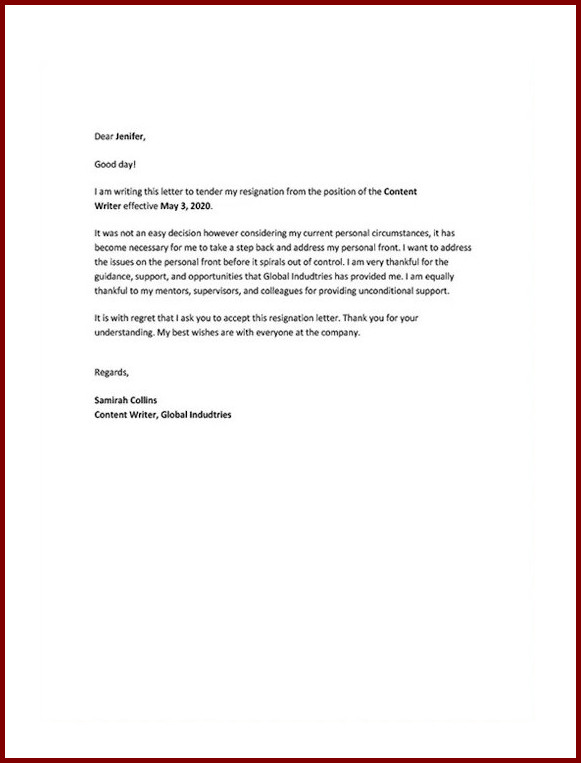
What is a Formal Letter of Resignation?
A formal letter of resignation is a written document that officially notifies your employer of your resignation from your current position. It is a professional way to communicate your decision to leave the company and serves as a formal record of your intent to resign. A well-written resignation letter can help maintain a positive relationship with your employer and leave a good impression as you move on to new opportunities.
When creating a formal letter of resignation, it’s important to consider the tone, content, and format to ensure that your message is clear, concise, and respectful. Let’s explore why writing a formal resignation letter is crucial and what you should include in it.
Why Write a Formal Letter of Resignation?
There are several reasons why writing a formal letter of resignation is important when leaving a job:
– It provides a written record of your decision to resign, which can be kept in your employee file.
– It shows professionalism and courtesy towards your employer, colleagues, and the organization.
– It helps maintain a positive relationship with your current employer and leaves a good impression.
– It serves as a formal notice period, allowing your employer time to find a replacement and plan for your departure.
Overall, a formal letter of resignation is a standard practice when resigning from a job and is an essential part of the resignation process. Now, let’s discuss what you should include in your resignation letter.
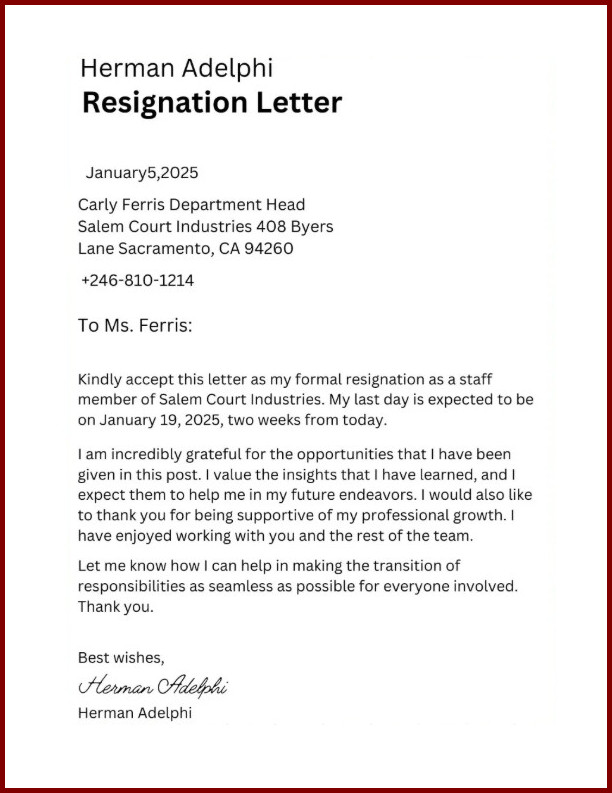
What to Include in a Formal Letter of Resignation
When drafting your formal letter of resignation, make sure to include the following key elements:
– Your contact information
– Date of the letter
– Recipient’s contact information
– Salutation
– Statement of resignation
– Last working day
– Express gratitude
– Offer assistance during the transition
– Closing and signature
These components will ensure that your resignation letter is clear, professional, and respectful. Next, we will dive into how to write a formal letter of resignation effectively.
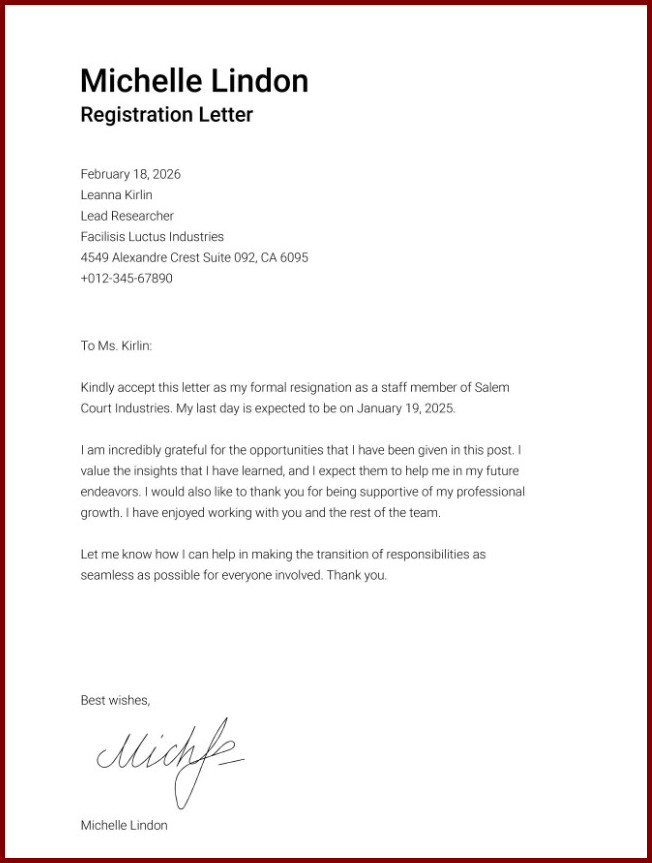
How to Write a Formal Letter of Resignation
Writing a formal letter of resignation can seem daunting, but following these steps can help you craft a well-written and professional resignation letter:
– Start with a formal header including your contact information and the date.
– Address the letter to your direct supervisor or manager.
– Begin with a formal salutation, such as “Dear [Supervisor’s Name],”
– State your intention to resign clearly and concisely.
– Mention your last working day, following the notice period specified in your employment contract.
– Express gratitude for the opportunities and experiences you’ve had at the company.
– Offer to assist with the transition, if possible.
– Close the letter with a professional closing, such as “Sincerely,” or “Best regards,” followed by your signature.
By following these steps, you can effectively communicate your decision to resign professionally and respectfully. Now, let’s explore some tips for writing a formal letter of resignation.
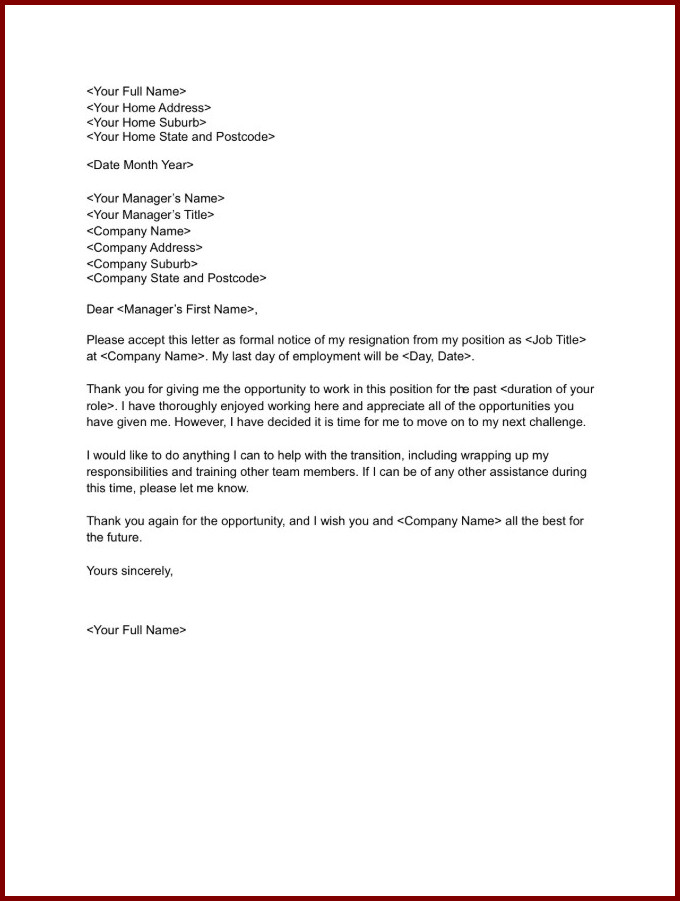
Tips for Writing a Formal Letter of Resignation
Here are some tips to keep in mind when writing a formal letter of resignation:
– Be concise and to the point: Keep your letter brief and focused on the main purpose of resigning.
– Maintain a positive tone: Express gratitude and appreciation for your time at the company, even if your experience was not entirely positive.
– Be professional: Use formal language and format to convey your message respectfully.
– Proofread your letter: Check for spelling and grammar errors before sending your resignation letter.
– Deliver the letter in person: Whenever possible, hand-deliver your resignation letter to your supervisor or HR manager to maintain open communication.
By following these tips, you can ensure that your formal letter of resignation is well-received and leaves a positive impression as you move on to the next chapter of your career.
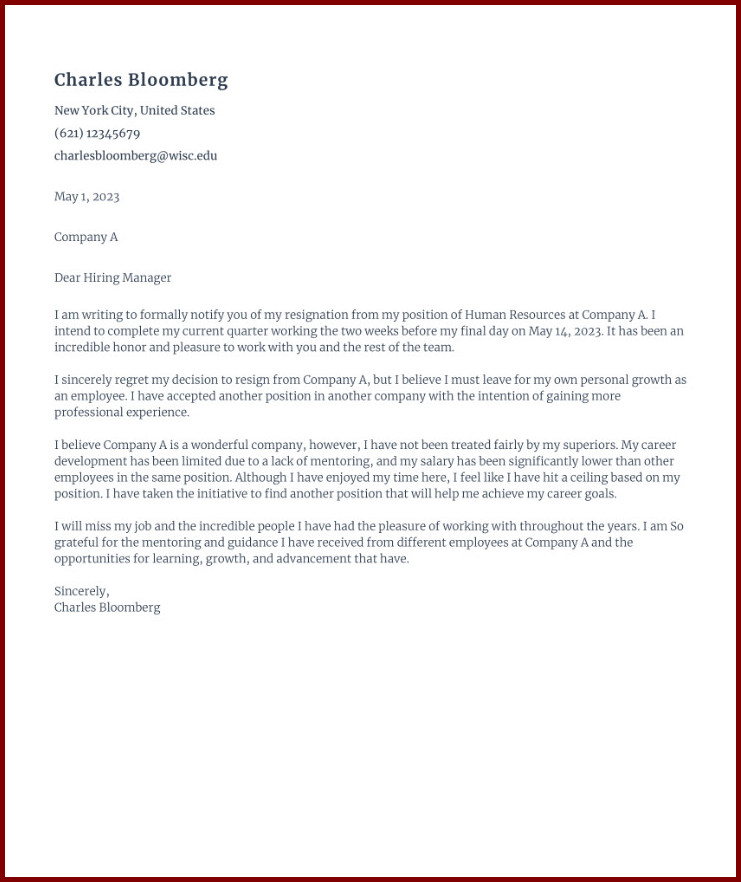
In conclusion, writing a formal letter of resignation is an important step in the process of leaving a job. By understanding what to include, why it’s essential, how to write it effectively, and following some tips, you can resign professionally and courteously. Remember, a well-written resignation letter can help maintain a positive relationship with your employer and leave a lasting impression as you transition to new opportunities.
