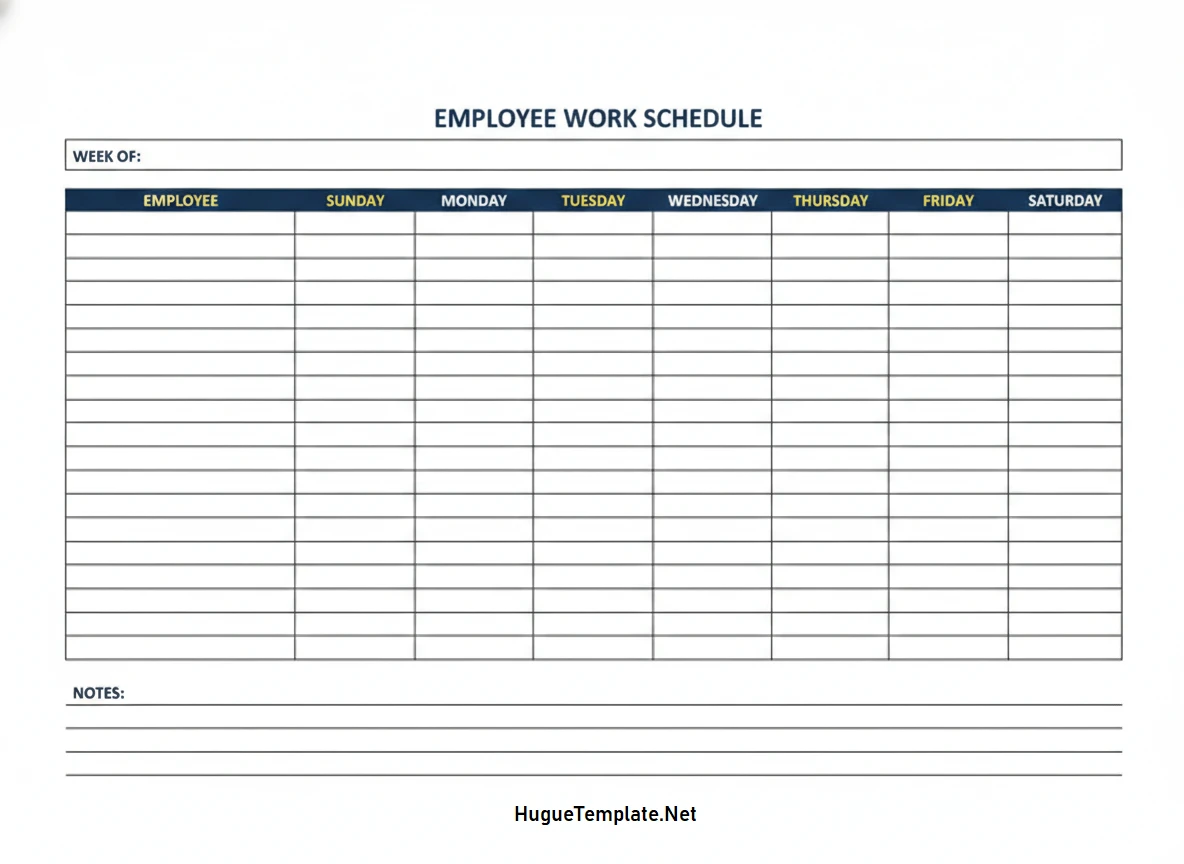
Creating an employee schedule can be a daunting task for managers and business owners. It involves juggling multiple factors such as employee availability, shift preferences, labor laws, and business needs. A well-designed schedule is crucial for ensuring optimal productivity, employee satisfaction, and cost-efficiency.
In this comprehensive guide, we will delve into the intricacies of creating an effective employee schedule that meets the needs of both the business and its employees.
What is an Employee Schedule?
An employee schedule is a predetermined timetable that outlines when employees are expected to work. It typically includes details such as shift start and end times, break schedules, and job duties.
Employee schedules are essential for businesses of all sizes as they help in organizing work shifts, ensuring adequate staffing levels, and complying with labor regulations.
Why is Employee Scheduling Important?
1. Ensures Adequate Staffing
One of the primary reasons why employee scheduling is important is to ensure that businesses have enough staff members on duty to meet customer needs. When the right number of employees is scheduled for each shift, it helps prevent understaffing, which can lead to poor service quality, long wait times, and unhappy customers.
2. Balances Employee Needs and Business Demands
Employee scheduling also involves balancing the needs and preferences of individual employees with the operational requirements of the business. By taking into account factors such as employee availability, shift preferences, and skills, managers can create a schedule that meets both the needs of the business and its employees.
3. Improves Employee Satisfaction
When employees have a say in their schedules and are given adequate notice of their shifts, it leads to higher job satisfaction and morale. Employees who feel valued and respected are more likely to perform well, stay with the company longer, and contribute positively to the overall success of the business.
What to Include in an Employee Schedule?
Creating an effective employee schedule involves several key components that need to be carefully considered. These include:
- Employee Availability: Gather information on when each employee is available to work, taking into account any time-off requests or scheduling conflicts.
- Shift Rotation: Rotate shifts fairly among employees to ensure a balanced workload and prevent burnout.
- Break Times: Schedule adequate break times to comply with labor laws and promote employee well-being.
- Communication: Clearly communicate the schedule to all employees in advance to prevent misunderstandings and last-minute changes.
How to Create an Employee Schedule
Creating an effective employee schedule requires careful planning and consideration of various factors. Here are some steps to help you create a successful employee schedule:
- Assess Staffing Needs: Determine the number of employees needed for each shift based on historical data, foot traffic, and sales projections.
- Collect Availability Information: Gather information on employee availability, time-off requests, and preferences to create a schedule that meets everyone’s needs.
- Use Scheduling Software: Consider using scheduling software to streamline the scheduling process, automate shift swaps, and track employee hours.
- Rotate Shifts Fairly: Avoid assigning the same employees to undesirable shifts repeatedly by rotating shifts fairly among all staff members.
Tips for Successful Employee Scheduling
To ensure that your employee schedule is effective and meets the needs of both the business and its employees, consider the following tips:
- Plan Ahead: Create schedules in advance to give employees ample time to plan their personal lives and make any necessary adjustments.
- Be Flexible: Accommodate employee requests for time-off or shift swaps whenever possible to promote a positive work environment.
- Monitor Performance: Regularly review schedule effectiveness, employee attendance, and performance metrics to identify areas for improvement.
- Solicit Feedback: Encourage employees to provide feedback on the schedule and make adjustments based on their input to enhance overall satisfaction.
Creating an effective employee schedule is essential for the success of any business. By taking into account employee availability, business needs, and labor laws, managers can create a schedule that promotes productivity, employee satisfaction, and cost-efficiency. With careful planning and thoughtful consideration, businesses can create a schedule that meets the needs of both the business and its employees.
Employee Schedule Template – DOWNLOAD
