Change orders are a common occurrence in the construction industry, but many people are still unsure about what they entail.
In this comprehensive guide, we will delve into the world of change orders, exploring what they are, why they are necessary, what to include in them, how to handle them effectively, and tips for successful change order management. Whether you are a contractor, subcontractor, or property owner, understanding change orders is crucial for the success of your project.
What are Change Orders?
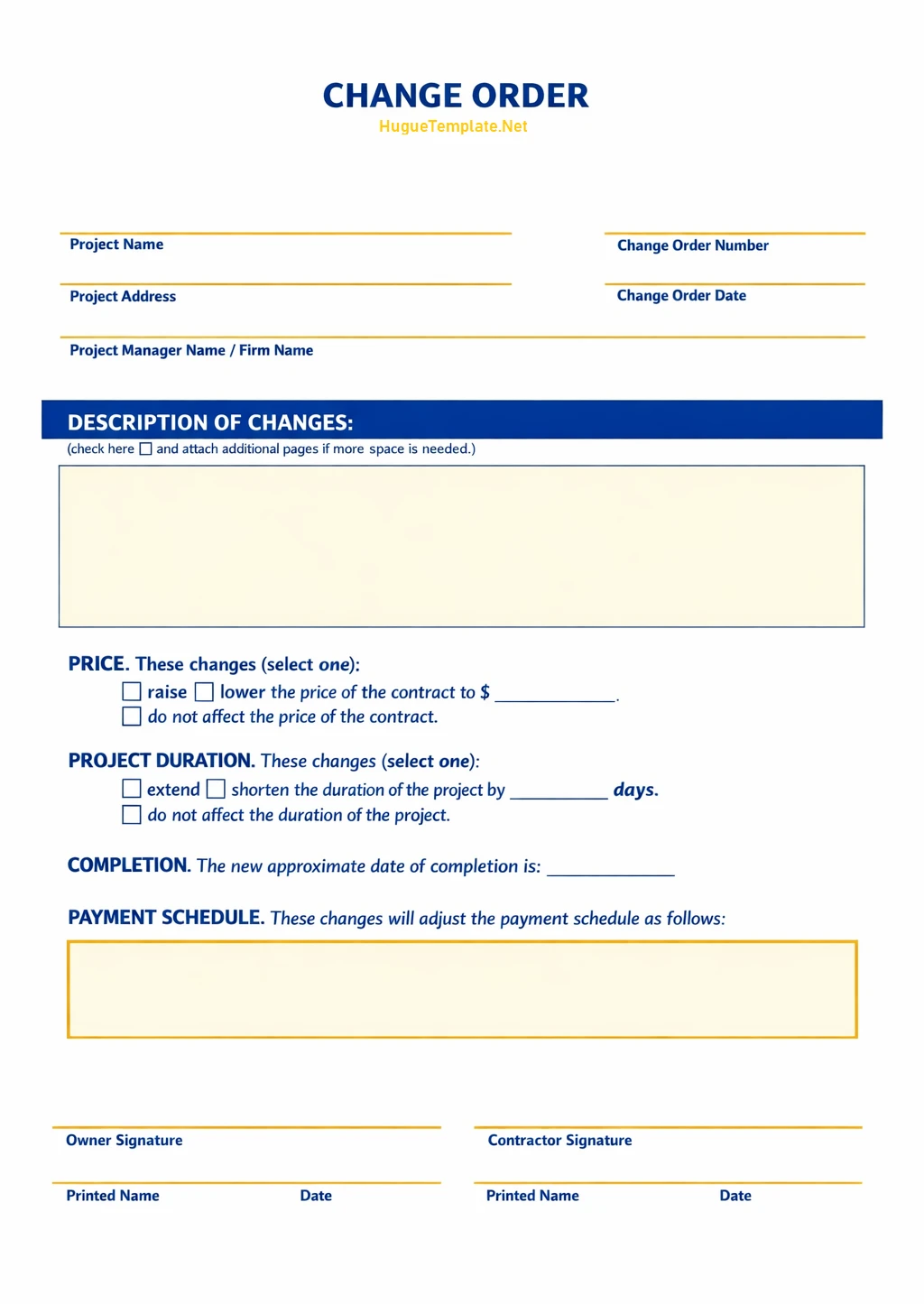
A change order is a document that outlines any modifications or additions to the original scope of work agreed upon in a construction contract. These changes can range from minor adjustments to major revisions, and they often impact the project timeline, budget, and overall completion.
Change orders are typically initiated when unexpected issues arise, design changes are requested, or unforeseen circumstances affect the project’s progress.
Why are Change Orders Necessary?
Change orders are necessary to ensure that all parties involved in a construction project are on the same page regarding any modifications or additions to the original scope of work. By documenting these changes in writing, change orders help prevent misunderstandings, disputes, and potential legal issues down the line.
They also provide a clear record of any adjustments made to the project, ensuring transparency and accountability throughout the construction process.
What to Include in a Change Order
When creating a change order, it is important to include specific details to clearly communicate the requested changes and their impact on the project. Some key elements to include in a change order are:
- Description of the change: Clearly outline the modifications or additions to the original scope of work.
- Reason for the change: Explain why the change is necessary and how it will benefit the project.
- Cost of the change: Provide a detailed breakdown of the additional costs associated with the change, including labor, materials, and any other expenses.
- Timeline for the change: Specify the impact of the change on the project timeline and outline any adjustments that need to be made.
- Signatures: Ensure that all parties involved in the project, including the contractor, subcontractor, and property owner, sign the change order to acknowledge their agreement.
- Date of the change: Clearly indicate when the change order was issued to track the timing of the modification.
How to Handle Change Orders Effectively
Handling change orders effectively is essential for the successful completion of a construction project. Here are some tips to help you navigate the change order process smoothly:
1. Communicate Clearly
Open and transparent communication is key when dealing with change orders. Keep all parties informed of any modifications or additions to the project scope and discuss the impact of these changes on the timeline and budget.
2. Document Everything
Keep detailed records of all change orders, including the reason for the change, cost implications, timeline adjustments, and signatures of all parties involved. This documentation will help prevent disputes and ensure accountability.
3. Review and Approve Promptly
Review change orders promptly to avoid delays in the project timeline. Make sure that all parties involved have a clear understanding of the requested changes and approve them on time.
4. Track Costs and Timelines
Monitor the costs and timeline implications of all change orders to ensure that the project stays on track and within budget. Keep a close eye on any deviations from the original scope of work and adjust accordingly.
5. Maintain Flexibility
Stay flexible and adaptable when dealing with change orders. Be prepared to adjust the project timeline, budget, and scope of work as needed to accommodate any unforeseen circumstances or modifications.
6. Seek Legal Advice if Necessary
If disputes arise regarding change orders, seek legal advice to help resolve any issues in a fair and equitable manner. A construction attorney can provide guidance on how to navigate complex legal matters related to change orders.
Tips for Successful Change Order Management
Successfully managing change orders requires careful planning, communication, and documentation. Here are some tips to help you navigate the change order process effectively:
- Develop a Change Order Policy: Establish clear guidelines and procedures for handling change orders to ensure consistency and transparency.
- Train Your Team: Educate your team members on the importance of change orders and how to handle them properly to avoid misunderstandings.
- Use Project Management Software: Utilize project management software to track and manage change orders, streamline communication, and keep all project-related documents in one central location.
- Stay Organized: Keep all change order documentation organized and easily accessible for reference throughout the project.
- Communicate Effectively: Maintain open lines of communication with all parties involved in the project to ensure that everyone is on the same page regarding any modifications or additions to the scope of work.
- Review and Learn from Past Change Orders: Analyze past change orders to identify trends, common issues, and areas for improvement in your change order management process.
By following these tips and best practices, you can effectively manage change orders and ensure the successful completion of your construction projects.
Change Order Template – DOWNLOAD
