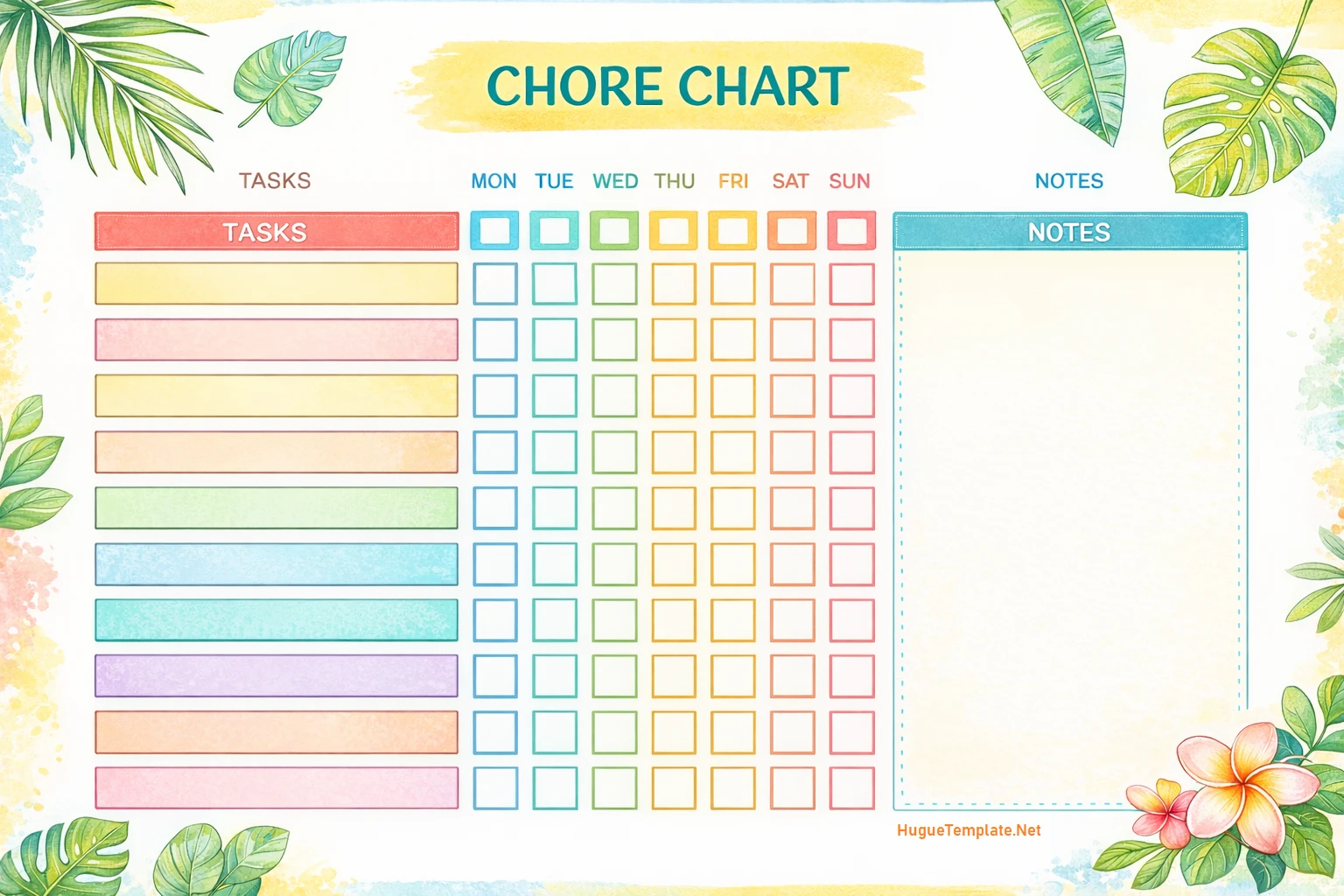
Keeping track of household chores can be a daunting task, but with the help of a chore chart, you can easily streamline your daily tasks and ensure that everything gets done in a timely manner. Whether you are a busy parent trying to get your kids involved in household responsibilities or simply looking to stay organized, a chore chart can be a game-changer.
In this comprehensive guide, we will explore the ins and outs of chore charts, including what they are, why they are important, what to include in a chore chart, how to create one, and tips for successful implementation.
What is a Chore Chart?
A chore chart is a visual tool used to assign and track household tasks among family members or roommates. It is a way to distribute responsibilities fairly and ensure that everyone is contributing to the upkeep of the home.
Chore charts can come in many different forms, from simple pen and paper lists to elaborate digital spreadsheets or apps. The key is to find a format that works best for your family’s lifestyle and needs.
Why Use a Chore Chart?
Chore charts are not just about divvying up tasks; they also teach important life skills such as responsibility, time management, and teamwork. By involving everyone in the household in the chore chart process, you are fostering a sense of ownership and accountability. Additionally, chore charts can help reduce conflicts over who is responsible for what, as expectations are clearly laid out in advance.
What to Include in a Chore Chart
When creating a chore chart, it is important to be specific and realistic about the tasks that need to be completed. Here are some key elements to consider including in your chore chart:
- List of Chores: Clearly outline the tasks that need to be done, such as vacuuming, doing dishes, taking out the trash, etc.
- Assignees: Assign each chore to a specific family member or roommate to ensure accountability.
- Frequency: Specify how often each chore needs to be completed, whether it is daily, weekly, or monthly.
- Rewards and Consequences: Consider implementing a reward system for completing chores or consequences for not doing them.
- Rotating Schedule: To prevent resentment or burnout, rotate chores among family members regularly.
- Communication: Encourage open communication about the chore chart to address any issues or concerns that arise.
How to Create a Chore Chart
Creating a chore chart can be a fun and collaborative process for the whole family. Here are some steps to help you get started:
- Identify Household Chores: Make a list of all the household tasks that need to be done on a regular basis.
- Assign Responsibilities: Determine who will be responsible for each chore based on age, ability, and availability.
- Create the Chart: Choose a format for your chore chart, whether it’s a physical chart on the fridge or a digital version on an app.
- Set Expectations: Clearly communicate the rules and expectations of the chore chart to all participants.
- Monitor Progress: Regularly check in on the chore chart to ensure tasks are being completed and make adjustments as needed.
- Celebrate Success: Acknowledge and reward family members for their contributions to the household tasks.
Tips for Successful Chore Chart Implementation
Implementing a chore chart can be a game-changer for your household, but it requires consistency and commitment from everyone involved. Here are some tips to make your chore chart a success:
1. Keep it Simple:
Don’t overwhelm your family members with too many tasks or complicated systems. Keep the chore chart simple and easy to follow.
2. Be Flexible:
Life happens, and schedules can change. Be willing to adjust the chore chart as needed to accommodate unexpected events or circumstances.
3. Lead by Example:
As a parent or household leader, model good behavior by participating in the chore chart and completing tasks alongside your family members.
4. Communicate Effectively:
Encourage open communication about the chore chart and be receptive to feedback or suggestions for improvement.
5. Make it Fun:
Turn chores into a game or challenge to make them more enjoyable for everyone involved. Consider adding a competitive element or rewards for completing tasks.
6. Be Consistent:
Consistency is key to the success of a chore chart. Stick to the schedule and hold everyone accountable for their assigned tasks.
Conclusion
In conclusion, chore charts are a valuable tool for streamlining household tasks and teaching important life skills to family members. By clearly outlining responsibilities, setting expectations, and fostering a sense of teamwork, chore charts can help create a more organized and harmonious household. With the tips and guidelines provided in this guide, you can create a chore chart that works for your family and makes household chores more manageable and enjoyable for everyone involved.
Chore Chart Template – DOWNLOAD
