Business agreements play a crucial role in the smooth operation of any business transaction. These agreements are legally binding documents that define the rights, responsibilities, expectations, and obligations of all parties involved in a transaction.
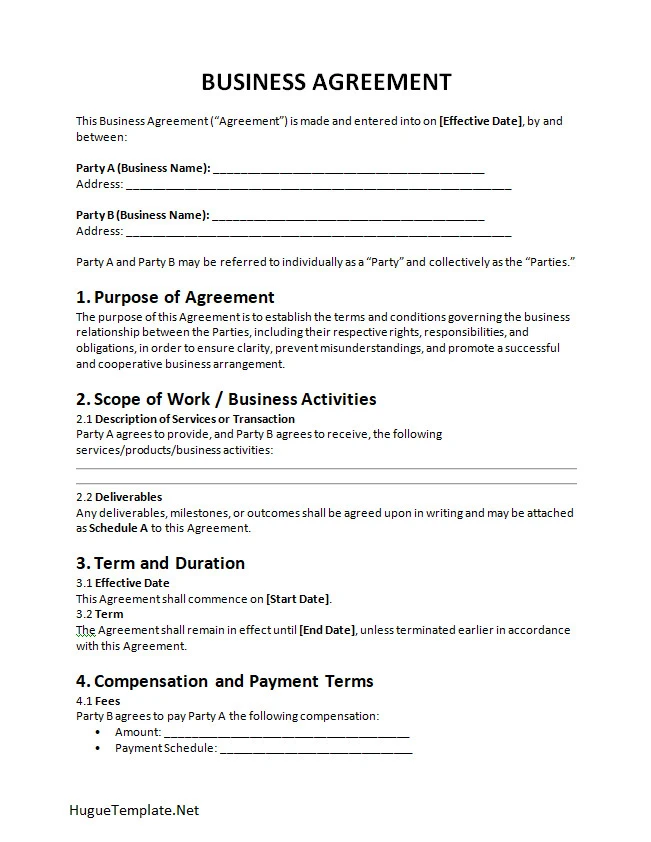
By creating a business agreement, you can prevent misunderstandings, manage risks, and provide a framework for resolving potential disputes. Ultimately, business agreements foster trust among all parties and ensure the successful execution of transactions.
What is a Business Agreement?
A business agreement is a formal document that outlines the terms and conditions of a business transaction between two or more parties.
This agreement serves as a legally binding record of the agreement reached by all parties involved. Business agreements can take various forms, including contracts, Memorandums of Understanding (MOUs), and Letters of Intent (LOIs).
Why Are Business Agreements Important?
Business agreements are essential for several reasons:
Ensuring Legal Compliance
One of the critical reasons why business agreements are important is to ensure legal compliance. By documenting the terms and conditions of a transaction in a formal agreement, all parties are bound by the laws governing the agreement. This legal framework not only protects the interests of the parties involved but also ensures that the transaction is conducted in accordance with applicable laws and regulations.
Protecting Intellectual Property Rights
Business agreements also play a crucial role in protecting intellectual property rights. By including confidentiality clauses and intellectual property provisions in the agreement, parties can safeguard their proprietary information, trade secrets, and other valuable assets. This protection is essential in today’s competitive business environment, where innovation and intellectual property are key drivers of success.
Defining Roles and Responsibilities
Another significant benefit of business agreements is their ability to define the roles and responsibilities of each party involved in the transaction. By clearly outlining the duties, obligations, and expectations of all parties, agreements help prevent misunderstandings and ensure that each party understands their specific role in the transaction. This clarity is essential for effective collaboration and successful project execution.
Establishing Payment Terms
Payment terms are a critical aspect of any business transaction, and business agreements provide a platform for defining these terms clearly. By specifying the payment schedule, methods of payment, and any other financial considerations in the agreement, parties can avoid disputes over payment issues. Clear payment terms help streamline financial transactions and ensure that payments are made in a timely and orderly manner.
Creating a Framework for Growth
Business agreements not only address the immediate transaction at hand but also provide a framework for future growth and expansion. By including provisions for amendments, termination, and renewal in the agreement, parties can adapt to changing circumstances and opportunities. This flexibility allows businesses to evolve and grow while maintaining a solid foundation for their operations.
Enhancing Communication and Collaboration
Effective communication and collaboration are essential for the success of any business transaction. Business agreements facilitate open communication by clearly defining expectations, objectives, and responsibilities. By encouraging parties to communicate openly and collaborate effectively, agreements help build strong relationships and foster a positive working environment. This collaboration is key to achieving mutually beneficial outcomes and driving business success.
Minimizing Legal Risks
One of the primary functions of a business agreement is to minimize legal risks associated with a transaction. By clearly outlining the terms and conditions of the agreement, parties can avoid legal disputes, breaches of contract, and other potential legal issues. Well-drafted agreements help parties understand their legal rights and obligations, reducing the likelihood of costly litigation and legal complications.
Protecting Confidential Information
Confidentiality is essential in many business transactions, especially when sensitive information is involved. Business agreements often include confidentiality clauses that protect proprietary information, trade secrets, and other confidential data shared during the transaction. By safeguarding confidential information, parties can maintain a competitive edge, protect their intellectual property, and build trust with their business partners.
Ensuring Compliance with Industry Standards
Business agreements help ensure compliance with industry standards, regulations, and best practices. By incorporating industry-specific requirements and standards into the agreement, parties can demonstrate their commitment to quality, safety, and ethical conduct. This compliance not only protects parties from legal risks but also enhances their reputation and credibility within their industry.
Promoting Accountability and Transparency
Business agreements promote accountability and transparency by clearly defining the rights and obligations of all parties involved. By holding parties accountable for their actions and ensuring transparency in decision-making processes, agreements help build trust and integrity in business relationships. This accountability fosters a culture of honesty, responsibility, and ethical behavior, which is essential for long-term success.
Facilitating Effective Project Management
Effective project management is crucial for the successful execution of any business transaction. Business agreements help facilitate project management by setting clear objectives, timelines, and deliverables. By establishing a roadmap for the project and outlining key milestones, parties can track progress, monitor performance, and ensure that the project stays on schedule and within budget. This structured approach to project management enhances efficiency, reduces risks, and improves overall project outcomes.
Building Strong Business Relationships
Ultimately, business agreements play a vital role in building strong business relationships based on trust, mutual respect, and collaboration. By creating a formal agreement that outlines the terms and conditions of a transaction, parties demonstrate their commitment to the success of the transaction and their willingness to work together towards a common goal. This commitment fosters positive relationships, fosters trust, and lays the foundation for future collaboration and partnership opportunities.
What to Include in a Business Agreement?
When drafting a business agreement, it is crucial to include specific elements to ensure the clarity and effectiveness of the document:
Identification of Parties
One of the first steps in drafting a business agreement is to clearly identify all parties involved in the transaction. Including the full legal names, addresses, and contact information of each party helps avoid confusion and ensures that all parties are bound by the terms of the agreement.
Scope of Work
Defining the scope of work is essential for outlining the specific tasks, responsibilities, and deliverables expected from each party. Clearly defining the scope of work helps prevent misunderstandings and ensures that all parties are aligned in their objectives and expectations.
One-Time Payments and Payment Schedule
Specify whether the transaction involves one-time payments or a payment schedule. Clearly outline the amount of payment, payment due dates, and any penalties for late payments. Including payment terms helps ensure that all financial aspects of the transaction are clearly communicated and agreed upon.
Delivery Schedules and Deadlines
Include delivery schedules and deadlines for the completion of tasks or delivery of goods and services. Setting clear deadlines helps manage expectations, ensure timely delivery, and avoid delays in the transaction. By specifying delivery schedules, parties can plan accordingly and meet project milestones effectively.
Dispute Resolution Mechanisms
Include a section that outlines the process for resolving disputes in the event of disagreements or conflicts. Specify whether disputes will be resolved through mediation, arbitration, or litigation, and establish a framework for resolving disputes quickly and efficiently. Having clear dispute resolution mechanisms in place helps prevent prolonged disputes and legal battles.
Confidentiality and Non-Disclosure Agreements
If the transaction involves the exchange of sensitive information, consider including confidentiality and non-disclosure agreements to protect proprietary information and trade secrets. Confidentiality clauses help safeguard confidential information and prevent unauthorized disclosure, ensuring that valuable assets are protected throughout the transaction.
Termination and Renewal Provisions
Include provisions for termination and renewal in the agreement to address the possibility of ending the agreement early or extending its duration. Specify the conditions under which the agreement can be terminated and the process for renewing or extending the agreement. Having clear termination and renewal provisions helps parties adapt to changing circumstances and opportunities.
Indemnification and Liability
Address indemnification and liability issues in the agreement to clarify each party’s responsibility for damages, losses, or liabilities arising from the transaction. Define the extent of indemnification, the limits of liability, and any insurance requirements to protect parties from unforeseen risks and liabilities. Clear indemnification and liability provisions help mitigate risks and ensure that parties are protected in case of unexpected events.
Governing Law and Jurisdiction
Specify the governing law and jurisdiction that will apply to the agreement to determine the legal framework governing the transaction. Define which laws will govern the interpretation and enforcement of the agreement and specify the jurisdiction where disputes will be resolved. Establishing governing law and jurisdiction helps clarify legal rights and obligations and ensures that parties understand the legal framework governing the transaction.
Signatures and Execution
Once all terms and conditions are agreed upon, ensure that all parties sign the agreement to make it legally binding and enforceable. Signatures signify the parties’ acceptance of the terms and their commitment to fulfilling their obligations under the agreement. Proper execution of the agreement is essential to ensure that all parties are bound by the terms and conditions of the document.
How to Draft a Business Agreement
When drafting a business agreement, follow these steps to ensure that the document is comprehensive, clear, and legally sound:
1. Conduct Due Diligence
Before drafting the agreement, conduct due diligence to gather all necessary information about the parties involved, the scope of the transaction, and any relevant legal requirements. Understanding the details of the transaction is essential for drafting an effective agreement that meets the needs of all parties.
2. Define the Purpose and Objectives
Clearly define the purpose and objectives of the agreement to ensure that all parties are aligned in their goals and expectations. Establishing clear objectives helps guide the drafting process and ensures that the agreement reflects the parties’ intentions and desired outcomes.
3. Outline the Terms and Conditions
Outline the specific terms and conditions of the agreement, including the scope of work, payment terms, delivery schedules, and any other relevant details. Be specific and detailed in defining the rights, responsibilities, and obligations of each party to avoid misunderstandings and disputes.
4. Include Necessary Provisions
Include necessary provisions in the agreement to address key aspects of the transaction, such as payment terms, delivery schedules, dispute resolution mechanisms, confidentiality clauses, termination provisions, and indemnification and liability issues. Tailor the provisions to the specific needs of the transaction to ensure that all relevant aspects are covered.
5. Consult with Legal Counsel
It is advisable to consult with legal counsel when drafting a business agreement to ensure that the document complies with applicable laws and regulations. Legal professionals can provide valuable guidance on drafting the agreement, addressing potential legal issues, and protecting the interests of all parties involved.
6. Review and Revise
Before finalizing the agreement, review and revise the document to ensure that it accurately reflects the intentions of all parties and covers all necessary details. Consider seeking feedback from all parties involved to ensure that their concerns and expectations are addressed in the agreement.
7. Sign and Execute
Once all parties are satisfied with the agreement, ensure that all parties sign the document to make it legally binding and enforceable. Proper execution of the agreement is essential to ensure that all parties are bound by the terms and conditions of the document and committed to fulfilling their obligations.
Tips for Successful Business Agreements
When creating a business agreement, keep these tips in mind to ensure that the document is effective, clear, and legally sound:
1. Be Specific and Detailed
Include specific and detailed terms and conditions in the agreement to avoid ambiguity and misunderstandings. Clearly define the rights, responsibilities, and obligations of each party to ensure that all aspects of the transaction are covered.
2. Seek Legal Advice
Consult with legal counsel when drafting the agreement to ensure that it complies with applicable laws and regulations. Legal professionals can provide valuable guidance on addressing legal issues, protecting interests, and ensuring the enforceability of the agreement.
3. Communicate Effectively
Keep all parties informed throughout the drafting process and encourage open communication to address any concerns or questions. Effective communication helps ensure that all parties are aligned in their expectations and objectives for the transaction.
4. Review Regularly
Periodically review and update the agreement to ensure that it remains relevant and addresses any changes in circumstances. Regular reviews help ensure that the agreement continues to meet the needs and expectations of all parties involved.
5. Document Everything
Keep detailed records of all communications, agreements, and amendments related to the transaction to maintain a clear record of the agreement. Documenting all aspects of the transaction helps prevent disputes and ensures that parties have a reliable reference for the terms and conditions of the agreement.
6. Stay Flexible
Be open to negotiation and willing to make revisions to the agreement if necessary to address concerns or accommodate changing circumstances. Flexibility is essential for ensuring that the agreement meets the needs and expectations of all parties involved in the transaction.
Free Business Agreement Template
A Business Agreement helps clearly define the terms, roles, and responsibilities between parties in a professional and organized document. It supports transparency, reduces the risk of misunderstandings, and provides a solid foundation for successful business relationships. With a well-structured template, you can ensure agreements are clear, consistent, and legally sound.
Download our Business Agreement Template today to protect your interests and conduct business with confidence.
Business Agreement Template – DOWNLOAD
