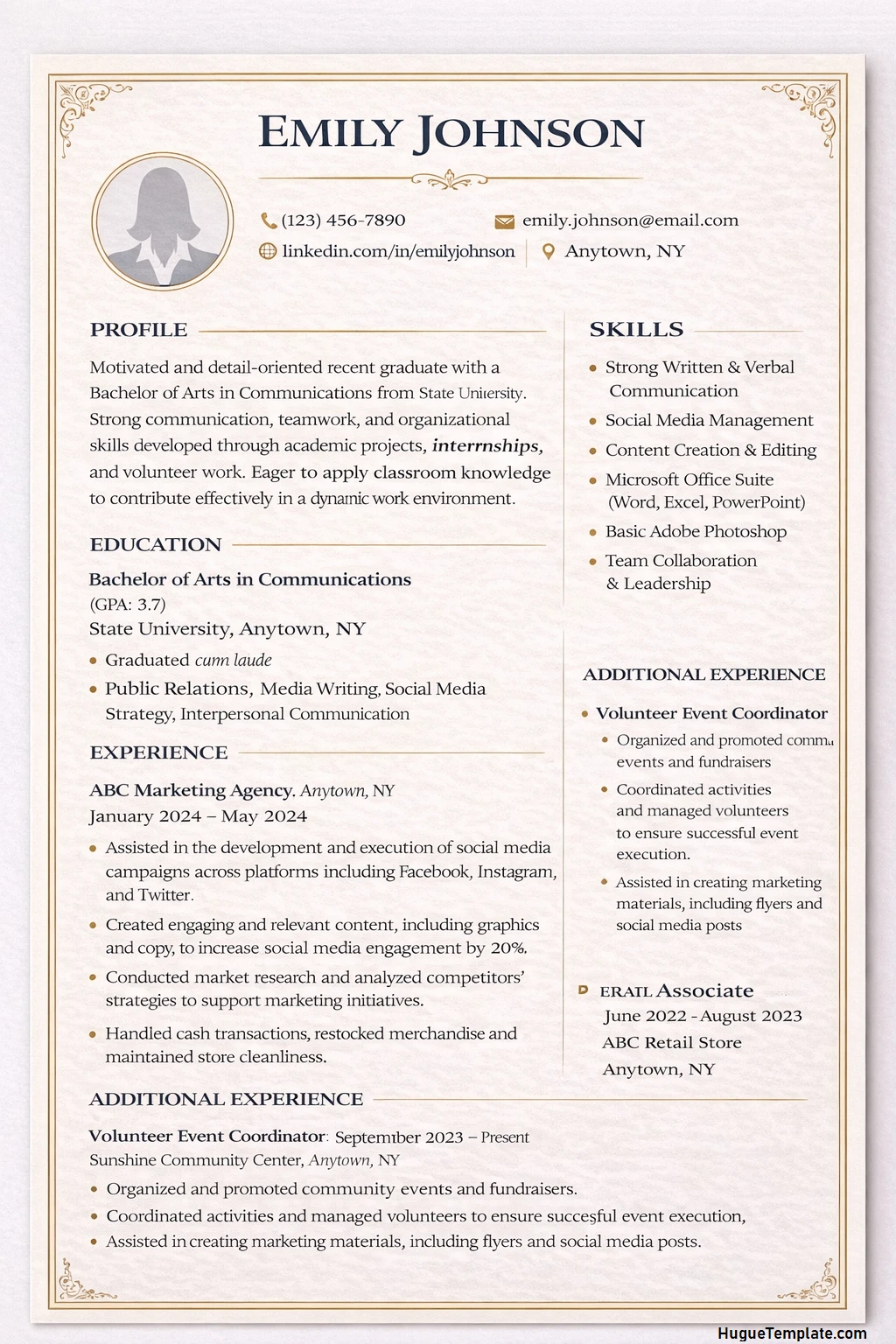
Whether you are a recent graduate entering the job market for the first time or someone looking to make a career change, having a well-crafted entry-level resume is crucial in showcasing your skills and experience to potential employers. Your resume serves as your first impression, so it is essential to make it stand out from the competition.
In this article, we will explore what an entry-level resume is, why it is important, what to include, how to tailor it to specific industries, and tips for creating a successful resume that will help you land your dream job.
What is an Entry-Level Resume?
An entry-level resume is a document that highlights your education, skills, and any relevant experience you have, typically for individuals who are new to the workforce or have limited work experience. It is a tool used by job seekers to market themselves to potential employers and secure interviews for entry-level positions in their desired field.
While entry-level resumes may not have extensive work history, they should showcase your potential, passion, and willingness to learn and grow within a company.
Why is an Entry-Level Resume Important?
An entry-level resume is important because it is often the first point of contact between you and a potential employer. It serves as a snapshot of your qualifications, skills, and accomplishments, giving employers a glimpse into what you can bring to their organization.
A well-crafted entry-level resume can help you stand out from other candidates and increase your chances of landing an interview. Additionally, it demonstrates your professionalism, attention to detail, and ability to effectively communicate your value to a prospective employer.
What to Include in an Entry-Level Resume
When crafting your entry-level resume, there are several key components that you should include to effectively showcase your qualifications and skills. These typically include:
1. Contact Information: Your full name, phone number, email address, and LinkedIn profile (if applicable).
2. Objective or Summary Statement: A brief statement that highlights your career goals and what you can offer to potential employers.
3. Education: List your educational background, including your degree(s), major(s), graduation date, and any academic honors or awards.
4. Relevant Coursework: Include any coursework or projects that are relevant to the job you are applying for.
5. Skills: Highlight your key skills, both technical and soft skills, that are relevant to the position.
6. Experience (if applicable): Include any internships, part-time jobs, volunteer work, or extracurricular activities that demonstrate your skills and experience.
7. Certifications or Licenses: Include any relevant certifications or licenses that you have obtained.
8. Professional Development: Include any professional development activities, such as workshops, seminars, or conferences attended.
How to Tailor Your Entry-Level Resume to Specific Industries
Tailoring your entry-level resume to specific industries is crucial in highlighting your relevant skills and experience for the job you are applying for. Research the industry and job position you are interested in and customize your resume to align with the employer’s needs and requirements. Some tips for tailoring your entry-level resume to specific industries include:
- Research the Industry: Understand the key skills and qualifications required for the industry.
- Highlight Relevant Experience: Emphasize any experience or skills that are directly relevant to the industry.
- Use Keywords: Incorporate industry-specific keywords and terms to make your resume stand out to applicant tracking systems.
- Showcase Transferable Skills: Highlight transferable skills that are relevant across different industries.
- Create Multiple Versions: Consider creating multiple versions of your resume tailored to different industries or job positions.
Tips for Creating a Successful Entry-Level Resume
Creating a successful entry-level resume requires attention to detail, research, and a clear understanding of what employers are looking for in a candidate. Some tips for crafting a winning entry-level resume include:
- Keep It Concise: Limit your resume to one page, focusing on the most relevant information.
- Use Action Verbs: Start bullet points with strong action verbs to demonstrate your accomplishments.
- Quantify Achievements: Use numbers and metrics to quantify your achievements and demonstrate your impact.
- Proofread Carefully: Check for typos, grammar errors, and formatting issues to ensure a polished final product.
- Customize for Each Job: Tailor your resume for each job application to highlight the most relevant skills and experience.
- Seek Feedback: Have someone else review your resume for feedback and suggestions for improvement.
- Update Regularly: Keep your resume up to date with new skills, experiences, and accomplishments as you continue to grow in your career.
In conclusion, crafting an effective entry-level resume is essential in showcasing your qualifications, skills, and potential to prospective employers. By following the tips outlined in this article and tailoring your resume to specific industries, you can increase your chances of standing out from the competition and landing your dream job. Remember to keep your resume concise, well-organized, and tailored to each job application to make a lasting impression on hiring managers. Good luck in your job search!
Entry-level Resume Template – DOWNLOAD
