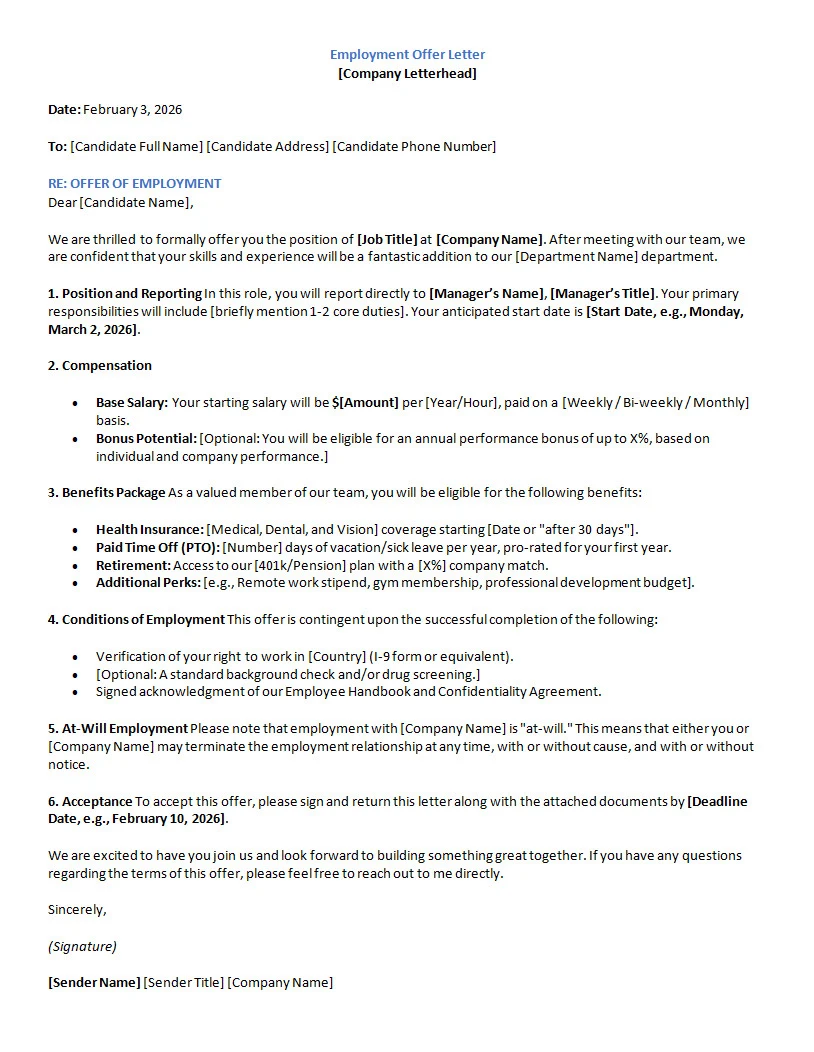
Whether you are a seasoned professional or a recent college graduate, receiving an employment offer letter is an exciting milestone in your career journey. This official document outlines the terms and conditions of your new job, including salary, benefits, start date, and other important details. Understanding the ins and outs of an employment offer letter is crucial to ensure you make an informed decision before accepting a job offer.
In this comprehensive guide, we will delve into what an employment offer letter entails, why it is important, what to include in the letter, how to navigate the negotiation process, and tips for successfully securing the job of your dreams.
What is an Employment Offer Letter?
An employment offer letter is a formal document issued by an employer to a prospective employee, offering them a job position within the company. This letter serves as the official confirmation of the job offer and outlines the key terms and conditions of employment. It typically includes details such as the job title, salary, benefits, start date, work schedule, and any other relevant information regarding the position.
The employment offer letter is a crucial step in the hiring process, as it provides clarity on what is expected of the employee and what they can expect in return from the employer.
Why is an Employment Offer Letter Important?
An employment offer letter is a crucial document that sets the foundation for a successful employment relationship between the employer and the employee. Here are some key reasons why an employment offer letter is important:
1. Legal Protection:
The employment offer letter serves as a legally binding document that protects both the employer and the employee by outlining the terms and conditions of employment.
2. Clarity and Transparency:
It provides clarity and transparency about the job offer, ensuring that both parties are on the same page regarding the expectations and responsibilities associated with the position.
3. Avoid Misunderstandings:
By clearly outlining the terms of employment in writing, the employment offer letter helps avoid misunderstandings or disputes that may arise in the future.
What to Include in an Employment Offer Letter
When drafting an employment offer letter, it is important to include the following key components to ensure clarity and transparency in the job offer:
1. Job Title and Responsibilities:
The employment offer letter should clearly state the job title and provide a brief overview of the key responsibilities associated with the position.
2. Compensation Package:
Include details about the salary, bonuses, incentives, benefits, and any other forms of compensation offered by the company.
3. Start Date and Work Schedule:
Specify the start date of employment and outline the regular work schedule, including hours of work and any flexibility options available.
4. Benefits and Perks:
Detail the employee benefits package, including health insurance, retirement plans, paid time off, and any additional perks offered by the company.
5. Conditions of Employment:
Outline any conditions of employment, such as background checks, drug tests, or other requirements that need to be fulfilled before starting the job.
6. At-Will Employment Statement:
Include a statement clarifying the at-will employment relationship between the employer and the employee, highlighting the ability to terminate the employment at any time.
7. Confidentiality and Non-Disclosure Agreement:
Include a confidentiality and non-disclosure agreement to protect the company’s sensitive information and trade secrets.
8. Acceptance Deadline:
Specify a deadline by which the candidate should respond to the job offer, allowing the employer to make alternative arrangements if necessary.
How to Negotiate an Employment Offer
Negotiating an employment offer can be a daunting task, but with careful preparation and communication, you can secure a favorable outcome. Here are some tips for successfully navigating the negotiation process:
1. Research Market Rates:
Research industry standards and salary benchmarks to ensure you are aware of your market value and can negotiate from a position of knowledge.
2. Identify Key Priorities:
Determine your priorities and non-negotiables before entering into discussions with the employer, focusing on what matters most to you in the employment offer.
3. Communicate Clearly:
Clearly articulate your reasons for negotiating and present your case in a professional and respectful manner, highlighting the value you bring to the organization.
4. Be Open to Compromise:
Be open to compromise and explore creative solutions that benefit both parties, such as flexible work arrangements or additional benefits instead of a higher salary.
5. Seek Professional Advice:
If you are unsure about the negotiation process, seek advice from a career coach or mentor who can provide guidance and support throughout the negotiation process.
Tips for Successful Employment Offer Acceptance
Securing a job offer is a significant achievement, but accepting the offer requires careful consideration and attention to detail. Here are some tips for successfully accepting an employment offer:
1. Review the Offer Carefully:
Thoroughly review the employment offer letter, paying close attention to the terms and conditions, salary, benefits, and any other relevant details before making a decision.
2. Ask Questions:
If you have any doubts or concerns about the job offer, don’t hesitate to ask questions and seek clarification from the employer to ensure you have all the information you need to make an informed decision.
3. Express Gratitude:
Express gratitude to the employer for the job offer and convey your enthusiasm for the opportunity, showcasing your appreciation for being considered for the position.
4. Confirm Acceptance in Writing:
Once you have made the decision to accept the job offer, confirm your acceptance in writing by sending a formal acceptance letter to the employer, outlining your excitement to join the team.
5. Prepare for Onboarding:
Start preparing for your new role by familiarizing yourself with the company culture, policies, and procedures, and getting ready for a smooth transition into your new position.
In conclusion, understanding the intricacies of an employment offer letter is essential for making informed decisions and navigating the job offer process successfully. By following the guidance provided in this comprehensive guide, you can approach employment offers with confidence and clarity, ensuring a smooth transition into your new role.
Remember to take your time to review and negotiate the terms of the offer, express gratitude for the opportunity, and prepare for a successful onboarding experience.
Employment Offer Letter Template – DOWNLOAD
