Are you a student looking for a more effective way to take notes during lectures? Are you a professional seeking a method to organize your ideas during meetings or brainstorming sessions? Look no further than Cornell notes.
This comprehensive guide will walk you through everything you need to know about Cornell notes, including what they are, why they are beneficial, what to include in them, how to create them, and tips for successful note-taking.
What are Cornell Notes?
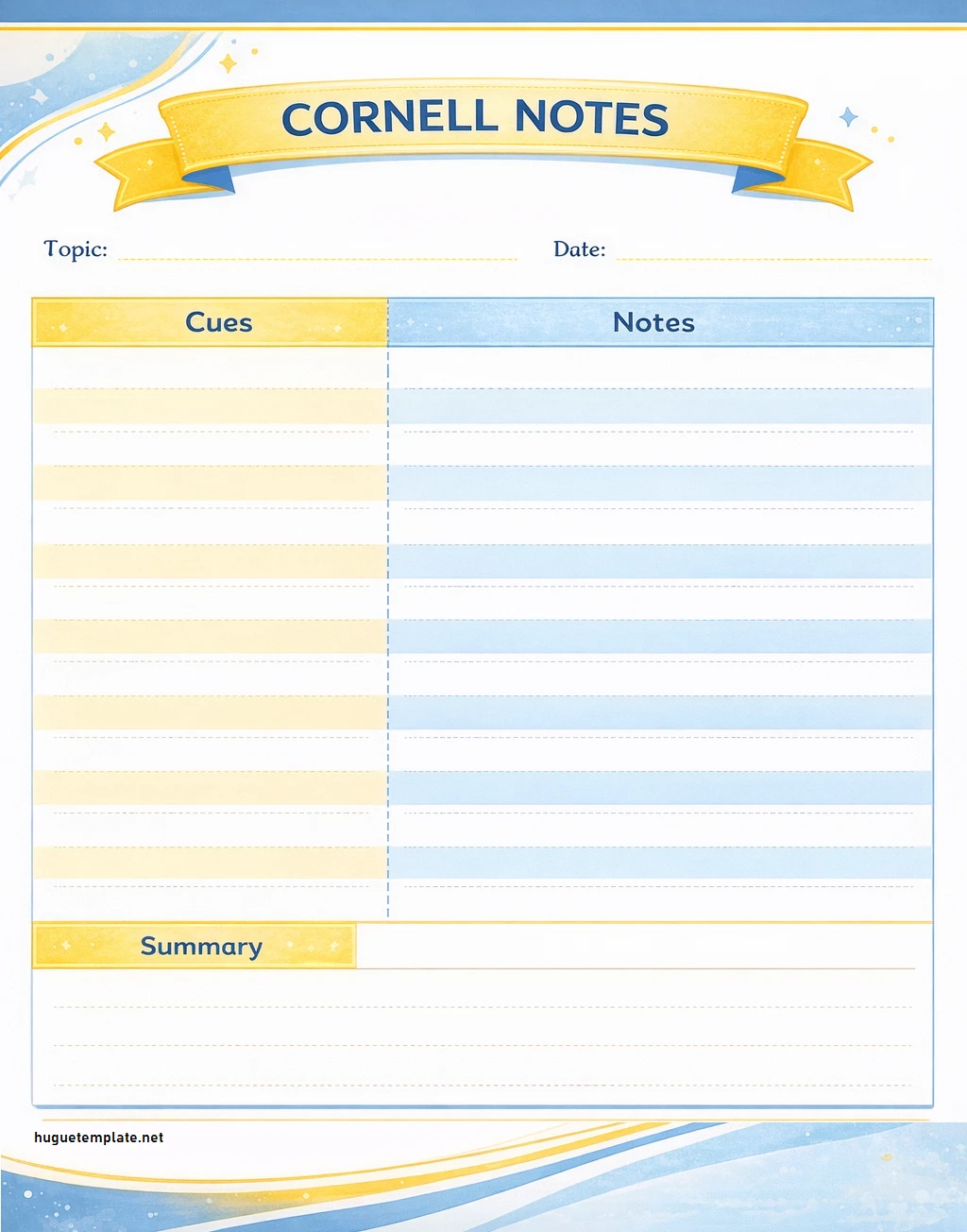
Cornell notes are a note-taking system that was developed by Walter Pauk, an education professor at Cornell University, in the 1940s. The Cornell note-taking method is designed to help students and professionals organize and review their notes more effectively. The structure of Cornell notes consists of three main sections: a cue column, a notes column, and a summary section at the bottom.
The cue column is used for writing questions or keywords that prompt memory recall, the notes column is for jotting down main ideas and details, and the summary section is for summarizing the key points of the notes. This format helps individuals engage with the material actively, identify important information, and review their notes efficiently.
Why Use Cornell Notes?
There are several benefits to using Cornell notes for your note-taking needs. Some of the advantages include:
- Improved organization: The structured format of Cornell notes helps you organize information clearly and systematically.
- Active engagement: By actively summarizing and reflecting on your notes, you are more likely to retain the information.
- Efficient review: The summary section at the bottom of the page allows for a quick review of key points without having to read through the entire set of notes.
- Enhanced learning: Cornell notes encourage critical thinking and help you make connections between different concepts.
- Customizable format: Cornell notes can be customized to suit your specific needs and preferences.
What to Include in Cornell Notes?
When creating Cornell notes, it is important to include the following elements in each section:
1. Cue Column:
In the cue column, write down questions, keywords, or prompts that will help you recall the information in the notes column. These cues should be brief and to the point, serving as a guide for reviewing the material later.
2. Notes Column:
The notes column is where you will write down the main ideas, details, and supporting information from the lecture, meeting, or reading material. Be concise and focus on capturing the most important points in your own words.
3. Summary Section:
At the bottom of the page, summarize the key points of the notes in your own words. This section should provide a brief overview of the main ideas and concepts covered in the notes.
How to Create Cornell Notes?
Creating Cornell notes is simple and can be done using any word processing software or note-taking app. Here are the steps to follow:
1. Divide your page into three sections: cue column, notes column, and summary section.
2. Label each section accordingly.
3. Start by filling in the cue column with questions or keywords.
4. Take notes in the notes column, focusing on key ideas and details.
5. Summarize the main points in the summary section at the bottom of the page.
Tips for Successful Note-Taking with Cornell Notes
To make the most of your Cornell notes, consider the following tips:
- Stay organized: Use headings, bullet points, and numbering to organize your notes effectively.
- Be concise: Focus on capturing the main ideas and key points rather than transcribing everything word for word.
- Review regularly: Set aside time to review and summarize your notes to reinforce your understanding of the material.
- Customize your notes: Experiment with different formats and layouts to find what works best for you.
- Use color coding: Use different colors to highlight important information, make connections, or categorize ideas.
- Stay engaged: Actively participate in lectures or meetings by asking questions, making connections, and engaging with the material.
- Seek feedback: Share your Cornell notes with peers or instructors to receive feedback and improve your note-taking skills.
Conclusion
In conclusion, Cornell notes are a valuable tool for organizing your thoughts, improving your note-taking skills, and enhancing your learning experience. By following the guidelines outlined in this guide and implementing the tips provided, you can make the most of Cornell notes and take your note-taking to the next level. Start incorporating Cornell notes into your study or work routine and watch your productivity and understanding of the material soar.
Cornell Notes Template – Free Download
