In today’s fast-paced and interconnected business environment, the need for a robust business continuity plan (BCP) is paramount. A BCP is a proactive strategy that enables organizations to anticipate and prepare for potential disruptions that could threaten their operations.
By outlining the steps and strategies needed to maintain critical functions, protect assets, and recover swiftly from unexpected events, a BCP serves as a roadmap for navigating crises with resilience and agility.
What is a Business Continuity Plan?
A business continuity plan is a comprehensive framework that details how an organization will respond to and recover from various types of disruptions. It encompasses a range of activities, including risk assessment, business impact analysis, recovery strategies, and communication protocols.
A well-designed BCP considers the unique needs and priorities of the organization, identifying key resources, processes, and dependencies that must be safeguarded to ensure continuity of operations.
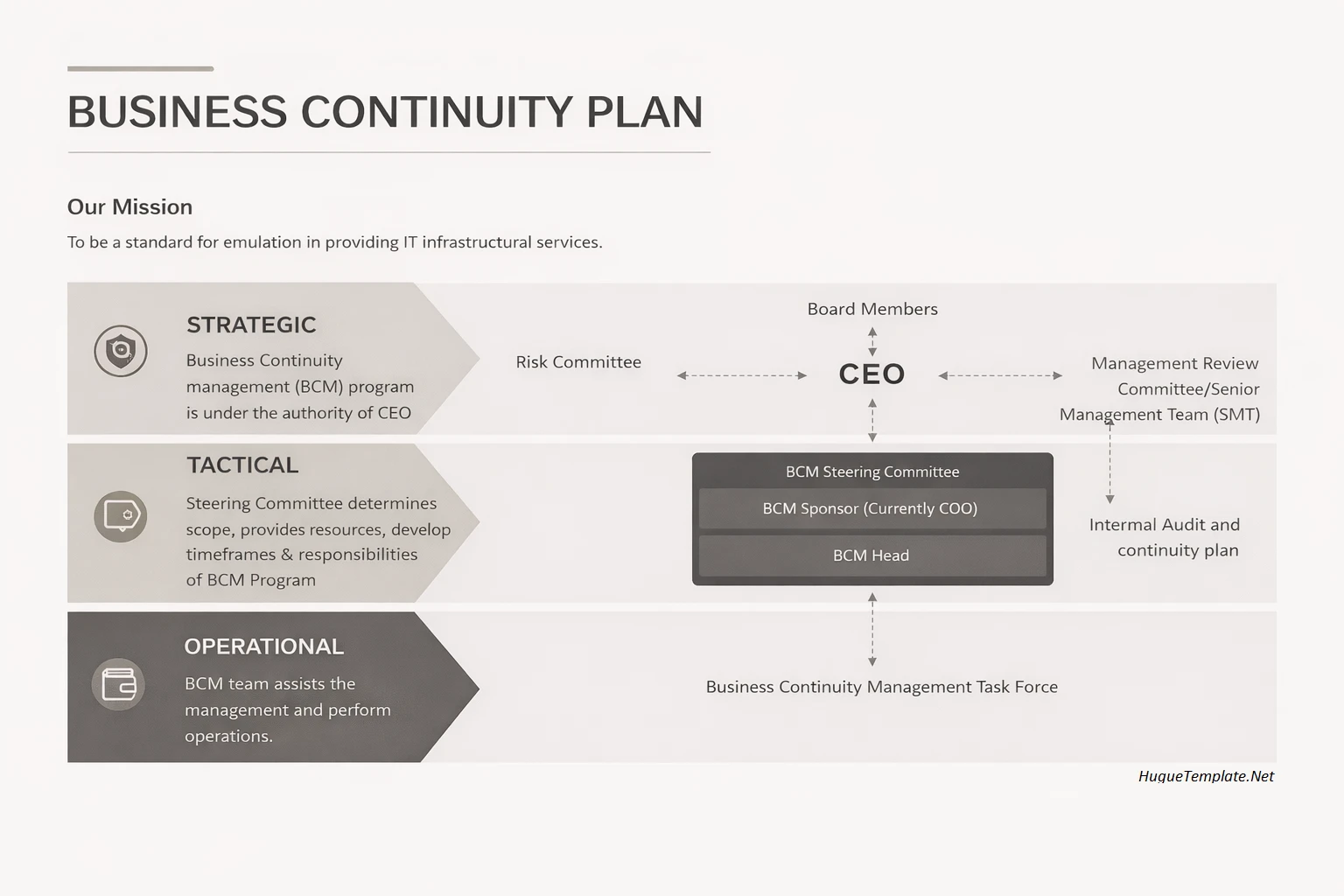
Why is Business Continuity Planning Important?
Business continuity planning is vital for organizations seeking to navigate the complex and unpredictable landscape of modern business. The importance of business continuity planning can be seen in several key benefits it offers:
Minimize Downtime
One of the primary objectives of business continuity planning is to minimize downtime and maintain operational continuity during a crisis. By identifying potential risks, developing recovery strategies, and practicing response protocols, organizations can reduce the duration of disruptions and expedite the resumption of critical functions. Minimizing downtime helps organizations avoid revenue losses, maintain productivity, and preserve customer satisfaction in the face of adversity.
Restore Essential Functions
In a crisis, restoring essential functions and operations is crucial for organizations to maintain business continuity and meet the needs of stakeholders. A well-designed business continuity plan outlines clear recovery strategies and priorities for restoring critical processes, systems, and services. By focusing on resuming essential functions first, organizations can regain operational stability, mitigate losses, and protect their core business activities from prolonged disruption.
Preserve Reputation and Customer Trust
Effective communication and transparency are essential components of a successful business continuity plan. By keeping stakeholders informed, engaged, and reassured during a crisis, organizations can preserve their reputation and maintain customer trust. Open and honest communication helps manage expectations, address concerns, and demonstrate a commitment to transparency and accountability. Preserving reputation and customer trust is critical for long-term success and resilience in the face of adversity.
Safeguard Financial Viability
Business continuity planning plays a crucial role in safeguarding an organization’s financial stability and viability during and after a crisis. By identifying potential risks, developing recovery strategies, and maintaining operational continuity, organizations can minimize financial losses, protect assets, and ensure their long-term survival. A robust business continuity plan helps organizations navigate financial challenges, secure investor confidence, and maintain market competitiveness in the aftermath of a disruption.
Key Elements of a Business Continuity Plan
A comprehensive business continuity plan typically includes the following key elements, each essential for ensuring preparedness and resilience in the face of disruptions:
Risk Assessment
Risk assessment is the foundation of effective business continuity planning. By identifying and analyzing potential threats and vulnerabilities, organizations can develop proactive strategies to mitigate risks and safeguard critical functions. Risk assessment involves evaluating the likelihood and impact of various risks, such as natural disasters, cyberattacks, equipment failures, or human errors, and prioritizing preparedness efforts accordingly. A thorough risk assessment forms the basis for developing targeted response strategies and recovery plans.
Business Impact Analysis
A business impact analysis (BIA) is a critical component of the business continuity planning process. It involves assessing the potential consequences of disruptions on key business processes, systems, and resources. The BIA helps organizations quantify the financial, operational, and reputational impacts of various scenarios, prioritize response efforts, and allocate resources effectively. By understanding the interdependencies between different functions and identifying critical dependencies, organizations can develop targeted recovery strategies that address their most pressing needs.
Recovery Strategies
Recovery strategies are the proactive measures and contingency plans that organizations put in place to restore essential functions and operations following a disruption. These strategies may include backup and recovery systems, alternate work locations, emergency response protocols, and crisis communication plans. By identifying recovery strategies in advance, organizations can expedite the resumption of critical functions, minimize losses, and ensure operational continuity during a crisis. Recovery strategies are tailored to the unique needs and priorities of the organization, focusing on restoring key functions first to maintain business continuity.
Communication Plan
Effective communication is a cornerstone of successful business continuity planning. A communication plan outlines how the organization will disseminate information to internal and external stakeholders during a crisis. It includes protocols for internal communication among employees, external communication with customers, suppliers, regulators, and the media, key messages, designated spokespersons, and channels for delivering timely and accurate information. Clear and transparent communication is essential for maintaining trust, managing expectations, and coordinating response efforts during a disruption.
Testing and Training
Testing and training are essential components of a successful business continuity plan. Regularly conducting exercises, drills, and simulations allows organizations to evaluate the effectiveness of their BCP, identify gaps or deficiencies, and refine their response strategies. Training employees on their roles and responsibilities in implementing the BCP ensures that they are prepared to act swiftly and decisively in a crisis. By practicing the plan in a controlled environment, organizations can build confidence, enhance coordination, and improve overall readiness to respond to disruptions.
Documentation
Documentation plays a crucial role in business continuity planning by capturing essential information, procedures, and contacts needed to execute the plan effectively. Maintaining up-to-date documentation of the BCP ensures that all stakeholders have access to critical information when it is needed most. This includes contact lists, recovery procedures, recovery priorities, system configurations, and other pertinent details. Documentation serves as a reference guide during a crisis, helping to streamline response efforts and ensure a coordinated and efficient recovery process.
How to Develop a Business Continuity Plan
Developing a business continuity plan involves several key steps, each essential for creating a comprehensive and effective strategy for navigating disruptions:
Conduct a Risk Assessment
The first step in developing a business continuity plan is to conduct a thorough risk assessment. This involves identifying potential threats and vulnerabilities that could impact the organization’s operations, such as natural disasters, cyberattacks, supply chain disruptions, or regulatory changes. By assessing the likelihood and potential impact of these risks, organizations can prioritize their preparedness efforts and allocate resources effectively to mitigate the most significant threats. A comprehensive risk assessment forms the foundation for developing targeted response strategies and recovery plans that address the organization’s specific needs.
Perform a Business Impact Analysis
After conducting a risk assessment, the next step is to perform a business impact analysis (BIA). The BIA helps organizations understand the consequences of disruptions on critical business functions, systems, and resources. By quantifying the financial, operational, and reputational impacts of various scenarios, organizations can prioritize their response efforts and allocate resources strategically to address their most critical needs. The BIA serves as the basis for developing recovery strategies that focus on restoring essential functions and operations in a timely manner to minimize losses and maintain operational continuity.
Develop Recovery Strategies
Based on the findings of the risk assessment and business impact analysis, organizations can develop recovery strategies to address identified risks and ensure continuity of operations. Recovery strategies may include establishing backup and recovery systems, securing alternate work locations, implementing emergency response protocols, and creating crisis communication plans. By developing targeted recovery strategies in advance, organizations can expedite the resumption of critical functions, minimize downtime, and mitigate losses during a crisis. Recovery strategies are tailored to the unique needs and priorities of the organization, focusing on restoring key functions first to ensure operational stability.
Create a Communication Plan
Effective communication is essential for successful business continuity planning. Organizations should develop a communication plan that outlines how information will be disseminated to internal and external stakeholders during a crisis. The communication plan should include protocols for internal communication among employees, external communication with customers, suppliers, regulators, and the media, key messages, designated spokespersons, and channels for delivering timely and accurate information. Clear and transparent communication helps maintain trust, manage expectations, and coordinate response efforts effectively during a disruption.
Test and Train Regularly
Testing and training are critical components of a successful business continuity plan. Organizations should conduct regular exercises, drills, and simulations to test the effectiveness of their BCP, identify gaps or deficiencies, and refine their response strategies. Training employees on their roles and responsibilities in implementing the BCP ensures that they are prepared to act swiftly and decisively in a crisis. By practicing the plan in a controlled environment, organizations can build confidence, enhance coordination, and improve overall readiness to respond to disruptions. Regular testing and training help ensure that the BCP is up-to-date, effective, and responsive to changing threats.
Review and Update the BCP
Business continuity planning is an ongoing process that requires regular review and updates to remain effective. Organizations should periodically review the BCP to ensure its relevance and adequacy in addressing current risks and vulnerabilities. As threats evolve and organizational priorities change, it is essential to update the BCP accordingly to reflect new information, technologies, or best practices. By staying vigilant and proactive in reviewing and updating the BCP, organizations can enhance their readiness and resilience in the face of emerging threats and challenges.
Seek Professional Guidance
For organizations seeking to develop a robust business continuity plan, it can be beneficial to seek professional guidance from experts in the field. Business continuity consultants, risk management professionals, or industry specialists can provide valuable insights, best practices, and tailored solutions to enhance the effectiveness of the BCP. By working with experienced professionals, organizations can benefit from their expertise, knowledge, and resources to develop a comprehensive and responsive plan that meets their specific needs. Professional guidance can help organizations navigate complex risk environments, identify blind spots, and implement proactive strategies to enhance their resilience and readiness for potential disruptions.
Stay Informed and Adaptive
Business continuity planning is not a one-time exercise but an ongoing commitment to preparedness and resilience. Organizations should stay informed about industry trends, emerging risks, regulatory changes, and best practices in business continuity planning. By monitoring developments in the risk landscape, organizations can proactively address potential threats, adapt their strategies, and strengthen their preparedness efforts. Remaining agile and adaptive in the face of evolving challenges allows organizations to enhance their readiness, responsiveness, and ability to navigate disruptions effectively.
Tips for Successful Business Continuity Planning
To ensure the success of your business continuity plan, consider the following tips and best practices:
Involve Key Stakeholders
Engage employees, management, and external partners in the business continuity planning process. By involving key stakeholders from various departments and levels of the organization, you can gain diverse perspectives, insights, and expertise that enhance the effectiveness of the BCP. Collaboration and communication with stakeholders ensure buy-in, support, and alignment with the objectives of the BCP, fostering a culture of preparedness and resilience throughout the organization.
Keep it Simple and Practical
Focus on practical solutions and clear communication in developing your business continuity plan. Avoid unnecessary complexity or jargon that may confuse or overwhelm stakeholders during a crisis. Keep the BCP simple, straightforward, and easy to understand to facilitate quick decision-making and effective response. Practicality and simplicity are key to ensuring that the BCP is actionable, accessible, and executable in real-world scenarios.
Regularly Review and Update the BCP
Stay vigilant against evolving threats, changing business environments, and emerging risks by regularly reviewing and updating your business continuity plan. Periodic audits, assessments, and exercises help identify gaps, weaknesses, or outdated information that may compromise the effectiveness of the BCP. By staying proactive and responsive in reviewing and updating the BCP, organizations can enhance their readiness, resilience, and adaptability to changing circumstances.
Test and Train Regularly
Regular testing and training are essential for ensuring the effectiveness of your business continuity plan. Conduct drills, exercises, and simulations to practice response protocols, evaluate performance, and identify areas for improvement. Training employees on their roles and responsibilities in implementing the BCP enhances their preparedness, confidence, and effectiveness in a crisis. By testing and training regularly, organizations can enhance their readiness, responsiveness, and overall ability to navigate disruptions successfully.
Seek Professional Guidance
Consider working with experts in business continuity planning to enhance the robustness and effectiveness of your BCP. Business continuity consultants, risk management professionals, or industry specialists can provide valuable insights, best practices, and tailored solutions to strengthen your preparedness efforts. By leveraging the expertise, knowledge, and resources of professionals, organizations can develop a comprehensive and responsive BCP that addresses their specific needs and priorities. Professional guidance can help organizations navigate complex risk environments, identify blind spots, and implement proactive strategies to enhance their resilience and readiness for potential disruptions.
Stay Informed and Adaptive
Remain informed about industry trends, emerging risks, regulatory changes, and best practices in business continuity planning. By staying abreast of developments in the risk landscape, organizations can proactively address potential threats, adapt their strategies, and strengthen their preparedness efforts. Being agile and adaptive in the face of evolving challenges allows organizations to enhance their readiness, responsiveness, and ability to navigate disruptions effectively. Stay informed, proactive, and adaptive to ensure that your business continuity plan is current, effective, and responsive to changing threats and challenges.
Business Continuity Plan Template – DOWNLOAD
