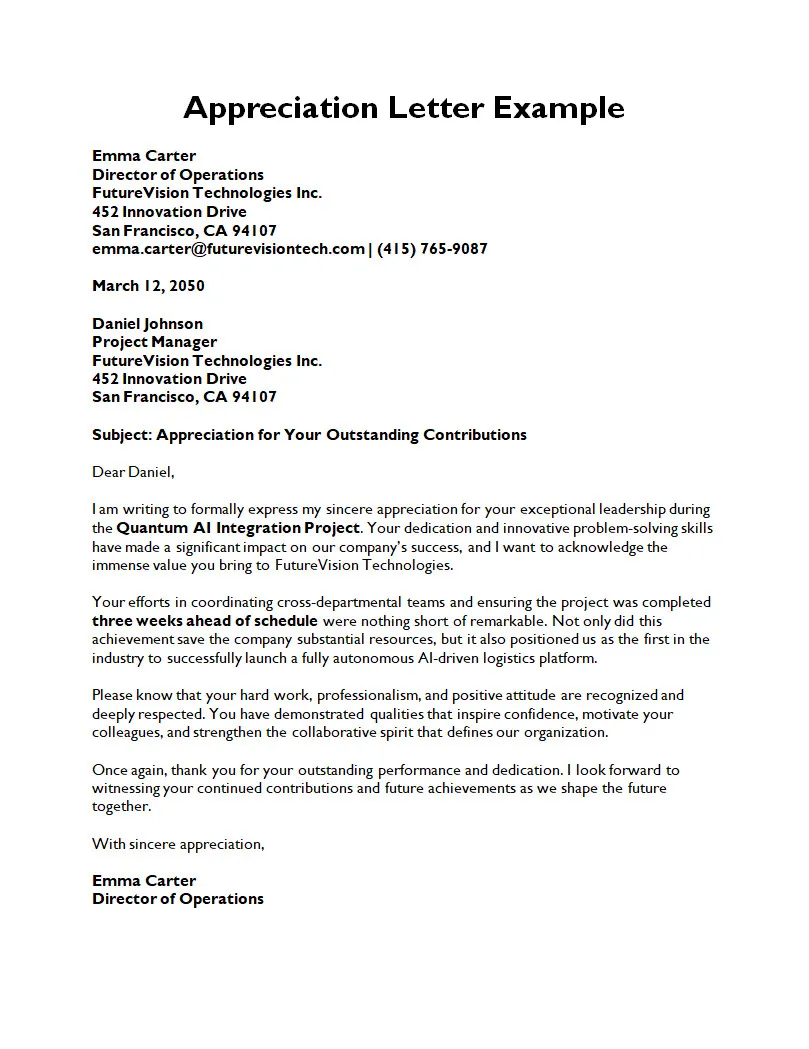
What Is An Appreciation Letter?
An appreciation letter is a formal way to express gratitude for someone’s efforts or achievements. It serves as a tool to motivate, foster loyalty, improve morale, and strengthen relationships in various settings, such as the workplace, academic institutions, or social circles.
By highlighting specific contributions and acknowledging the value they bring, appreciation letters have the power to create a positive impact on both the recipient and the sender.
Why Appreciation Letter Matters?
Appreciation letters play a crucial role in recognizing and acknowledging the hard work and dedication of individuals. They serve as a means to show appreciation and gratitude, thereby boosting morale and motivating recipients to continue their excellent performance. Additionally, appreciation letters help in building trust, fostering loyalty, and enhancing relationships, whether in professional or personal contexts.
The Importance of Recognition and Gratitude
Recognition and gratitude are essential components of a positive and productive work environment. When individuals feel valued and appreciated for their efforts, they are more likely to be motivated and engaged in their work. Expressing gratitude through appreciation letters helps in reinforcing positive behavior, creating a supportive atmosphere, and fostering a sense of belonging within the organization.
The Role of Appreciation in Employee Engagement
Employee engagement is closely linked to appreciation and recognition in the workplace. When employees feel appreciated for their hard work and contributions, they are more likely to be engaged, committed, and motivated. Appreciation letters serve as a tool to boost employee morale, improve job satisfaction, and enhance overall productivity within the organization.
The Psychological Impact of Gratitude
Gratitude has been linked to numerous psychological benefits, both for the sender and the recipient. When individuals practice gratitude through actions like writing appreciation letters, they experience increased levels of happiness, satisfaction, and overall well-being. For recipients, receiving expressions of gratitude can enhance their self-esteem, sense of value, and emotional connection with the sender.
Building Trust and Loyalty Through Appreciation
Appreciation letters are instrumental in building trust and loyalty among employees, colleagues, or partners. When individuals feel appreciated and valued for their contributions, they are more likely to trust the intentions of the sender and remain loyal to the relationship or organization. Trust and loyalty are essential components of strong, lasting relationships that foster collaboration and success.
Cultivating a Culture of Appreciation
Cultivating a culture of appreciation within an organization or social circle is essential for creating a positive and supportive environment. Appreciation letters serve as a tangible expression of this culture, reinforcing the importance of recognizing and valuing the efforts of others. By consistently practicing gratitude and appreciation, individuals can contribute to a culture that promotes teamwork, positivity, and mutual respect.
Enhancing Communication and Collaboration
Appreciation letters are not only a tool for expressing gratitude but also for enhancing communication and collaboration among individuals. When appreciation is openly communicated and acknowledged, it strengthens relationships, fosters open dialogue, and encourages teamwork. By promoting a culture of appreciation, organizations can improve communication channels and create a more cohesive and productive work environment.
Recognizing Individual Contributions
Appreciation letters allow individuals to recognize and acknowledge the specific contributions and efforts of others. By highlighting the unique skills, qualities, or actions that have made a positive impact, appreciation letters personalize the recognition process and show genuine gratitude. Recognizing individual contributions fosters a sense of belonging, value, and importance within the relationship or organization.
Creating a Positive Work Environment
A positive work environment is essential for employee satisfaction, retention, and overall success. Appreciation letters play a key role in creating a positive atmosphere by recognizing and valuing the efforts of individuals. When employees feel appreciated and supported, they are more likely to be engaged, happy, and productive in their roles. A culture of appreciation contributes to a harmonious and thriving workplace.
Encouraging Future Dedication and Excellence
Appreciation letters have a lasting impact on individuals by encouraging future dedication and excellence. When individuals receive recognition and gratitude for their efforts, they are motivated to continue their positive actions and strive for excellence. Appreciation letters serve as a source of inspiration and encouragement, fueling individuals to maintain high standards and contribute to the success of the team or organization.
How To Write An Appreciation Letter
When writing an appreciation letter, it is important to be sincere, specific, and heartfelt. Start by addressing the recipient by their name and expressing your gratitude for their contributions. Be specific about the actions or achievements you are appreciating and how they have made a positive impact. Include details that show you have taken the time to reflect on their efforts and value them. Conclude the letter by expressing your appreciation again and, if appropriate, mentioning the impact their actions have had on you or others.
Components of an Effective Appreciation Letter
An effective appreciation letter consists of several key components that make it impactful and meaningful to the recipient. These components include:
- Personalized Greeting: Address the recipient by their name to create a personal connection.
- Specific Acknowledgment: Mention the specific actions, qualities, or achievements you are appreciating.
- Expression of Gratitude: Clearly express your gratitude and appreciation for the recipient’s contributions.
- Impact Statement: Describe how the recipient’s actions have made a positive impact on you, others, or the organization.
- Closing Remarks: Conclude the letter with a heartfelt expression of thanks and well-wishes for the recipient.
Tips for Writing a Heartfelt Appreciation Letter
Writing a heartfelt appreciation letter requires thoughtfulness, sincerity, and attention to detail. To ensure your letter conveys genuine gratitude and recognition, consider the following tips:
- Be Specific: Mention specific actions, qualities, or achievements you are appreciating.
- Use Emotional Language: Express your feelings of gratitude and appreciation sincerely and authentically.
- Personalize the Message: Tailor the letter to the recipient’s personality, preferences, and relationship with you.
- Include Examples: Provide examples or anecdotes that illustrate the impact of the recipient’s contributions.
Things To Avoid When Writing An Appreciation Letter
While writing an appreciation letter, it is crucial to avoid cliches or generic statements that may come off as insincere. Instead, focus on being authentic and genuine in your appreciation. Additionally, make sure to proofread the letter for any errors or inconsistencies before sending it. Avoid including any negative comments or criticisms in an appreciation letter, as the purpose is to uplift and motivate the recipient.
Avoiding Generic Statements:
When writing an appreciation letter, avoid using generic statements or cliches that may diminish the sincerity of your message. Instead, strive to be specific, heartfelt, and personal in your expression of gratitude. Tailor the letter to the recipient and their contributions to make it more authentic and meaningful.
Steering Clear of Negative Comments:
It is important to maintain a positive and uplifting tone in an appreciation letter and avoid including any negative comments or criticisms. The purpose of the letter is to express gratitude and recognize the recipient’s efforts, not to point out shortcomings or areas for improvement. Focus on highlighting the positive impact of their actions and the value they bring to the relationship or organization.
Avoiding Insincerity:
Sincerity is key when writing an appreciation letter, as insincere or overly formal language can detract from the genuine nature of your message. Avoid using overly flowery language or exaggerated praise that may come across as insincere. Instead, focus on expressing your gratitude in a heartfelt and authentic manner that resonates with the recipient.
Not Proofreading the Letter:
Before sending an appreciation letter, it is essential to proofread it for any spelling, grammar, or formatting errors. A well-written and error-free letter reflects your attention to detail and professionalism. Proofreading ensures that your message is clear, coherent, and impactful, enhancing the overall effectiveness of the appreciation letter.
Avoiding Misinterpretation:
When writing an appreciation letter, be mindful of the potential for misinterpretation of your words or intentions. Ensure that your message is clear, respectful, and considerate of the recipient’s feelings. Avoid using ambiguous language or making assumptions that may lead to confusion or misunderstandings. Clarify your message to convey your appreciation effectively and avoid any misinterpretation.
When To Send An Appreciation Letter?
Appreciation letters can be sent at various times, depending on the occasion or the specific contributions being recognized. They can be sent after a successful project completion, a job well done, a milestone achieved, or simply to show gratitude for ongoing support and dedication. Sending an appreciation letter promptly after the event or achievement helps in reinforcing the positive behavior and encourages future dedication.
How Long Does An Appreciation Letter Need To Be?
An appreciation letter does not need to be lengthy to convey sincere appreciation. The length of the letter should be determined by the depth of the relationship with the recipient and the significance of their contributions. A concise and heartfelt appreciation letter that highlights specific actions and expresses genuine gratitude is more impactful than a lengthy, generic message.
Appreciation Letter Template – DOWNLOAD
