Medical certificates play a crucial role in various aspects of our lives, from employment to travel. Whether you need one for work, school, or personal reasons, understanding what a medical certificate is and how to obtain one can be valuable. In this comprehensive guide, we will delve into the intricacies of medical certificates, including their purpose, requirements, and how to navigate the process effectively.
What is a Medical Certificate?
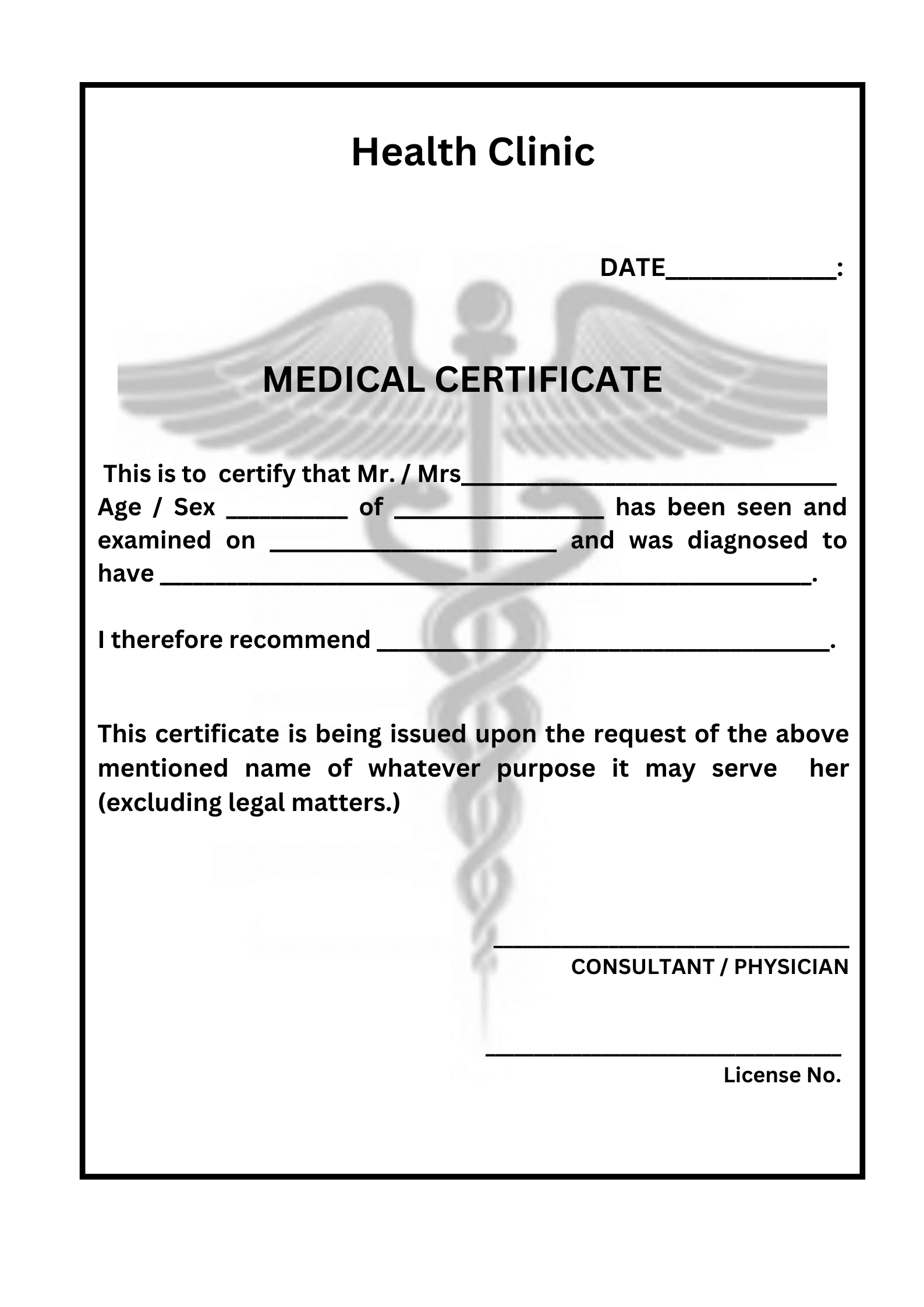
A medical certificate is a document issued by a healthcare professional that verifies an individual’s medical condition or fitness for a specific task or activity. These certificates are commonly required by employers, educational institutions, travel authorities, and insurance companies to ensure that individuals are physically capable of fulfilling certain obligations or responsibilities.
Medical certificates serve several purposes, including:
- Employment: Employers may request a medical certificate to verify an employee’s fitness for work or to support sick leave claims.
- Educational Institutions: Schools and universities may require medical certificates for student absences or accommodations.
- Travel: Some airlines and travel agencies may ask for medical certificates for passengers with certain medical conditions.
- Insurance Claims: Insurance companies may request medical certificates as part of the claims process.
Why Do You Need a Medical Certificate?
There are several reasons why you may need a medical certificate:
- Compliance: To comply with legal or regulatory requirements.
- Verification: To verify a medical condition or fitness for a specific task.
- Protection: To protect your rights and interests in various situations.
- Documentation: To provide documented proof of your medical status or condition.
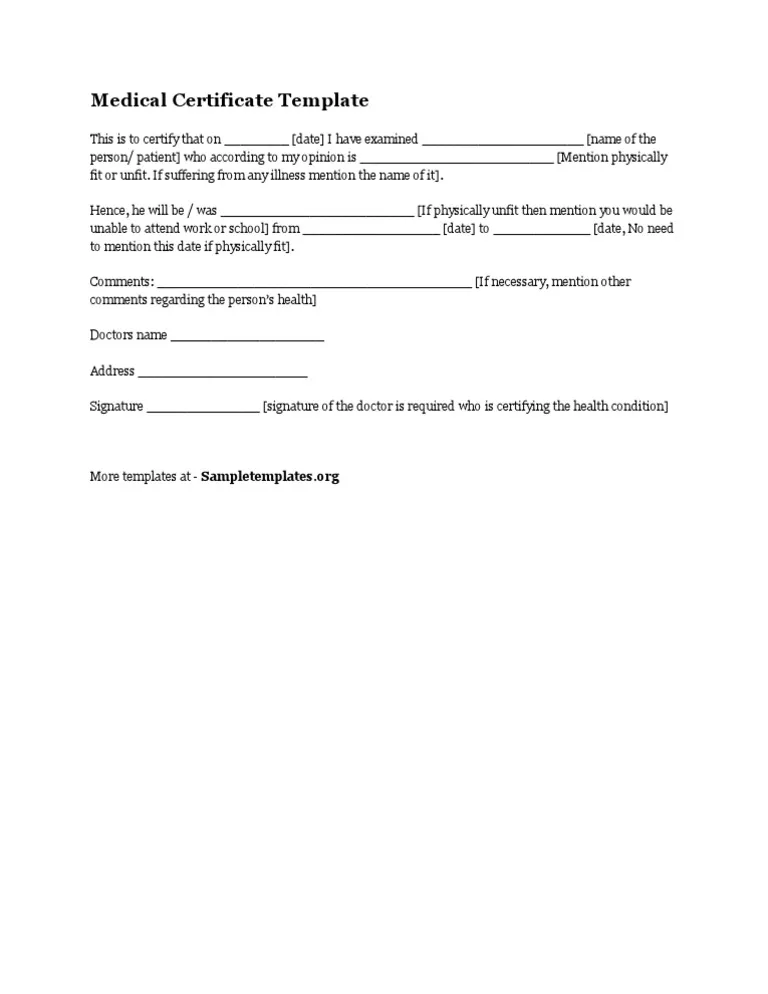
What to Include in a Medical Certificate
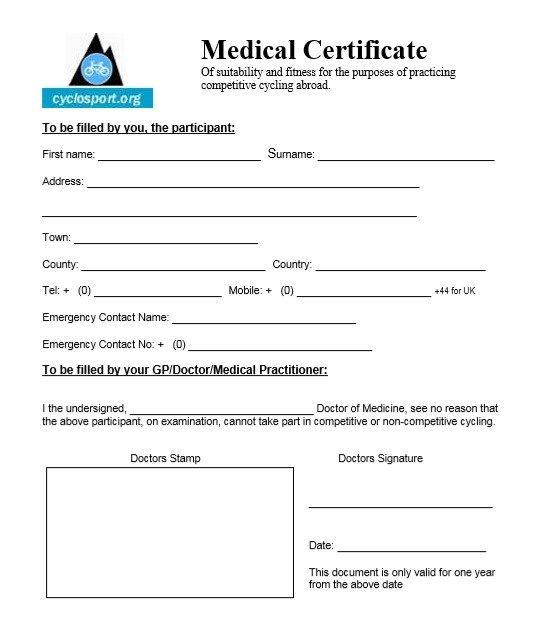
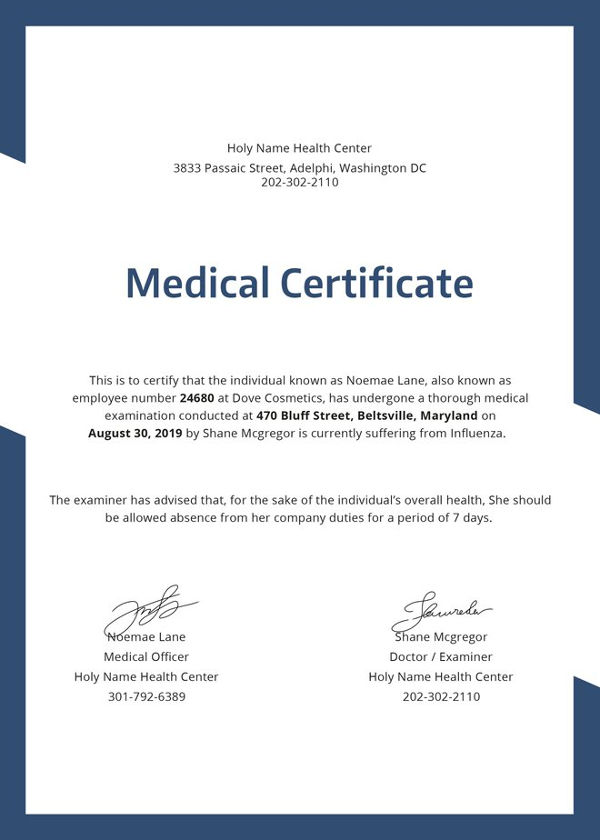
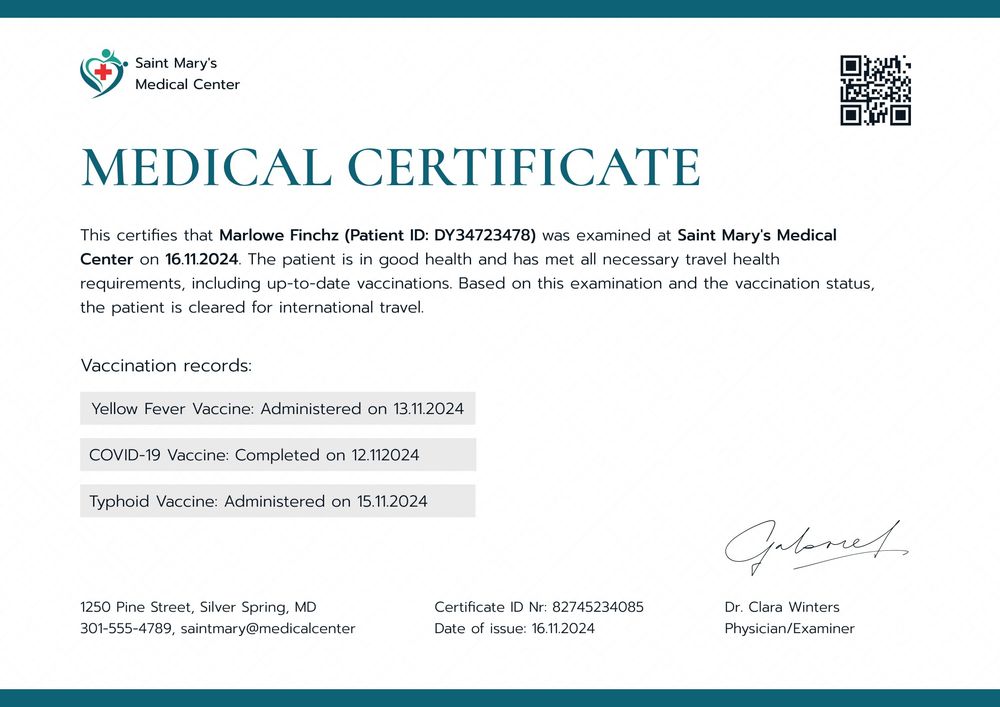
When obtaining a medical certificate, certain key details should be included to ensure its validity and relevance:
- Patient Information: Name, date of birth, and contact details of the individual.
- Medical Provider Information: Name, credentials, and contact information of the healthcare professional issuing the certificate.
- Diagnosis: Clear description of the medical condition or reason for the certificate.
- Treatment Plan: Details of any ongoing treatment or medication prescribed.
- Duration of Validity: Period for which the certificate is valid.
- Signature and Stamp: Signature and official stamp or seal of the healthcare provider.
How to Obtain a Medical Certificate
Obtaining a medical certificate involves the following steps:
- Consultation: Schedule an appointment with a healthcare provider to discuss your medical condition.
- Assessment: Undergo a physical examination or provide necessary medical records for evaluation.
- Documentation: Request the healthcare provider to issue a medical certificate with the required details.
- Review: Check the certificate for accuracy and completeness before using it for its intended purpose.
Tips for Successful Medical Certificates
To ensure a smooth and successful process when obtaining a medical certificate, consider the following tips:
- Communicate Clearly: Provide accurate and detailed information about your medical condition to the healthcare provider.
- Follow Instructions: Adhere to any specific instructions or requirements provided by the healthcare provider for the certificate.
- Plan Ahead: Allow sufficient time for the consultation, assessment, and issuance of the certificate to avoid delays.
- Keep Records: Maintain copies of the medical certificate for your records and future reference if needed.
Conclusion
Medical certificates are essential documents that serve various purposes in different aspects of our lives. By understanding what they entail, why they are necessary, and how to obtain them, individuals can navigate the process effectively and fulfill their obligations with confidence. Whether for work, school, travel, or other reasons, having a valid and comprehensive medical certificate can provide peace of mind and assurance in various situations.
