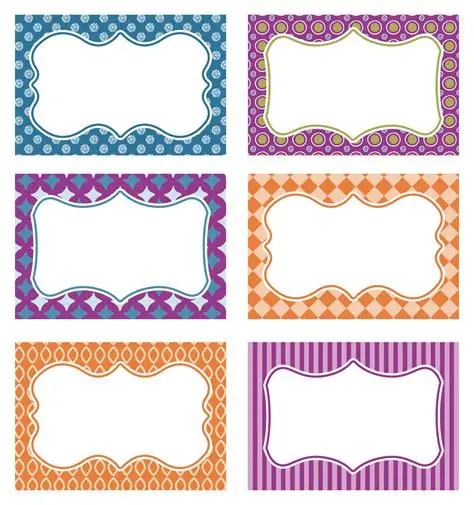
Name tags have become a staple in various industries, events, and organizations. Whether you’re attending a conference, visiting a retail store, or working in an office, chances are you’ll encounter name tags. These simple yet powerful tools play a significant role in establishing connections, fostering communication, and creating a sense of belonging. In this comprehensive guide, we’ll explore everything you need to know about name tags, from their purpose and benefits to tips for designing and wearing them effectively.
What Are Name Tags?
Name tags are small badges or labels worn by individuals to display their names and sometimes their titles or affiliations. They are typically made of durable materials like plastic, metal, or paper and can be attached to clothing using a pin, clip, or magnetic fastener. Name tags serve as visual identifiers that help people address each other by name, facilitate introductions, and promote a sense of familiarity and professionalism.
Why Use Name Tags?
Now that we’ve covered the basics of name tags, let’s delve into the reasons why they are essential in various environments. Whether you’re a business owner, event organizer, or simply someone attending a social gathering, name tags can make a significant difference in how you connect with others and present yourself.
1. Promotes Communication
Wearing a name tag makes it easier for others to initiate conversations with you, especially in crowded or unfamiliar settings. By displaying your name prominently, you invite people to address you directly and create a more personalized interaction.
2. Builds Trust and Credibility
Seeing someone’s name displayed on a tag can create a sense of trust and credibility. It shows that the person is willing to be identified and held accountable for their actions or words, which can be reassuring in professional or customer-facing roles.
3. Enhances Networking Opportunities
At networking events or conferences, name tags are invaluable tools for making connections. They provide a quick way to learn someone’s name and affiliation, making it easier to strike up meaningful conversations and exchange contact information.
4. Improves Customer Service
In retail or service-oriented industries, name tags help customers identify employees and address them by name. This personal touch can enhance the overall customer experience and build rapport between staff and clientele.
5. Boosts Team Morale
Within organizations, wearing name tags can create a sense of unity and inclusivity among team members. By displaying their names, employees signal that they are part of a cohesive group working towards common goals.
What to Include on Name Tags
When designing name tags for yourself or your team, it’s essential to consider what information to include for maximum impact and clarity. While the primary focus is on displaying names, there are additional elements that can enhance the functionality and aesthetics of name tags.
1. Full Name
Include your full name on the name tag to ensure clarity and avoid any confusion with similarly named individuals. Using first and last names helps others address you correctly and remember you more easily.
2. Title or Role
If applicable, add your title or role on the name tag to provide context for your position within an organization or event. This information can help others understand your responsibilities and expertise.
3. Company Logo
For branding purposes, consider including your company’s logo on the name tag. This not only reinforces brand recognition but also adds a professional touch to your overall appearance.
4. Optional Information
Depending on the situation, you may choose to include additional information on your name tag, such as a QR code linking to your online profile, a brief tagline or quote, or a fun fact about yourself. Just be mindful of space constraints and readability.
How to Design Effective Name Tags
Designing name tags that are both visually appealing and functional requires careful attention to detail and consideration of your specific needs. Whether you’re creating name tags for a corporate event, school function, or personal use, following these guidelines can help you achieve the desired results.
1. Choose the Right Size and Shape
Consider the practicality and aesthetics of different sizes and shapes for your name tags. While rectangular tags are common and versatile, you may opt for custom shapes that align with your brand or theme.
2. Select Legible Fonts and Colors
Ensure that the text on your name tags is easy to read from a distance by choosing clear, legible fonts and contrasting colors. Avoid overly decorative or small fonts that may hinder readability.
3. Use High-Quality Materials
Invest in durable materials for your name tags to ensure longevity and professional appearance. Whether you choose plastic, metal, or paper tags, prioritize quality to make a lasting impression.
4. Incorporate Brand Elements
If you’re designing name tags for a business or organization, incorporate brand elements such as colors, logos, and slogans to reinforce brand identity. Consistency in branding helps create a cohesive and professional image.
5. Include Functional Attachments
Choose secure and comfortable attachment options for your name tags, such as pins, clips, or magnets. Consider the type of clothing or uniforms your tags will be worn on and select attachments that are practical and easy to use.
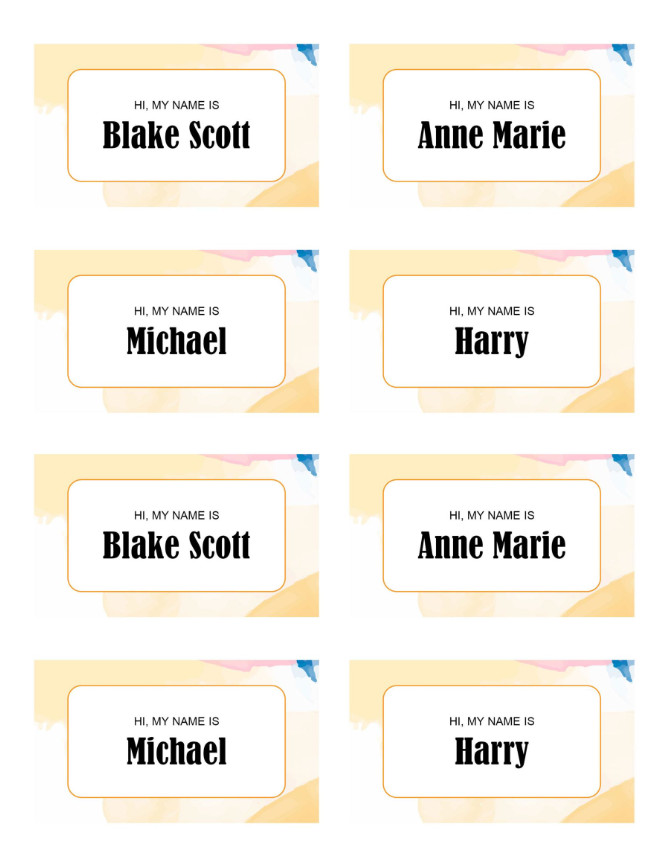
Tips for Successful Name Tag Usage
Now that you have a better understanding of name tags and how to design them effectively, let’s explore some practical tips for using and wearing name tags in various situations. Whether you’re attending a networking event, hosting a conference, or simply interacting with customers, these tips can help you make the most of your name tags.
- Position Your Name Tag Strategically. Place your name tag on the right side of your chest, as this is where most people naturally look when greeting or engaging with others.
- Keep Your Name Tag Visible. Ensure that your name tag is clearly visible and not obstructed by clothing or accessories to facilitate easy identification.
- Update Your Name Tag Regularly. If your information or title changes, be sure to update your name tag accordingly to maintain accuracy and professionalism.
- Engage with Others Using Their Names. Make an effort to address others by their names when interacting, as this personal touch can leave a positive impression and foster connections.
- Collect and Share Contact Information. Use name tags as a tool for networking by exchanging contact information with new acquaintances and following up after the event.
- Customize Name Tags for Special Events. Tailor your name tags to suit the theme or purpose of specific events by incorporating relevant designs, colors, or messages.
- Encourage Name Tag Usage Among Participants. Promote the use of name tags at events or in organizations to facilitate communication, networking, and relationship-building among attendees.
- Solicit Feedback on Name Tag Design. Seek input from colleagues, customers, or event attendees on the design and usability of your name tags to identify areas for improvement.
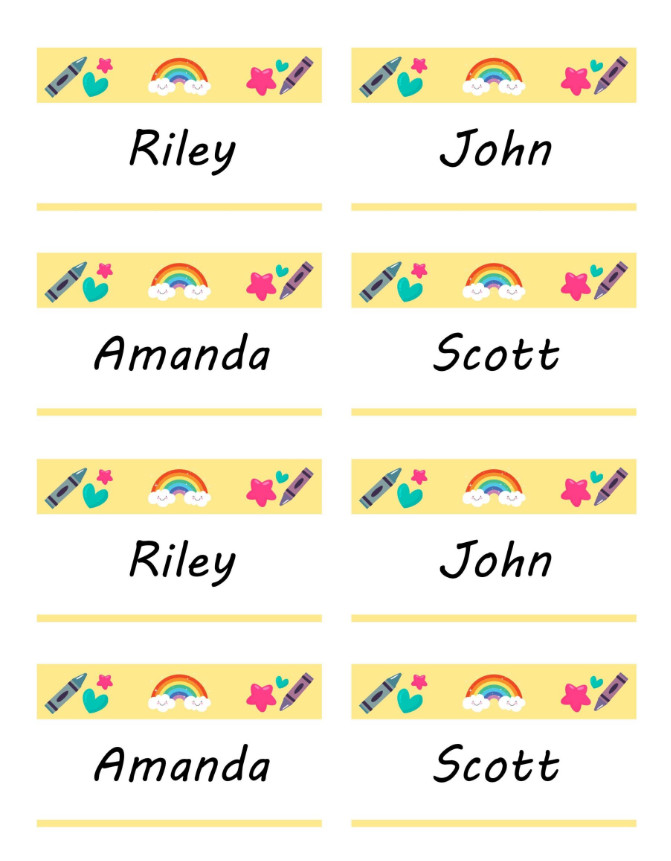
In Conclusion
Name tags may seem like small accessories, but their impact on communication, networking, and branding should not be underestimated. By understanding the importance of name tags, designing them thoughtfully, and using them effectively, you can enhance your interactions with others and leave a lasting impression. Whether you’re a business professional, event organizer, or social butterfly, incorporating name tags into your daily routine can open up new opportunities for connection and collaboration.
Remember, a name tag is not just a piece of identification—it’s a conversation starter, a branding tool, and a symbol of professionalism. Embrace the magic of name tags and watch how they transform your interactions and relationships for the better.
