In any business, managing inventory is crucial to ensure smooth operations and maximize profits. An inventory list is a comprehensive record of all the items a business owns, from raw materials to finished products. Creating an efficient inventory list is essential for tracking stock levels, monitoring sales trends, and preventing stockouts.
In this guide, we will explore the importance of an inventory list, what to include in it, how to create one, and some tips for maintaining an accurate inventory.
What is an Inventory List?
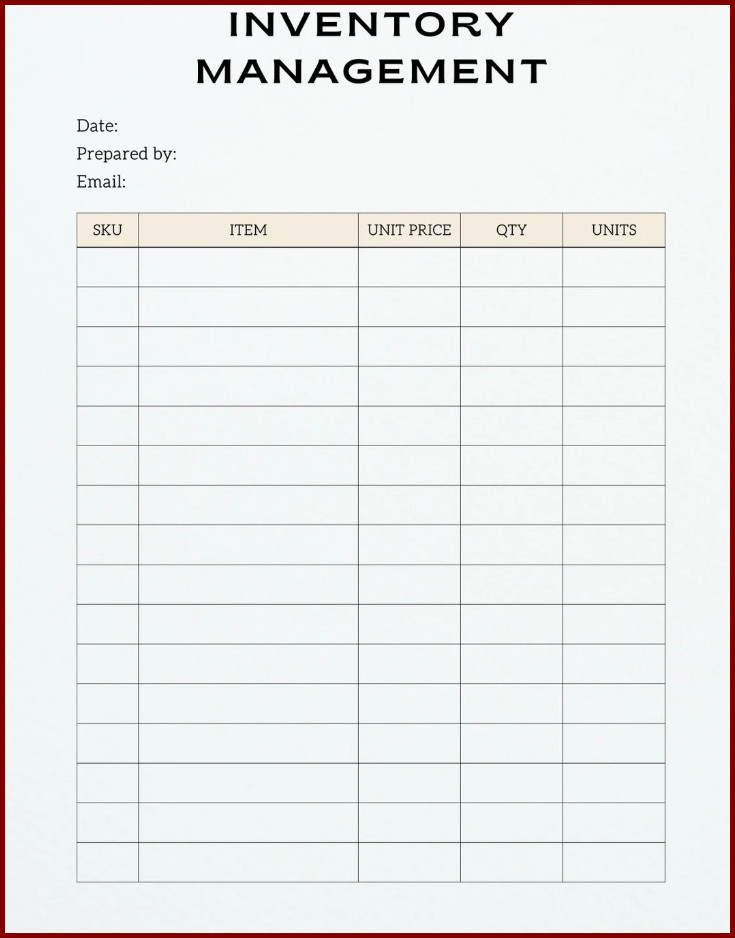
An inventory list is a detailed document that lists all the items a business owns at a specific point in time. It serves as a central repository of information about the quantity, location, and value of each item in stock.
Having an accurate inventory list is essential for effective inventory management, as it helps businesses track stock levels, identify slow-moving items, and forecast demand.
Why is an Inventory List Important?
An inventory list plays a critical role in the success of a business. Here are some key reasons why maintaining an inventory list is essential:
– Stock Control: An inventory list helps businesses keep track of their stock levels and prevent stockouts or overstocking.
– Financial Management: By tracking the value of inventory on hand, businesses can accurately assess their financial health and make informed decisions.
– Order Fulfillment: An inventory list ensures that businesses have the right products in stock to fulfill customer orders promptly.
– Business Planning: Analyzing inventory data from the list can help businesses forecast demand, identify trends, and make strategic decisions.
What to Include in an Inventory List
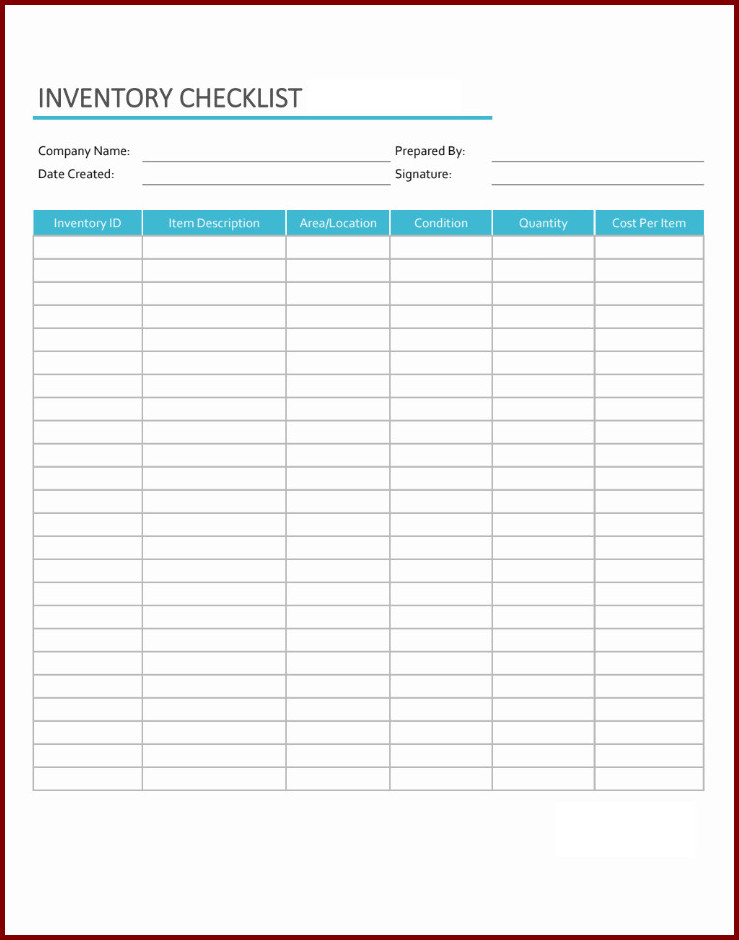
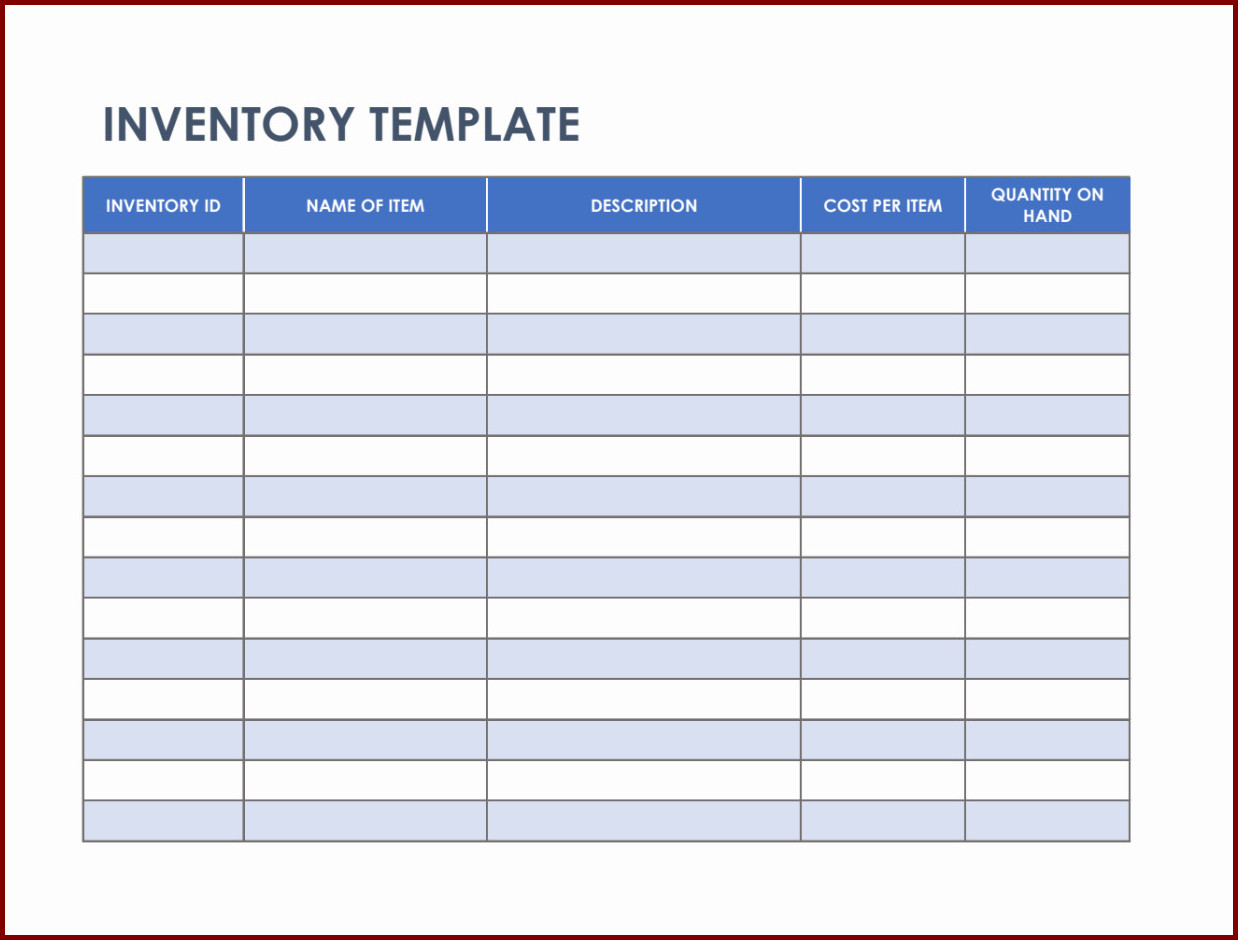
When creating an inventory list, it is essential to include the following information for each item:
– Item Name: A clear and consistent name for each item in stock.
– Description: Brief description of the item, including any relevant details.
– Quantity: The number of units of each item in stock.
– Location: The physical location of the item within the warehouse or store.
– Unit Cost: The cost of each unit of the item.
– Total Value: The total value of each item in stock (Quantity x Unit Cost).
– SKU/Barcode: Unique identifier for each item to facilitate tracking and scanning.
– Reorder Point: The minimum quantity of an item that triggers a reorder.
How to Create an Inventory List
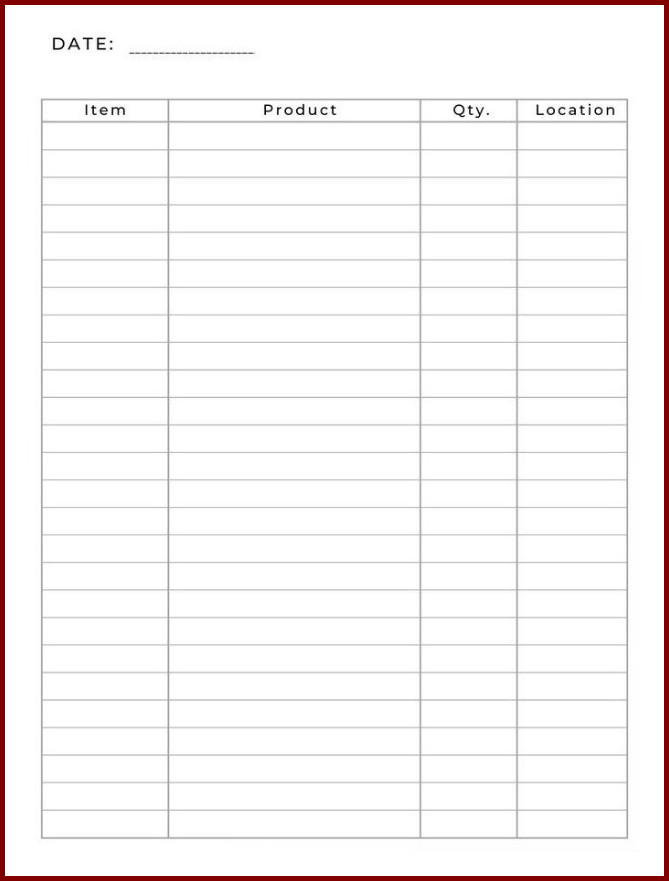
Creating an inventory list can be a time-consuming process, but it is essential for efficient inventory management. Here are some steps to help you create an effective inventory list:
1. Gather Information: Collect data on all the items you have in stock, including their names, quantities, locations, and values.
2. Choose a Format: Decide on the format for your inventory list, whether it’s a spreadsheet, inventory management software, or a physical ledger.
3. Organize Items: Categorize items by type, location, or any other relevant criteria to make the list easier to navigate.
4. Update Regularly: Regularly update your inventory list to reflect changes in stock levels, new purchases, or sales.
5. Use Technology: Consider using inventory management software to automate the process and streamline inventory tracking.
6. Train Staff: Ensure that your staff is trained on how to use the inventory list effectively and accurately.
Tips for Maintaining an Accurate Inventory
Maintaining an accurate inventory list requires diligence and attention to detail. Here are some tips to help you keep your inventory list up to date:
– Regular Audits: Conduct regular physical counts of your inventory to verify the accuracy of your list.
– ABC Analysis: Use ABC analysis to categorize items based on their importance and prioritize stock control efforts.
– Implement Barcode Scanning: Use barcode scanning technology to streamline data entry and reduce errors.
– Set Par Levels: Establish minimum and maximum stock levels for each item to prevent stockouts or overstocking.
– Monitor Trends: Keep track of sales trends, seasonal fluctuations, and customer preferences to adjust your inventory list accordingly.
– Collaborate with Suppliers: Work closely with suppliers to maintain accurate lead times and reorder points for each item.
– Utilize Forecasting Tools: Use forecasting tools to predict demand and optimize stock levels to meet customer needs.
In conclusion, creating an effective inventory list is essential for efficient inventory management and business success. By following the tips outlined in this guide and maintaining an accurate inventory list, businesses can streamline operations, improve customer satisfaction, and maximize profits. Remember, an organized and up-to-date inventory list is the key to successful inventory management.
