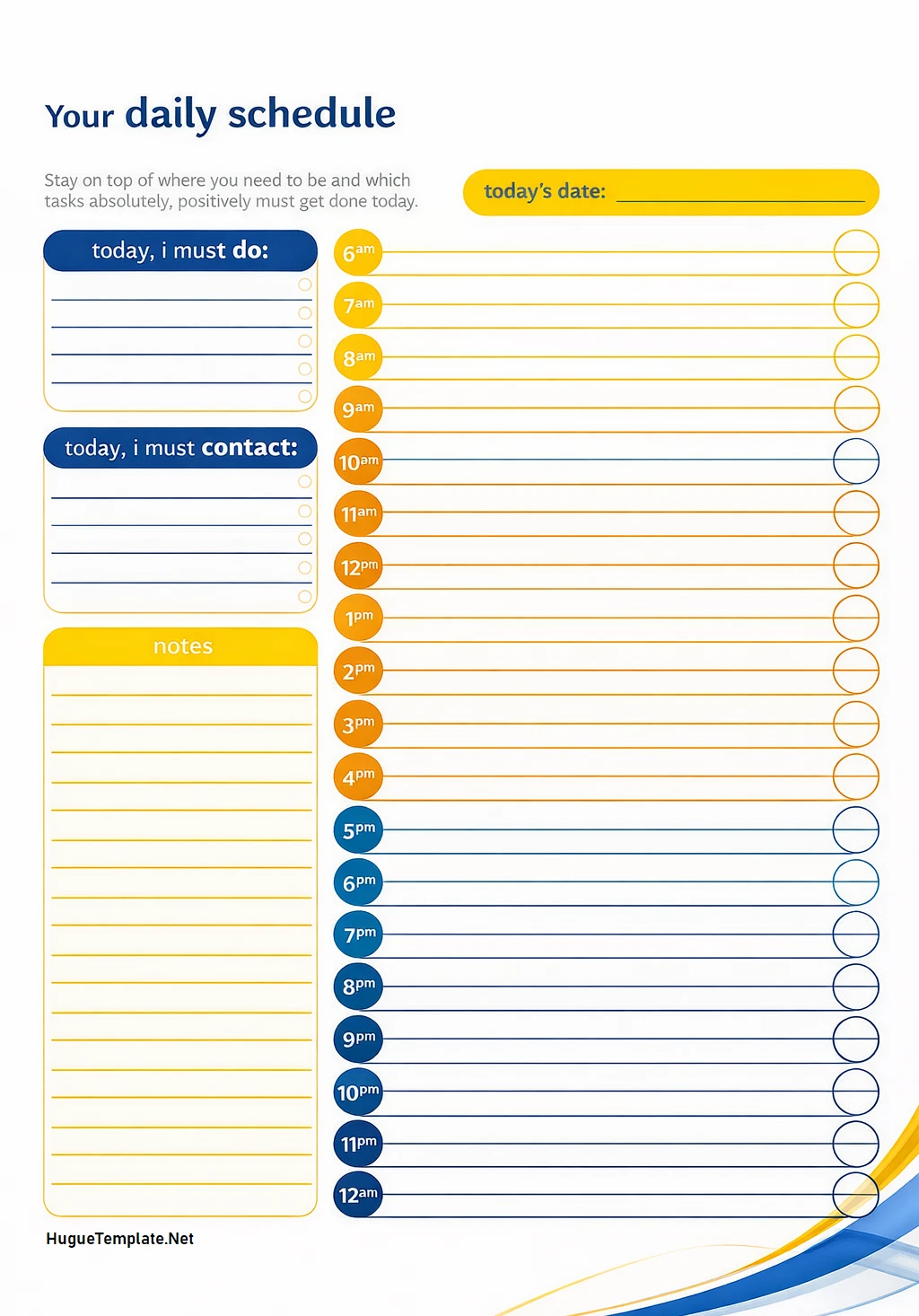
Creating a daily timetable can be a game-changer when it comes to productivity and time management. Whether you are a student trying to balance schoolwork and extracurricular activities, a professional juggling work and personal life, or simply looking to make the most out of your day, having a well-structured timetable can help you stay organized and focused.
In this article, we will explore the importance of a daily timetable, what to include in your schedule, how to create an effective timetable, and tips for successfully sticking to it.
What is a Daily Timetable?
A daily timetable is a detailed schedule that outlines the activities and tasks you need to accomplish in a day. It helps you allocate time for different activities, prioritize tasks, and stay on track throughout the day.
By having a clear plan of what needs to be done and when, you can optimize your time and ensure that you are making progress towards your goals.
Why You Need a Daily Timetable
1. Time Management: A daily timetable helps you effectively manage your time by breaking down your day into manageable chunks and allocating time for each task.
2. Productivity: Having a structured schedule can boost your productivity by eliminating distractions and keeping you focused on the task at hand.
3. Prioritization: A timetable allows you to prioritize tasks based on their importance and deadlines, ensuring that you are tackling the most critical tasks first.
4. Goal Setting: By including specific goals and milestones in your timetable, you can track your progress and stay motivated to achieve them.
What to Include in Your Daily Timetable
When creating a daily timetable, it is essential to include the following elements:
1. Date and Time: Start by listing the date and dividing your day into time blocks (e.g., 8:00 AM – 9:00 AM).2. Tasks and Activities: List all the tasks and activities you need to accomplish during the day, including work assignments, appointments, meetings, and personal errands.3. Prioritization: Rank your tasks in order of importance and urgency to ensure that you are focusing on the most critical activities first.4. Breaks and Rest: Don’t forget to schedule short breaks throughout the day to recharge and avoid burnout.5. Flexibility: Leave some buffer time in your schedule to account for unexpected events or delays.
How to Create an Effective Daily Timetable
1. Set Clear Goals: Start by defining your goals for the day and aligning your tasks with these objectives.
2. Use a Planner or Digital Tool: Choose a method that works best for you, whether it’s a physical planner, a digital calendar, or a time management app.
3. Block Scheduling: Group similar tasks together and allocate specific time blocks for each category.
4. Time Blocking: Allocate specific time slots for each task, ensuring that you are realistic about how long each activity will take.
5. Review and Adjust: Regularly review your timetable and make adjustments as needed to optimize your schedule.
Tips for Successful Time Management
– Start Early: Begin your day with a clear plan of what needs to be done.
– Eliminate Distractions: Minimize distractions such as phone notifications and social media to stay focused.
– Delegate Tasks: Don’t be afraid to delegate tasks or ask for help when needed.
– Reward Yourself: Celebrate your accomplishments and reward yourself for sticking to your timetable.
– Reflect and Learn: Take time to reflect on your day, identify areas of improvement, and adjust your timetable accordingly.
Daily Timetable Template – DOWNLOAD
