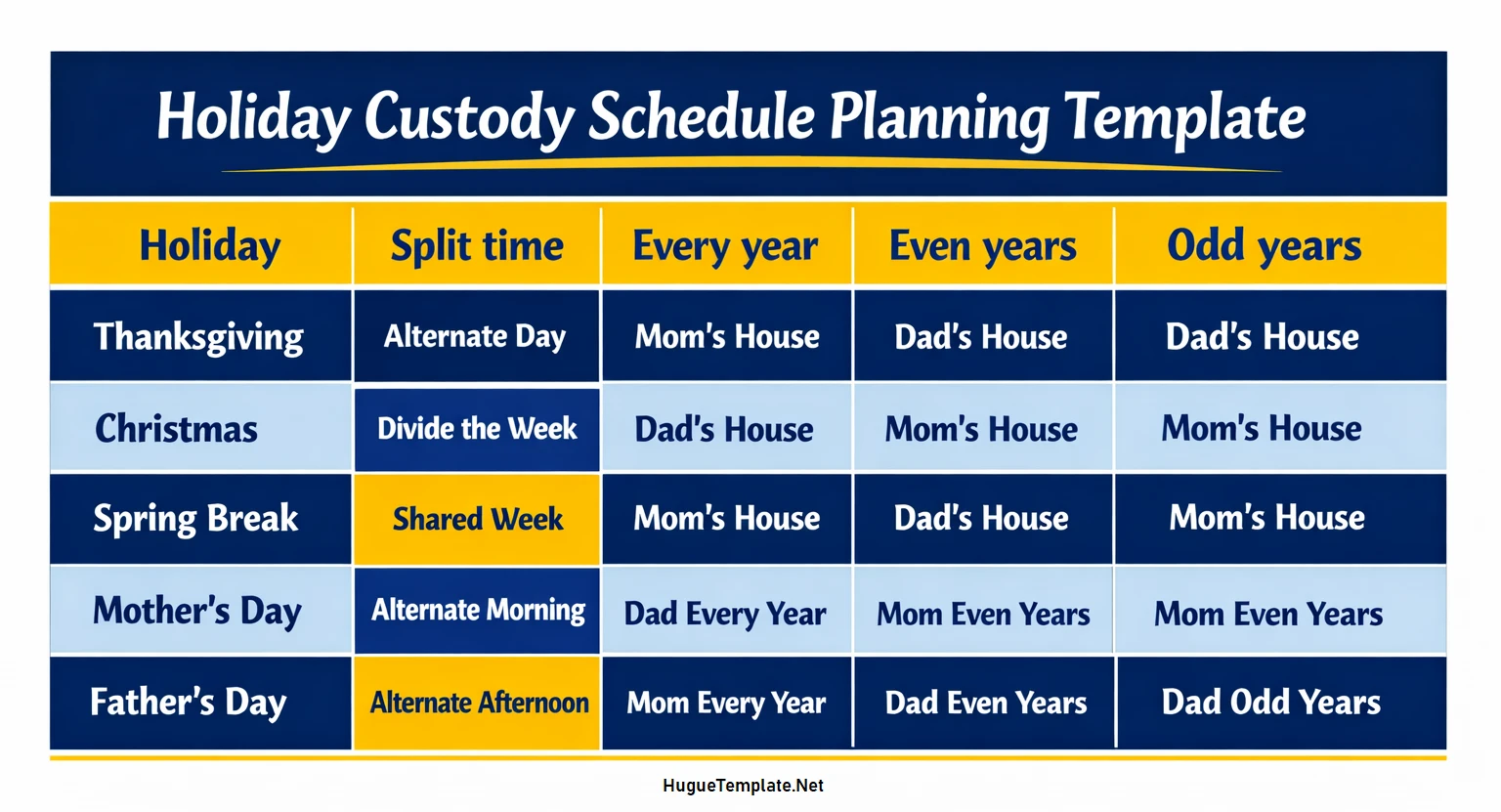
Regarding co-parenting, creating a custody schedule is one of the most important tasks to ensure that both parents have equal time with their children. A custody schedule lays out the specific days and times that each parent will have custody of the children, which helps to provide stability and consistency for the kids.
In this comprehensive guide, we will explore everything you need to know about creating a custody schedule that works for your family.
What is a Custody Schedule?
A custody schedule is a detailed plan that outlines when each parent will have physical custody of the children. This schedule can be as simple as alternating weeks with each parent or as complex as including specific days and times for exchanges.
The goal of a custody schedule is to ensure that both parents have regular and meaningful time with their children, while also taking into account factors such as school schedules, extracurricular activities, and holidays.
Why is a Custody Schedule Important?
Having a custody schedule in place can help reduce conflicts between co-parents and provide a sense of stability for the children. By clearly outlining when each parent will have custody, there is less room for misunderstandings or disagreements.
Additionally, a custody schedule can help both parents plan their own schedules and make arrangements for childcare when they are not with the children.
What to Include in a Custody Schedule
When creating a custody schedule, there are several key components to consider:
- Regular Schedule: Outline the regular weekly schedule, including weekdays and weekends.
- Holidays and Special Occasions: Include specific arrangements for major holidays, birthdays, and other special occasions.
- Vacations and Travel: Detail how vacations and travel will be handled, including notification requirements and any restrictions.
- Communication Plan: Establish a plan for communication between co-parents regarding the children’s schedules, activities, and well-being.
- Flexibility Clause: Include provisions for flexibility in the schedule to accommodate unforeseen events or changes in circumstances.
- Dispute Resolution Process: Outline a process for resolving disputes or disagreements regarding the custody schedule.
How to Create a Custody Schedule
Creating a custody schedule can be a collaborative process between co-parents or may require the assistance of a mediator or attorney. Here are some steps to help you create an effective custody schedule:
- Communicate Openly: Discuss each parent’s availability, preferences, and priorities to create a schedule that works for everyone.
- Consider the Children’s Needs: Take into account the children’s ages, school schedules, extracurricular activities, and any special needs when creating the schedule.
- Be Flexible: Be willing to make adjustments to the schedule as needed to accommodate changes in circumstances or the children’s preferences.
- Document the Schedule: Write down the custody schedule in a clear and concise format to avoid misunderstandings or confusion.
Tips for Successful Co-Parenting
In addition to creating a custody schedule, here are some tips for successful co-parenting:
- Communicate Respectfully: Keep communication with your co-parent focused on the children and be respectful of each other’s opinions.
- Put the Children First: Prioritize the children’s well-being and best interests when making decisions about the custody schedule.
- Seek Support: Consider joining a co-parenting support group or seeking guidance from a therapist or counselor to navigate the challenges of co-parenting.
- Take Care of Yourself: Practice self-care and prioritize your own well-being to be the best parent you can be for your children.
Conclusion
Creating a custody schedule is an essential part of co-parenting that can help both parents and children adjust to new family dynamics. By following the tips and guidelines outlined in this guide, you can create a custody schedule that works for your family and promotes a healthy co-parenting relationship.
Custody Schedule Template – DOWNLOAD
