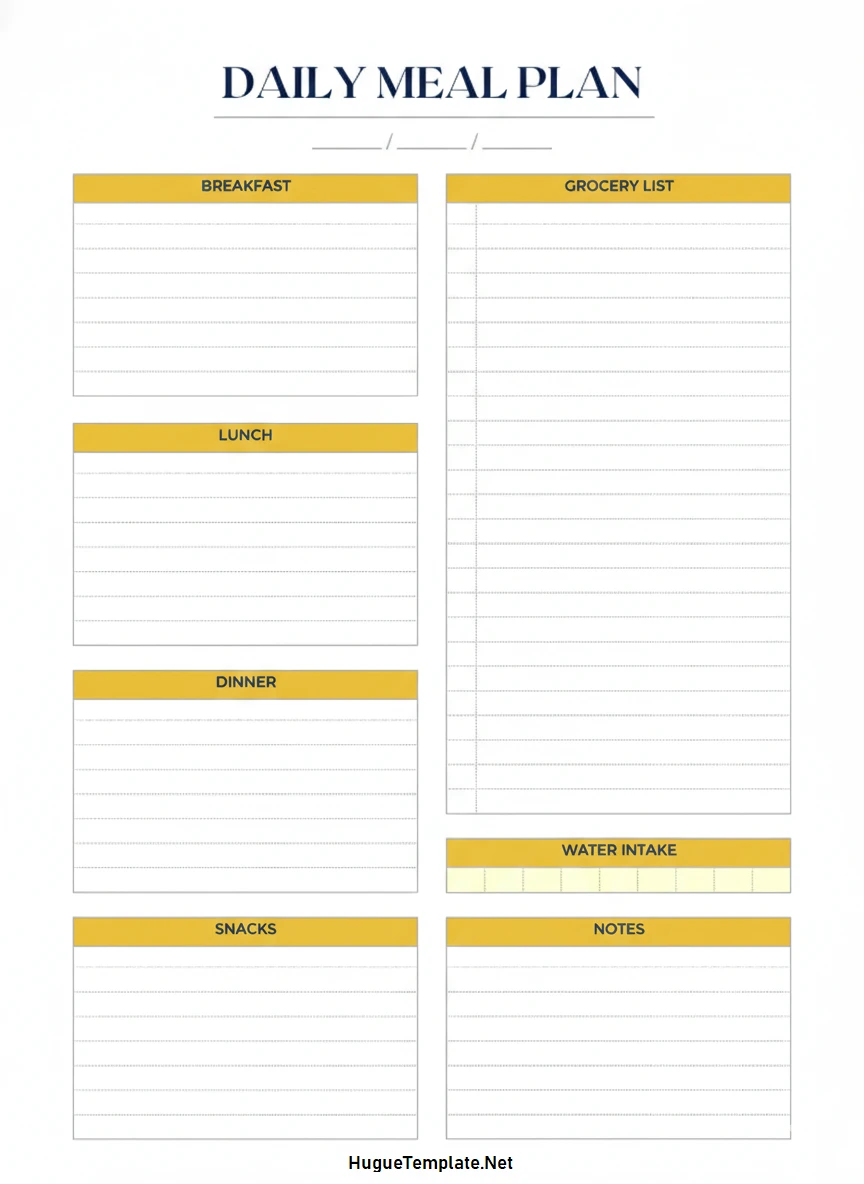
In today’s fast-paced world, finding time to prepare healthy meals can be a challenge. However, having a well-thought-out daily meal plan can make a significant difference in your overall health and well-being. By planning your meals ahead of time, you can ensure you get the nutrients your body needs to function optimally while also saving time and money.
In this comprehensive guide, we will explore the what, why, what to include, how to, and tips for successful daily meal planning.
What is a Daily Meal Plan?
A daily meal plan is a detailed schedule of the meals and snacks you will consume throughout the day. It typically includes breakfast, lunch, dinner, and any snacks that you may have in between. A well-planned meal plan takes into account your dietary preferences, nutritional needs, and lifestyle factors to ensure that you are eating a balanced and nutritious diet.
Planning your meals allows you to make healthier choices, control portion sizes, and avoid last-minute decisions that may not be in line with your health goals. It can also help you save time and reduce stress by eliminating the need to figure out what to eat each day.
Why You Should Create a Daily Meal Plan
Some key reasons why meal planning is important include:
- Consistency: Having a meal plan ensures that you are consistently fueling your body with the nutrients it needs to function properly.
- Improved health outcomes: Meal planning can help you make healthier food choices, leading to improved health outcomes in the long run.
- Enhanced productivity: By knowing what you will eat ahead of time, you can save time and mental energy throughout the day.
- Reduced stress: Meal planning can reduce stress by eliminating the need to make last-minute decisions about what to eat.
What to Include in Your Daily Meal Plan
When creating a daily meal plan, it’s important to include a variety of foods from all the major food groups to ensure that you are getting a balanced diet. Here are some key components to consider when planning your meals:
- Proteins: Include lean sources of protein such as chicken, fish, tofu, beans, or lentils in your meals to support muscle growth and repair.
- Vegetables: Aim to fill half of your plate with vegetables at each meal to increase your intake of vitamins, minerals, and fiber.
- Whole grains: Choose whole grains such as brown rice, quinoa, oats, or whole wheat bread to provide sustained energy throughout the day.
- Fruits: Incorporate a variety of fruits into your daily meal plan to boost your intake of antioxidants and vitamins.
- Healthy fats: Include sources of healthy fats such as avocado, nuts, seeds, and olive oil to support heart health and brain function.
- Dairy or dairy alternatives: If you consume dairy, include low-fat or non-fat options in your meal plan. Otherwise, opt for fortified dairy alternatives like almond milk or soy milk.
How to Create a Daily Meal Plan
Creating a daily meal plan may seem overwhelming at first, but with some simple strategies and tips, you can make the process more manageable. Here are some steps to help you get started with meal planning:
- Set realistic goals: Determine your health and wellness goals, such as weight loss, muscle gain, or improved energy levels, to guide your meal planning.
- Assess your current eating habits: Take stock of what you typically eat in a day to identify areas for improvement and areas where you are already doing well.
- Plan your meals: Use a meal planning template or app to map out your meals for the week, taking into account your schedule and dietary preferences.
- Make a grocery list: Once you have your meals planned out, create a grocery list of all the ingredients you will need to prepare your meals for the week.
- Prep ahead of time: To save time during the week, consider prepping ingredients in advance, such as washing and chopping vegetables or marinating meats.
Tips for Successful Daily Meal Planning
To make daily meal planning a sustainable habit, it’s essential to incorporate some helpful tips and strategies into your routine. Here are some tips to help you stay on track with your meal plan:
- Batch cook: Cook large batches of meals and portion them out for the week to save time and ensure you always have a healthy option on hand.
- Experiment with new recipes: Keep things interesting by trying out new recipes and ingredients to prevent meal boredom.
- Stay flexible: Allow for some flexibility in your meal plan to accommodate unexpected changes in your schedule or preferences.
- Listen to your body: Pay attention to how different foods make you feel and adjust your meal plan accordingly to meet your body’s needs.
In Conclusion
Creating a daily meal plan is a powerful tool for improving your health and well-being. By taking the time to plan your meals, you can make healthier choices, save time and money, and reduce stress. With the tips and strategies outlined in this guide, you can create a meal plan that works for you and supports your overall health goals. Start meal planning today and reap the benefits of a well-balanced diet.
Daily Meal Plan Template – DOWNLOAD
