When it comes to international trade, a Certificate of Origin plays a crucial role in determining the origin of goods. This document is used to certify the country in which the product was manufactured, helping to determine tariffs, quotas, and other trade regulations.
In this guide, we will delve into the details of the Certificate of Origin, why it is important, what to include in the document, how to obtain it, and tips for successful completion.
What is a Certificate of Origin?
A Certificate of Origin is a document that certifies the origin of goods being exported from one country to another. It is used by customs authorities to verify the authenticity of the goods and determine the appropriate tariffs and trade regulations.
The Certificate of Origin provides crucial information about where the product was manufactured, ensuring compliance with trade agreements and regulations.
Why is a Certificate of Origin Important?
A Certificate of Origin is important for several reasons. Firstly, it helps to establish the country of origin of the goods, which is essential for determining trade regulations, tariffs, and quotas.
Additionally, some countries require a Certificate of Origin as part of the importation process to verify the authenticity of the goods. Without a proper Certificate of Origin, the goods may face delays at customs or even be rejected for import.
What to Include in a Certificate of Origin
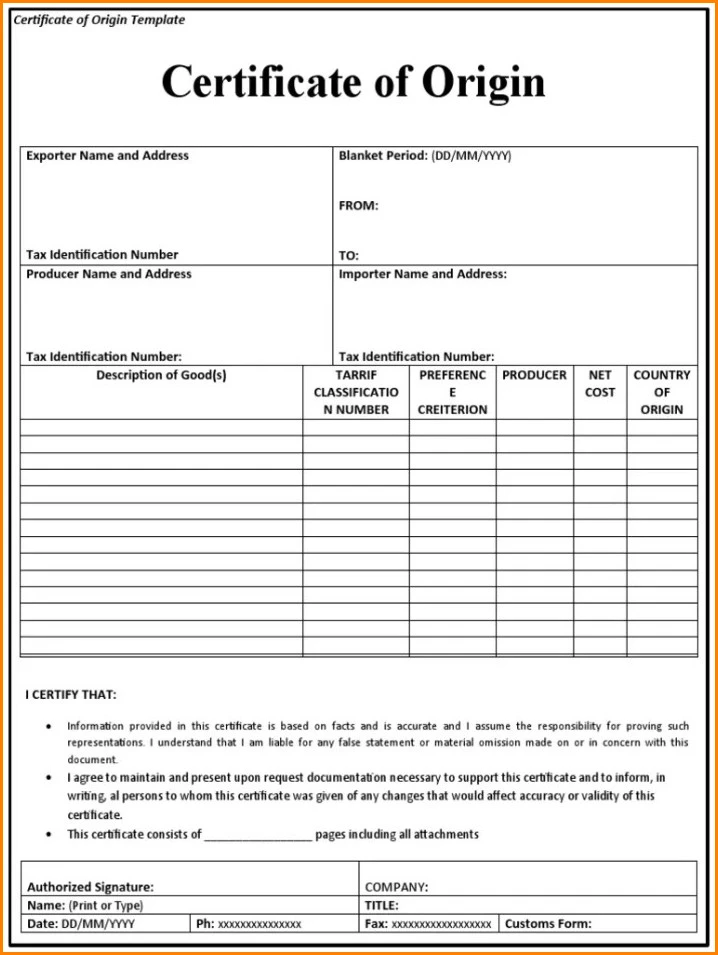
When preparing a Certificate of Origin, it is essential to include specific information to ensure its validity and accuracy. Some of the key details to include in the document are:
- Exporter Information. This should include the name, address, and contact details of the exporter.
- Importer Information. The name and address of the importer should also be included in the Certificate of Origin.
- Product Description. A detailed description of the goods being exported, including quantity, value, and weight.
- Country of Origin. Clearly state the country in which the goods were manufactured.
- Signature and Date. The Certificate of Origin should be signed and dated by the exporter or their authorized representative.
How to Obtain a Certificate of Origin
There are several ways to obtain a Certificate of Origin, depending on the country and trade agreements in place. In some cases, the Chamber of Commerce or a trade association may issue the Certificate of Origin.
Alternatively, some countries allow exporters to self-issue the document based on a declaration of origin. It is essential to check with the relevant authorities to determine the correct process for obtaining a Certificate of Origin.
Tips for Successful Certificate of Origin
When preparing a Certificate of Origin, there are a few tips to keep in mind to ensure a successful and hassle-free process:
- Verify Requirements. Check with the importing country’s customs authorities to ensure you have all the necessary information and documentation.
- Double-Check Information. Make sure all details included in the Certificate of Origin are accurate and match the accompanying shipping documents.
- Use Official Templates. Many countries provide official templates for a Certificate of Origin to ensure compliance with international trade regulations.
- Keep Records. Maintain copies of the Certificate of Origin and related documents for your records and future reference.
- Seek Assistance. If you are unsure about the process of obtaining a Certificate of Origin, seek assistance from trade experts or customs brokers.
Certificate of Origin Template – DOWNLOAD
