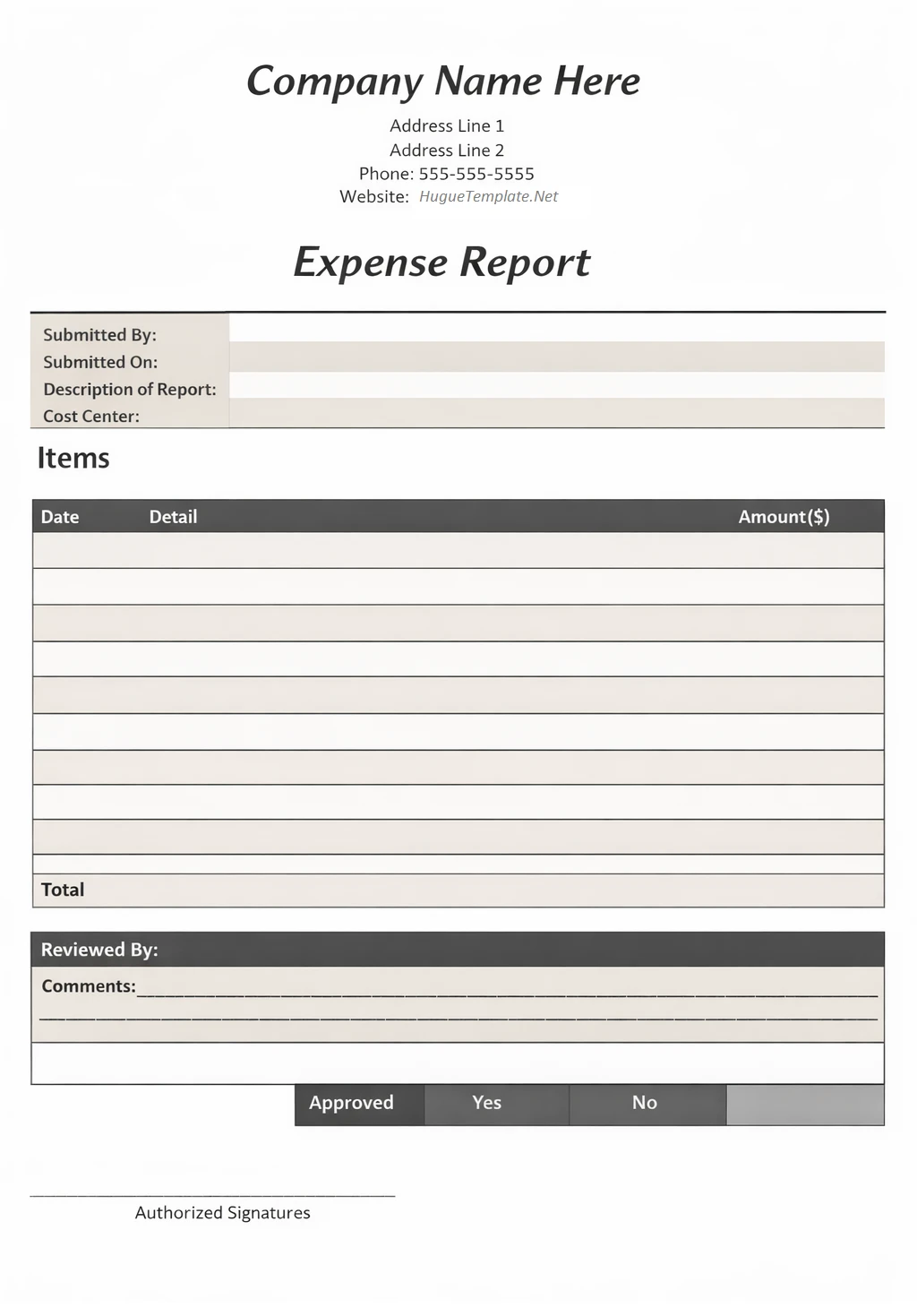
What is a Business Report?
A business report is a formal document that presents information in a structured format to provide a clear overview of a specific aspect of a business. These reports are generated to analyze and evaluate various business activities, such as financial performance, sales trends, market research, and operational efficiency.
The primary purpose of a business report is to help stakeholders understand the current state of the business, identify areas for improvement, and make informed decisions based on the data presented.
The Importance of a Business Report
Decision Making
Business reports are essential for organizations to make informed decisions that drive growth and success. By presenting data, findings, conclusions, and recommendations, reports provide stakeholders with the information they need to evaluate options, identify risks and opportunities, and choose the best course of action. Without accurate and timely business reports, decision-making can be based on assumptions rather than empirical evidence, leading to poor outcomes.
Communication and Collaboration
Business reports facilitate communication and collaboration within an organization by providing a common source of information for all stakeholders. Reports allow different departments and teams to share data, insights, and recommendations, aligning their goals and objectives to work towards common outcomes. Effective communication through business reports helps to ensure that everyone is on the same page, working towards a shared vision for the organization’s success.
Transparency and Accountability
Business reports create transparency and accountability within an organization by documenting business activities, results, and outcomes. By creating an official record of data and analysis, reports hold individuals and teams accountable for their performance and results. Transparency through business reports also builds trust with stakeholders, showing that the organization is open and honest about its operations and decision-making processes.
Benefits of Using Business Reports
Improved Decision-Making
One of the key benefits of using business reports is improved decision-making. By providing stakeholders with accurate, relevant, and timely information, reports enable them to make informed decisions that are based on data and analysis rather than gut feelings or assumptions. This leads to better outcomes, reduced risks, and increased opportunities for growth and success.
Enhanced Communication
Business reports enhance communication within an organization by providing a common source of information that is accessible to all stakeholders. Reports allow teams and departments to share insights, collaborate on projects, and align their goals and objectives. Effective communication through business reports helps to break down silos, foster collaboration, and promote a culture of openness and transparency within the organization.
Increased Accountability
Reports help to increase accountability within an organization by creating a record of business activities, results, and outcomes. By documenting data, analysis, findings, conclusions, and recommendations, reports hold individuals and teams accountable for their performance and results. This accountability ensures that stakeholders take ownership of their actions and decisions, driving continuous improvement and progress.
Identifying Trends and Opportunities
Business reports help organizations identify trends in the market, potential opportunities for growth, and areas for improvement. By analyzing data and presenting findings and recommendations, reports enable stakeholders to spot patterns, outliers, and emerging opportunities that may otherwise go unnoticed. This insight allows organizations to capitalize on trends, mitigate risks, and stay ahead of the competition.
Monitoring Progress
Reports allow organizations to track their progress towards goals and objectives, making it easier to measure success and adjust strategies as needed. By documenting key performance indicators, milestones, and achievements, reports provide stakeholders with a clear picture of where the organization stands and what needs to be done to reach its targets. Monitoring progress through business reports helps to keep teams focused, motivated, and accountable for their actions.
Problem-Solving
Business reports can highlight areas of concern or inefficiency within the organization, enabling stakeholders to address challenges and implement solutions. By identifying bottlenecks, gaps, and areas for improvement, reports provide a roadmap for problem-solving and continuous improvement. This proactive approach to addressing issues helps organizations stay agile, responsive, and competitive in a rapidly changing business environment.
Creating a Strategic Roadmap
Reports can help organizations develop a clear roadmap for the future by outlining goals, objectives, and strategies for achieving success. By presenting findings, conclusions, and recommendations in a structured format, reports provide stakeholders with a blueprint for action. This strategic roadmap serves as a guide for decision-making, resource allocation, and performance monitoring, ensuring that the organization stays on track to achieve its long-term goals.
Common Uses of Business Reports in Organizations
Financial Analysis
Financial reports are used to analyze the financial performance of a business, including revenue, expenses, profitability, and cash flow. These reports provide stakeholders with a comprehensive view of the company’s financial health, highlighting areas of strength and weakness. Financial analysis through business reports helps organizations make informed decisions about investments, budgeting, pricing, and risk management.
Market Research
Research reports are used to gather and analyze data on market trends, customer preferences, and competitor activities. Market research helps organizations understand their target audience, identify emerging trends, and assess the competitive landscape. By conducting thorough market research and presenting findings in business reports, organizations can make informed decisions about product development, marketing strategies, and expansion opportunities.
Performance Evaluation
Performance reports evaluate the performance of individuals, teams, or departments within an organization, highlighting key metrics and achievements. These reports provide stakeholders with insights into employee productivity, job satisfaction, and overall performance. Performance evaluation through business reports helps organizations identify top performers, address performance issues, and set goals for improvement and development.
Strategic Planning
Strategic plans outline the goals, objectives, and strategies for achieving success and growth within an organization. These plans are developed based on thorough research, analysis, and consultation, and are presented in business reports for stakeholders to review and approve. Strategic planning helps organizations set a clear direction, allocate resources effectively, and align their actions with long-term goals and objectives.
Key Components of Business Reports
Executive Summary
An executive summary is a brief overview of the report, including the key findings, conclusions, and recommendations. This section provides stakeholders with a snapshot of the main points without having to read the entire report. The executive summary should be concise, engaging, and informative, capturing the essence of the report in a few paragraphs.
Introduction
The introduction of a business report provides an overview of the purpose and scope of the report, as well as any background information that may be relevant. This section sets the context for the report, outlining the problem or issue being addressed, the objectives of the report, and the methodology used to collect and analyze data. The introduction should be clear, engaging, and relevant to the target audience.
Methodology
The methodology section of a business report describes the methods used to collect and analyze data for the report. This section outlines the research design, data collection techniques, sampling methods, and analysis procedures used to generate the findings and recommendations presented in the report. The methodology should be detailed, transparent, and replicable, allowing stakeholders to evaluate the validity and reliability of the data and analysis.
Findings
The findings section of a business report summarizes the main findings of the report, presenting key data, trends, and insights clearly and concisely. This section should be organized logically, with headings, subheadings, and visuals to help guide the reader through the data. The findings should be supported by evidence, analysis, and interpretation, demonstrating the validity and relevance of the information presented.
Conclusions
The conclusions section of a business report summarizes the conclusions drawn from the findings, highlighting the key insights and implications for decision-making. This section should tie together the main points of the report, presenting a coherent argument that supports the recommendations. The conclusions should be clear, logical, and actionable, providing stakeholders with a roadmap for implementing the report’s recommendations.
Recommendations
The recommendations section of a business report provides stakeholders with actionable suggestions for addressing the challenges or opportunities identified in the report. This section should be specific, practical, and tailored to the organization’s goals and objectives. Recommendations should be supported by evidence, analysis, and rationale, demonstrating the feasibility and benefits of implementing the proposed actions.
Appendices
The appendices section of a business report includes additional information, data, or supporting materials that may be relevant to the report. This section may include tables, charts, graphs, surveys, interviews, or other supplementary materials that provide context or depth to the findings and recommendations presented in the report. Appendices should be clearly labeled, referenced in the main body of the report, and organized in a logical and accessible manner for stakeholders to review.
Business Report Template – DOWNLOAD
