Feeding your baby can be both a joyous and daunting task, especially for new parents. As your little one grows, their nutritional needs evolve, making it essential to have a general guide to ensure they receive adequate nourishment for healthy development.
A baby feeding chart serves as a valuable tool for parents, offering insights into typical amounts, frequency, and appropriate foods at different developmental stages. It also helps track feeding patterns and signals when to introduce new textures. While following the chart is beneficial, it’s crucial to pay attention to your baby’s hunger cues and consult their pediatrician for personalized advice.
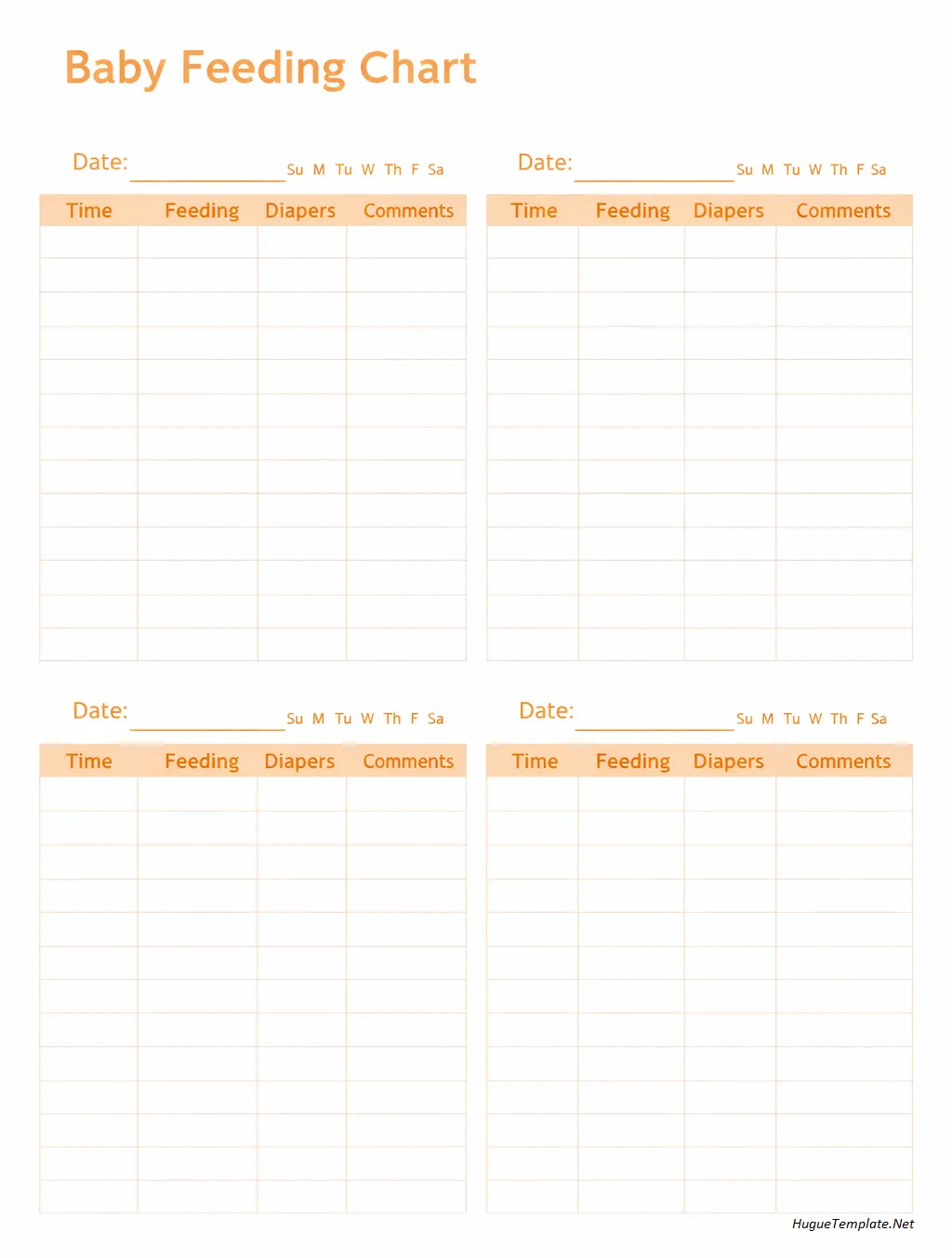
What Is a Baby Feeding Chart?
A baby feeding chart is a structured guideline that outlines the recommended amounts of milk and solids, as well as the frequency of feedings, based on a baby’s age and developmental stage. It provides parents with a convenient reference point to ensure their little one is receiving the appropriate nutrition for growth and development.
Additionally, the chart helps parents introduce new textures and foods gradually, catering to their baby’s changing dietary needs.
Why Use a Baby Feeding Chart?
Using a baby feeding chart offers several benefits for both parents and babies. Here are some reasons why incorporating a feeding chart into your routine can be advantageous:
Guidance and Support
A baby feeding chart provides parents with valuable guidance and support in navigating the complexities of infant nutrition. By following the recommendations on the chart, parents can feel more confident in their feeding decisions, knowing that they are providing their baby with the right nutrients at the right times.
Consistency and Routine
Following a feeding chart promotes consistency and routine in your baby’s feeding schedule, which can be beneficial for their overall health and well-being. Establishing a predictable feeding routine helps babies feel secure and comfortable, leading to better eating habits and mealtime behavior.
Tracking and Monitoring
By tracking your baby’s feeding patterns on the chart, you can monitor their intake, identify any changes or concerns, and keep a record of their growth and development. This tracking allows you to assess your baby’s progress and nutritional status, making it easier to address any issues that may arise.
Introduction of New Foods
The baby feeding chart indicates when and how to introduce new textures and foods, ensuring a smooth transition and reducing the risk of digestive issues or allergies. By following the recommendations on the chart, parents can introduce a variety of foods at the right times, promoting a diverse and nutritious diet for their baby.
Communication with Healthcare Providers
Sharing the feeding chart with your pediatrician or healthcare provider allows them to assess your baby’s nutritional intake, growth, and development. By collaborating with professionals, parents can receive personalized advice and support, ensuring that their baby’s nutritional needs are met and any concerns are addressed promptly.
What to Include in a Baby Feeding Chart?
When creating or using a baby feeding chart, it’s essential to include the following key elements to ensure comprehensive guidance and tracking:
Age Categories
Divide the chart into age-specific categories, such as 0-6 months, 6-9 months, 9-12 months, and beyond, to align with your baby’s developmental milestones. Each age category should include specific recommendations for milk feedings, solid food introductions, and feeding schedules tailored to your baby’s needs.
Milk Feeding Recommendations
Specify the recommended amount of breast milk or formula for each feeding session based on the baby’s age, weight, and individual requirements. Include guidance on the frequency of feedings, duration of each feeding session, and tips for breastfeeding or bottle-feeding to support optimal feeding practices.
Solid Food Introductions
Outline when and how to introduce solid foods to your baby, starting with simple purees, mashed foods, and finger foods. Gradually progress to more complex textures and flavors as your baby’s eating skills and preferences develop. Include a variety of nutrient-rich foods to promote balanced nutrition and healthy eating habits.
Feeding Schedule
Provide a sample feeding schedule that outlines the number of feedings per day, approximate meal times, and suggested food combinations. Consider your baby’s sleep patterns, activity levels, and appetite when creating a feeding schedule that works for your family. Be flexible in adjusting the schedule to meet your baby’s changing needs and preferences.
Food Variety
Include a diverse selection of foods in the baby feeding chart to ensure your little one receives a wide range of nutrients essential for growth and development. Incorporate fruits, vegetables, grains, proteins, and dairy products in age-appropriate portions to encourage healthy eating habits and culinary exploration. Offer new foods gradually to introduce different flavors and textures to your baby.
How to Follow a Baby Feeding Chart
Following a baby feeding chart requires consistency, flexibility, and attentiveness to your baby’s cues. Here are some tips to help you effectively implement and adapt to the feeding chart:
Start Early
Begin following the feeding chart as soon as your baby is ready to introduce solid foods, typically around 6 months of age. Prioritize breast milk or formula as the primary source of nutrition in the early months, gradually incorporating solid foods as your baby’s readiness and interest grow.
Observe Hunger Cues
Pay close attention to your baby’s hunger cues, such as rooting, sucking motions, hand-to-mouth gestures, and vocalizations. These signals indicate when your baby is hungry and ready to eat, helping you respond promptly and appropriately to their feeding needs. Avoid force-feeding or pressuring your baby to eat if they show signs of fullness or disinterest.
Gradual Introductions
Introduce new foods one at a time, waiting a few days before offering another new food to monitor for any allergic reactions or sensitivities. Start with single-ingredient purees or soft foods and gradually progress to mixed textures and flavors. Keep an eye out for any adverse reactions or digestive issues and consult your pediatrician if you have concerns.
Monitor Progress
Track your baby’s feeding patterns, reactions to different foods, growth milestones, and developmental progress regularly. Keep a food diary or use the feeding chart to record your baby’s intake, preferences, and any notable changes in their appetite or behavior. This monitoring allows you to assess your baby’s nutritional status, identify any potential issues, and make informed adjustments to their diet as needed.
Stay Flexible
While the feeding chart provides a general framework for feeding your baby, be flexible in adapting it to your baby’s individual needs, preferences, and developmental pace. Recognize that every baby is unique and may have varying appetites, food preferences, and eating habits. Be responsive to your baby’s cues, adjust the feeding schedule as needed, and trust your instincts as a parent in meeting your baby’s nutritional needs.
Tips for Successful Baby Feeding
Feeding your baby is a bonding experience that requires patience, love, and attention to detail. Here are some additional tips to enhance the feeding journey:
Stay Calm
Create a calm and relaxed feeding environment to promote positive associations with mealtime for your baby. Minimize distractions, turn off screens, and focus on engaging with your baby during feedings. Maintain a nurturing and supportive atmosphere that encourages healthy eating habits and fosters a positive relationship with food.
Encourage Self-Feeding
Allow your baby to explore and self-feed with
Finger Foods and Utensils
Introduce age-appropriate finger foods and utensils to encourage your baby’s independence and fine motor skills. Offer small pieces of soft fruits, vegetables, and grains that your baby can grasp and bring to their mouth. Provide child-safe utensils, such as soft-tipped spoons and easy-grip utensils, to help your baby practice self-feeding and develop their hand-eye coordination.
Mealtime Fun
Make mealtimes enjoyable and engaging for your baby by incorporating fun and interactive elements into the feeding experience. Use colorful plates, bowls, and utensils to capture your baby’s attention and stimulate their interest in food. Sing songs, tell stories, and play games during mealtime to create a positive and stimulating environment that encourages your baby to explore new foods and textures.
Variety and Exploration
Offer a wide variety of foods to your baby to expose them to different flavors, textures, and nutrients. Include fruits, vegetables, whole grains, lean proteins, and dairy products in their diet to ensure a balanced and diverse nutritional intake. Encourage your baby to try new foods by presenting them in creative ways, such as colorful food arrangements or playful food shapes.
Meal Planning and Preparation
Plan and prepare meals in advance to ensure that your baby receives nutritious and balanced meals throughout the day. Consider batch cooking, meal prepping, and freezing portions to save time and effort in preparing meals for your little one. Involve your baby in meal planning and preparation by allowing them to observe, smell, and touch different foods, fostering their curiosity and interest in mealtime.
Responsive Feeding
Practice responsive feeding by paying attention to your baby’s cues and signals during mealtimes. Respond promptly to hunger cues, offer appropriate food choices, and respect your baby’s appetite and feeding preferences. Avoid pressuring your baby to eat or using food as a reward or punishment, as this can disrupt their natural hunger and satiety cues.
Social Interaction
Use mealtime as an opportunity for social interaction and connection with your baby. Sit face-to-face with your little one, maintain eye contact, and engage in conversation during feedings to promote bonding and communication. Encourage your baby to babble, make sounds, and interact with you while eating, creating a positive and nurturing mealtime experience for both of you.
Mealtime Hygiene
Ensure proper mealtime hygiene by washing your hands, your baby’s hands, and all feeding utensils before each meal. Clean and sanitize high chairs, feeding trays, and bibs regularly to prevent contamination and ensure a safe and hygienic feeding environment for your baby. Use age-appropriate dishes and utensils that are easy to clean and maintain to minimize the risk of foodborne illnesses.
Continuing Education
Stay informed and educated about infant nutrition, feeding practices, and developmental milestones to provide the best possible care for your baby. Attend parenting classes, workshops, and seminars on nutrition and feeding to enhance your knowledge and skills in supporting your baby’s growth and development. Consult reputable sources and healthcare providers for reliable information and guidance on infant feeding and nutrition.
Seeking Professional Advice
If you have any concerns or questions about your baby’s feeding habits, growth, or development, do not hesitate to seek professional advice from a pediatrician, registered dietitian, or feeding specialist. These healthcare professionals can assess your baby’s nutritional intake, address any feeding challenges or issues, and provide individualized recommendations and support to meet your baby’s unique needs.
Conclusion
Feeding your baby is a meaningful and essential aspect of parenthood that requires dedication, patience, and knowledge. By following a baby feeding chart and implementing best practices for infant feeding, you can provide your little one with the nutrients, love, and care they need to thrive and grow.
Remember to listen to your baby’s cues, be responsive to their needs, and seek support and guidance from healthcare professionals when necessary. With a holistic approach to feeding and nutrition, you can create a positive and nourishing feeding experience for your baby that sets the foundation for a lifetime of healthy eating habits and well-being.
Baby Feeding Chart Template – DOWNLOAD
